

 English
 عربى
عربى
News
Home / News / Industry News / Why is a Rotomolding RV Water Tank More Durable Than Fabricated Alternatives?
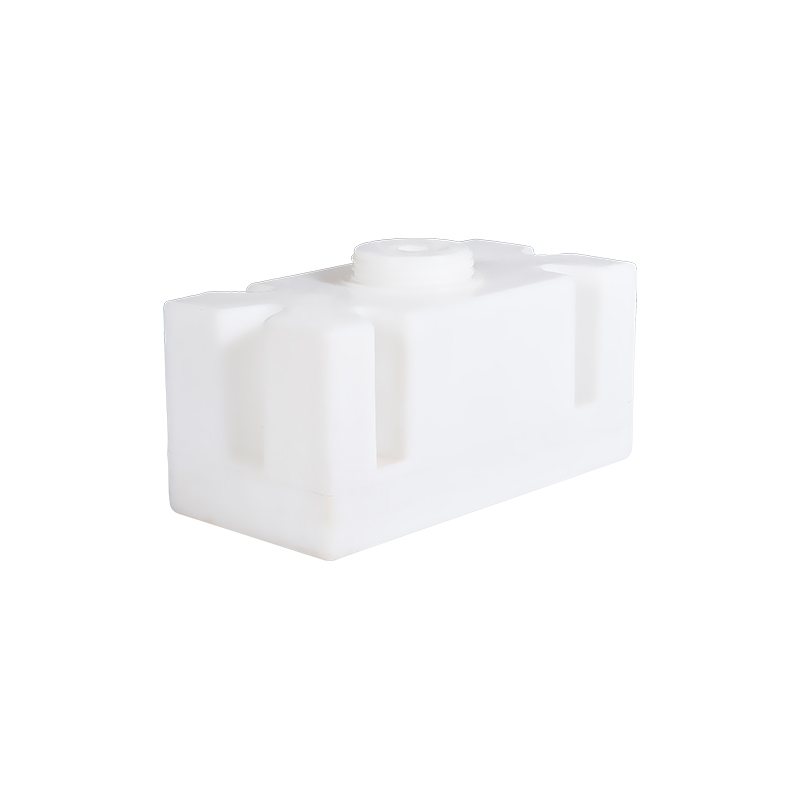
In the world of off-grid living, overland travel, and long-distance road trips, the reliability of your freshwater and waste systems is non-negotiable. When selecting a water storage solution, the Rotomolding RV Water Tank stands out as the industry standard for durability and longevity. While fabricated tanks—constructed from flat sheets of plastic or metal welded together—may appear to be a cost-effective choice initially, they often fail under the extreme mechanical stresses and environmental fluctuations of the road. Understanding the structural science and engineering behind rotational molding (Rotomolding) reveals why this process creates a tank capable of outlasting the vehicle itself.
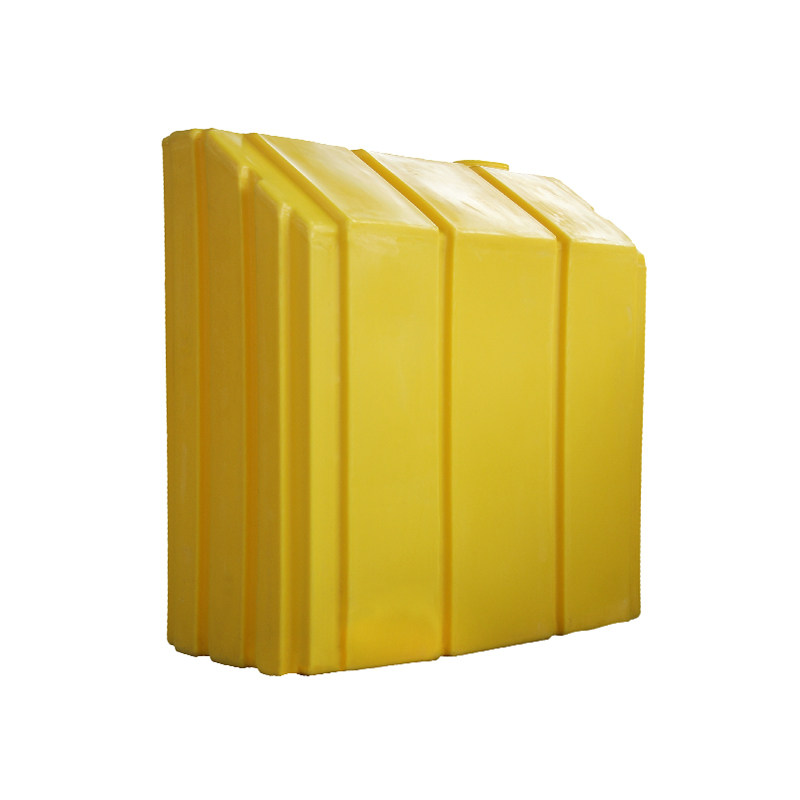
The most significant advantage of a Rotomolding RV Water Tank lies in its monolithic, one-piece construction. Unlike fabricated tanks, which rely on heat-welded seams, chemical bonding, or mechanical fasteners at the corners, a rotomolded tank is formed in a single, continuous piece inside a rotating mold. This manufacturing approach fundamentally changes how the tank handles physical stress.
In a fabricated tank, the seams are inherently the weakest links. Under the constant vibration and “sloshing” of water (hydrodynamic surge) during travel, these joints are subject to immense hydraulic pressure and repetitive fatigue.
Fabricated tanks often suffer from “built-in” residual stress. The process of bending, cutting, and welding plastic sheets creates internal tension within the molecular structure of the material. When exposed to extreme temperature fluctuations—ranging from desert heat to freezing mountain nights—these stresses can lead to warping, bowing, or “environmental stress cracking.” A rotomolded tank is formed at high temperatures and cooled slowly and uniformly, resulting in a stress-free molecular structure. This allows the tank to expand and contract safely with temperature changes without compromising its structural shape or integrity.
Beyond the manufacturing process, the specific polymer resins used in a Rotomolding RV Water Tank are engineered specifically for harsh outdoor and mobile environments. Most high-quality tanks utilize Linear Low-Density Polyethylene (LLDPE) or specialized HDPE, which offer a unique balance of structural rigidity and ductile flexibility.
RVs and camper vans are subject to constant “road shock.” Whether it’s navigating washboard gravel roads or hitting an unexpected pothole at highway speeds, the water tank must act as a part of the vehicle’s dampening system.
Modern rotomolding resins are not just simple plastics; they are advanced compounds infused with UV stabilizers and antimicrobial properties.
To help fleet managers, RV manufacturers, and DIY van builders make an informed decision, the following table compares the essential performance metrics of these two common tank types.
| Performance Metric | Rotomolding RV Water Tank | Fabricated Plastic/Metal Tank |
|---|---|---|
| Construction Method | One-Piece Seamless (Monolithic) | Welded or Bonded Seams |
| Leak Risk Profile | Near Zero (No joints) | Moderate to High (at seams) |
| Impact Resistance | Excellent (High Ductility) | Poor (Brittle or prone to dents) |
| Wall Consistency | Uniform with Reinforced Corners | Variable (Often thinned at bends) |
| Operational Temperature | -40°C to 60°C | Subject to seam failure in frost |
| Custom Shape Design | Unlimited (Baffles & Contours) | Limited to flat planes/boxes |
| Expected Lifespan | 15 - 20+ Years | 5 - 8 Years |
Yes, although punctures are extremely rare due to the thick wall construction. Because they are made from thermoplastic polyethylene, they can be “plastic welded” using a dedicated heat gun and PE filler rods. This creates a permanent, molecular bond. However, unlike fabricated tanks, you will almost never have to deal with the most common repair issue: leaking or splitting seams.
Wall thickness determines the tank’s ability to hold the weight of the water without “pillowing” or deforming. A high-quality Rotomolding RV Water Tank is engineered with a specific wall thickness (usually 4mm to 8mm) to ensure it stays rigid when full, which is critical for maintaining the weight distribution and handling of your vehicle.
Yes. Professional manufacturers use food-grade LLDPE or HDPE that is certified BPA-free and FDA-approved for potable water. This ensures your water stays fresh and safe for drinking, cooking, and showering without any chemical leaching.
Fittings can be installed using several methods. “Spin-welding” is the most secure, as it melts the fitting directly into the tank wall. Alternatively, heavy-duty bulkhead fittings can be used. Because the rotomolding process creates thick, flat areas for ports, these fittings can achieve a much more secure, leak-proof seal than on thin fabricated sheets.

 wuyuqiao village, Henghe Town, Cixi City, Zhejiang Province
 +86-15257871220
 [email protected]
