

 English
 عربى
عربى
How Does a Float Level Switch Work in Industrial Water Tanks?
In modern industrial fluid management systems, maintaining precise control over tank levels is the cornerstone of ensuring production safety and efficiency. Whether in complex chemical plants, municipal water supply systems, or daily secondary water supply equipment, the Float Level Switch remains the preferred choice for engineers worldwide due to its simple structure, high reliability, and cost-effectiveness. While it may appear simple on the outside, the perfect integration of physics and internal Reed Switch Technology allows these devices to operate millions of times even in extreme environments.
1. The Core Principles of Buoyancy and Magnetism
The core operation of a float level switch is built upon an ancient law of physics: Archimedes’ Principle. In an industrial water tank, the float component of the sensor is designed as a sealed body with a density lower than the liquid being measured. As the liquid level in the tank rises, the buoyant force pushes the float upward along the guide stem; as the level drops, the float follows it back down.
Magnetic-Driven Non-Contact Switching
The reason float level switches are more durable than traditional mechanical lever switches is their use of a non-contact magnetic trigger mechanism.
- Internal Permanent Magnet: A permanent magnet is hermetically sealed inside the float.
- Stationary Stem: The stem is completely sealed to ensure isolation from the external liquid. Inside this stem, one or more tiny Reed Switches are fixed at specific positions.
The Reed Switch Activation Process
As the float moves with the liquid level to the horizontal position of the reed switch, the magnetic field from the float penetrates the sealed stem wall, attracting the metal contacts inside the reed switch.
- Circuit Logic (NO/NC): In a Normally Open (NO) configuration, the magnetic force causes the contacts to touch, completing the electrical circuit.
- Safety and Durability: Because the contacts are encapsulated in a glass tube filled with inert gas and are completely isolated from the liquid, this design drastically reduces the risk of sparking and contact oxidation. This makes it ideal for flammable, explosive, or corrosive industrial environments.
2. Horizontal vs. Vertical Mounting in Industrial Scenarios
To adapt to various shapes and functions of Industrial Storage Tanks, float level switches have evolved into two primary installation methods: Vertical Mounting and Horizontal Mounting. Correct selection directly determines the accuracy of level control and the frequency of system maintenance.
Vertical Float Level Switches: The Tool for Multi-Point Monitoring
Vertical switches are typically threaded into openings at the top or bottom of a tank. Their greatest advantage is multi-point monitoring capability.
- Long Stem Design: On a stem that can be several meters long, engineers can arrange multiple reed switch nodes representing “Extreme Low (Dry-run protection),” “Low (Start pump),” “High (Stop pump),” and “Overfill (Alarm).”
- Stability: In turbulent industrial liquids, vertical stems can be used in conjunction with a Still Pipe (slosh shield). This effectively prevents the float from oscillating due to surface waves, ensuring a stable signal output from the Liquid Level Sensor.
Horizontal Float Level Switches: Ideal for Compact Spaces
Horizontal switches are usually side-mounted through a hole in the tank wall. This design often utilizes a “hinged” or “pivoting” structure.
- Working Mechanism: The float is attached to a hinged arm. As the liquid rises, the float rotates around the axis like a seesaw, bringing the magnet at the end of the arm close to the switch inside the housing.
- Application Scenarios: These are perfect for small equipment with limited top space, such as machine tool coolant tanks, small boilers, or lubrication oil reservoirs. They are compact, easy to install, and serve as the best solution for single-point alarm control.
3. Integration with Pump Control and Automation Systems
In the context of Industry 4.0, the float level switch is no longer just a standalone mechanical component; it has become a critical sensing unit in the Industrial Automation chain. The electrical signals it generates are transmitted directly to a PLC (Programmable Logic Controller) or relay to drive the entire fluid circulation system.
Pump Control Logic and Hysteresis
If a switch is too sensitive at a specific level point, minor ripples on the liquid surface can cause the pump to rapidly cycle on and off (a phenomenon known as “chattering”), which can burn out the motor.
- Differential Control: Professional automation designs utilize two switch points. For example, the pump starts when the level drops to 20% and stops when it rises to 80%. This logic effectively extends the service life of industrial pumps.
Critical Defense: Overfill Prevention and Dry Run Protection
Accidental overfills in industrial production can lead to expensive chemical waste or environmental pollution. By interlocking a high-level float switch with an emergency Solenoid Valve, hardware-level safety is achieved.
Simultaneously, Dry Run Protection is the core defense for expensive centrifugal pumps. When the tank empties and the bottom switch opens, the system forcibly cuts power to the pump, preventing bearing failure and overheating caused by running without lubrication.
| Technical Specification | Magnetic Float Switch | Optical Level Sensor |
|---|---|---|
| Media Transparency | No requirement (works in turbid liquids) | High (must be transparent/translucent) |
| Pressure Resistance | Very High (Customizable SS housing) | Moderate |
| Multi-point Control | Supported (Multi-point on a single stem) | Requires multiple independent sensors |
| Environmental Adaptation | Strong (High temp, corrosion resistant) | Susceptible to droplets or coating interference |
| Cost Efficiency | Extremely High (Best value) | Relatively Higher |
FAQ: Frequently Asked Questions
Q: How do I choose a float level switch for corrosive chemical liquids?
A: Material compatibility is key. For general water treatment, PP (Polypropylene) is sufficient. For strong acids or bases, PVDF is recommended. For high temperatures, high pressures, or organic solvents, 316L Stainless Steel is the best choice to prevent the sensor housing from corroding.
Q: Can a float level switch work in wastewater containing impurities?
A: Yes, but you must prevent “build-up.” When dealing with wastewater containing oils or particulates, it is recommended to use a large-diameter float and regularly check the stem for scaling to ensure the float does not get stuck.
Q: Is it possible to change the switch logic (Normally Open/Normally Closed) myself?
A: Most vertical float switches are reversible. Simply remove the retaining clip at the bottom of the stem, flip the float 180 degrees, and reinstall it. This will change the logic from “Closed on Rise” to “Closed on Fall.”
References & Industry Standards
- IEC 60947-5-1: Low-voltage switchgear and controlgear – Part 5-1: Control circuit devices and switching elements.
- ISO 21853: Shipbuilding and marine structures — Liquid level indicators for tanks.
- NEMA 4X Standards: Enclosures for Electrical Equipment (Water-tight and Corrosion-resistant).
Related Products
-
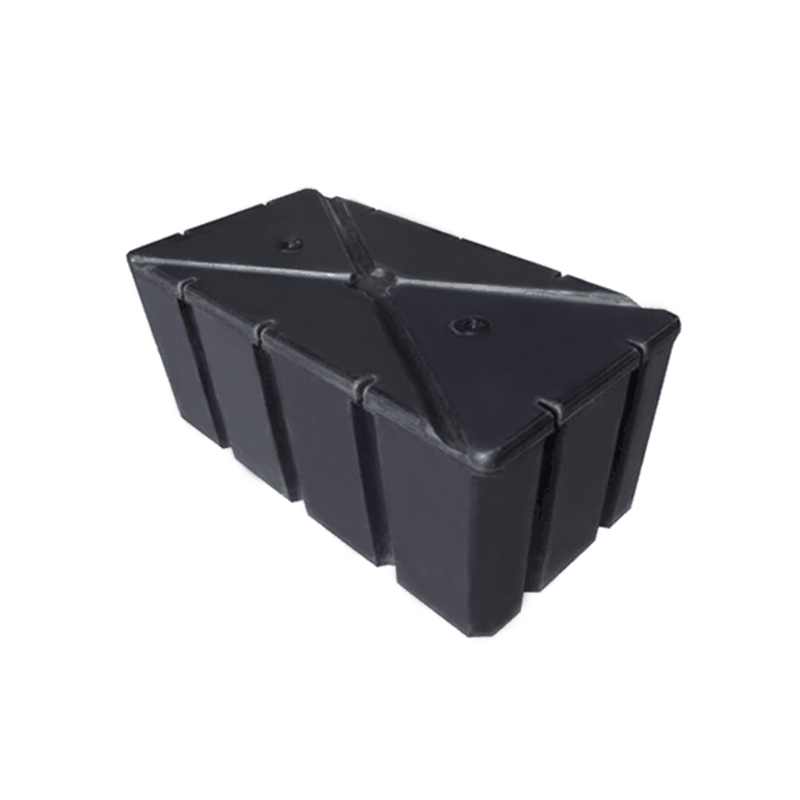
Square Rotomolding PE Floating Pontoon
-

Rotomolding LLDPE Floating Platform
-
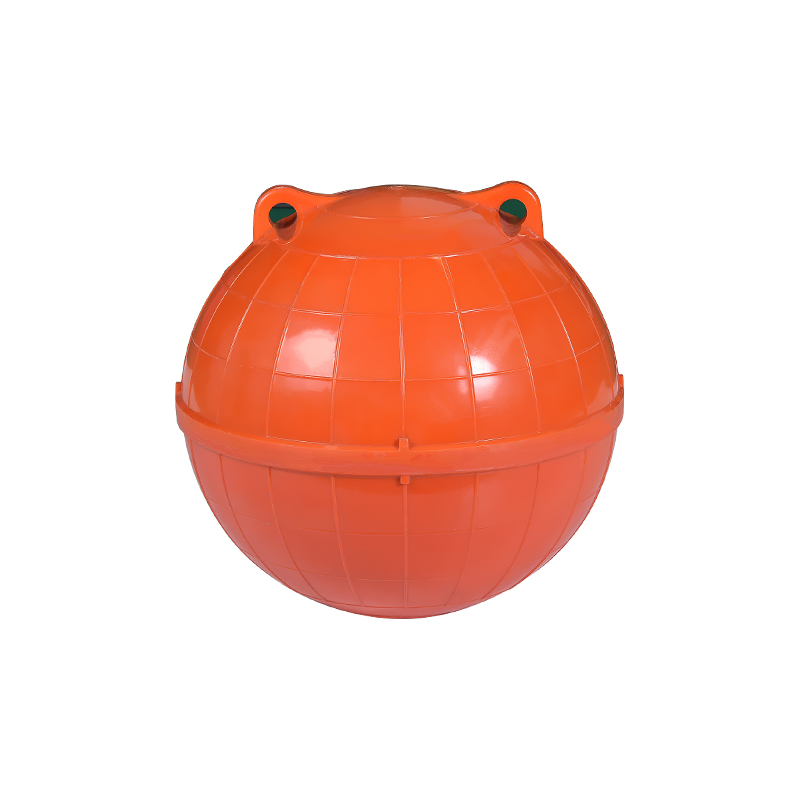
Durable 200mm ABS Rotational Molding Floating Balls
-
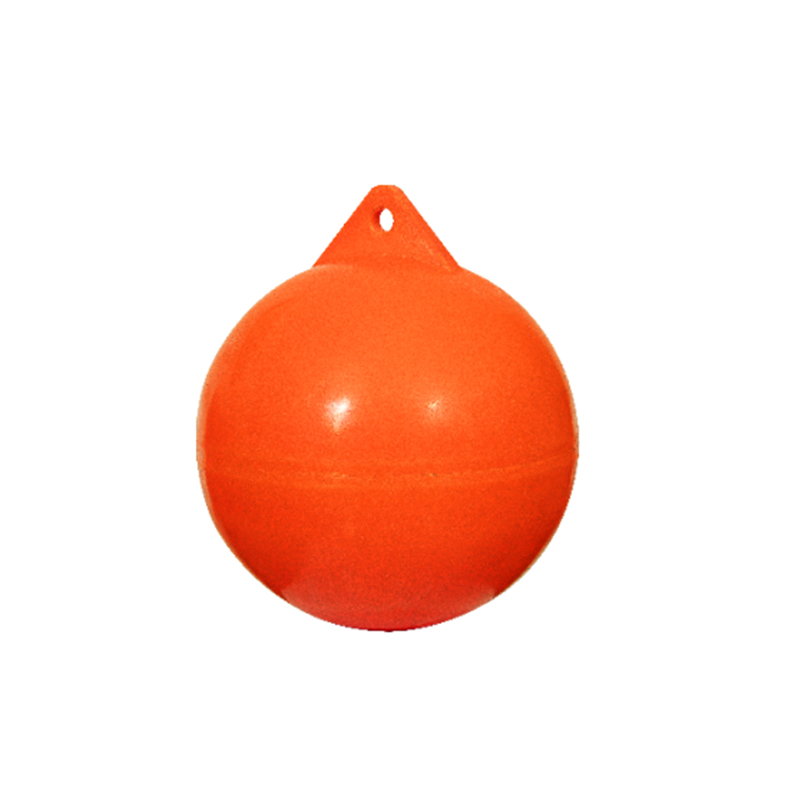
500mm Single Ear Rotomolding Floating Ball
-
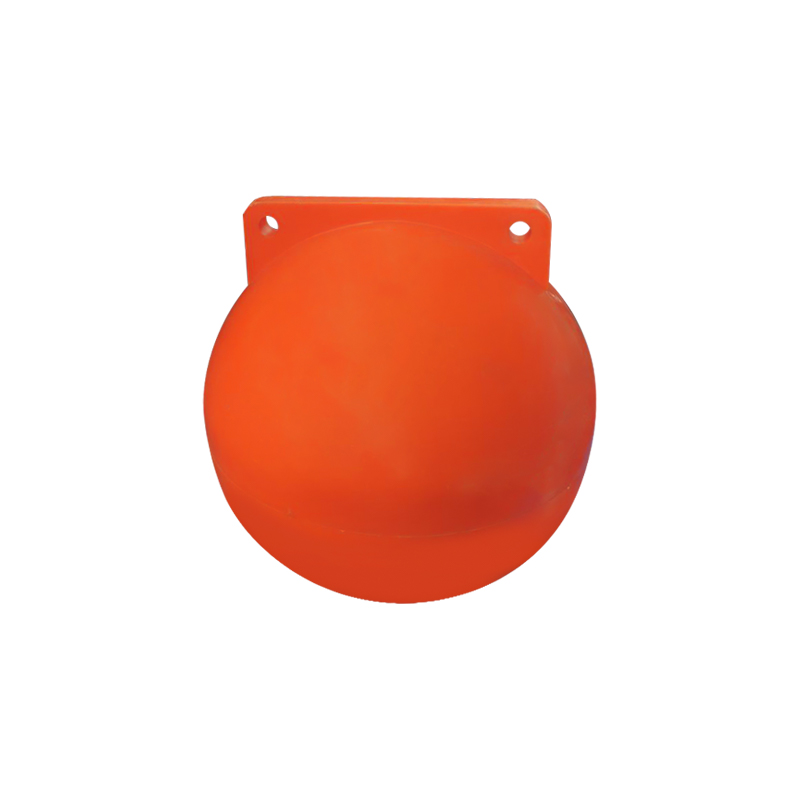
500mm Plastic Floating Ball LLDPE Warning Ball Floater
-
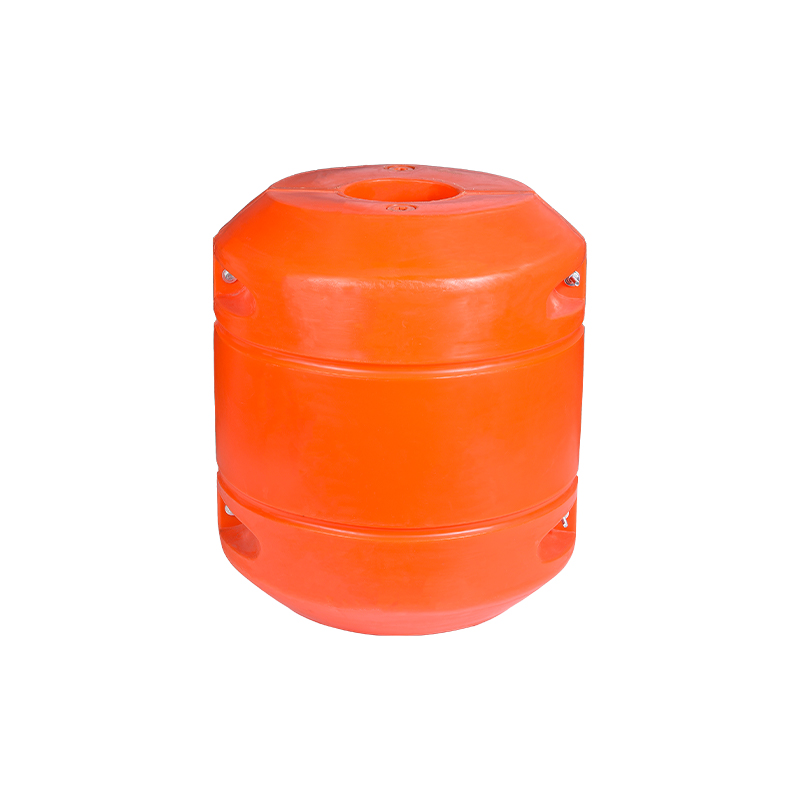
Warning Floating Dredging Pipe Pontoon
-
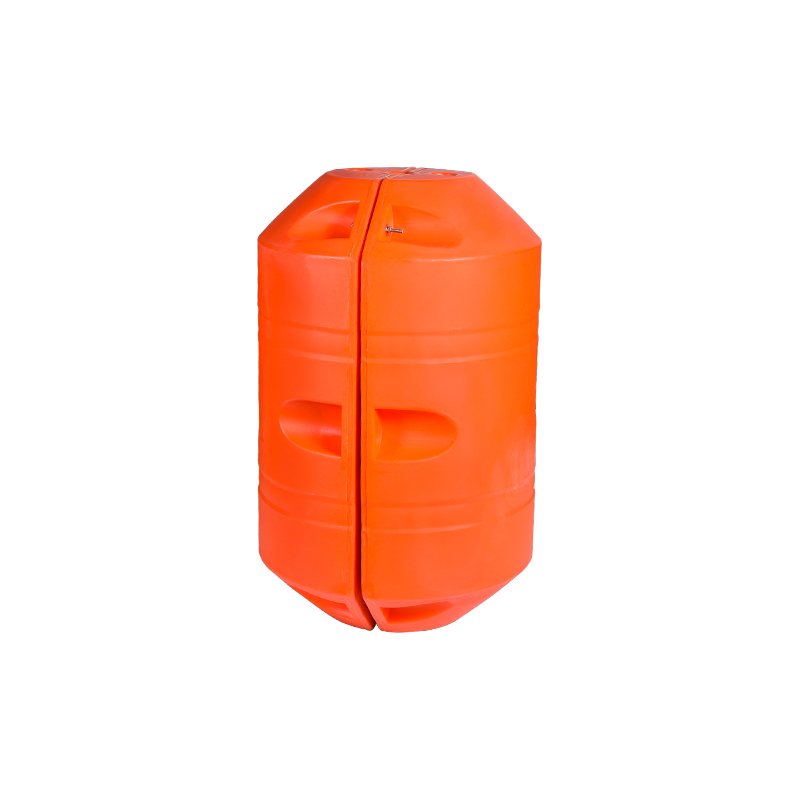
LLDPE Plastic Rotational Molding Dredge Pipe Float Pontoon
-
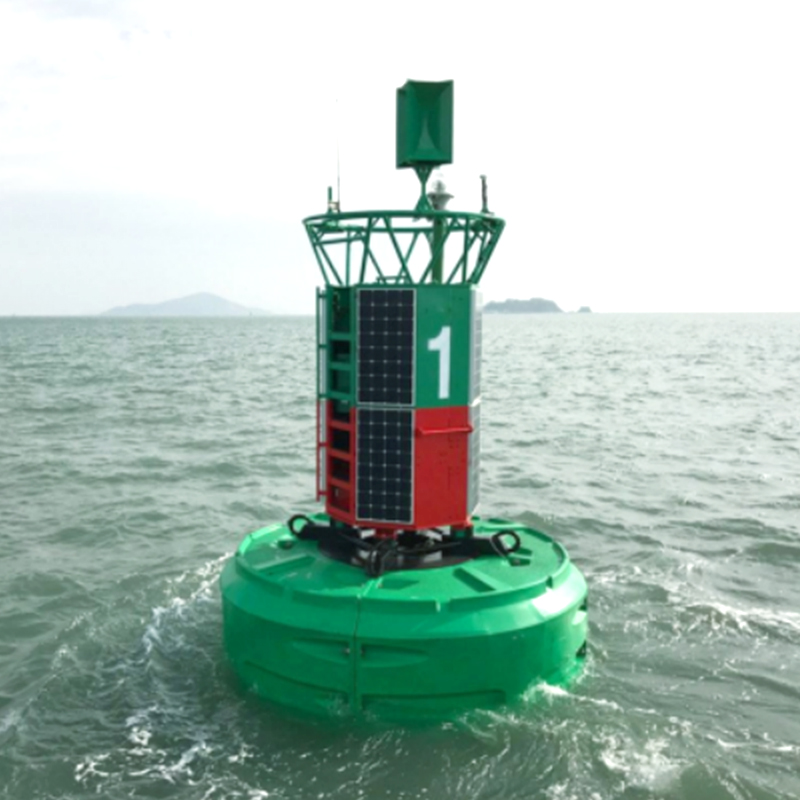
Marine Navigation Buoy/Warning Buoy
-
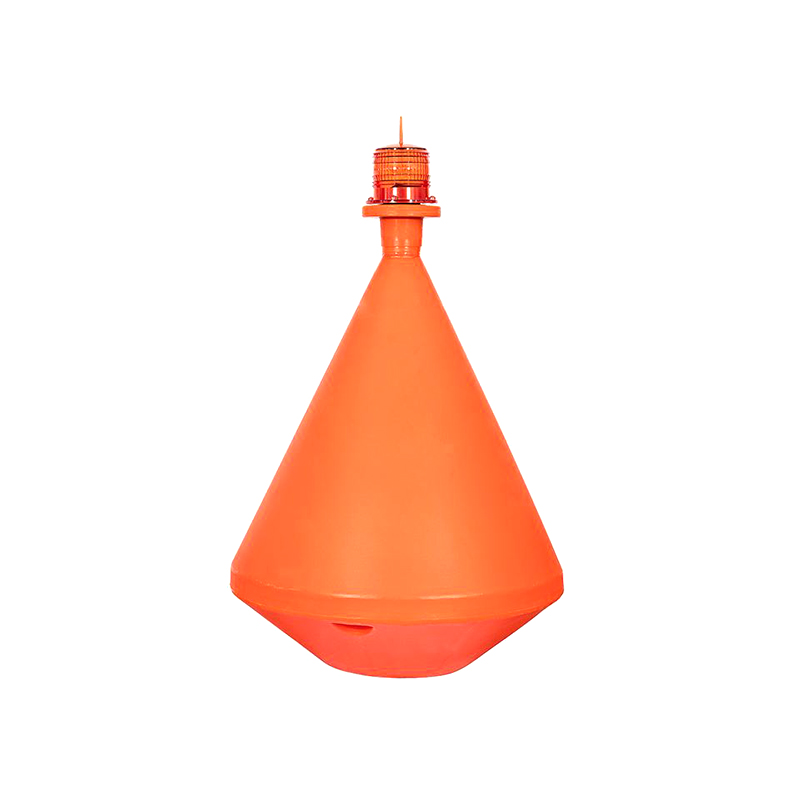
LLDPE Stationary Navigation Beacon Floating Buoy
-
Rotomolding Warning Float With EPS Filler
-
Rotomolding Anti-wave Buoy
-
LLDPE Dredging Sludge Rotomolded Floating Ring
-
650 Diameter Rotomolding Breeding Floating Pontoon
-
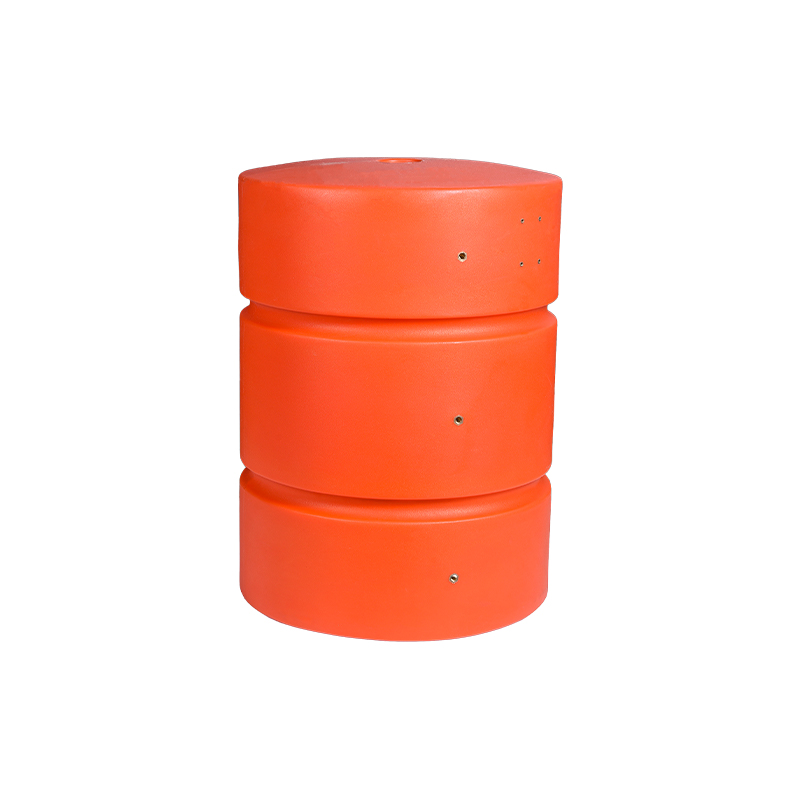
200 Diameter Rotomolding Sewage Retaining Float
-
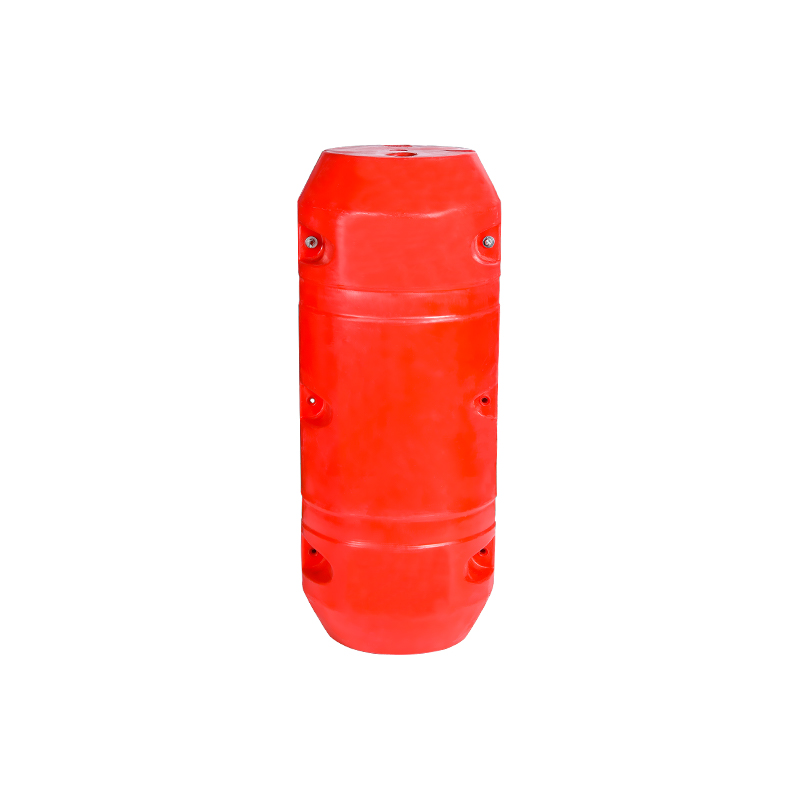
Rotational Molding Floating Body
-
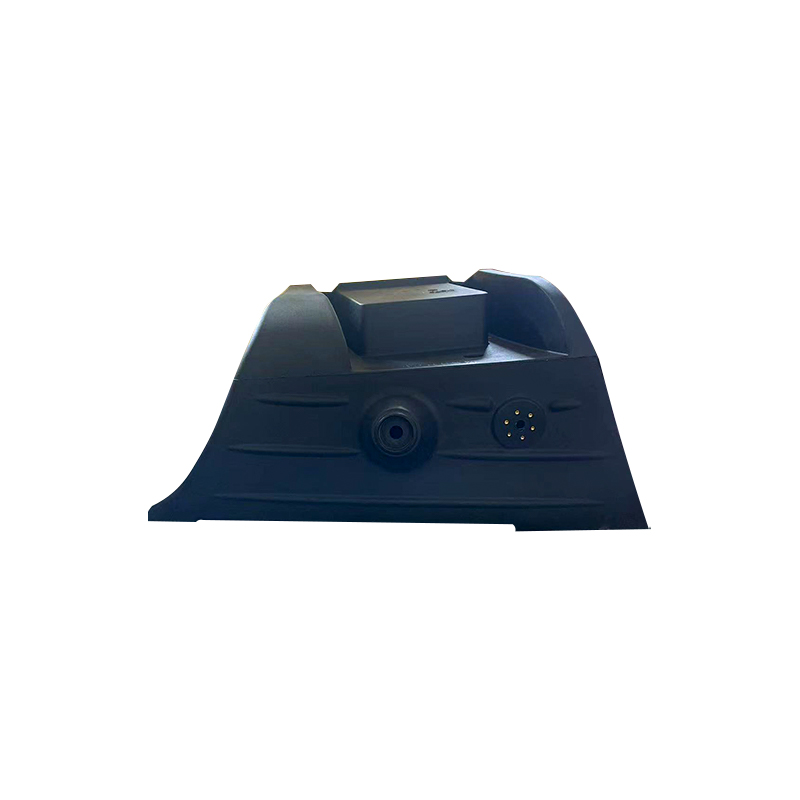
Rotomolding Plastic LLDPE Fuel Tank
-
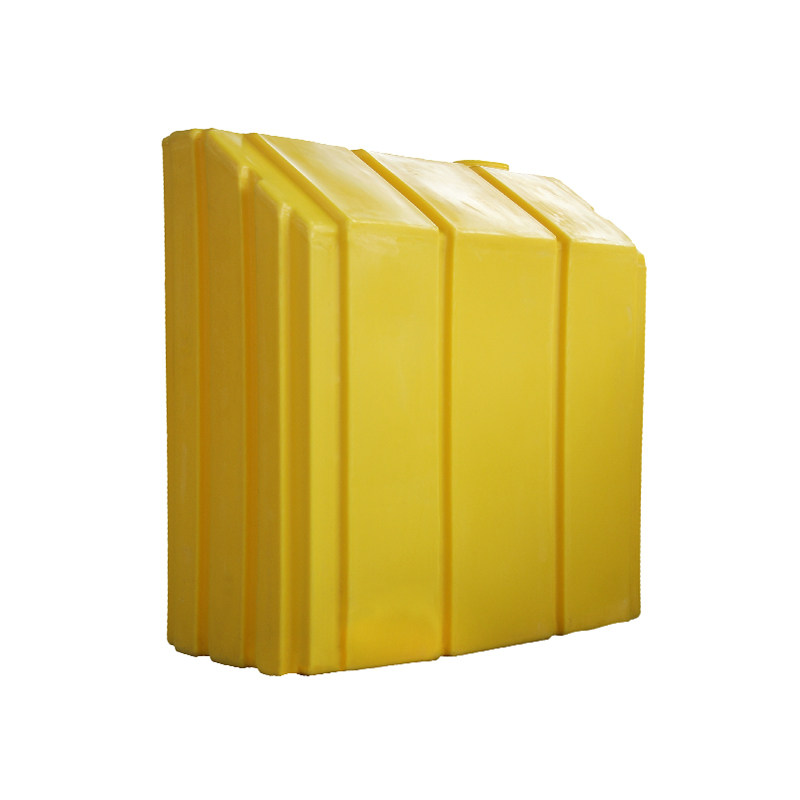
Rotomolding Plant Protection Water Tank
-
Rotomolding LLDPE RV Fresh Water Tank
QUICK CONTACT
-
 wuyuqiao village, Henghe Town, Cixi City, Zhejiang Province
-
 +86-15257871220
- +86 15924308271
-
 [email protected]
KEEP IN TOUCH
