

 English
 عربى
عربى
What Are the Key Benefits of Using a Rotomolding Floating Dock?
What Is a Rotomolding Floating Dock and How Does It Work?
A rotomolding floating dock is a type of dock constructed using rotational molding technology, which creates seamless, hollow, and highly durable structures. Unlike traditional wooden or steel docks, these docks are lightweight yet extremely strong, making them resistant to impacts, corrosion, and harsh weather conditions. Rotomolded docks float on water thanks to their buoyant, hollow design, providing a stable and safe surface for walking, boating, or recreational activities. The modular nature of these docks allows users to expand or customize the dock length and shape to suit specific waterfront layouts.
Rotomolding technology ensures that the dock surface is smooth and non-porous, preventing water absorption and algae growth. Additionally, these docks are designed to withstand UV rays, saltwater corrosion, and extreme temperatures, making them ideal for both residential and commercial applications. The process involves heating plastic inside a mold while rotating it slowly on multiple axes, resulting in a uniform, strong, and seamless structure. This construction method eliminates weak points found in other dock types, increasing longevity and reducing maintenance requirements.
How Do You Choose the Right Rotomolding Floating Dock for Your Waterfront?
Choosing the right rotomolding floating dock involves evaluating several factors, including water depth, dock length, expected load capacity, and environmental conditions. For calm lakes or rivers, a smaller, modular dock may suffice, while high-traffic commercial marinas require heavy-duty sections designed to handle more weight and repeated use. When selecting a dock, consider the material thickness and UV protection, as these influence both durability and lifespan.
Key Selection Criteria
It is important to select a dock that balances cost, durability, and functionality. Many suppliers offer customizable options in color, shape, and additional accessories, such as railing systems, ladders, or lighting for night use. Modular dock sections can be connected to expand the dock as needed, which is ideal for seasonal use or future expansion.
Table: Selection Considerations
| Factor | Recommendation |
|---|---|
| Water Conditions | Calm vs. rough water affects float size and anchoring |
| Load Capacity | Estimate maximum people or equipment weight on the dock |
| Modularity | Choose expandable sections for flexibility |
| Material & UV Protection | Ensure long-lasting performance in sunlight and saltwater |
What Are the Key Benefits of Using a Rotomolding Floating Dock?
Rotomolding floating docks provide unmatched durability, low maintenance, and versatility. The seamless, hollow design ensures longevity and eliminates cracks or leaks common in wooden or metal docks. These docks resist UV rays, chemical corrosion, and harsh weather conditions, making them ideal for long-term outdoor use. Additionally, they are lightweight and easy to install, reducing installation costs and downtime.
These docks also enhance waterfront usability, providing a safe and stable platform for boating, fishing, or swimming. Modular designs allow for customization of shape and size, enabling users to create walkways, floating platforms, or marina configurations. Compared to traditional docks, rotomolded docks require minimal maintenance, as they resist algae buildup, rot, and rust.
How Durable Are Rotomolding Floating Docks in Extreme Weather Conditions?
Rotomolding floating docks are engineered to withstand extreme weather, including heavy rain, strong winds, and freezing temperatures. The HDPE or polyethylene materials used are naturally impact-resistant, absorbing shocks from floating debris or boat collisions without cracking. Their buoyancy allows them to rise and fall with water level fluctuations, preventing structural stress caused by ice or storm surges.
Durability Features
| Feature | Benefit |
|---|---|
| HDPE Material | Resistant to UV, corrosion, and chemical exposure |
| Seamless Construction | Prevents water leakage and structural failure |
| Impact Absorption | Withstands collisions from boats and debris |
Can a Rotomolding Floating Dock Be Customized to Fit Specific Sizes and Shapes?
Yes, rotomolding floating docks are highly modular and customizable. Sections can be connected in multiple configurations, creating L-shaped, U-shaped, or rectangular layouts. Custom colors, textures, and accessories such as ladders, railings, and cleats are also available. This flexibility allows dock owners to optimize their waterfront space for recreational use, commercial operations, or industrial applications.
Modular design ensures easy replacement of individual sections if damaged, without replacing the entire dock. Users can expand their dock over time as needs change, making rotomolding floating docks suitable for growing commercial marinas or evolving residential waterfronts.
What Materials Are Used in Rotomolding Floating Docks and Why Are They Ideal?
Rotomolding floating docks are primarily made from high-density polyethylene (HDPE) or polyethylene. These materials are chosen for their combination of strength, durability, UV resistance, and environmental safety. Unlike treated wood, HDPE does not rot, splinter, or leach harmful chemicals into the water. Unlike metal docks, it is corrosion-resistant and unaffected by saltwater exposure. The material’s lightweight nature simplifies transportation, installation, and modular expansion.
Additionally, HDPE can be colored during production, offering customization options without additional paint or coating, which may wear off over time. The seamless rotomolding process enhances the dock’s structural integrity and ensures a long lifespan, often exceeding 20 years.
How Easy Is It to Install and Maintain a Rotomolding Floating Dock?
Installation of rotomolding floating docks is straightforward, as they are lightweight and modular. Sections can be assembled on-site with minimal equipment and labor, significantly reducing installation costs compared to heavy timber or steel docks. Maintenance is minimal because the smooth HDPE surface prevents algae growth and accumulation of debris. Occasional cleaning with water and mild detergent is typically sufficient to maintain a clean and safe surface.
Are Rotomolding Floating Docks Eco-Friendly and Safe for Marine Environments?
Yes, rotomolding docks are environmentally friendly. They are made from non-toxic HDPE, which does not leach harmful chemicals into water bodies. Their lightweight design reduces the need for extensive anchoring systems, minimizing disturbance to aquatic habitats. Some manufacturers also offer docks made from recycled plastics, further reducing environmental impact. These docks are safe for marine life, while still providing a functional platform for human activities such as boating, fishing, and swimming.
How Do Rotomolding Floating Docks Compare to Traditional Wooden or Steel Docks?
Rotomolding floating docks offer several advantages over traditional docks. Compared to wooden docks, they are resistant to rot, algae, splinters, and pests. Compared to steel docks, they do not rust or corrode and are easier to handle and install. Additionally, rotomolded docks are modular, lightweight, and customizable, offering more design flexibility than traditional docks. Overall, they provide superior longevity, lower maintenance, and reduced long-term costs.
What Are the Most Common Applications for Rotomolding Floating Docks in Commercial and Residential Settings?
Rotomolding floating docks are widely used in both residential and commercial settings. Residential homeowners often install them for private waterfront access, swimming platforms, or recreational boating. Commercial applications include marina docks, floating walkways, water parks, fishing piers, and industrial floating platforms. Their modular and durable design makes them adaptable for temporary events, seasonal use, or permanent installations. Their versatility, low maintenance, and environmental safety make them an ideal solution for a variety of waterfront applications.
FAQ
How long does a rotomolding floating dock last?
With proper care, rotomolding floating docks can last 20–30 years, depending on environmental conditions.
Can I expand or reconfigure my dock later?
Yes, modular sections allow for expansion or reconfiguration to fit changing needs.
Are these docks suitable for heavy commercial use?
Absolutely. They are designed for both residential and commercial applications, including marinas and industrial platforms.
Do rotomolding docks require special installation equipment?
Most docks are lightweight and modular, allowing easy installation with minimal tools or professional assistance.
References
- American Boat & Yacht Council – Marine Dock Construction Guidelines
- Journal of Marine Engineering – Durable Floating Dock Materials
- Rotomolding Association – Rotational Molding Technology Overview
- Waterfront Management Handbook – Environmental and Safety Practices
Related Products
-
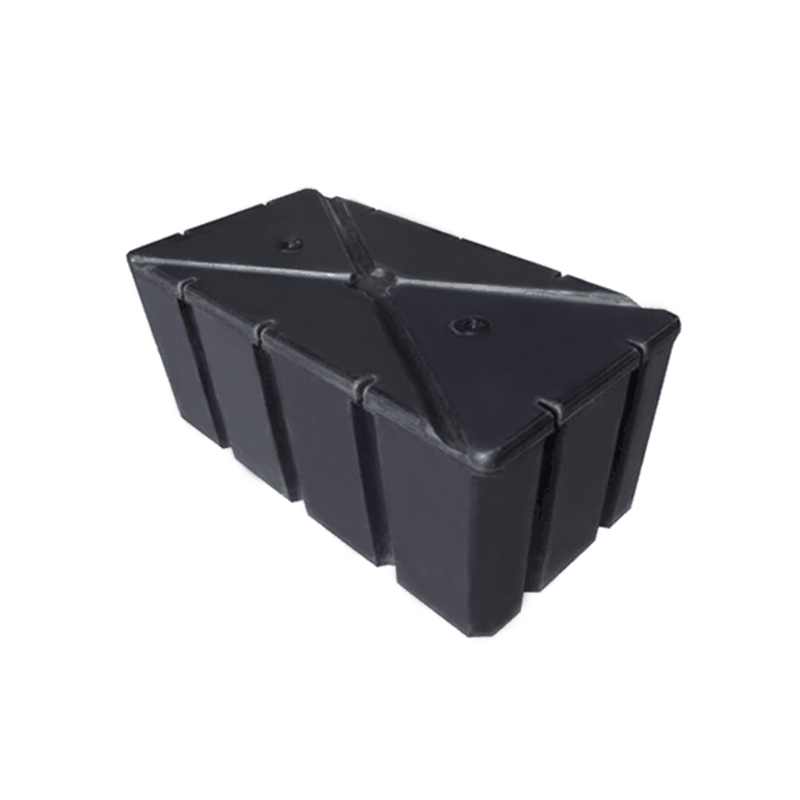
Square Rotomolding PE Floating Pontoon
-
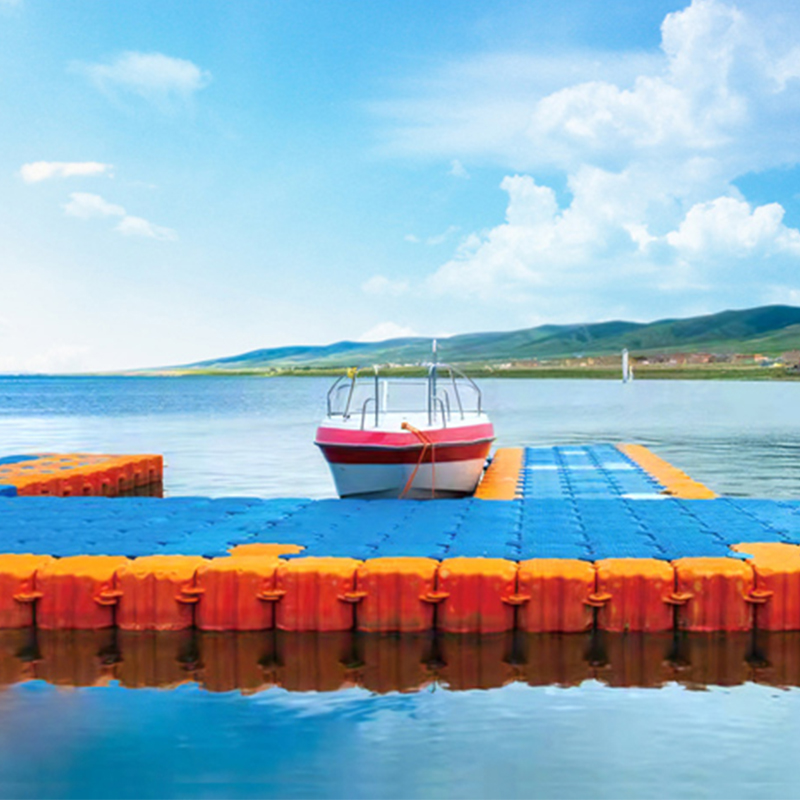
Rotomolding LLDPE Floating Platform
-
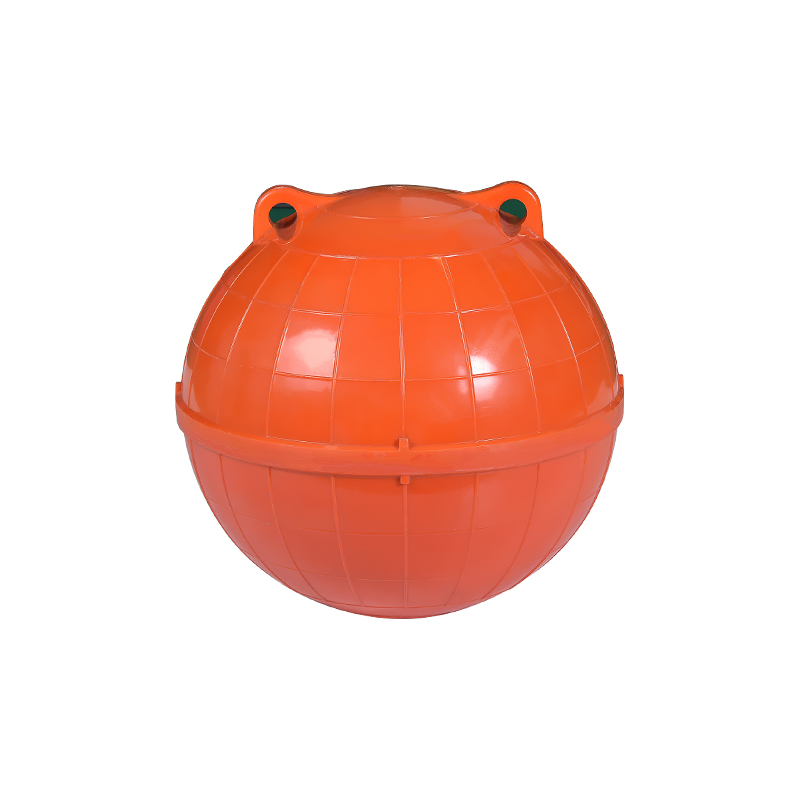
Durable 200mm ABS Rotational Molding Floating Balls
-
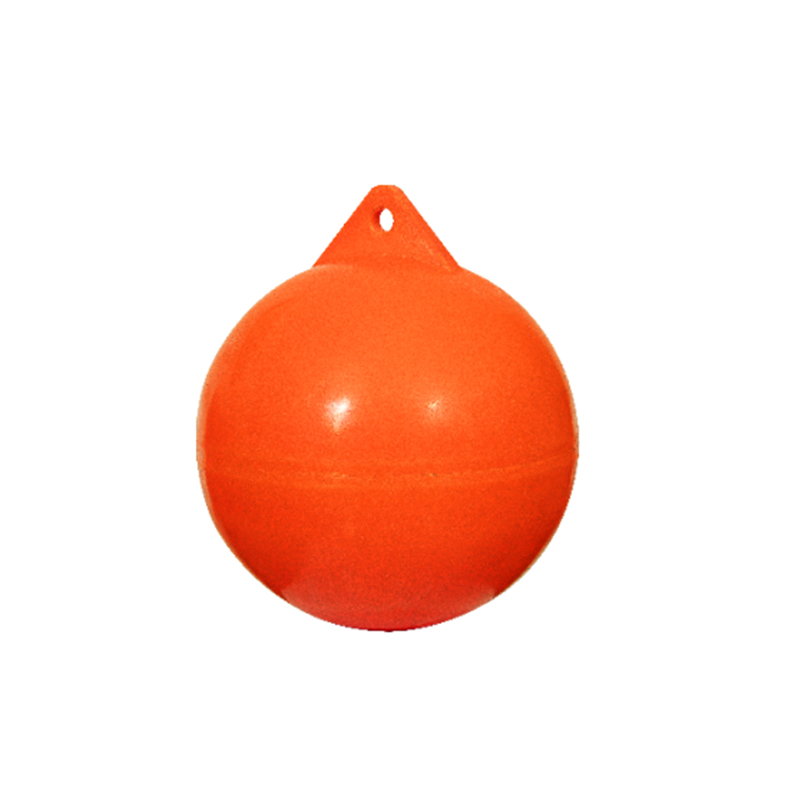
500mm Single Ear Rotomolding Floating Ball
-
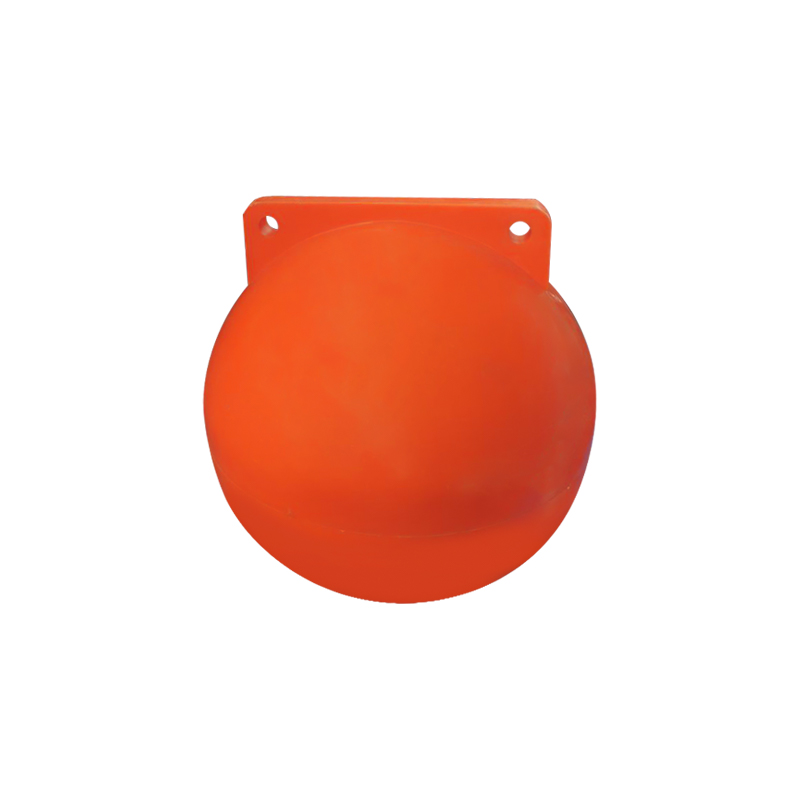
500mm Plastic Floating Ball LLDPE Warning Ball Floater
-
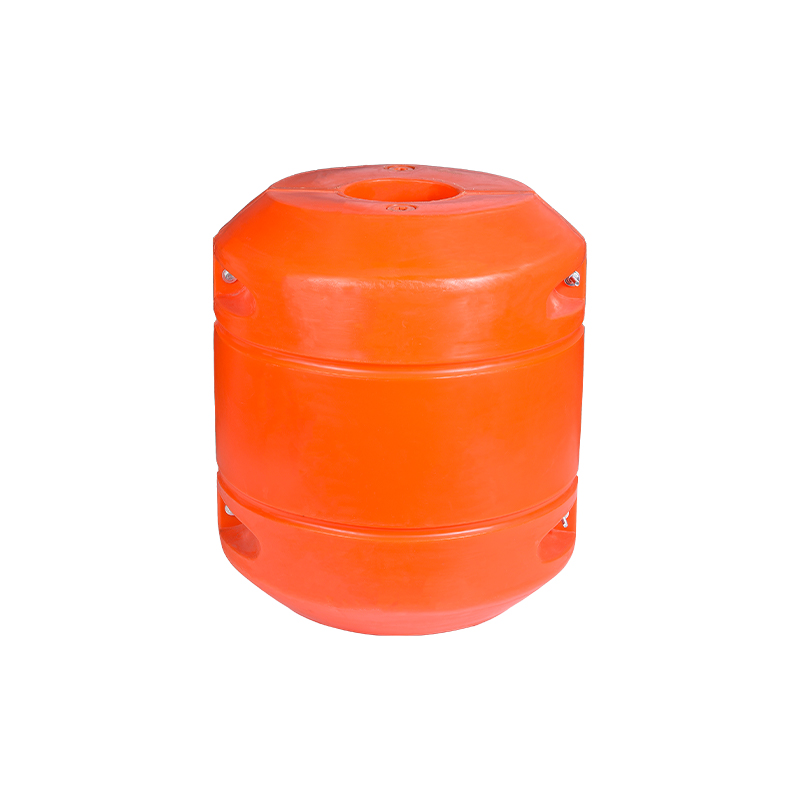
Warning Floating Dredging Pipe Pontoon
-
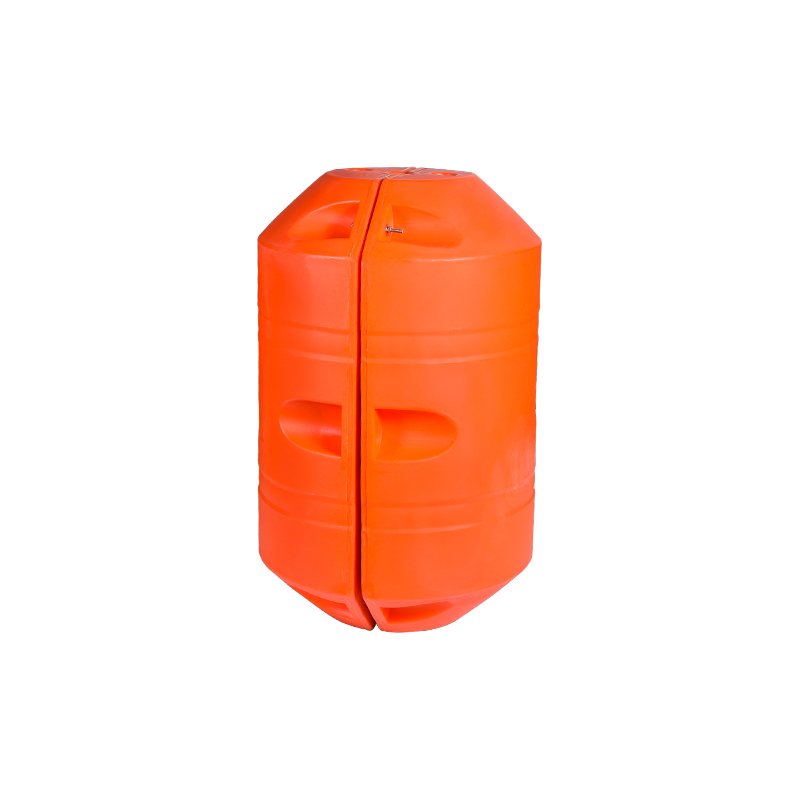
LLDPE Plastic Rotational Molding Dredge Pipe Float Pontoon
-
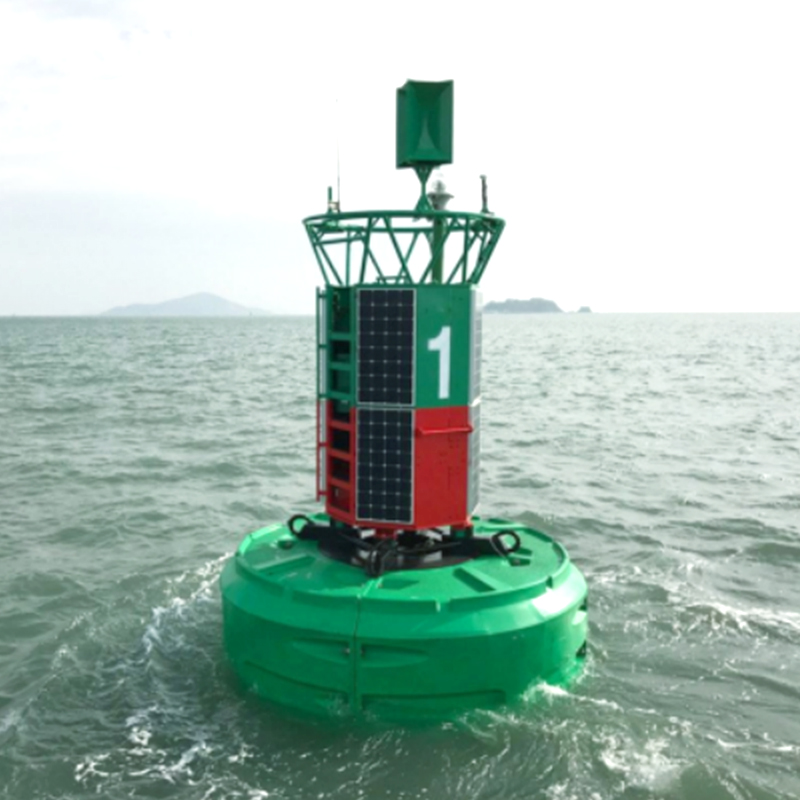
Marine Navigation Buoy/Warning Buoy
-
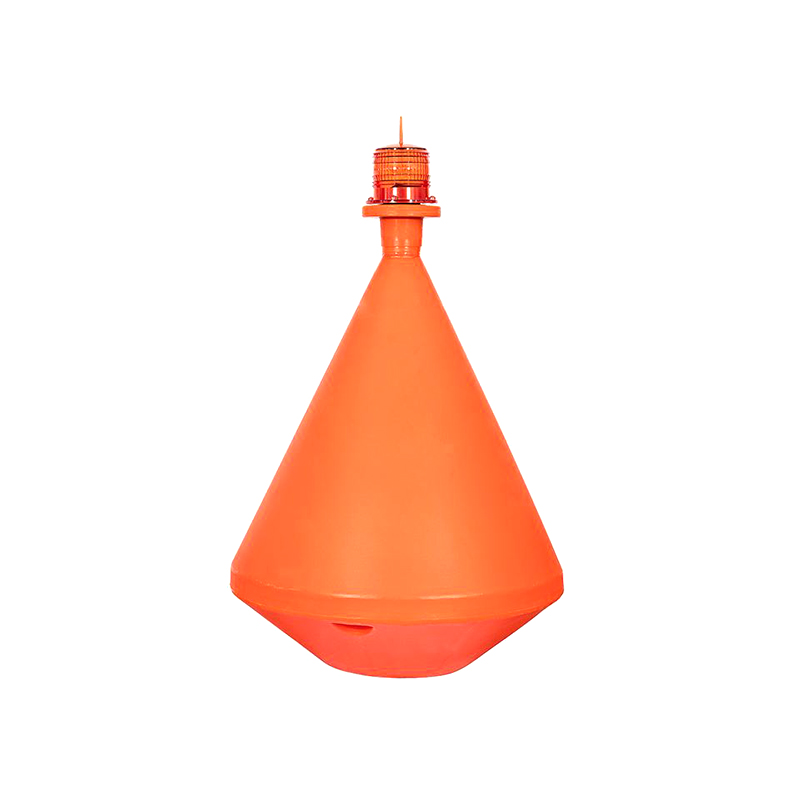
LLDPE Stationary Navigation Beacon Floating Buoy
-
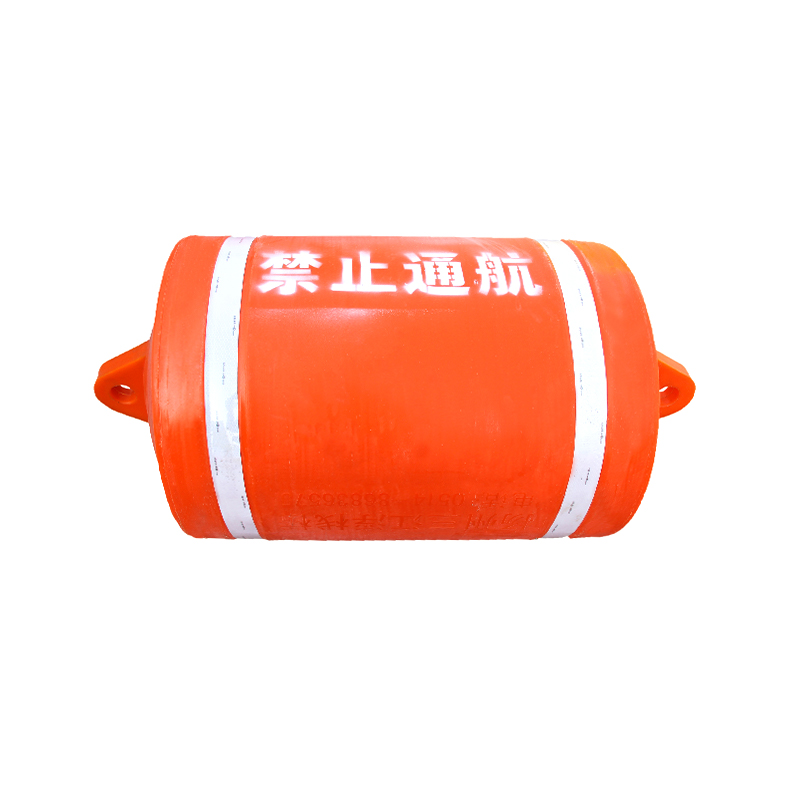
Rotomolding Warning Float With EPS Filler
-
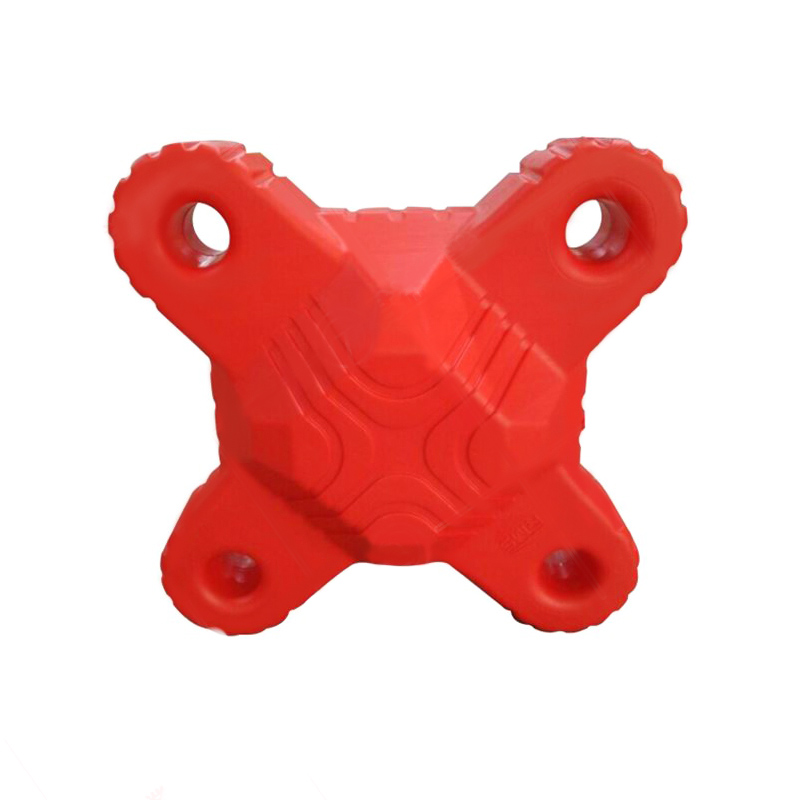
Rotomolding Anti-wave Buoy
-
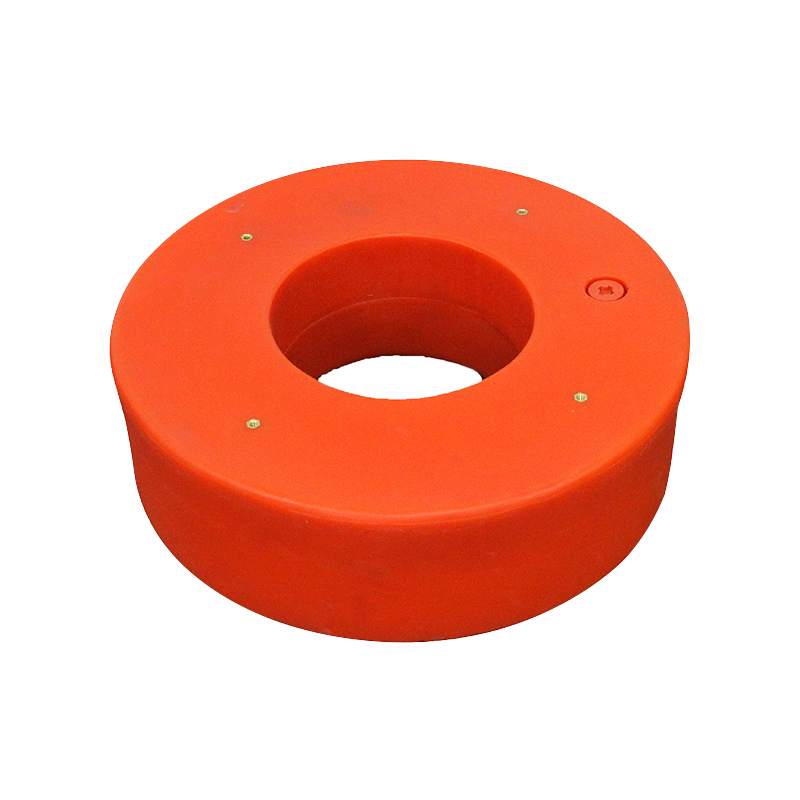
LLDPE Dredging Sludge Rotomolded Floating Ring
-
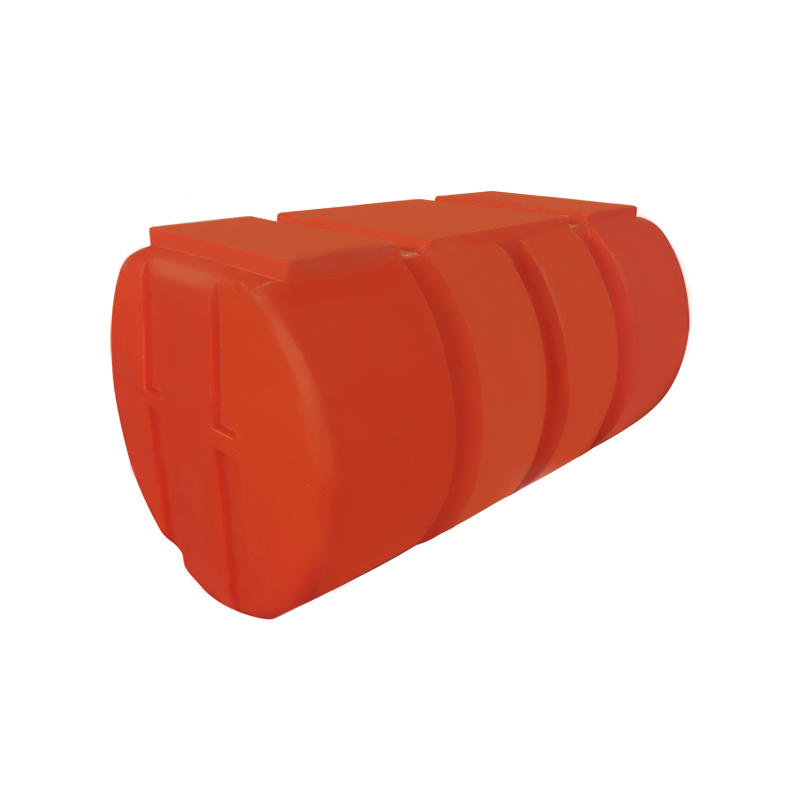
650 Diameter Rotomolding Breeding Floating Pontoon
-
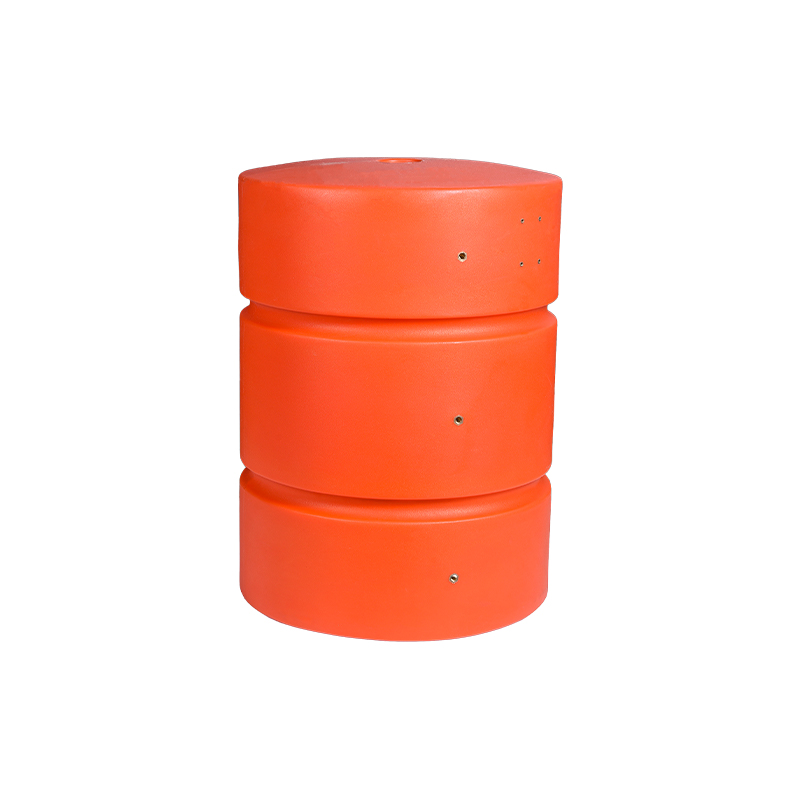
200 Diameter Rotomolding Sewage Retaining Float
-
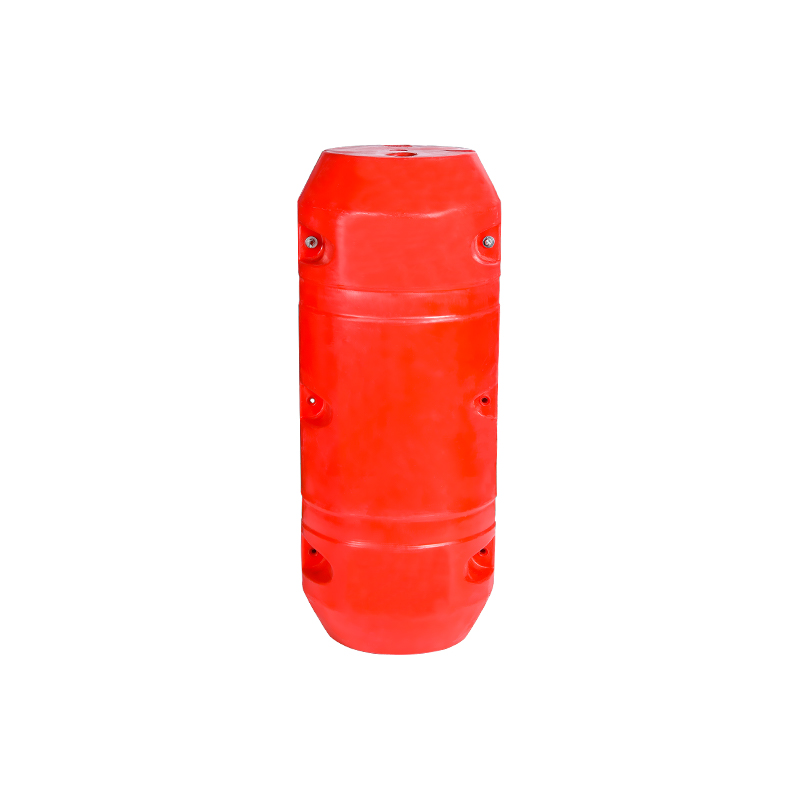
Rotational Molding Floating Body
-
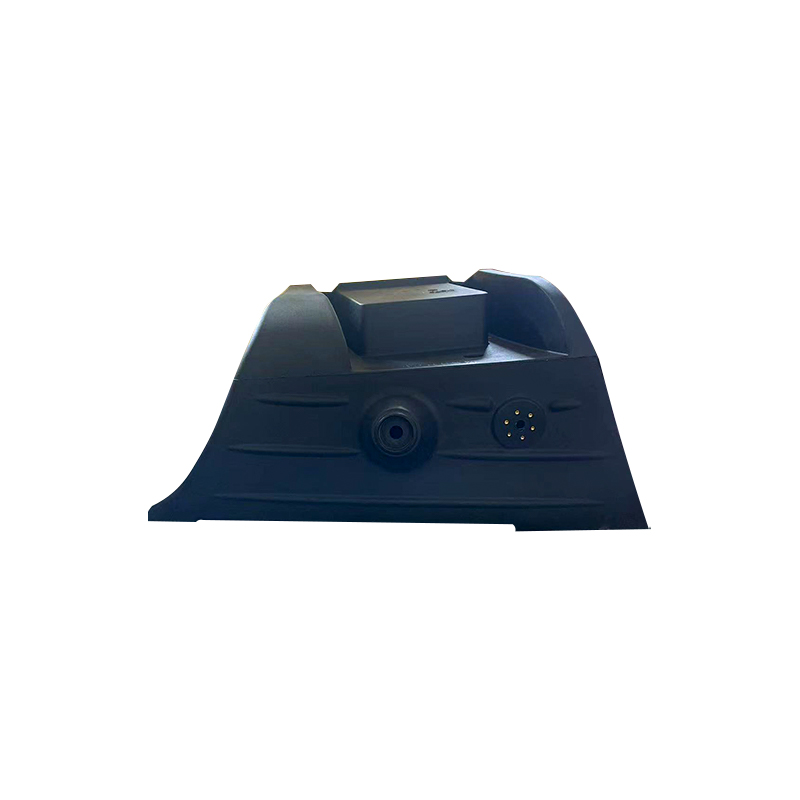
Rotomolding Plastic LLDPE Fuel Tank
-
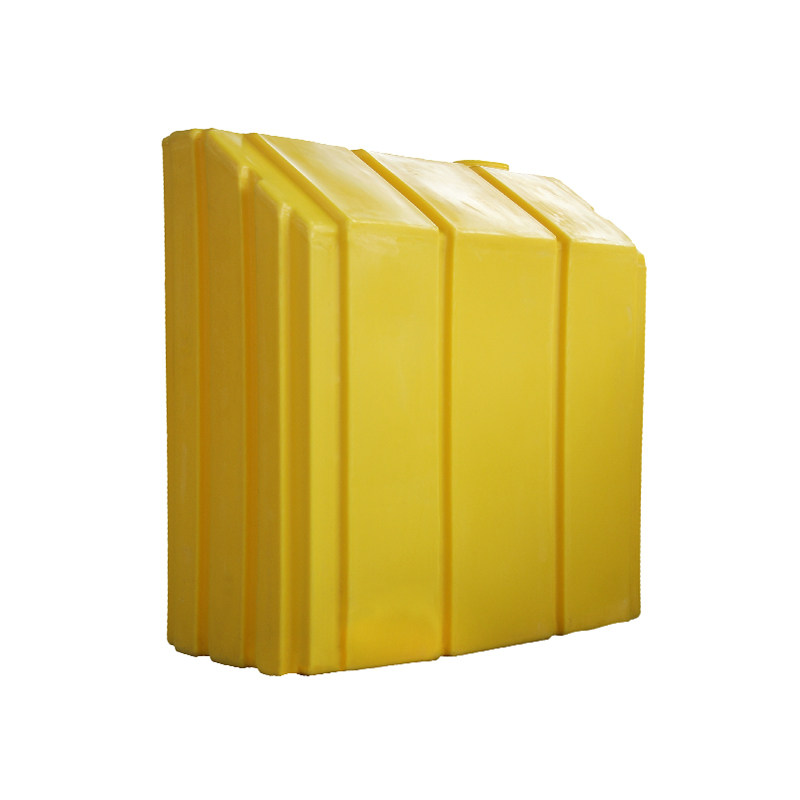
Rotomolding Plant Protection Water Tank
-
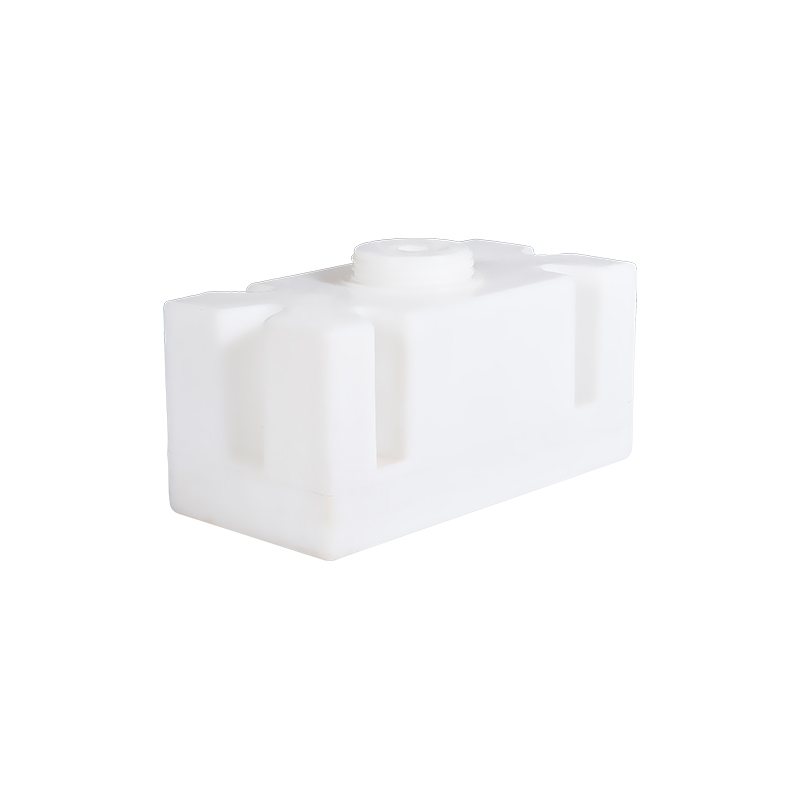
Rotomolding LLDPE RV Fresh Water Tank
QUICK CONTACT
-
 wuyuqiao village, Henghe Town, Cixi City, Zhejiang Province
-
 +86-15257871220
- +86 15924308271
-
 [email protected]
KEEP IN TOUCH
