

 English
 عربى
عربى
What Is a Rotomolded Cone Bottom Funnel and How Is It Made?
The Direct Answer: What a Rotomolded Cone Bottom Funnel Is
A rotomolded cone bottom funnel is a seamless polyethylene storage tank with a conical (angled) base that funnels material toward a single outlet, allowing near-complete gravity drainage of liquids, powders, or granular materials without the residue buildup common in flat-bottom tanks. It is manufactured through rotational molding — a process that melts and fuses powdered plastic resin evenly across a rotating mold — producing a one-piece structure with no seams at the critical junction between the cylindrical body and the cone base, which is typically the weakest point in tanks assembled from separate parts.
Why the Cone Bottom Design Matters
Complete Gravity Drainage
Unlike a flat-bottom tank, where material settles unevenly and often leaves several inches of unusable residue at the base, a cone bottom directs everything toward a single low point at the outlet. This design can reduce leftover, undrainable product to a small fraction of what remains in a comparable flat-bottom tank, which matters significantly when storing high-value chemicals, seed, or blended fertilizers where waste has a direct cost impact.
Common Cone Angles
Cone bottom funnels typically come in 30°, 45°, or 60° angles measured from horizontal. Steeper angles (60°) drain more aggressively and suit thicker or stickier materials, while shallower angles (30°) maximize usable storage volume for free-flowing liquids or dry granules. Choosing the wrong angle for a given material's flow characteristics is one of the most common sizing mistakes buyers make.
How a Rotomolded Cone Bottom Funnel Is Made: Step by Step
The manufacturing process follows the same core rotational molding stages used for other rotomolded products, adapted to produce the tank's distinct cylindrical-to-cone shape in one continuous piece.
- Mold Design: A hollow aluminum mold is machined in the exact combined shape of the cylindrical body and conical base, since the seamless design requires the entire tank to form as a single unit inside one mold cavity.
- Resin Loading: A precisely weighed charge of powdered polyethylene resin — commonly linear low-density polyethylene (LLDPE) or cross-linked polyethylene (XLPE) for chemical resistance — is loaded into the sealed mold.
- Heating and Biaxial Rotation: The mold rotates on two perpendicular axes inside an oven heated to roughly 260-370°C (500-700°F), allowing gravity to spread the melting resin evenly across every interior surface, including the tapered cone section.
- Controlled Cooling: The mold continues rotating at reduced speed while cooling gradually with air or a fine water mist, preventing warping — a particular risk at the cone-to-cylinder transition where wall geometry changes.
- De-Molding and Trimming: Once cooled, the mold opens and the tank shell is removed, trimmed of flash material, and inspected for surface defects.
- Fitting and Outlet Installation: The outlet at the cone's apex is machined and fitted with a bulkhead fitting or flanged valve connection, along with any additional ports for fill lines, vents, or level sensors.
Why the Transition Zone Is the Hardest Part to Mold Correctly
The point where the cylindrical body meets the conical base is the most geometrically complex part of the tank, and it's where wall thickness is most likely to become uneven if the molding cycle isn't properly tuned. Resin naturally tends to pool more heavily in the narrower cone section during rotation, so manufacturers must carefully calibrate rotation speed ratios and oven dwell time to prevent excess buildup at the apex or thin spots higher up the cone wall. A well-molded transition zone shows consistent wall thickness throughout, while a poorly controlled cycle can leave this critical structural area vulnerable to stress cracking under load.
Material Options and Their Impact on Performance
| Resin Type | Key Property | Best For |
|---|---|---|
| LLDPE (Standard) | Good impact resistance, cost-effective | Water, fertilizer, general storage |
| XLPE (Cross-Linked) | Superior chemical resistance, stress-crack resistance | Aggressive chemicals, acids, industrial fluids |
| Natural/FDA-Grade PE | Food-safe, low leaching | Food-grade liquids, seed, potable water |
XLPE tanks generally command a higher price than standard LLDPE but offer significantly better resistance to stress cracking under sustained chemical exposure, making the material upgrade worthwhile for tanks storing corrosive or reactive substances long-term.
Quality Checks Before a Tank Ships
Reputable manufacturers subject finished cone bottom funnels to several verification steps before delivery:
- Wall Thickness Measurement: Checked at multiple points, especially around the cone transition zone, to confirm uniformity.
- Pressure/Leak Testing: The outlet fitting and tank body are tested to confirm a watertight seal under normal operating pressure.
- Visual Surface Inspection: Checks for bubbles, discoloration from overheating, or pinholes that indicate incomplete resin fusion.
- Load/Stand Testing: Confirms the tank and its stand or legs support the rated full-capacity weight without deformation.
A rotomolded cone bottom funnel is defined by its seamless, one-piece construction and angled base, produced through a heating and biaxial rotation process that fuses resin evenly across the entire tank — including the geometrically challenging cone-to-cylinder transition zone. This manufacturing method is what gives cone bottom funnels their key advantage over flat-bottom or multi-piece tanks: near-total drainage with no seams to leak or crack over time. When sourcing one, checking resin grade, wall thickness consistency at the transition zone, and pressure test results will tell you more about long-term reliability than capacity or price alone.
Related Products
-
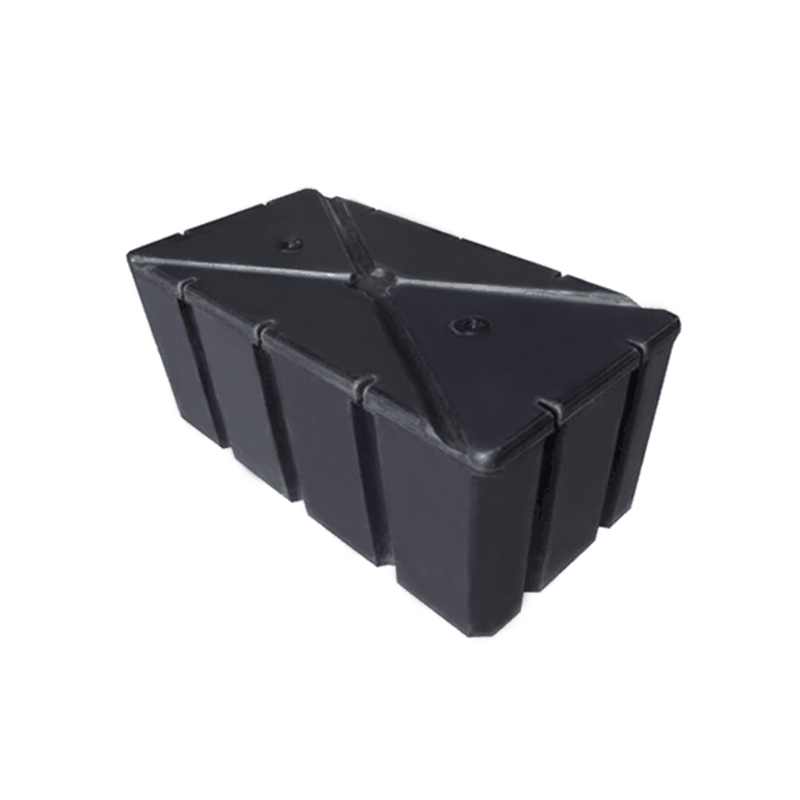
Square Rotomolding PE Floating Pontoon
-

Rotomolding LLDPE Floating Platform
-
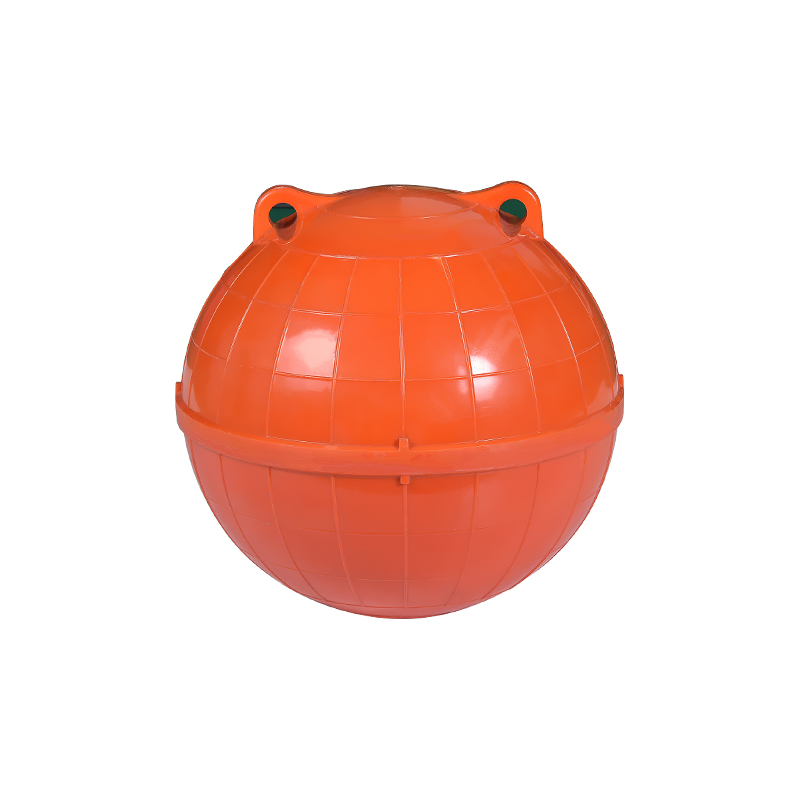
Durable 200mm ABS Rotational Molding Floating Balls
-
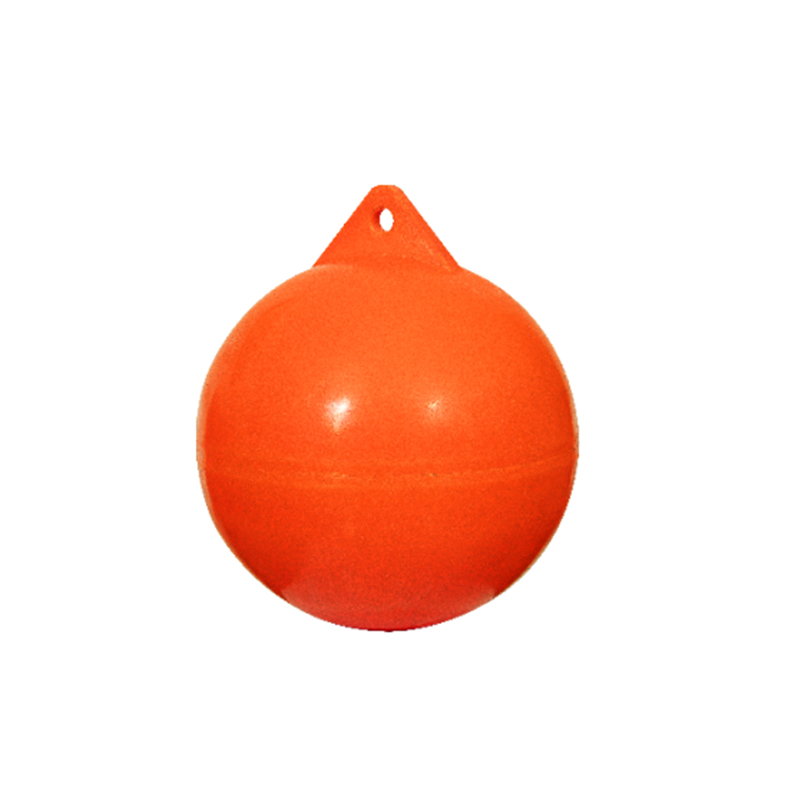
500mm Single Ear Rotomolding Floating Ball
-
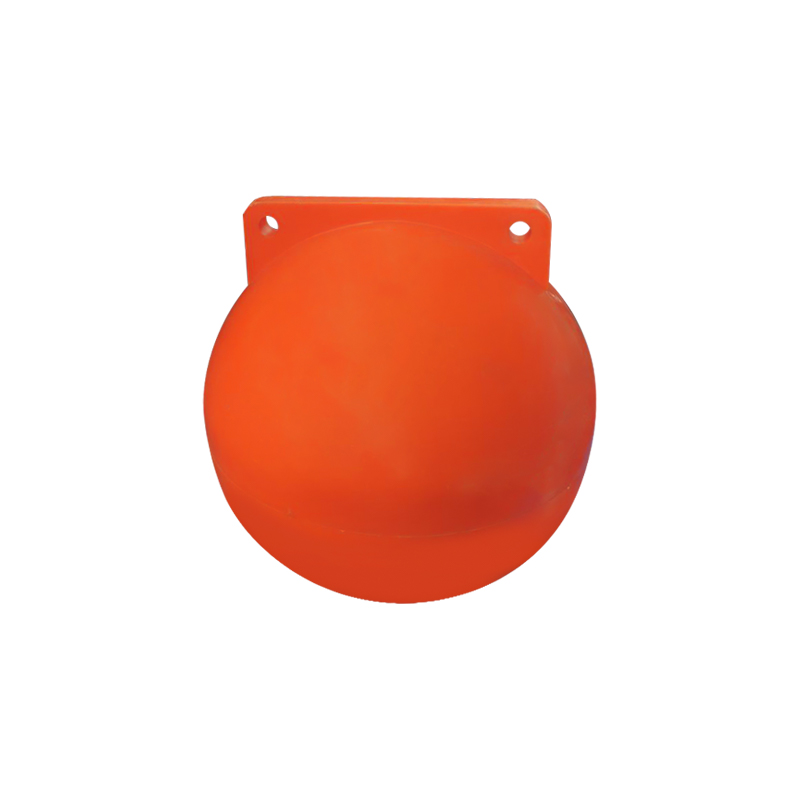
500mm Plastic Floating Ball LLDPE Warning Ball Floater
-
Warning Floating Dredging Pipe Pontoon
-
LLDPE Plastic Rotational Molding Dredge Pipe Float Pontoon
-
Marine Navigation Buoy/Warning Buoy
-
LLDPE Stationary Navigation Beacon Floating Buoy
-
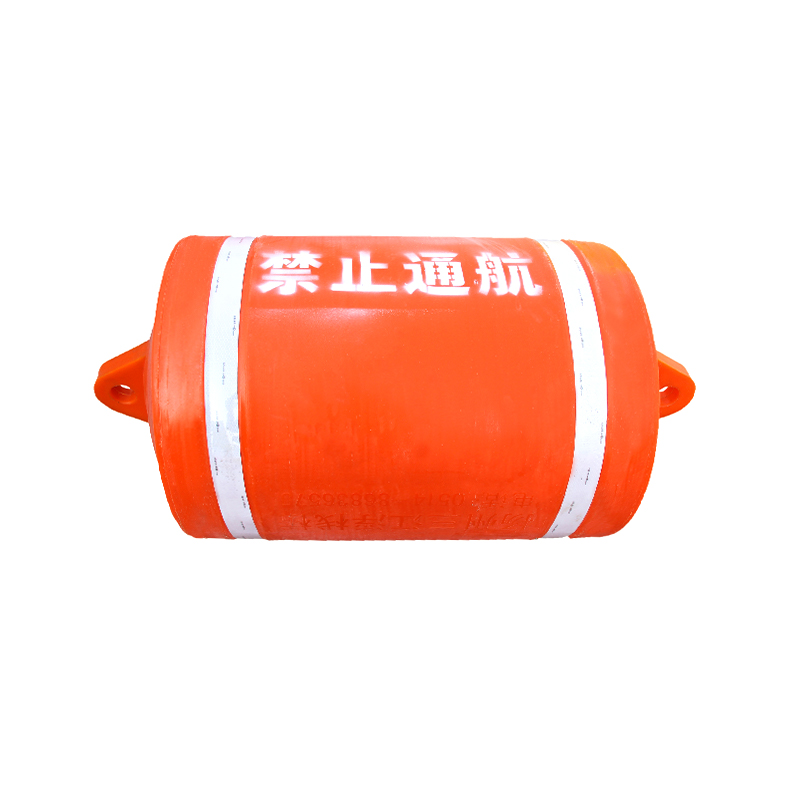
Rotomolding Warning Float With EPS Filler
-
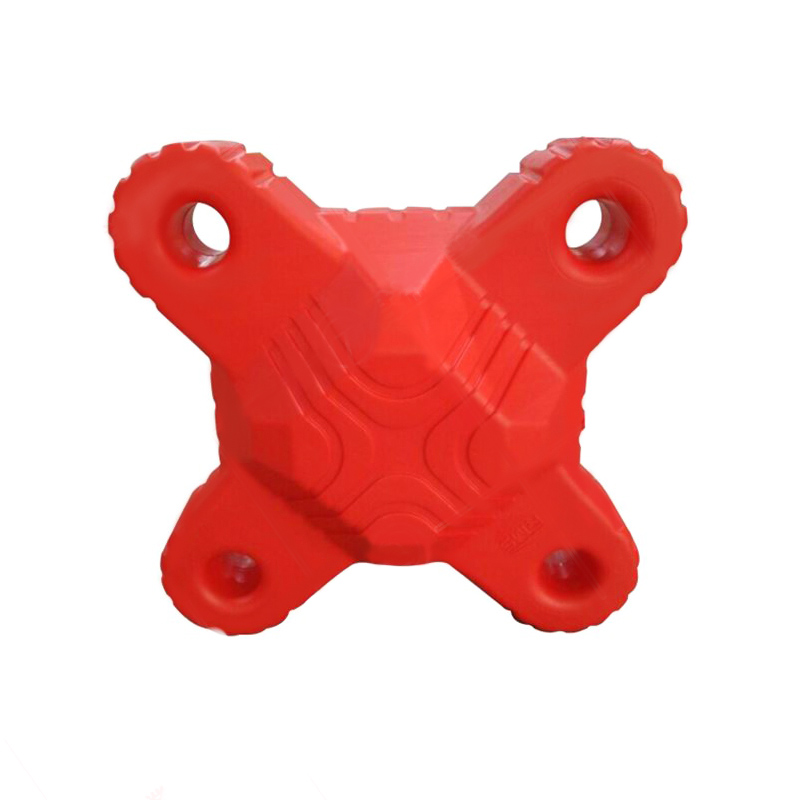
Rotomolding Anti-wave Buoy
-
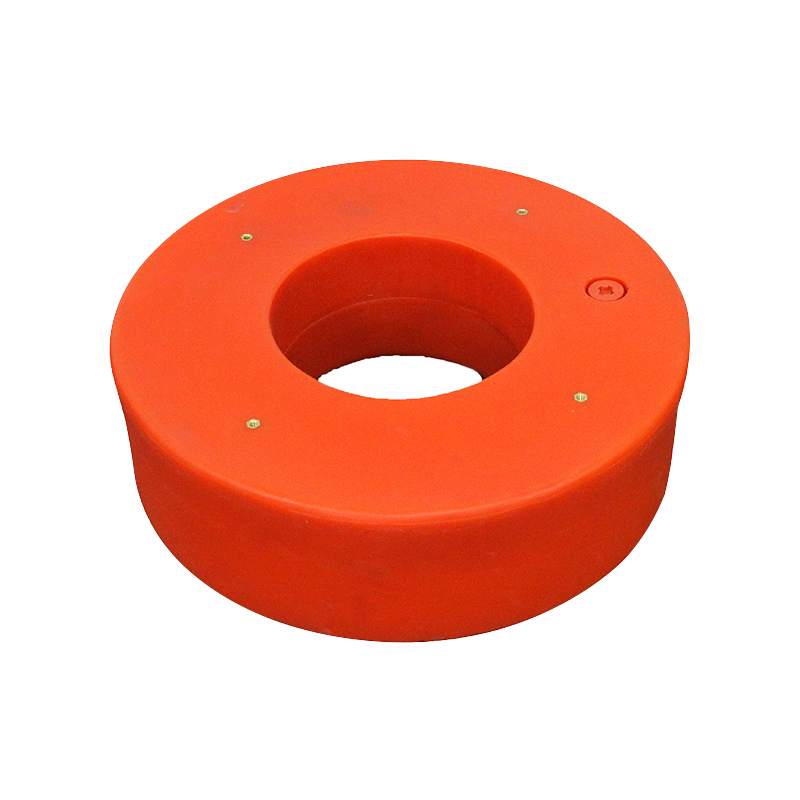
LLDPE Dredging Sludge Rotomolded Floating Ring
-
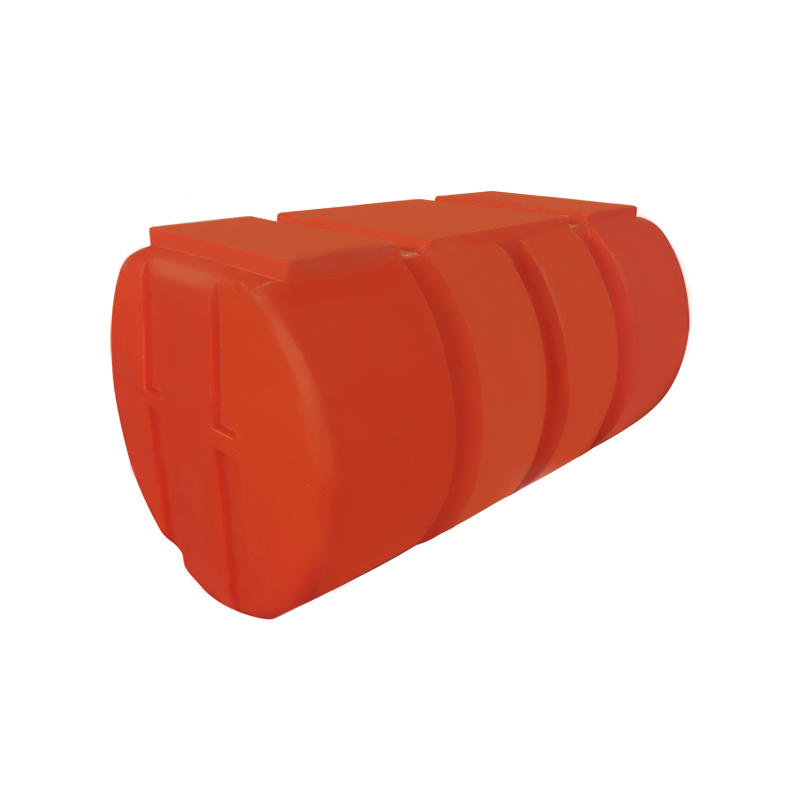
650 Diameter Rotomolding Breeding Floating Pontoon
-
200 Diameter Rotomolding Sewage Retaining Float
-
Rotational Molding Floating Body
-
Rotomolding Plastic LLDPE Fuel Tank
-
Rotomolding Plant Protection Water Tank
-
Rotomolding LLDPE RV Fresh Water Tank
QUICK CONTACT
-
 wuyuqiao village, Henghe Town, Cixi City, Zhejiang Province
-
 +86-15257871220
- +86 15924308271
-
 [email protected]
KEEP IN TOUCH
