News

Home / News / Industry News / What is a PE dosing barrel? How to correctly select and install a PE dosing tank?

What is a PE dosing barrel? How to correctly select and install a PE dosing tank?

What is a PE Dosing Barrel?

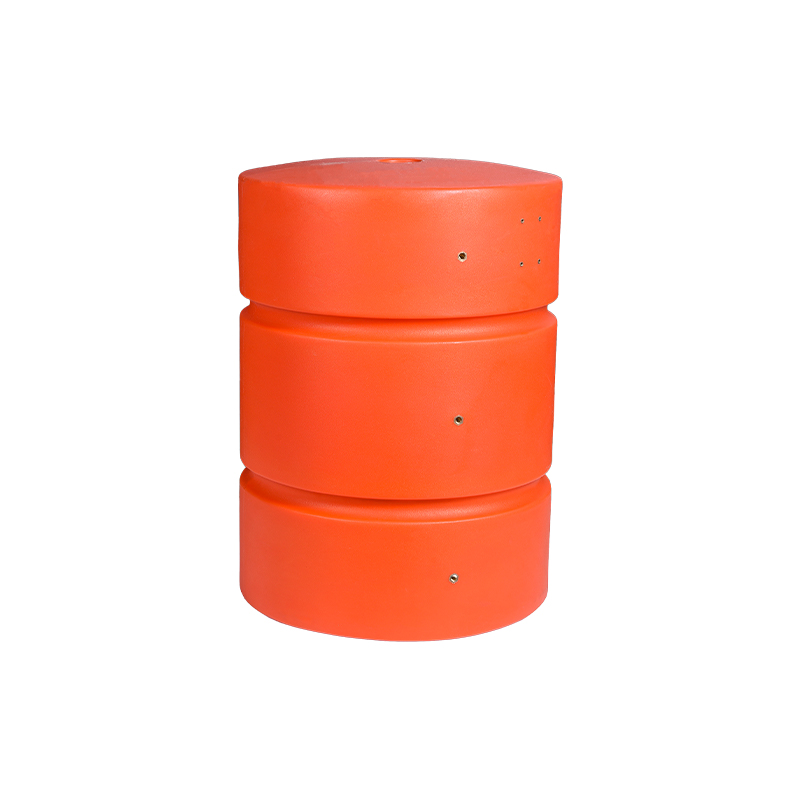
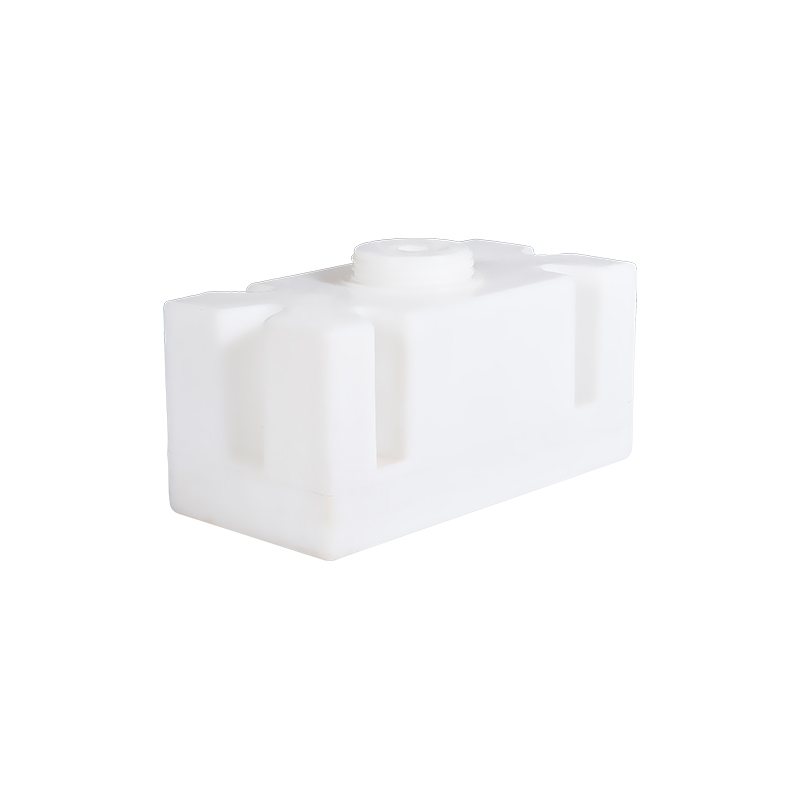
The PE Dosing Barrel, officially known in full as the “Polyethylene Dosing Barrel” or “PE Dosing Tank,” is a core piece of equipment used in water treatment, chemical engineering, environmental protection, and pharmaceutical industries for the precise storage, dissolution, mixing, and transfer of chemical agents. It is not merely a simple storage container, but the starting point of the entire automated dosing system.


1. Material and Structural Features

As the name suggests, the main material of the PE dosing barrel is Polyethylene (PE). Choosing PE material over metal or fiberglass is based on several key advantages:

  • Excellent Corrosion Resistance: PE exhibits outstanding resistance to acids, alkalis, and salts, allowing it to safely store highly corrosive agents like sodium hypochlorite, sulfuric acid, and caustic soda, effectively extending the equipment’s lifespan.
  • Seamless, One-Piece Molding: Most high-quality PE dosing barrels are integrally formed using the Rotational Molding Process. The tank body is seamless and structurally robust, significantly minimizing the risk of leaks.
  • Lightweight and Durable: Compared to metal or fiberglass containers of the same capacity, PE tanks are lighter, making them easy to transport and install. At the same time, their tough texture provides a certain degree of impact resistance.


2. Role in the Dosing System

The PE dosing barrel acts as the critical hub connecting chemical storage with system metering and injection.

  • Storage: Stores the chemical stock solution or the prepared diluted solution.
  • Dissolution and Mixing: The tank lid is pre-designed with a platform (or mounting holes) for installing a mixer/agitator. The mixer ensures the chemicals are fully dissolved or uniformly mixed, guaranteeing a consistent solution concentration for accurate subsequent metering.
  • Dosing Preparation: A Dosing Pump is mounted on the tank. The dosing pump draws the chemical agent from the barrel via a suction line and injects it into the main system at a precise flow rate.


How to Correctly Select and Install a PE Dosing Barrel?

Correct selection and installation are crucial for ensuring the safe, efficient, and stable operation of the dosing system.


1. Correct Selection of the PE Dosing Barrel

When selecting a PE dosing barrel, you must consider the chemical properties, system requirements, and site environment comprehensively.

Selection Factor Key Consideration Points Risk of Incorrect Selection
Capacity Size Calculation Formula: Must meet at least 2 to 3 days of chemical consumption (Daily Consumption × Replenishment Cycle) plus a 10% safety margin. Capacity too small requires frequent replenishment, increasing labor costs; too large, chemicals may degrade from long storage.
Chemical Compatibility Must verify the chemical agent’s name, concentration, and temperature. Though PE is highly resistant, it may not tolerate certain organic solvents. Tank body corrosion, dissolution, or stress cracking, leading to leaks and safety incidents.
Tank Shape Round: High structural integrity, suitable for large volumes. Square/Rectangular: Saves footprint, suitable for compact installation and side-by-side placement. Shape mismatch with site space, resulting in wasted space or inability to install.
Accessory Platform Check if the lid or side is designed with a reinforced platform or pre-drilled holes for the safe installation of heavy equipment like dosing pumps and mixers. Inability to securely fix accessory equipment, leading to shaking or equipment failure during operation.
Accessory Requirements Decide whether accessories are needed based on requirements: level gauge (for monitoring liquid level), drain port (for easy cleaning), overflow port, etc. Lack of necessary monitoring and maintenance interfaces, affecting system management and safety.


2. Correct Installation Procedures for the PE Dosing Barrel

The installation process must strictly adhere to safety codes to ensure long-term stability.

A. Site Preparation and Positioning

  1. Ground Requirements: The dosing barrel must be installed on a level, flat, and sturdy base (concrete or steel structure) capable of supporting the full weight of the tank and liquid.
  2. Environmental Requirements: Avoid direct sunlight (long-term exposure can accelerate PE material aging). The installation area should have good ventilation.

B. Equipment Fixing and Connection

  1. Tank Positioning: Place the PE tank in the chosen location, ensuring the load is evenly distributed across the bottom.
  2. Dosing Pump Installation: Fix the dosing pump securely onto the tank platform or a separate support frame. Ensure the suction head distance is minimal to facilitate chemical drawing.
  3. Mixer Installation (if applicable): Secure the mixer to the pre-drilled central hole on the tank lid using a bracket or flange. Ensure the mixing paddle is centered in the liquid and does not touch the tank walls or bottom.
  4. Piping Connections:
    • Suction Line: The dosing pump’s suction line should connect near the bottom of the tank. The end must be fitted with a foot valve/strainer to prevent impurities from entering the pump and prevent liquid backflow when the pump stops.
    • Discharge/Dosing Line: Connect the dosing pump’s discharge port to the main system injection point.

C. Safety and Commissioning
  1. Level Monitoring: Install a liquid level gauge or level alarm, setting high and low alarm points to prevent the dosing pump from running dry or the liquid from overflowing.
  2. Power Connection: Ensure the power connections for the mixer and dosing pump comply with regulations, and all electrical components have moisture protection and grounding.
  3. Initial Test Run: Fill the barrel with clean water for an initial test run. Check all connection points for a good seal, ensure there are no leaks, and test the operation of the dosing pump and mixer.