

 English
 عربى
عربى
Sewage Lift Station: What It Is and How It Works
What Is a Sewage Lift Station?
A sewage lift station, also called a sewage pump station or lift pump station, is a mechanical system that collects wastewater from a lower elevation and pumps it up to a higher elevation so it can continue flowing toward a treatment plant or municipal sewer main. Lift stations are essential wherever gravity alone cannot move wastewater to its destination — such as low-lying properties, basements below the main sewer line, flat terrain, or large developments where digging a deep enough gravity sewer line would be impractical or prohibitively expensive.
In short: a sewage lift station uses a wet well to collect incoming wastewater, submersible or dry-pit pumps to lift it under pressure through a force main, and a control system to automatically start and stop the pumps based on wastewater level. Without a lift station, any property or development situated below the elevation of the receiving sewer or treatment plant would have no way to discharge its wastewater.
How a Sewage Lift Station Works
Sewage lift stations operate on a fairly consistent cycle: collect, detect, pump, and repeat. Understanding this cycle makes it easier to diagnose problems and appreciate why regular maintenance matters.
Basic Operating Sequence
- Wastewater flows by gravity from connected buildings into the lift station's wet well, an underground holding tank.
- Level sensors or floats inside the wet well continuously monitor the incoming wastewater level.
- Once the water reaches a preset "on" level, the control panel activates one or more pumps.
- The pumps push wastewater through a pressurized pipe called a force main, lifting it to a higher elevation.
- The force main connects to a gravity sewer line or treatment facility, where the wastewater continues its normal downstream flow.
- Once the wet well level drops to a preset "off" level, the pumps shut off and the cycle repeats as new wastewater arrives.
Most residential and small commercial lift stations cycle on and off several times per hour depending on usage patterns, while larger municipal stations may run continuously during peak flow periods, such as early morning and evening hours when household water use is highest.
Main Components of a Sewage Lift Station
While designs vary by scale and manufacturer, nearly every sewage lift station relies on the same core set of components working together.
- Wet well — an underground tank, typically fiberglass, concrete, or PE, that temporarily holds incoming wastewater before it's pumped out.
- Submersible or dry-pit pumps — the mechanical units that lift wastewater through the force main; most stations use two pumps for redundancy.
- Level sensors or floats — detect wastewater height in the wet well and trigger pump activation and shutoff.
- Control panel — manages pump alternation, run times, and alarm conditions such as high water level or pump failure.
- Force main — the pressurized discharge pipe that carries wastewater from the pumps to the receiving gravity sewer or treatment point.
- Check valves and isolation valves — prevent wastewater from flowing back into the wet well when the pumps shut off.
- Alarm system — audible, visual, or remote-notification alerts that warn of high water levels or equipment malfunction before an overflow occurs.
Types of Sewage Lift Stations
Lift stations are generally categorized by pump configuration and scale of application, from small residential units to large municipal installations.
| Type | Typical Application | Pump Configuration |
|---|---|---|
| Residential/simplex | Single home or basement below sewer line | One submersible pump |
| Duplex | Small commercial buildings, subdivisions | Two alternating pumps |
| Triplex | Larger developments, high-flow applications | Three pumps for added capacity/redundancy |
| Municipal | City sewer networks, treatment plant feeds | Multiple large pumps with full SCADA monitoring |
Duplex and triplex configurations are standard in most commercial and municipal applications because they allow the pumps to alternate use to distribute wear evenly and ensure continued operation if one pump fails or requires maintenance, rather than leaving the system with no backup.
Where Sewage Lift Stations Are Used
Lift stations appear in a wide range of settings wherever gravity flow to the treatment point isn't possible or practical.
- Basements and lower-level bathrooms — for fixtures installed below the elevation of the home's main sewer connection.
- Flat or low-lying developments — where a deep gravity trench would be too costly or technically difficult to install.
- Municipal sewer networks — to move wastewater between collection zones and treatment plants across varied terrain.
- Commercial and industrial facilities — for process wastewater or large-volume discharge that must be routed to a municipal system.
Common Maintenance Needs and Warning Signs
Because lift stations handle solids-laden wastewater continuously, routine maintenance is essential to prevent clogs, pump burnout, and overflow events that can create serious health and environmental hazards.
Recommended Maintenance Practices
- Inspect pumps and floats regularly — check for debris buildup or float obstruction that could prevent proper cycling, typically every 1–3 months for residential systems.
- Clean the wet well periodically — remove accumulated grease, rags, and solids that can clog pump impellers or check valves.
- Test alarm systems — confirm high-level alarms and remote notifications function correctly before an actual emergency occurs.
- Check pump run times and cycling frequency — unusually long run times or frequent short cycling can indicate a failing pump, clogged impeller, or undersized system.
Warning signs of a developing problem include slow drainage in connected fixtures, unusual odors near the lift station, frequent alarm activation, or pumps that run continuously without cycling off. Addressing these signs early typically costs far less than dealing with a full station failure, which can result in wastewater backup or an environmentally hazardous overflow if left unresolved.
Related Products
-
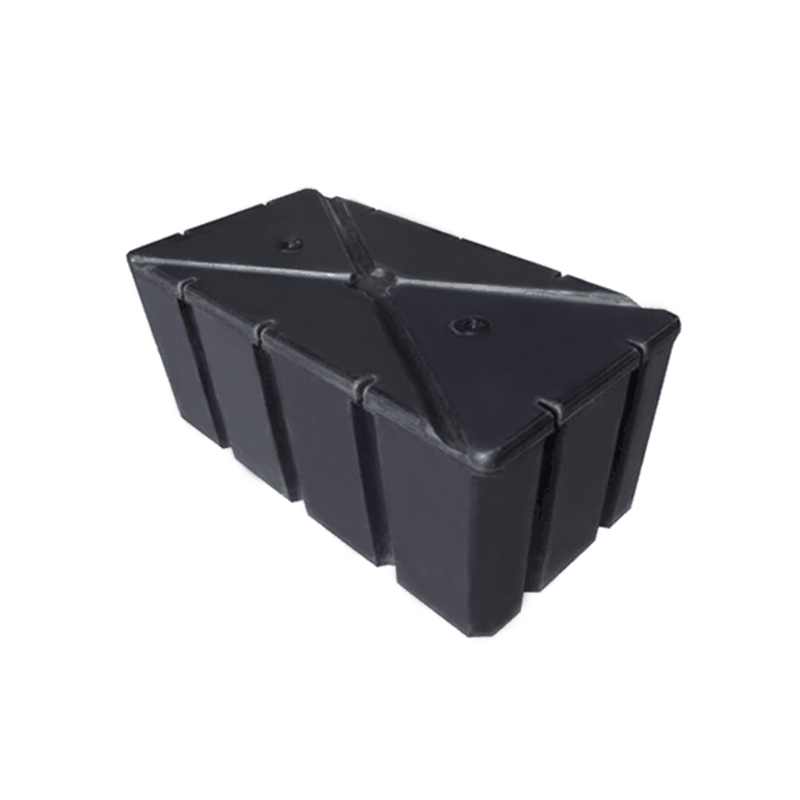
Square Rotomolding PE Floating Pontoon
-

Rotomolding LLDPE Floating Platform
-
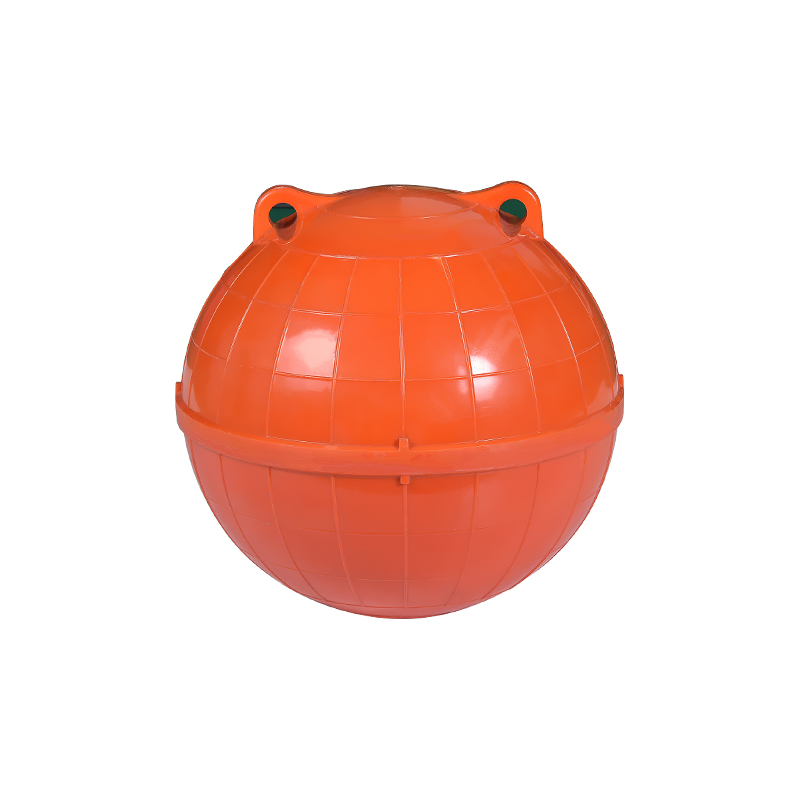
Durable 200mm ABS Rotational Molding Floating Balls
-
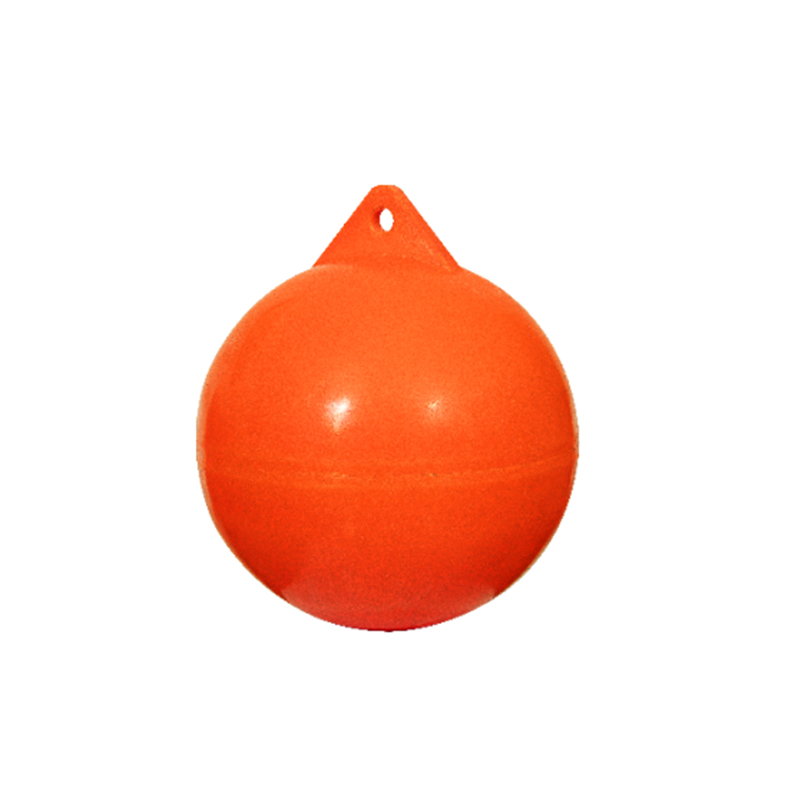
500mm Single Ear Rotomolding Floating Ball
-
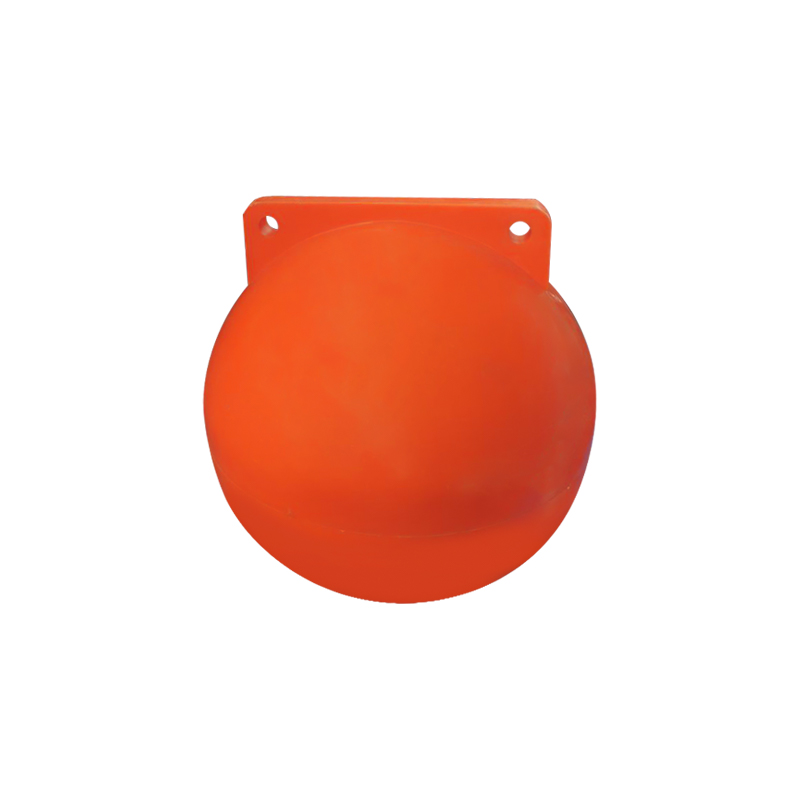
500mm Plastic Floating Ball LLDPE Warning Ball Floater
-
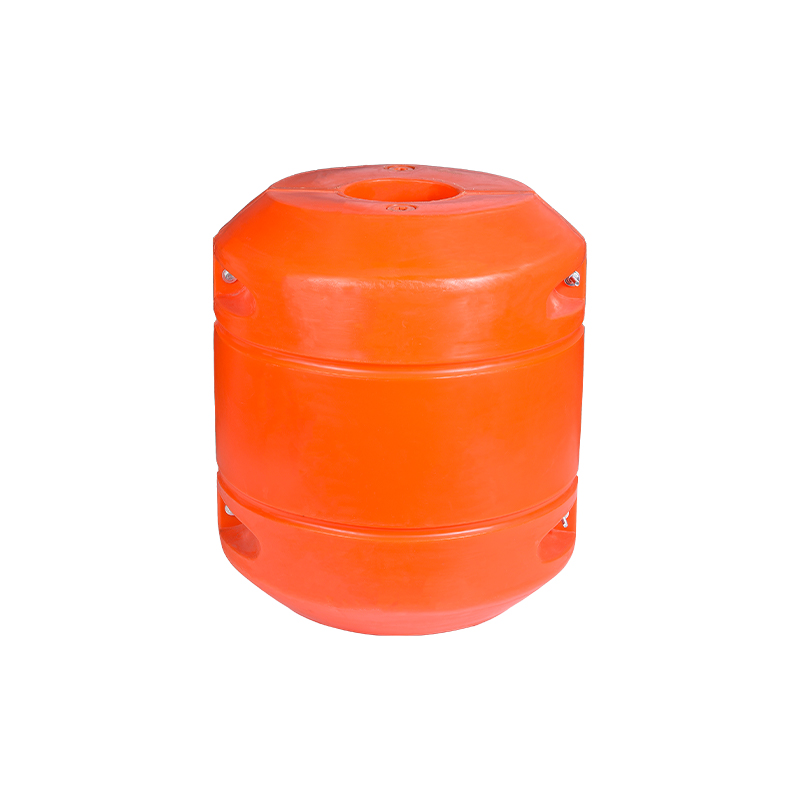
Warning Floating Dredging Pipe Pontoon
-
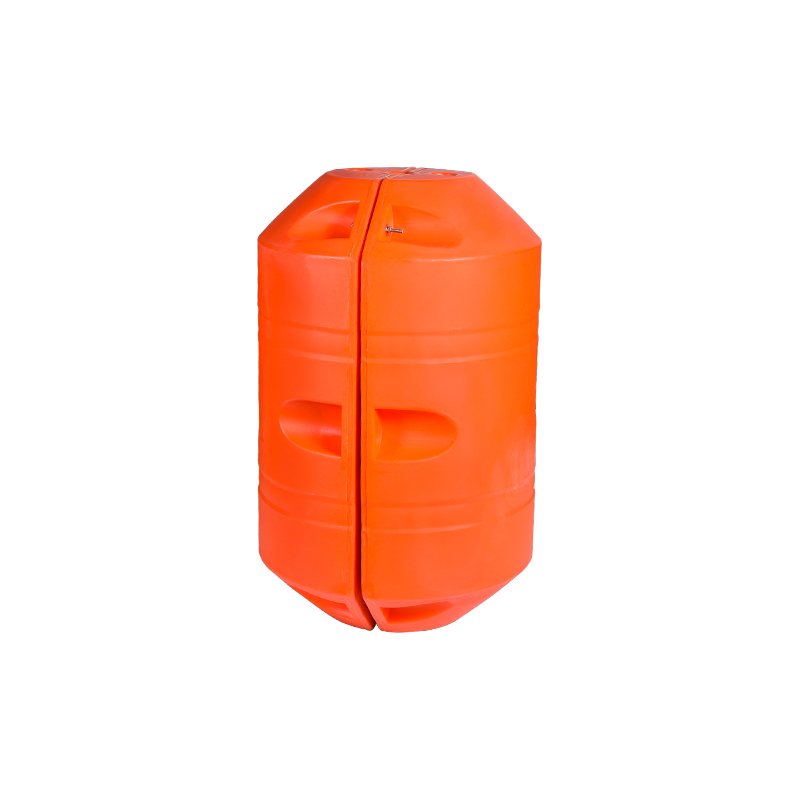
LLDPE Plastic Rotational Molding Dredge Pipe Float Pontoon
-
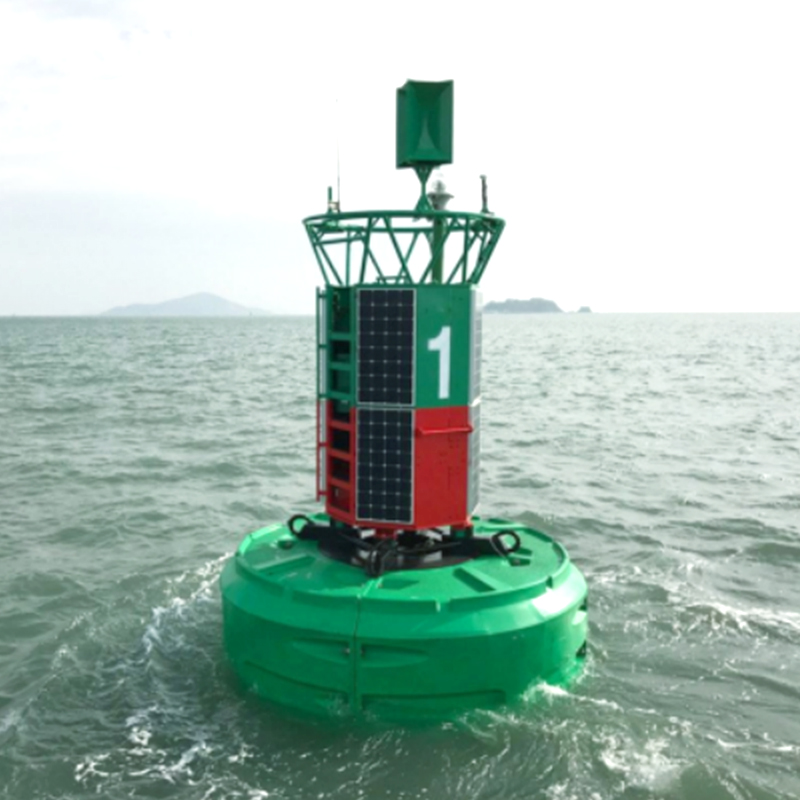
Marine Navigation Buoy/Warning Buoy
-
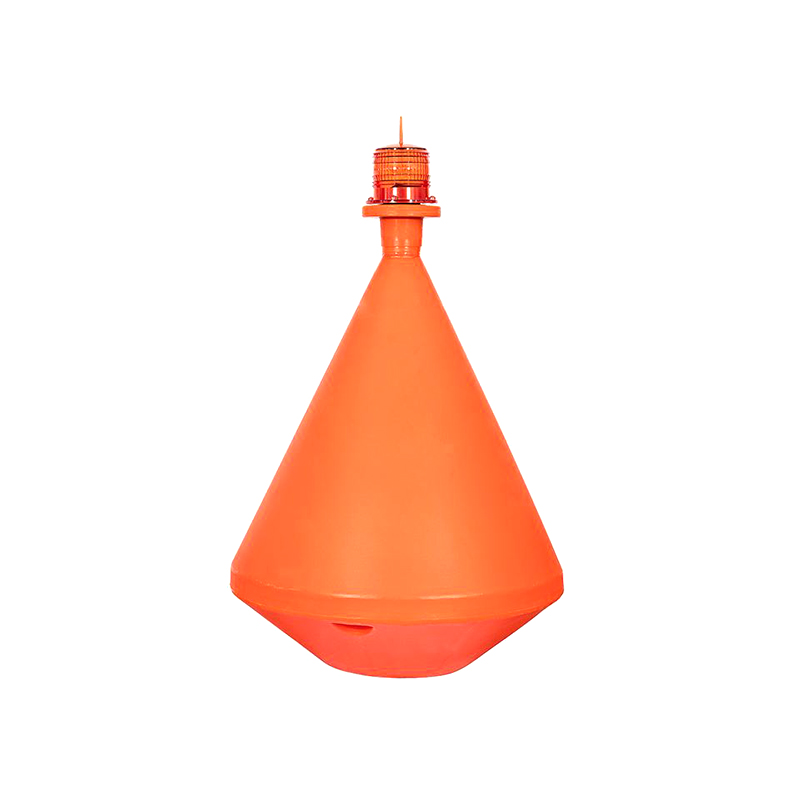
LLDPE Stationary Navigation Beacon Floating Buoy
-
Rotomolding Warning Float With EPS Filler
-
Rotomolding Anti-wave Buoy
-
LLDPE Dredging Sludge Rotomolded Floating Ring
-
650 Diameter Rotomolding Breeding Floating Pontoon
-
200 Diameter Rotomolding Sewage Retaining Float
-
Rotational Molding Floating Body
-
Rotomolding Plastic LLDPE Fuel Tank
-
Rotomolding Plant Protection Water Tank
-
Rotomolding LLDPE RV Fresh Water Tank
QUICK CONTACT
-
 wuyuqiao village, Henghe Town, Cixi City, Zhejiang Province
-
 +86-15257871220
- +86 15924308271
-
 [email protected]
KEEP IN TOUCH
