

 English
 عربى
عربى
News
Home / News / Industry News / Aquaculture Barrel vs. Traditional Pond Systems: Which Is Better for Small-Scale Farming?
An aquaculture barrel system uses enclosed plastic or PE tanks with mechanical filtration and aeration to raise fish in a controlled environment, while a traditional pond system relies on a dug earthen or lined basin with natural biological processes to maintain water quality. For small-scale farmers, the choice comes down to available land, upfront budget, control over water quality, and how much daily management time is available.
In short: aquaculture barrels offer better space efficiency, tighter control over water quality and disease, and the ability to start production on land unsuitable for ponds, while traditional ponds offer lower operating costs, less reliance on electricity and equipment, and generally larger production volume once established. Farmers with limited land or unreliable water sources tend to do better with barrels, while those with suitable land and a stable water supply often find ponds more cost-effective at scale.
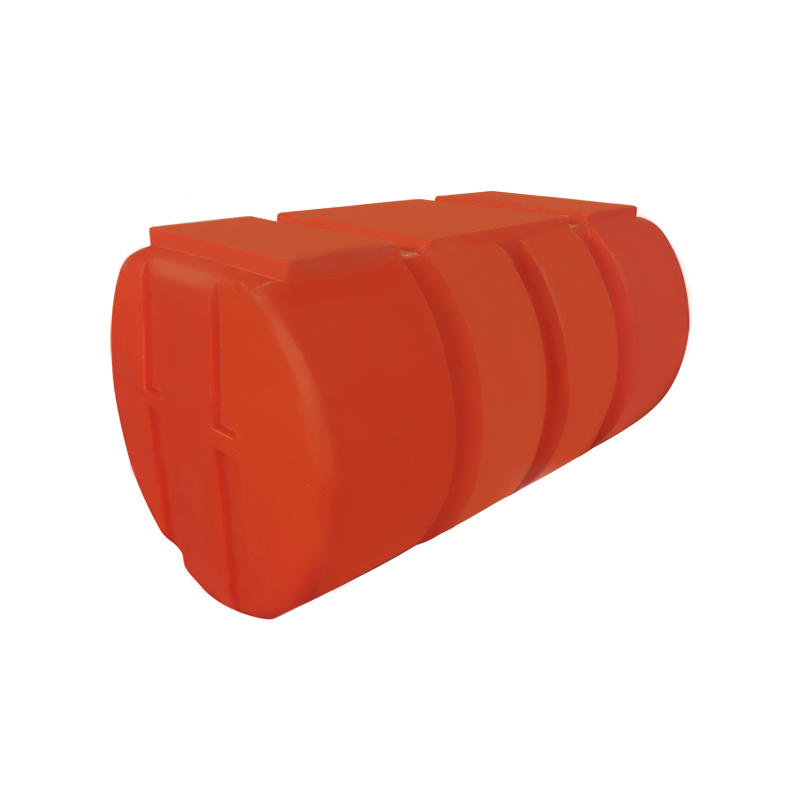
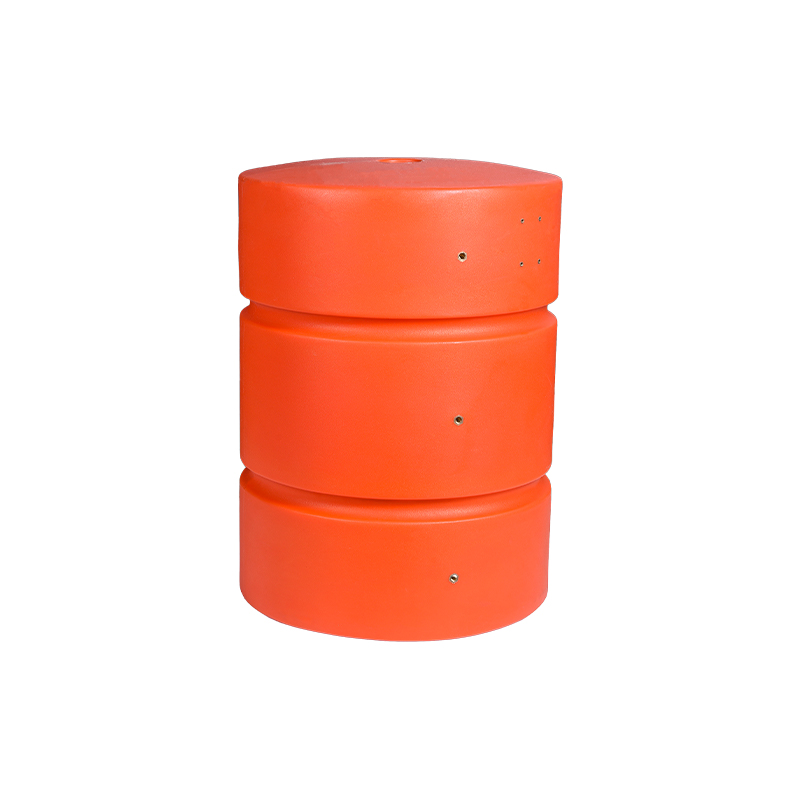
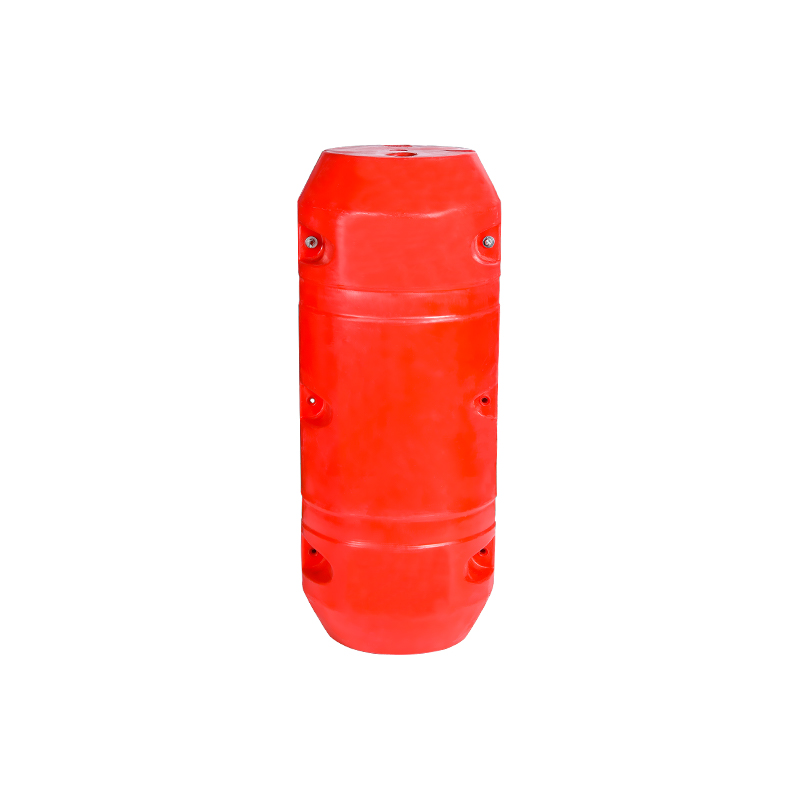
An aquaculture barrel system consists of one or more enclosed PE or fiberglass tanks, typically ranging from 200 to 5,000 liters, connected to filtration, aeration, and sometimes recirculating aquaculture system (RAS) components. Water quality is actively managed through mechanical and biological filters rather than relying solely on the natural ecosystem within the container.
A traditional pond system uses a dug earthen basin, sometimes lined with clay, PVC, or HDPE liner, to hold fish in a larger, semi-natural body of water. Water quality is maintained primarily through natural biological processes, aquatic plants, and periodic water exchange rather than mechanical filtration.
The table below compares the two systems across the factors that matter most to small-scale farmers.
| Factor | Aquaculture Barrel | Traditional Pond |
|---|---|---|
| Space required | Small, can be stacked or indoors | Large open land area |
| Water usage | Low (recirculating) | High (periodic exchange) |
| Upfront cost | Moderate (tanks, filters, pumps) | Variable (excavation, liner) |
| Operating cost | Higher (electricity for pumps/aerators) | Lower (mostly natural processes) |
| Disease control | Easier to monitor and isolate | Harder to control in open water |
| Production density | High per unit area | Lower per unit area, higher in total |
| Power dependency | High | Low |
Upfront costs vary significantly based on local land prices, excavation needs, and equipment choices, but the general cost patterns are fairly consistent across regions.
A basic backyard barrel system with two to four 1,000-liter tanks, filtration, and aeration can often be set up for a fraction of the cost of excavating and lining a pond of comparable production capacity. However, barrel systems carry higher ongoing electricity costs due to continuous pump and aerator operation, which can offset some of the initial savings over several years. Pond systems, by contrast, have lower recurring costs but require a larger one-time investment in excavation, liner material, and water source infrastructure, and that cost rises significantly if the native soil requires an added liner to prevent seepage.
The right system depends on your available land, budget, water access, and how hands-on you want your daily management to be.
For small-scale farmers just starting out, especially those with limited land or capital, an aquaculture barrel system is usually the lower-risk entry point, since it requires less upfront investment in land preparation and allows closer monitoring of water quality while learning the fundamentals of fish farming. As operations scale and land or water access becomes available, some farmers transition to or add pond systems to increase total production capacity at a lower long-term operating cost.
 wuyuqiao village, Henghe Town, Cixi City, Zhejiang Province
 +86-15257871220
 [email protected]
