

 English
 عربى
عربى
News
Home / News / Industry News / Rotomolded Pontoon Floats in Floating Dock and Water Platform Construction
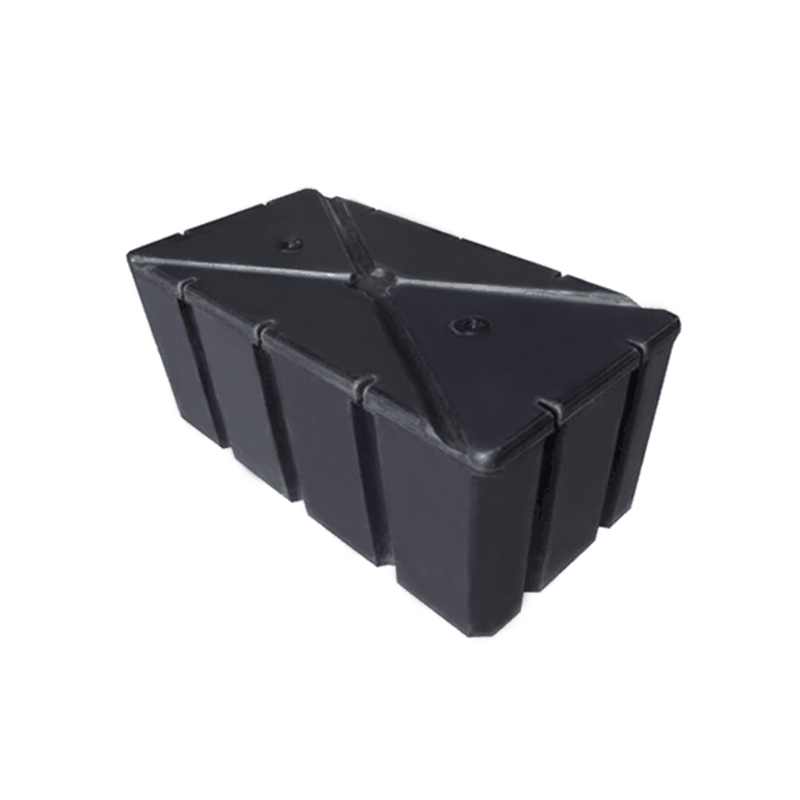
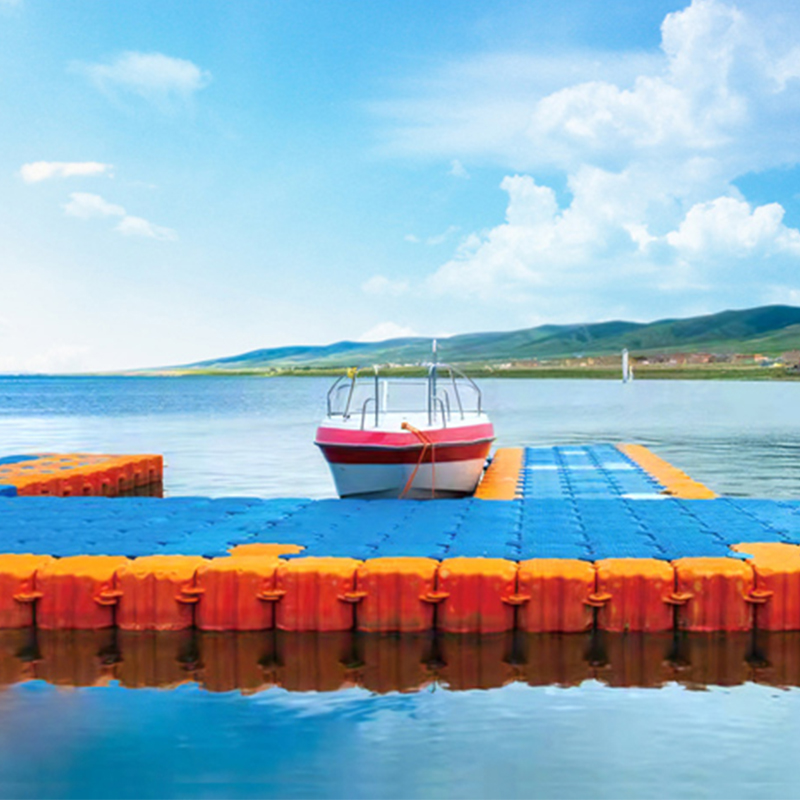
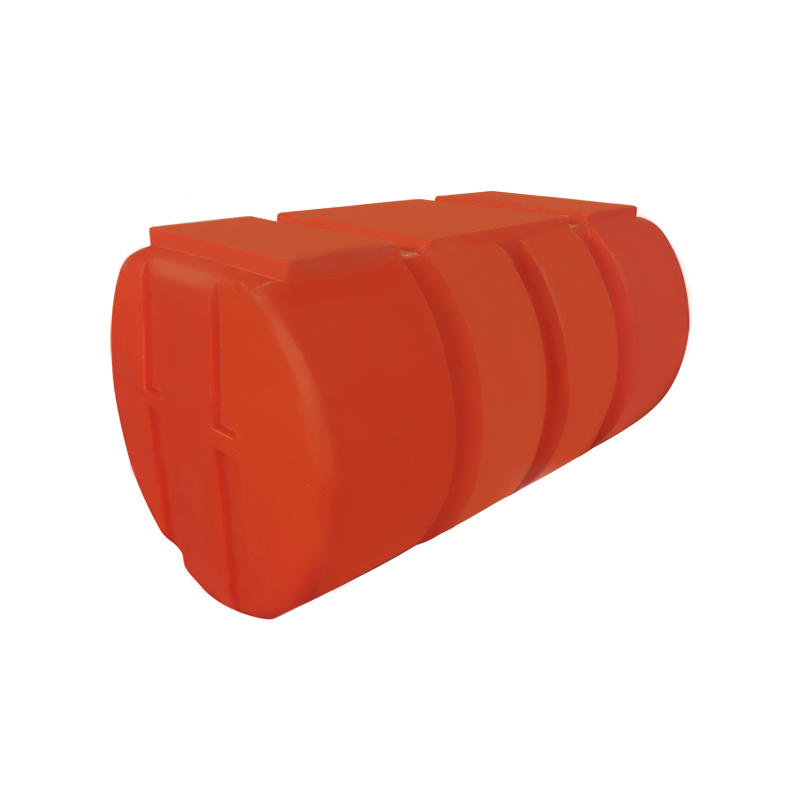
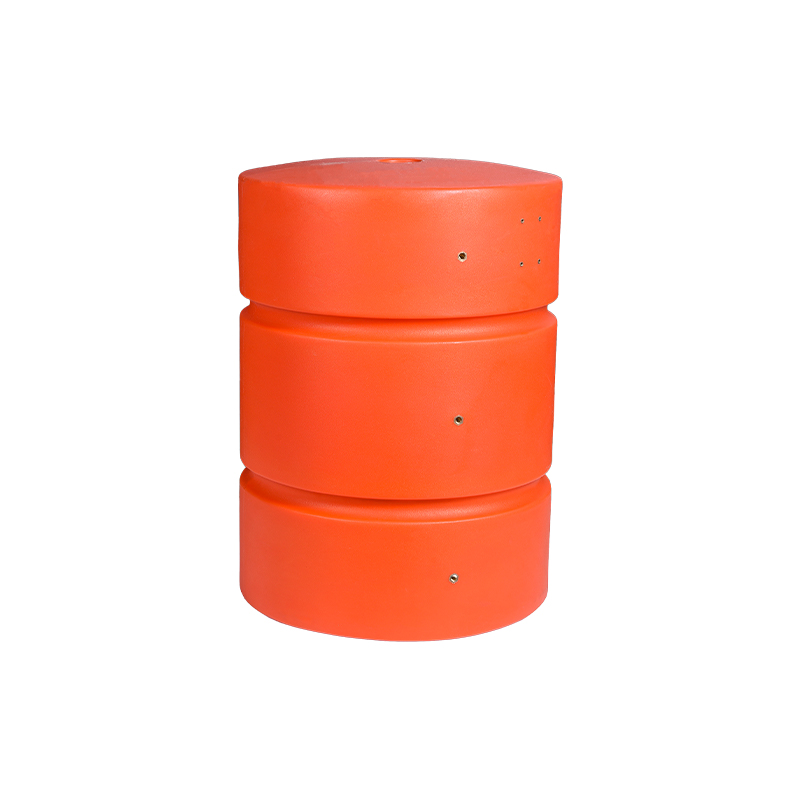
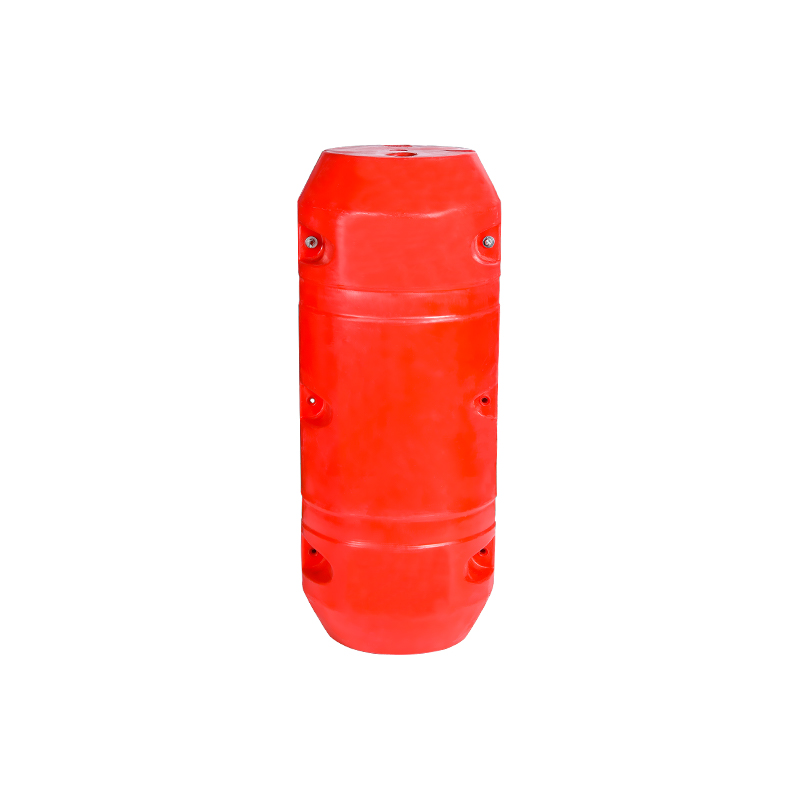
Rotomolded pontoon floats are widely used in floating dock and water platform construction because they combine a seamless, watertight polyethylene shell with a favorable strength-to-weight ratio, allowing builders to create durable, low-maintenance flotation without the corrosion risk of metal or the repair complexity of fiberglass. The rotational molding process produces a single-piece, hollow structure with no seams or welds — the most common failure points in other float materials — which is why marina builders, dock manufacturers, and DIY platform projects increasingly specify rotomolded floats over aluminum pontoons or foam-filled alternatives.
How the Rotomolding Process Creates a Better Float
Rotational molding works by loading powdered polyethylene resin into a hollow mold, then rotating it on two axes inside an oven until the resin melts and evenly coats the interior mold surface. The mold then cools while still rotating, forming a single continuous hollow shell with uniform wall thickness and no seams, joints, or weld lines. This seamless construction eliminates the leak points that account for a large share of failures in welded aluminum or multi-piece foam floats.
Because the resin coats the mold evenly during rotation, wall thickness stays consistent across the entire float, typically in the range of 3/16" to 3/8" depending on the float's size and load rating. This uniformity avoids the thin spots that can develop in other molding methods, contributing to more predictable impact resistance and buoyancy performance across the float's service life.
Several material and structural properties make rotomolded floats particularly well suited to floating dock and platform construction:
Dock builders generally choose between two internal configurations, each suited to different risk tolerances and budgets.
| Type | Buoyancy Behavior | Best For |
|---|---|---|
| Hollow (Air-Filled) | Loses buoyancy if punctured | Budget-conscious, low-risk installations |
| Foam-Filled | Retains most buoyancy even if punctured | Marinas, public docks, high-traffic platforms |
Foam-filled floats typically use closed-cell polyurethane foam injected after molding, which can preserve up to 90% or more of a float's buoyancy even after a puncture, making them the preferred choice for commercial marinas and public-access docks where a sudden loss of flotation poses a safety risk. Hollow floats cost less upfront but carry higher risk in the event of hull damage, which makes them better suited to private, low-traffic installations.
Rotomolded pontoon floats appear across a range of floating structure types, each with slightly different sizing and load requirements:
Not all rotomolded floats are interchangeable. Before specifying floats for a dock or platform project, confirm the following:
Compared to the alternatives commonly used in floating structures, rotomolded polyethylene floats offer a distinct durability profile: they don't corrode like aluminum, don't delaminate like fiberglass over time, and don't absorb water like unprotected foam billets. Quality rotomolded floats commonly carry service life expectations of 15-20 years or more under normal conditions, with UV-stabilized resin and foam-filled construction extending that lifespan further in demanding commercial or saltwater environments. This durability, combined with minimal ongoing maintenance requirements, is a major factor in their total cost of ownership advantage over metal or fiberglass alternatives despite sometimes having a comparable or higher upfront unit cost.
Rotomolded pontoon floats have become a standard choice in floating dock and water platform construction because their seamless, one-piece design eliminates the leak points and corrosion issues common to other float materials, while offering a strong buoyancy-to-weight ratio and low ongoing maintenance. For commercial marinas and high-traffic public docks, foam-filled floats with UV-stabilized resin offer the best combination of safety and longevity, while hollow floats remain a cost-effective option for private, low-risk installations — with buoyancy rating, wall thickness, and mounting compatibility being the specifications most worth verifying before a project begins.
 wuyuqiao village, Henghe Town, Cixi City, Zhejiang Province
 +86-15257871220
 [email protected]
