

 English
 عربى
عربى
News
Home / News / Industry News / How Do You Choose the Right Size of Rotomolding Floating Ball for Your Application?
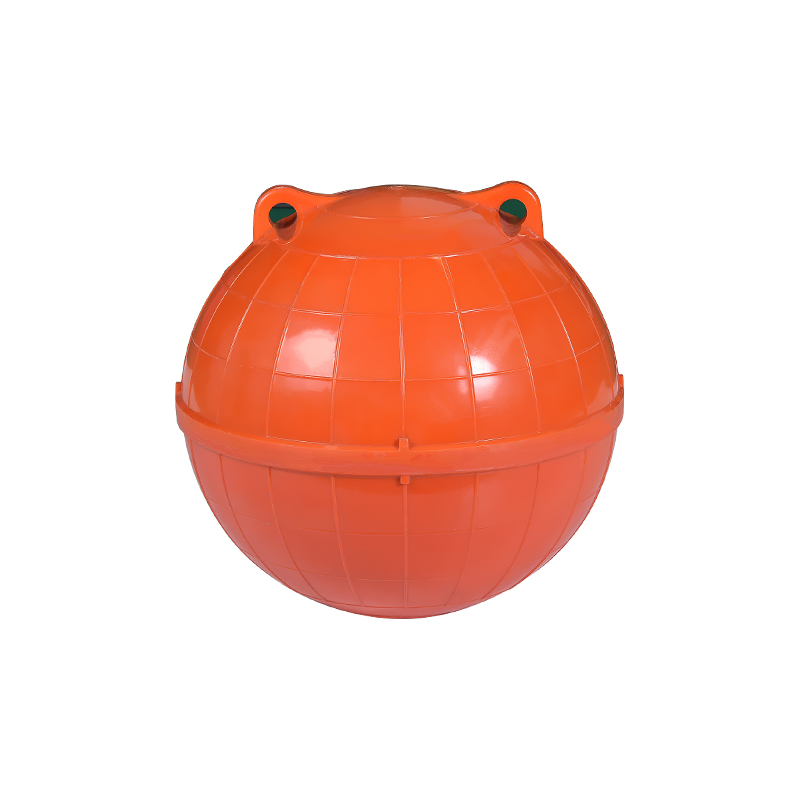
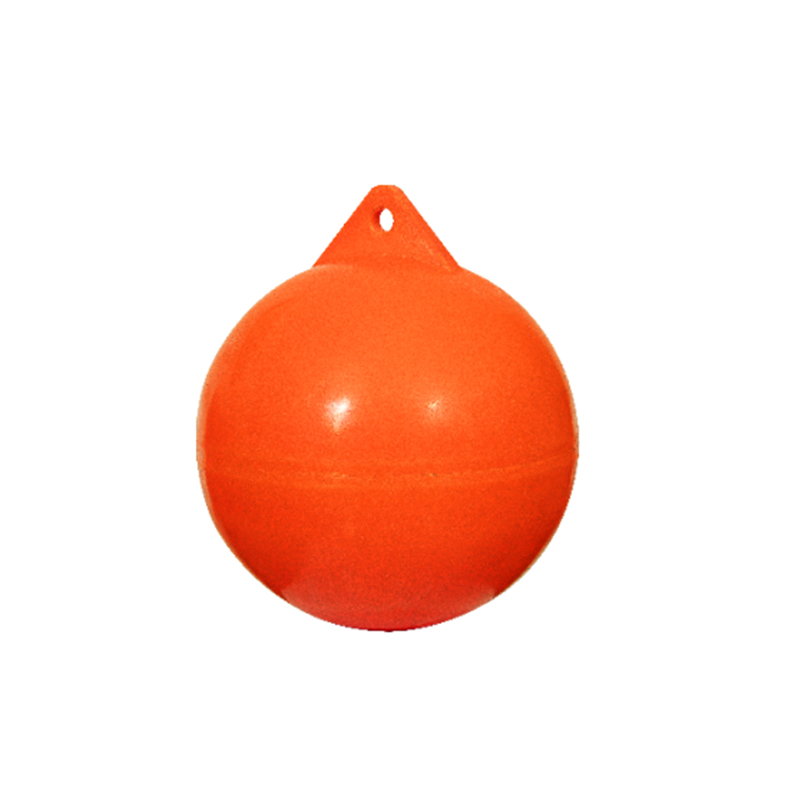
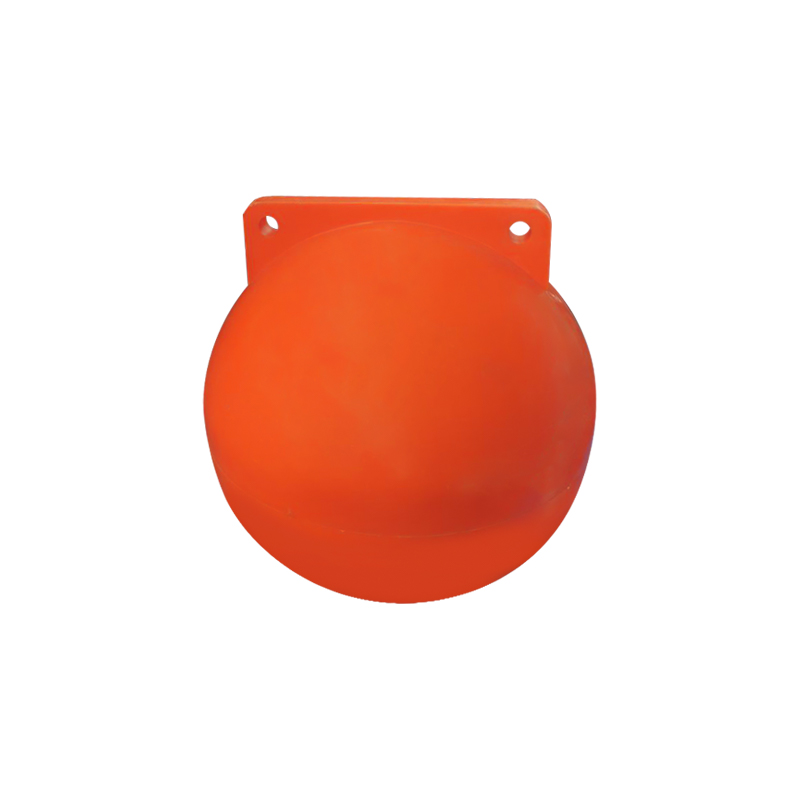
Choosing the right size of rotomolding floating ball depends on four core factors: required buoyancy load, water surface conditions, installation spacing, and the specific function the ball must perform. Select too small a ball and it sits too low in the water, losing visibility and load capacity. Go too large and you waste material cost, create unnecessary drag, and complicate installation. This guide walks through each sizing factor with concrete data so you can match the right ball to your application with confidence.
When specifying a rotomolding floating ball, size refers to more than just diameter. Three measurements define the physical specification of any floating ball:
A 300 mm diameter rotomolded HDPE floating ball displaces approximately 14.1 liters of water, giving it a gross buoyancy of roughly 14.1 kg. After accounting for the ball's own weight (typically 1.5–2.5 kg for this size), the net usable buoyancy is approximately 11.5–12.5 kg. Always work from net buoyancy figures, not gross displacement, when sizing for load-bearing applications.
The starting point for any floating ball selection is calculating the total buoyancy load — the combined weight of everything the ball or ball array must support, including its own weight, attached hardware, ropes, chains, and any dynamic loads from current or wave action.
Net buoyancy required = (Total suspended load in kg) × Safety factor (minimum 2.0 for static; 3.0 for dynamic or wave-exposed environments)
For example, a fish farm net pen with a submerged net assembly weighing 80 kg in water, supported by a ring of floating balls, requires a total net buoyancy of at least 160 kg (static)** or **240 kg (wave-exposed coastal site). If using 300 mm balls with 12 kg net buoyancy each, you would need a minimum of 14 balls for static conditions or 20 balls for dynamic conditions.
| Ball Diameter | Gross Buoyancy (kg) | Typical Ball Weight (kg) | Net Buoyancy (kg) |
|---|---|---|---|
| 150 mm (6") | 1.77 | 0.35 | ~1.4 |
| 200 mm (8") | 4.19 | 0.65 | ~3.5 |
| 300 mm (12") | 14.13 | 1.80 | ~12.3 |
| 400 mm (16") | 33.49 | 3.50 | ~30.0 |
| 500 mm (20") | 65.40 | 6.00 | ~59.4 |
| 600 mm (24") | 113.04 | 9.50 | ~103.5 |
Note that buoyancy values decrease slightly in saltwater versus freshwater due to density differences — saltwater (1,025 kg/m³) provides approximately 2.5% more buoyancy than freshwater (1,000 kg/m³), a meaningful factor in marine applications.
Different applications have different primary sizing drivers. Buoyancy is not always the dominant factor — visibility, spacing, wave resistance, or regulatory requirements may dictate size in certain use cases.
Floating balls in aquaculture primarily support net pen frames and mooring lines. The sizing driver is net weight plus wave loading. In sheltered inland ponds, 200–300 mm balls are typically sufficient. Exposed coastal or offshore sites with significant wave action require 400–600 mm balls with reinforced attachment points to handle dynamic surge loads.
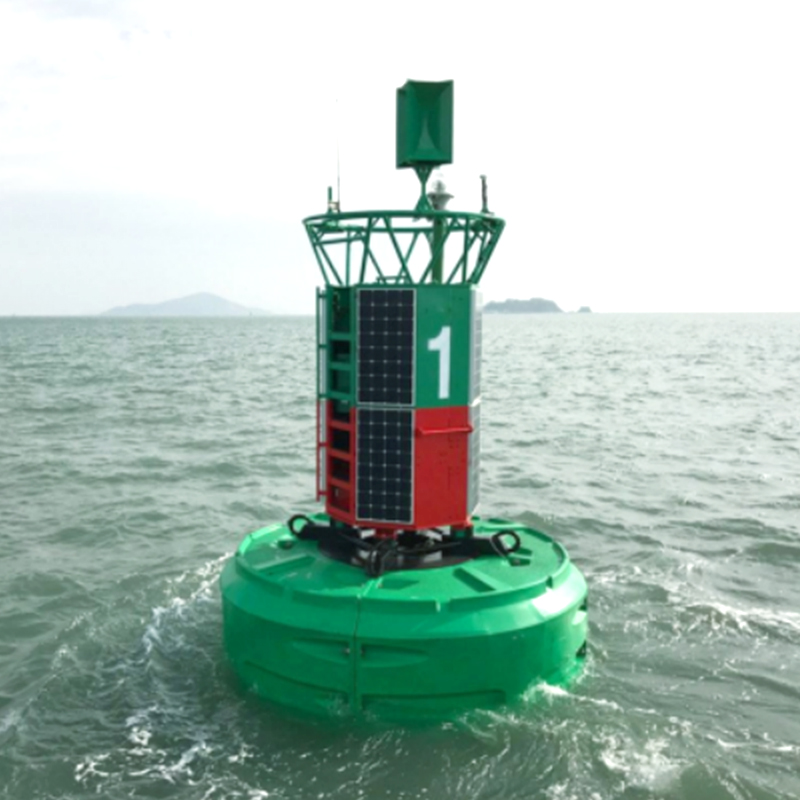
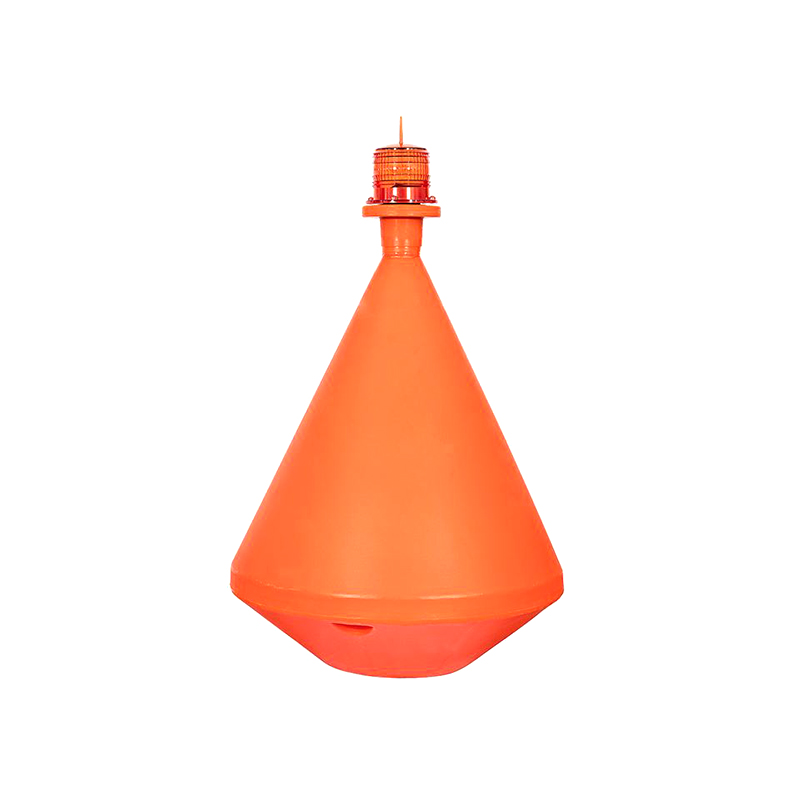
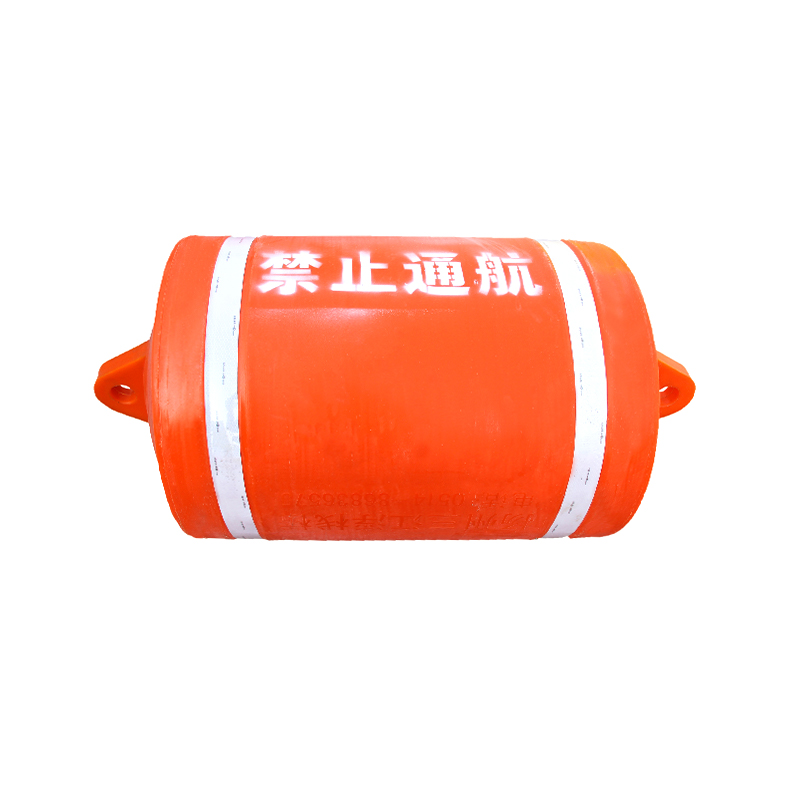
For navigation markers, the primary sizing driver is visibility distance, not buoyancy. A ball that must be seen from 500 meters typically requires a minimum diameter of 400 mm; markers for commercial shipping lanes often use 600–1,000 mm balls to ensure visibility in poor weather. The ball must also ride high enough above the waterline that wave action does not submerge it — a freeboard of at least 40% of the ball diameter is a common design target.
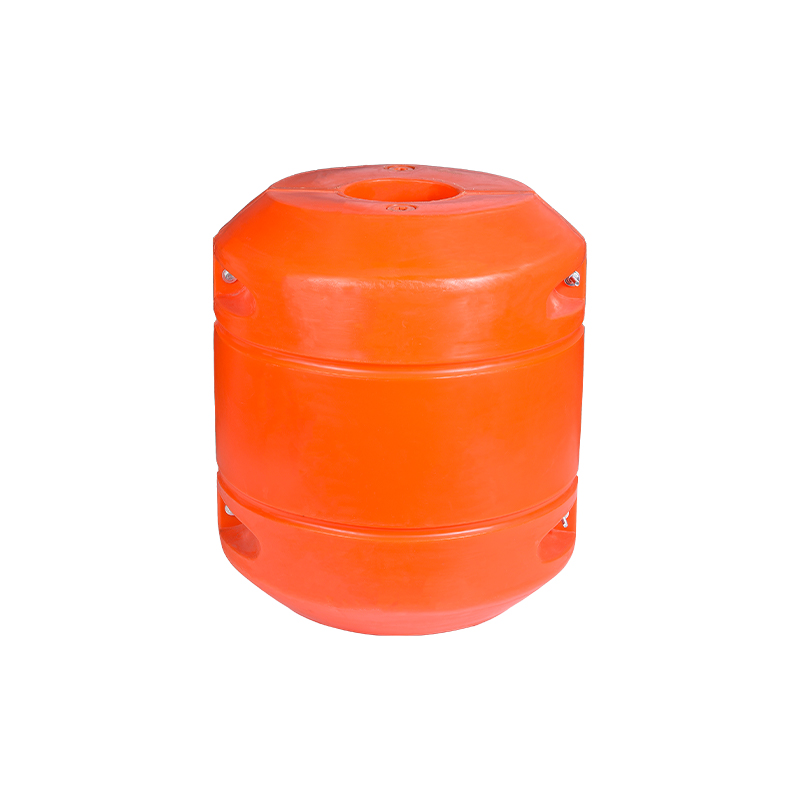
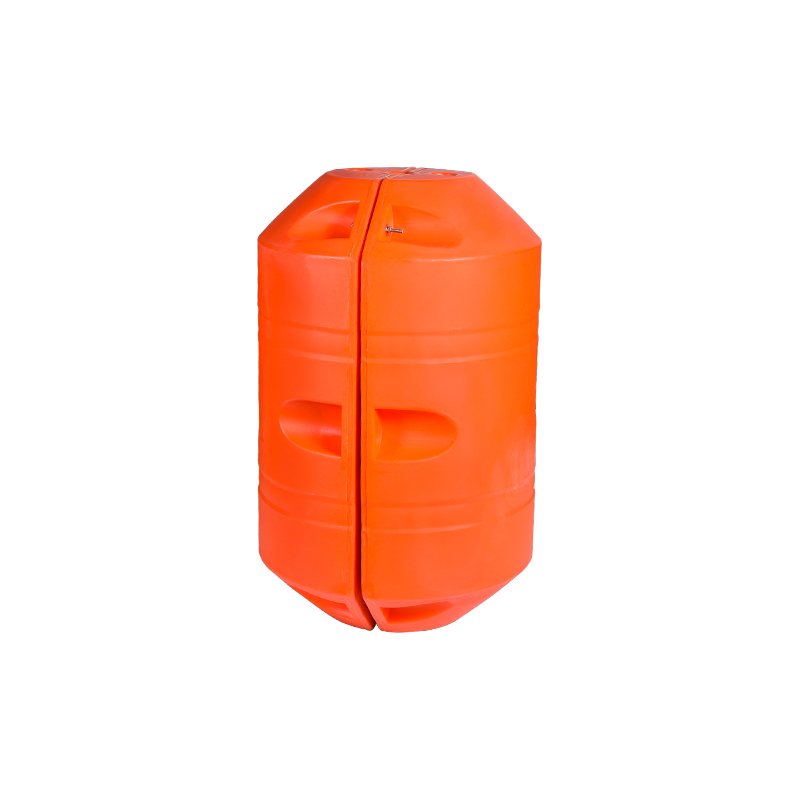
When floating balls support submerged pipelines or dredging hoses, the load per ball depends on pipe diameter, wall thickness, material, and the weight of fluid inside. A 200 mm diameter steel pipe filled with slurry can weigh 60–80 kg per meter in water. Ball spacing of every 1.5–2 meters with 500 mm floating balls is a common starting configuration, but exact sizing requires a linear buoyancy calculation along the full pipe run.
Pool, lake, and beach safety barrier lines prioritize visibility and rope support over high buoyancy loads. Balls of 100–200 mm diameter at 1–2 meter spacing are standard. Color selection (typically alternating red and white or yellow) is as important as size for these applications — the ball must be visually distinct against the water surface in varying light conditions.
The same ball that performs perfectly in a calm freshwater reservoir can be inadequate or damaged in an exposed tidal estuary. Water surface conditions directly affect the minimum required ball size through three mechanisms:
| Water Environment | Recommended Safety Factor | Minimum Freeboard | Suggested Min. Diameter |
|---|---|---|---|
| Calm indoor pool / tank | 1.5× | 25% | 100–150 mm |
| Sheltered pond / reservoir | 2.0× | 30% | 200–300 mm |
| River / tidal estuary | 2.5× | 35% | 300–400 mm |
| Exposed coastal / nearshore | 3.0× | 40% | 400–600 mm |
| Open sea / offshore | 3.5×+ | 45%+ | 600–1,000 mm |
Ball diameter and ball spacing are interdependent decisions. Wider spacing reduces material cost but increases the sag and load per ball between support points. Closer spacing adds cost but improves system stability and reduces individual ball loading.
For rope and barrier line applications, a practical guideline is to space balls at intervals of no more than 10× the ball diameter. For a 200 mm ball, this means a maximum spacing of 2 meters. Exceeding this ratio allows excessive rope sag between balls, which reduces visibility and increases the risk of entanglement.
For pipeline flotation, spacing is driven by the pipe's linear buoyancy deficit — the weight per meter of pipe that must be offset. If a pipe has a net negative buoyancy of 25 kg per meter in water, and you are using 400 mm balls with 30 kg net buoyancy each, balls must be placed at a maximum spacing of 1.2 meters (30 kg ÷ 25 kg/m) to maintain neutral or positive buoyancy along the entire run.
Two balls of identical diameter can perform very differently depending on wall thickness and resin grade. These factors determine long-term durability rather than immediate buoyancy, but they directly affect whether the ball maintains its size and structural integrity over its service life.
UV degradation is a critical long-term factor. Untreated HDPE exposed to direct sunlight loses approximately 30–40% of its impact strength within 2–3 years. Always specify UV-stabilized resin with a carbon black content of at least 2–2.5% for any outdoor application — this is the industry-recognized threshold for long-term UV protection in polyethylene products.
Before placing an order for rotomolding floating balls, run through this five-step decision framework to confirm your specification is complete and correctly sized:
For large or critical installations — offshore aquaculture systems, commercial shipping channel markers, or long-run pipeline flotation — engage the manufacturer's engineering team directly. Providing your site's wave height data, current speed, water salinity, and temperature range allows them to validate your specification and flag any sizing risks before production begins.
 wuyuqiao village, Henghe Town, Cixi City, Zhejiang Province
 +86-15257871220
 [email protected]
