

 English
 عربى
عربى
News
Home / News / Industry News / How Are Rotomolding Floating Balls Used in Marine and Water Management Applications?
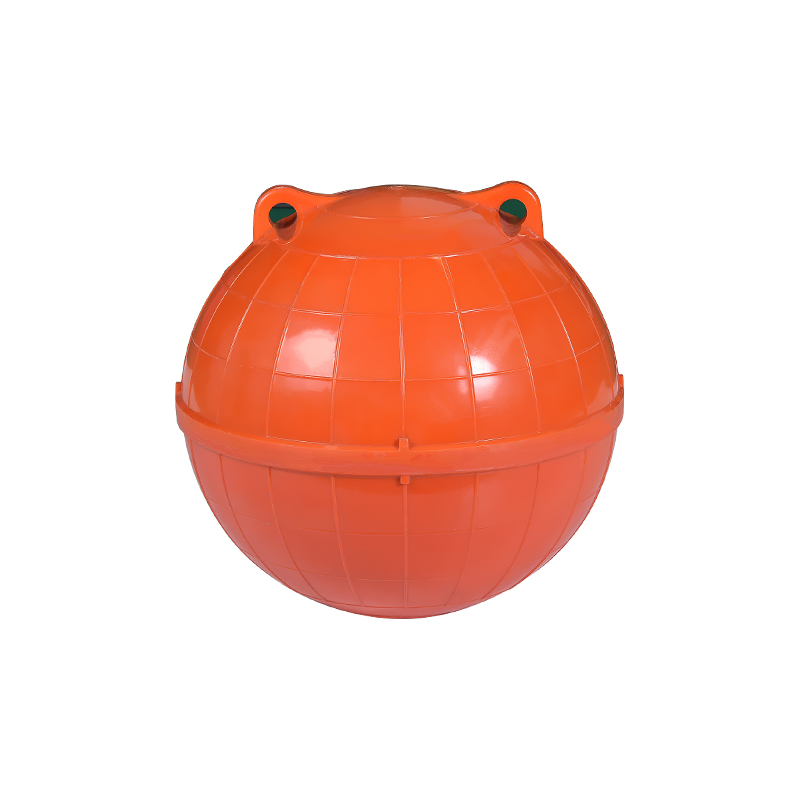
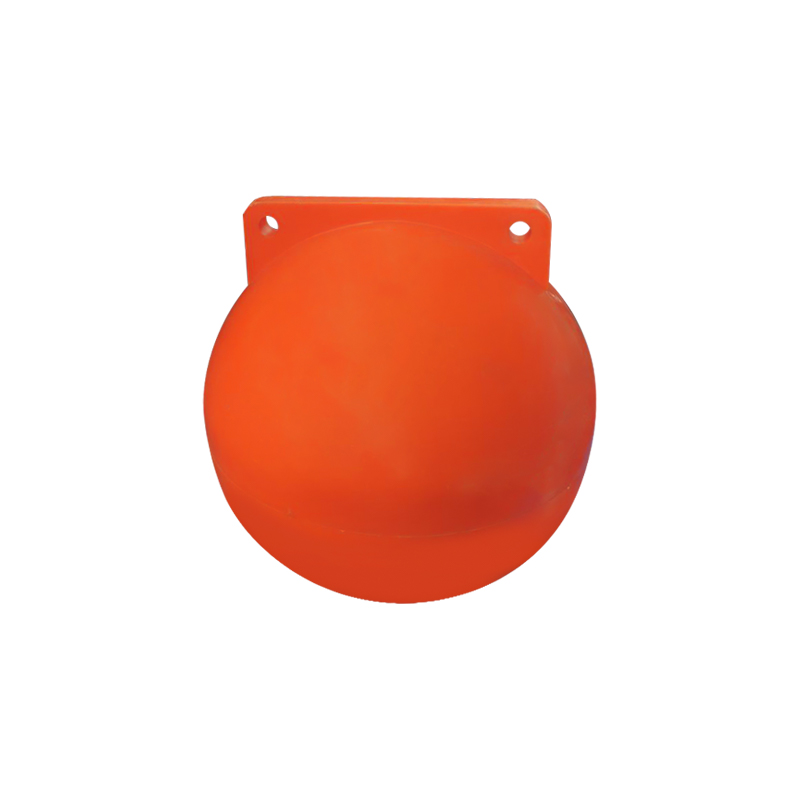
Rotomolding floating balls serve as essential components across marine and water management environments — from marking shipping channels and supporting aquaculture nets to floating dredging pipelines and delineating water treatment zones. Their value comes from a combination of high buoyancy-to-weight ratio, UV and chemical resistance, seamless hollow construction, and long service life that injection-molded or blow-molded alternatives cannot consistently match at scale. This article covers the primary application categories in detail, with specific performance data and real-world use cases.
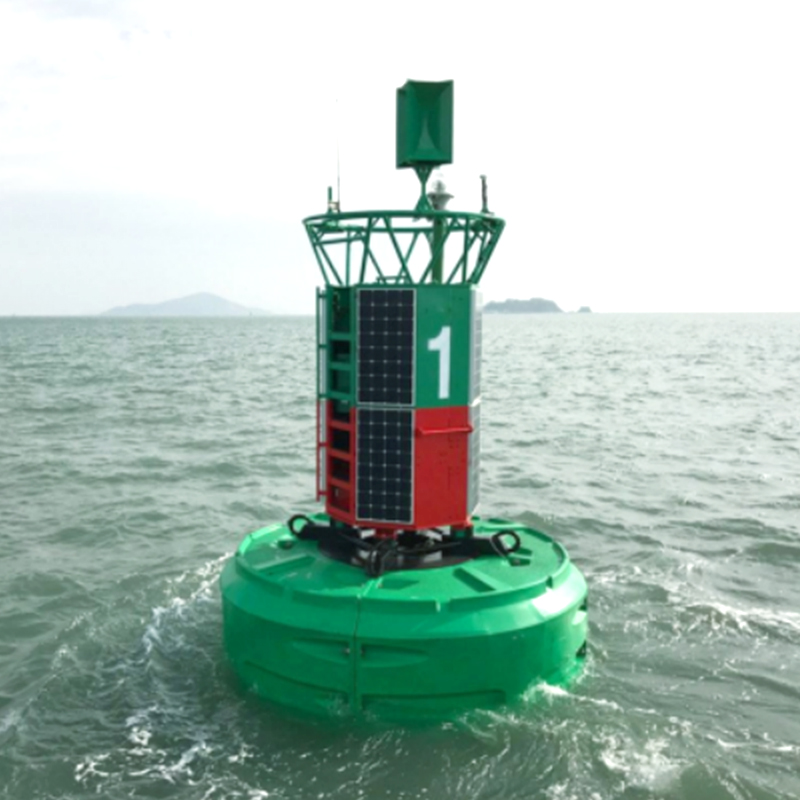
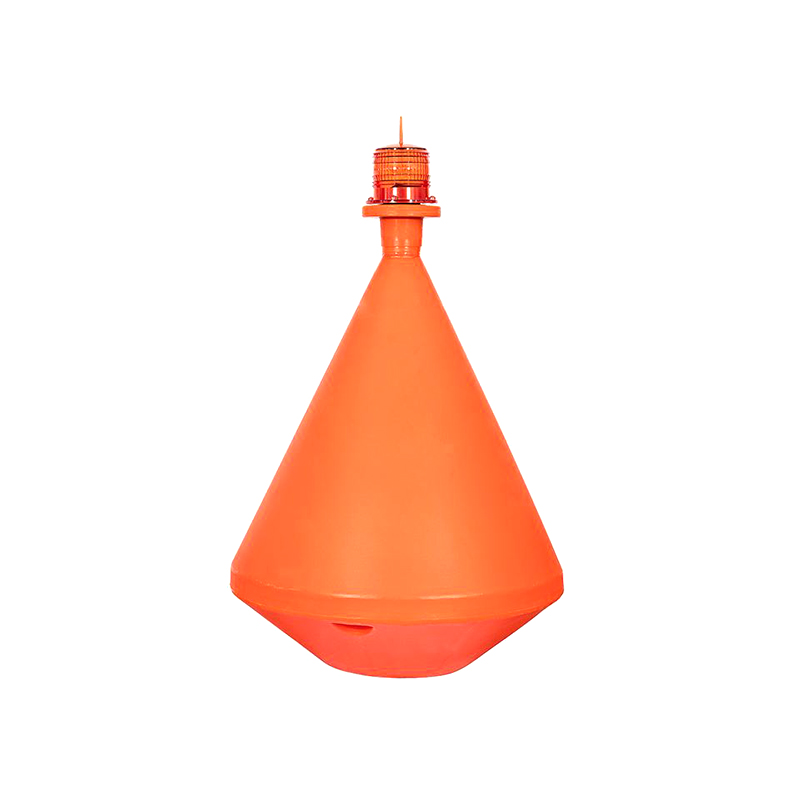
One of the most visible uses of rotomolding floating balls is as navigation markers in harbors, rivers, and coastal waterways. These balls define safe passage corridors, mark hazards, and delineate restricted zones for vessels of all sizes.
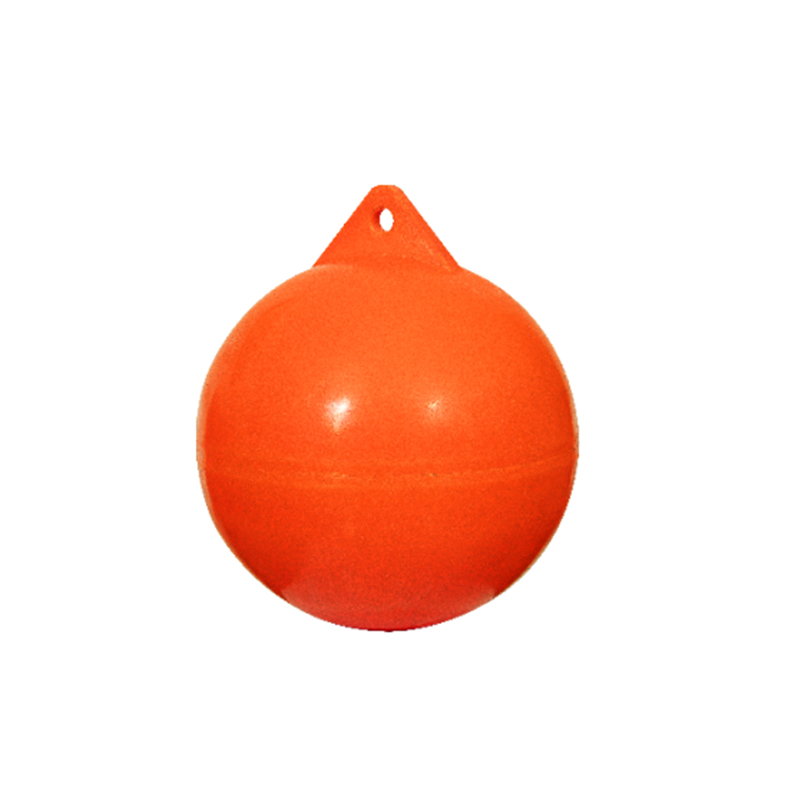
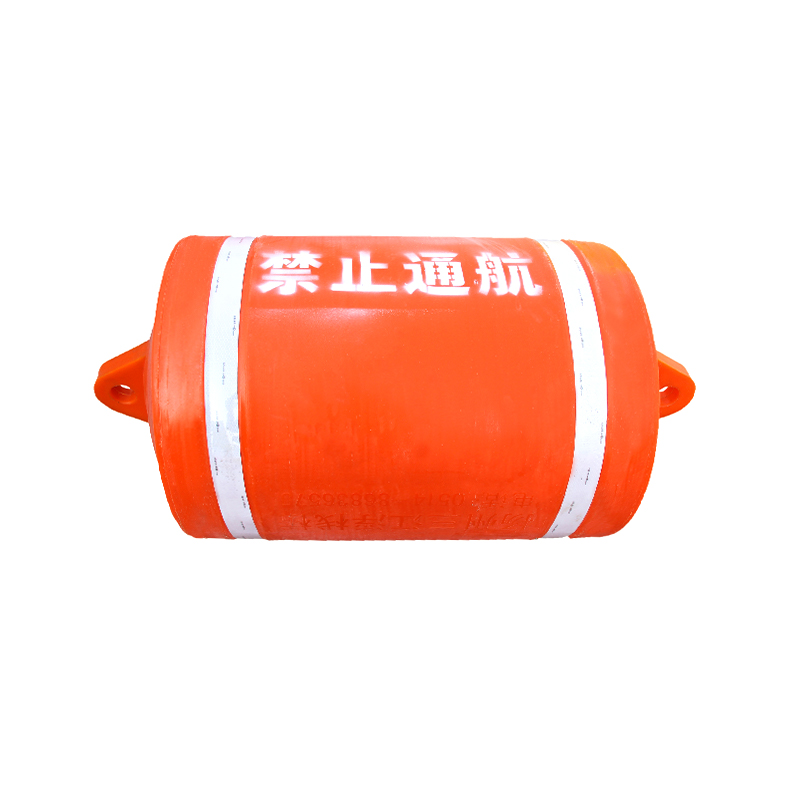
Navigation marker balls must remain visible in adverse weather, chop, and low-light conditions. Standard channel marker balls used in commercial shipping lanes typically range from 400 mm to 1,000 mm in diameter, with the larger sizes reserved for open-water or offshore applications where visibility must extend beyond 500 meters. Balls are molded in high-visibility colors — international orange, yellow, red, and green — using UV-stabilized pigments that retain color integrity for 7–10 years under continuous sun exposure.
Navigation balls are anchored to the seabed via a chain or rope attached through a stainless steel through-bolt or molded-in eyelet at the base of the ball. The mooring line length is calculated so the ball maintains its position within a defined watch circle — typically no more than 15–20% of water depth in horizontal drift — even under tidal current and storm surge conditions. Rotomolded HDPE balls withstand the repeated impact of anchor chain snatch loads that would crack rotationally cast alternatives made from lower-grade polyethylene.
For nighttime and poor-visibility navigation, marker balls are fitted with retroreflective tape bands (typically 50–100 mm wide) applied around the equator of the ball, or with battery-powered LED light units mounted through the top. Solar-powered LED versions with automatic dusk-to-dawn activation have become the industry standard for unmanned remote markers, reducing maintenance intervals from monthly to once per 12–18 months.
The aquaculture industry is one of the largest volume consumers of rotomolding floating balls globally. Floating balls perform multiple structural and functional roles in fish farm and shellfish farm installations.
Circular and square net pen frames require continuous perimeter buoyancy to keep the top of the net at or above the waterline. Rotomolded balls of 200–400 mm diameter are threaded onto the perimeter rope at regular intervals, typically every 0.5–1.5 meters depending on net weight and wave exposure. A standard 20-meter diameter circular net pen may carry 40–80 floating balls along its perimeter collar, with additional balls supporting internal feed lines and monitoring equipment.
In mussel and oyster longline farming, floating balls support horizontal backbone ropes from which shellfish dropper lines are suspended. Each dropper line can carry 15–25 kg of shellfish at harvest weight, requiring precisely calculated ball sizing and spacing to maintain consistent rope depth. Under-buoyed longlines sink too deep, reducing shellfish growth rates due to lower light and oxygen levels; over-buoyed systems ride too high and expose stock to surface temperature extremes and predator risk.
Marine aquaculture environments are heavily biofouled — barnacles, mussels, and algae accumulate on all submerged and splash-zone surfaces. HDPE rotomolded balls resist biofouling attachment better than painted steel or rubber alternatives due to their low surface energy. Fouling that does accumulate is easily pressure-washed off without damaging the ball surface, an important maintenance advantage when balls must be cleaned and redeployed each season.
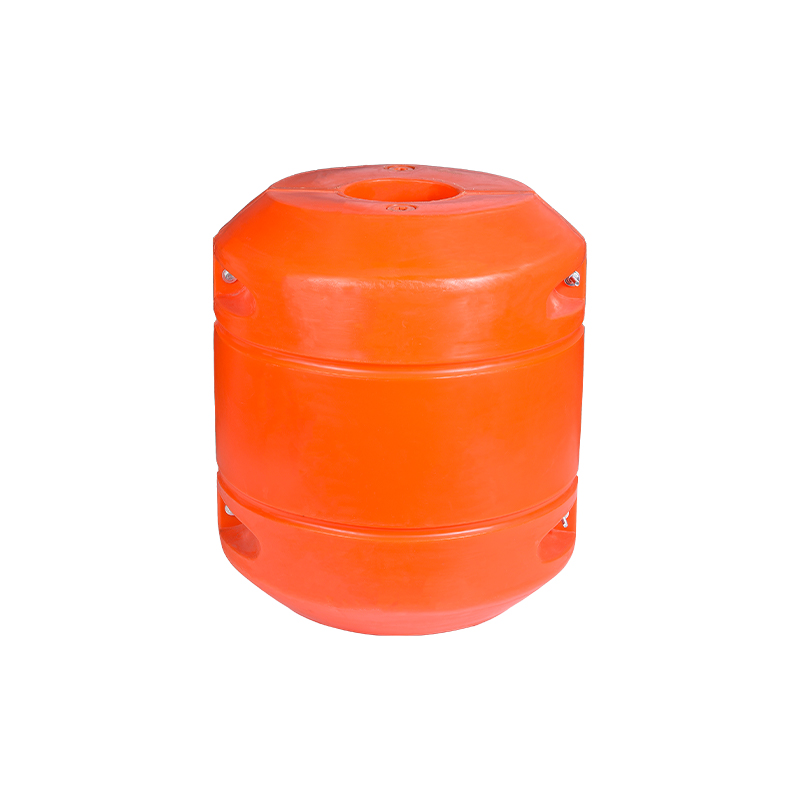
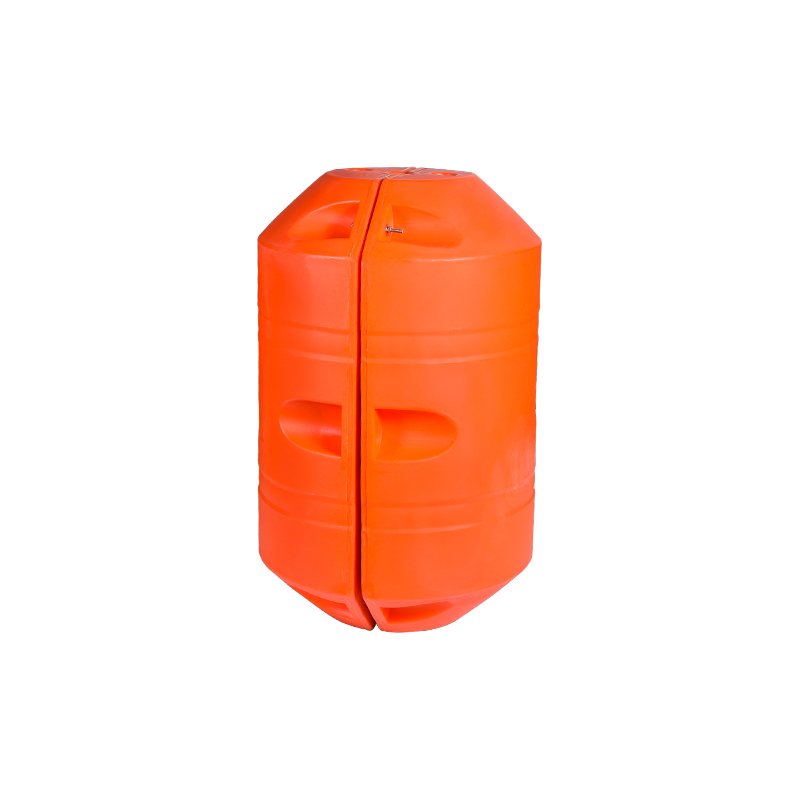
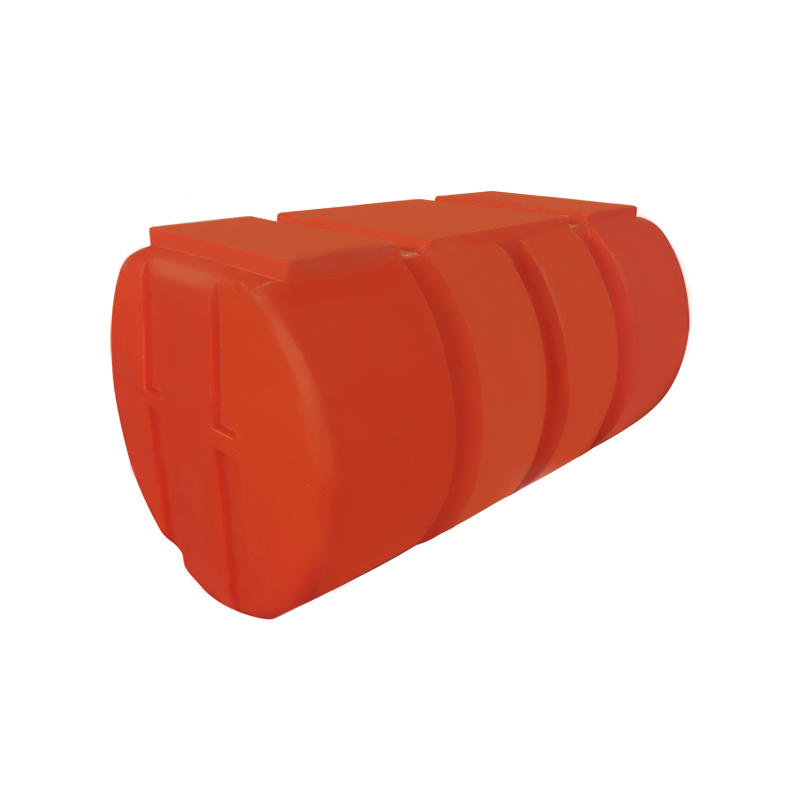
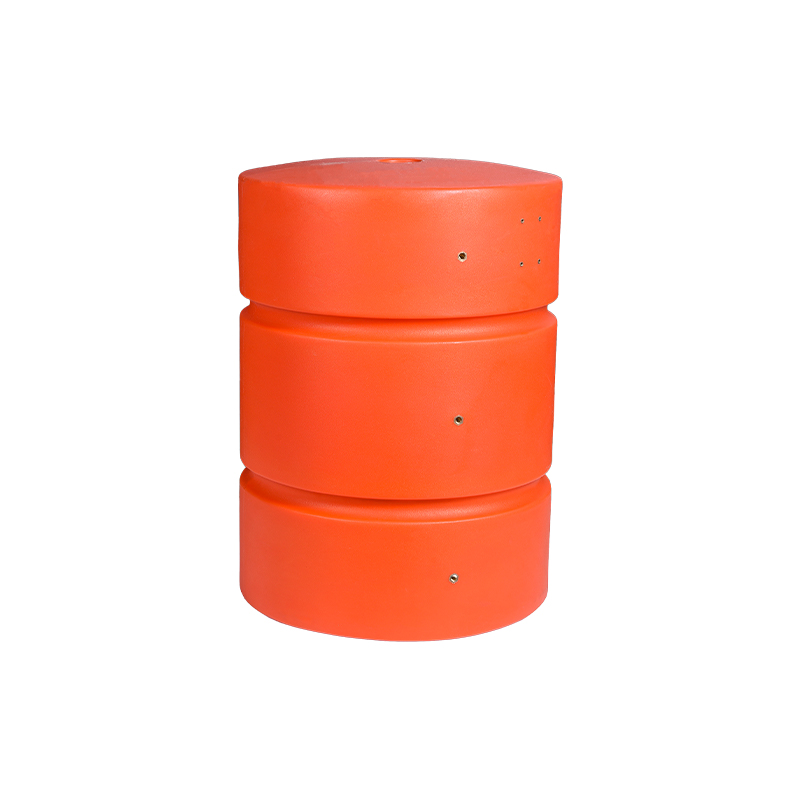
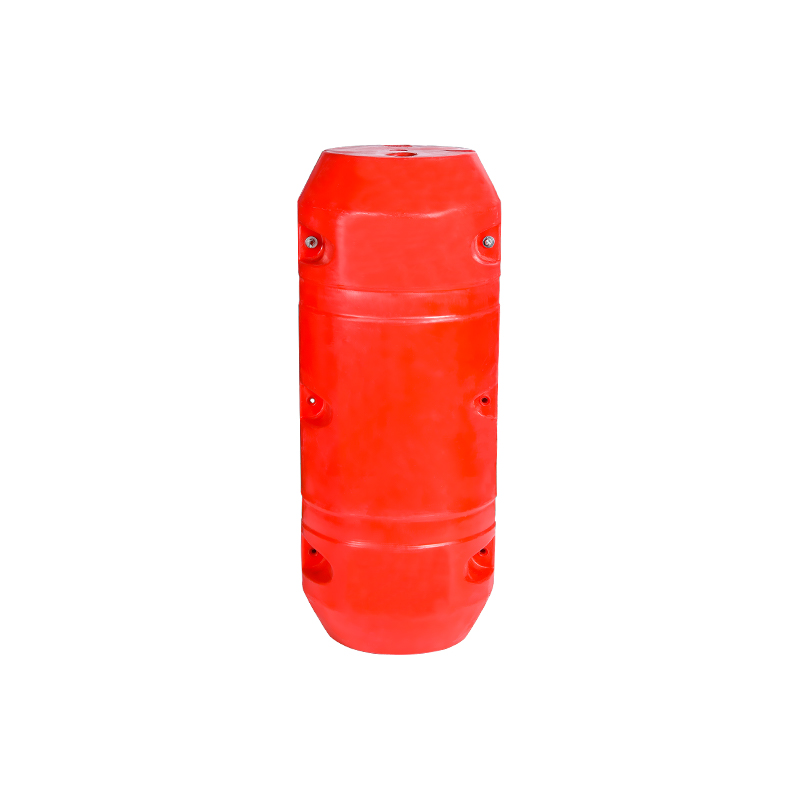
Dredging operations require flexible floating pipelines to transport slurry — a mixture of water, sand, and sediment — from the dredge head to a discharge point that may be several kilometers away. Rotomolding floating balls are the primary buoyancy element that keeps these pipelines on the water surface throughout the operation.
A fully loaded dredging hose assembly — including the pipe, slurry contents, and fittings — can exert a net negative buoyancy of 30–80 kg per linear meter in water. To offset this, large-diameter rotomolded balls of 500–800 mm are clamped around the pipe at intervals of 1–3 meters using steel saddle clamps or molded-in cradle brackets. A 500-meter dredging pipeline may require 200–500 individual floating balls, making cost per unit and ease of field replacement critical procurement factors.
Dredging environments expose floating balls to significant physical abuse — vessel traffic, floating debris, and the constant mechanical vibration of pumping operations. Heavy-duty rotomolded balls with 10–12 mm wall thickness and high-molecular-weight HDPE resin sustain impacts that would split thinner-walled alternatives. The seamless one-piece construction eliminates the weld lines present in blow-molded balls, which are the first point of failure under repeated impact loading.
| Pipeline Diameter | Typical Net Negative Buoyancy | Recommended Ball Size | Max Ball Spacing |
|---|---|---|---|
| 150 mm (6") | 10–18 kg/m | 400 mm | 1.5–2.0 m |
| 250 mm (10") | 25–40 kg/m | 500–600 mm | 1.2–1.8 m |
| 350 mm (14") | 45–70 kg/m | 600–800 mm | 1.0–1.5 m |
| 500 mm (20") | 80–120 kg/m | 800–1,000 mm | 0.8–1.2 m |
In municipal and industrial water management, rotomolding floating balls serve several functions that extend well beyond simple flotation — including evaporation suppression, water quality protection, and process zone separation.
In water-scarce regions, open reservoirs and evaporation ponds can lose 1,500–2,500 mm of water depth per year to surface evaporation. Floating black HDPE balls deployed at high surface density — covering 90–95% of the water surface — reduce evaporation by blocking solar radiation and wind contact with the water surface. Los Angeles's Ivanhoe Reservoir famously deployed 96 million shade balls (a variant of small rotomolded floating balls) in 2015 to protect water quality and reduce evaporation, demonstrating the concept at municipal scale.
In industrial wastewater treatment, open-top reaction tanks require surface covers to reduce odor emissions, minimize evaporative loss of treatment chemicals, and prevent rainwater dilution of process liquids. Rotomolded floating balls are preferred over rigid covers for these tanks because they self-adjust to variable liquid levels without mechanical actuation, tolerate corrosive chemical environments, and can be added or removed without shutting down the process. Tanks handling acidic or caustic fluids typically specify chemical-grade HDPE or polypropylene resin balls for enhanced chemical resistance.
In large open-water treatment lagoons and settling ponds, floating balls on rope lines create visible boundaries between process zones — separating aeration areas from sedimentation zones, or marking effluent discharge points for regulatory inspection purposes. These installations use 100–200 mm balls at close spacing to create a continuous, clearly visible surface line that survives wind, wave, and equipment movement within the lagoon.
Rotomolding floating balls play an increasingly important role in flood control infrastructure, where their ability to rise and fall passively with water levels makes them uniquely suited to dynamic water management applications.
Large-diameter rotomolded balls — typically 200–500 mm — are used as the actuating element in automatic float valve assemblies installed in water towers, retention basins, and irrigation reservoirs. As water level rises, the ball lifts and mechanically closes the inlet valve; as level drops, the ball descends and reopens flow. The critical specification here is dimensional consistency: the ball diameter must be accurate to within ±2 mm to ensure the float arm geometry produces the correct valve closure force at the target water level.
Stormwater channels and river flood control structures use floating ball barrier lines to intercept surface debris — plastic waste, vegetation, and floating hazards — before it enters pump stations, culverts, or sensitive water bodies. Balls of 300–500 mm diameter strung on heavy-duty rope or wire rope at close intervals create a flexible, self-leveling barrier that rises with flood flows without rigid structural support. Unlike fixed screen barriers, floating ball booms do not impound debris-laden floodwater and create backwater flooding risk.
| Application | Typical Ball Size | Key Performance Requirement | Typical Service Life |
|---|---|---|---|
| Navigation markers | 400–1,000 mm | UV color stability, wave resistance | 7–10 years |
| Aquaculture net support | 200–400 mm | Biofouling resistance, impact strength | 5–8 years |
| Dredging pipeline flotation | 500–1,000 mm | Wall thickness, abrasion resistance | 3–5 years (heavy use) |
| Evaporation suppression | 100–200 mm | UV stability, chemical inertness | 10+ years |
| Float valve actuators | 200–500 mm | Dimensional precision, watertight seal | 8–12 years |
| Debris boom barriers | 300–500 mm | Impact resistance, flexible self-leveling | 5–7 years |
In environmental response operations, rotomolding floating balls provide the buoyancy backbone for oil containment boom systems deployed around fuel spills, pipeline ruptures, and vessel groundings.
Oil spill containment booms consist of a floating upper section — supported by rotomolded balls or cylindrical floats — connected to a weighted skirt that hangs below the waterline to prevent oil from passing underneath. The floating balls must maintain positive buoyancy even when partially coated with oil and must resist the petrochemical degradation that causes rubber and foam floats to swell or delaminate over time. HDPE rotomolded balls are chemically inert to crude oil, diesel, and most refined petroleum products, making them the preferred float element for permanent spill response equipment stationed at fuel terminals, refineries, and port facilities.
Rapid-deployment containment boom systems using rotomolded floats can be deployed by a two-person crew at a rate of 100–150 meters per hour — a critical performance metric in time-sensitive spill response scenarios where containment speed directly determines the extent of environmental contamination.
The dominance of rotomolding in floating ball production for marine and water management applications is not accidental — it reflects specific manufacturing advantages that directly translate to field performance:
Together, these properties explain why rotomolded floating balls have displaced steel, rubber, and foam alternatives across virtually every marine and water management application over the past three decades — and why the global rotomolded float and buoy market continues to grow at an estimated 4–6% annually as infrastructure investment in aquaculture, water treatment, and coastal management expands worldwide.
 wuyuqiao village, Henghe Town, Cixi City, Zhejiang Province
 +86-15257871220
 [email protected]
