

 English
 عربى
عربى
How Do Aquaculture Barrels Improve Water Quality in Fish Farming?
Water quality is the backbone of a successful aquaculture operation. Without proper management of water parameters, such as ammonia levels, oxygen content, and waste accumulation, fish farming can quickly become unsustainable and detrimental to fish health. Aquaculture barrels, designed specifically for managing and improving water quality, are crucial tools in ensuring a healthy and thriving aquatic environment. These barrels play multiple roles, from filtering waste and increasing oxygen levels to helping maintain stable water temperatures.
1. Efficient Waste Management
In fish farming, one of the most significant challenges is managing the large amounts of waste generated by the fish, including feces and uneaten feed. If left unchecked, organic waste breaks down and releases harmful compounds like ammonia, nitrites, and nitrates, which can severely damage water quality and harm the fish. High levels of ammonia are particularly dangerous because they can lead to respiratory issues and even death in fish.
Aquaculture barrels help mitigate this issue by acting as waste collection and filtration units. Many of these barrels incorporate mechanical filters that trap solid waste, along with biological filters that break down harmful substances. Biological filters typically utilize beneficial bacteria that convert ammonia into nitrites, and then nitrites into nitrates, a much less toxic compound. Although nitrates still need to be managed, their concentration in the water is significantly less harmful to fish than ammonia or nitrites.
By collecting and processing waste before it pollutes the water, aquaculture barrels help keep water conditions stable and prevent the accumulation of toxins that can lead to poor fish health, decreased growth rates, or disease outbreaks. This process not only ensures the well-being of the fish but also reduces the need for frequent water changes, which can be labor-intensive and expensive.
2. Oxygenation and Aeration
Oxygen is a critical component of water quality in aquaculture systems. Fish rely on dissolved oxygen for respiration, and without sufficient oxygen levels, they can become stressed, diseased, and fail to thrive. In high-density aquaculture systems, where many fish are housed in confined spaces, oxygen demand can far exceed natural oxygen replenishment rates. Low oxygen levels can lead to poor feeding behavior, stunted growth, and increased susceptibility to infections and parasites.
Aquaculture barrels contribute to maintaining optimal oxygen levels through aeration and oxygenation systems. These barrels often include air pumps, diffusers, or water pumps that increase water circulation and introduce oxygen into the system. Proper aeration is essential in preventing hypoxia (low oxygen levels) and ensuring that fish have enough oxygen to thrive.
In addition to directly benefiting the fish, aeration also helps maintain the efficiency of the biological filtration process. Oxygen is required by the beneficial bacteria in biofilters to convert ammonia and nitrites into less toxic substances, so by oxygenating the water, aquaculture barrels also support waste processing. The continuous movement of water ensures that oxygen is evenly distributed across the system, preventing stagnant zones and ensuring that all areas of the tank receive adequate oxygenation.
| Feature | Aquaculture Barrel with Aeration | Traditional Systems |
|---|---|---|
| Oxygenation | Continuous oxygen supply, even in high-density environments | Oxygen may deplete in low-flow zones |
| Water Circulation | Enhances circulation, ensuring even distribution of oxygen | Limited circulation, leading to stagnation |
| Efficiency of Filtration | Aeration supports biofilter activity, enhancing waste breakdown | Biofilter efficiency decreases with low oxygen |
| Maintenance of Fish Health | Prevents hypoxia and associated stress | High risk of oxygen depletion, leading to stress |
| Energy Consumption | Energy-efficient aeration systems | May require more power to circulate water effectively |
3. Reduction of Ammonia and Nitrite Levels
Ammonia and nitrites, byproducts of fish waste, are toxic to fish, even in relatively low concentrations. Ammonia, for instance, can irritate the fish’s gills, leading to respiratory distress and even death. In a poorly managed system, the accumulation of ammonia and nitrites can quickly lead to lethal levels, especially in high-density aquaculture setups.
Aquaculture barrels equipped with biological filtration systems are particularly effective in addressing these issues. These systems host beneficial bacteria that help break down ammonia and nitrites. The process begins with Nitrosomonas bacteria converting ammonia into nitrites, which are also toxic. Next, Nitrobacter bacteria convert nitrites into nitrates, a much less harmful substance for the fish.
Though nitrates still need to be controlled (since high nitrate levels can cause problems like algae blooms), they are far less toxic than ammonia or nitrites. Aquaculture barrels equipped with biofilters continuously reduce the harmful levels of ammonia and nitrites, helping to create a stable, healthy water environment for the fish. This ensures that water quality remains high, and fish can thrive without the threat of toxic build-up.
4. Temperature Regulation
Water temperature plays an important role in fish metabolism, feeding behavior, and overall health. Different fish species have optimal temperature ranges, and deviating from this range can cause stress, slow growth, or even death. Sudden temperature fluctuations can also weaken the fish’s immune system, making them more susceptible to diseases.
Aquaculture barrels, especially those used in recirculating aquaculture systems (RAS), help maintain stable water temperatures. These systems can be equipped with heaters, chillers, or even insulated barrels to help regulate temperature and prevent sudden changes. Stable temperatures support efficient biological processes, including filtration, oxygenation, and the natural metabolic functions of the fish.
For example, certain species, like tilapia, thrive in warmer waters, while trout prefer cooler environments. By controlling water temperature, aquaculture barrels ensure that fish remain within their preferred range, improving growth rates, boosting immune function, and enhancing feeding behavior. Furthermore, maintaining consistent temperature conditions helps prevent stress-related diseases and improves the overall efficiency of the farming operation.
5. Improved Water Circulation
Effective water circulation is essential for good water quality in aquaculture systems. Poor circulation can lead to stagnant zones, where waste and organic matter accumulate, creating pockets of polluted water that can harm fish. In addition, inadequate circulation can lead to uneven distribution of oxygen, which could cause low oxygen levels in some parts of the system, leading to stress and fish mortality.
Aquaculture barrels equipped with pumps or airlift systems help ensure that water circulates properly throughout the entire system. This constant movement of water not only prevents stagnation but also ensures that waste is moved toward filtration units, where it can be processed. Proper circulation allows for better oxygen distribution and the even mixing of nutrients, which is important for fish health and optimal growth.
By maintaining good water circulation, aquaculture barrels help maintain a homogenous environment for the fish, reducing the chances of localized pollution and oxygen depletion. This is particularly important in high-density systems where fish are closely packed and waste can accumulate quickly.
6. Algae Control
Excessive algae growth in aquaculture systems can lead to a range of problems, from reduced oxygen levels and water turbidity to harmful algal blooms that can release toxins into the water. Algae thrive on excess nutrients, particularly phosphates and nitrates, which are by-products of fish waste.
Aquaculture barrels help control algae by reducing nutrient levels through efficient waste processing. By utilizing biofilters and mechanical filtration systems, these barrels remove excess nutrients from the water, limiting the food source for algae. Additionally, by preventing overfeeding and ensuring proper waste management, aquaculture barrels reduce the risk of nutrient overloads that lead to algae blooms.
In some systems, aquaculture barrels may be equipped with ultraviolet (UV) light or chemical treatments to control algae directly. UV light helps break down the DNA of algae, preventing them from proliferating, while chemical treatments can be used to control specific types of algae. These measures, in conjunction with proper nutrient management, help keep water clear and reduce the negative impacts of algae growth.
FAQ Section
Q1: What types of waste do aquaculture barrels help manage?
Aquaculture barrels primarily manage fish waste, such as feces and uneaten feed. They help filter out solid waste and break down harmful compounds like ammonia and nitrites through biological filtration.
Q2: Can aquaculture barrels be used in both freshwater and marine environments?
Yes, aquaculture barrels are suitable for both freshwater and marine environments. However, the materials and filtration systems may be adjusted based on the specific needs of the environment.
Q3: How often should I clean an aquaculture barrel?
Cleaning frequency depends on the size of the system and fish density. In general, barrels should be cleaned regularly (every few weeks or as needed) to ensure optimal filtration and prevent clogging.
Q4: Do aquaculture barrels require special maintenance?
Routine maintenance, including cleaning filters, checking for damage, and ensuring proper aeration, is necessary to keep the barrels functioning efficiently. Regular inspection will help prevent system failures and improve overall water quality.
References
- Timmons, M. B., & Ebeling, J. M. (2013). Recirculating Aquaculture. Cayuga Aqua Ventures.
- Boyd, C. E., & Tucker, C. S. (2012). Water Quality in Aquaculture Systems. Springer Science & Business Media.
- Malone, R. F., & Beecher, J. (2000). Managing Water Quality in Aquaculture Systems: Strategies and Technologies. Aquaculture International, 8(5), 433-444.
Related Products
-
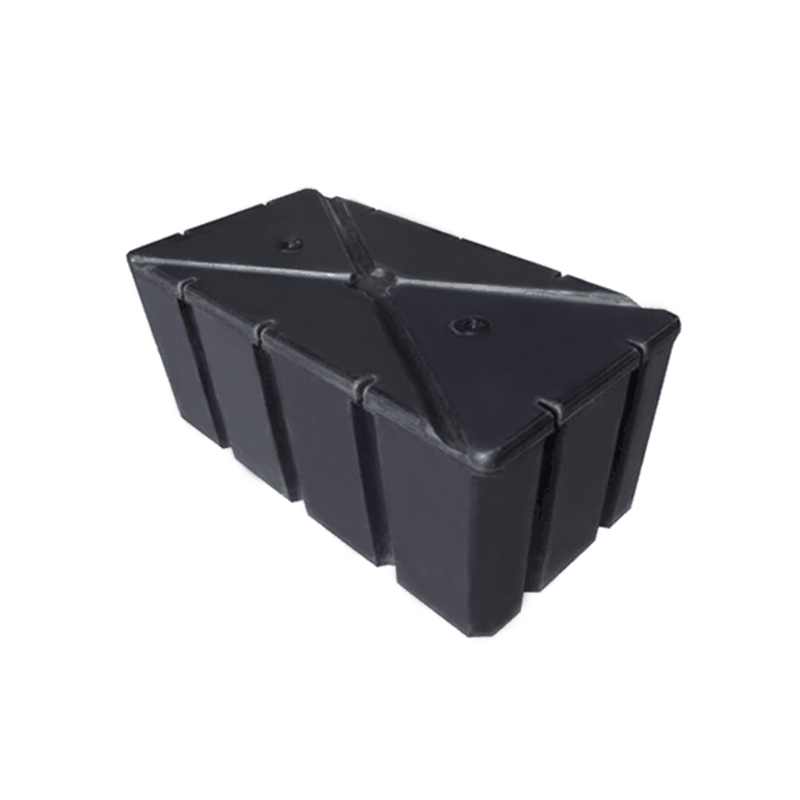
Square Rotomolding PE Floating Pontoon
-

Rotomolding LLDPE Floating Platform
-
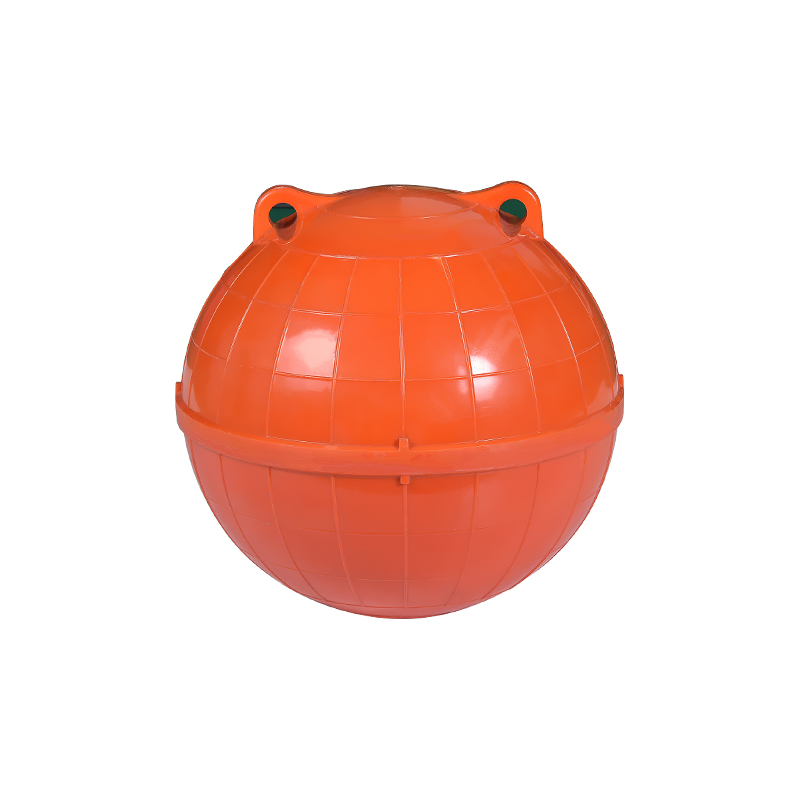
Durable 200mm ABS Rotational Molding Floating Balls
-
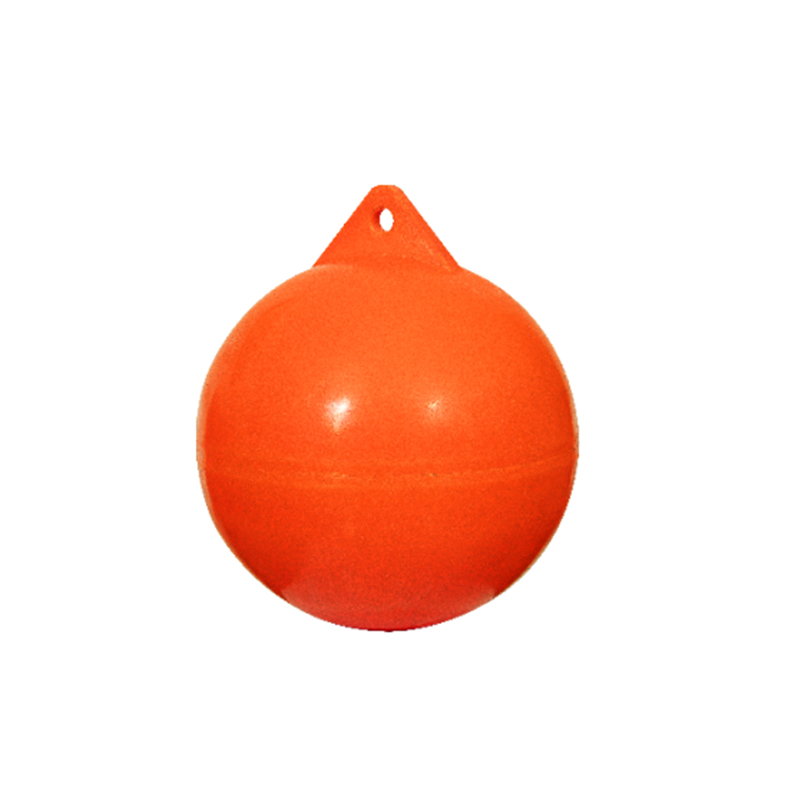
500mm Single Ear Rotomolding Floating Ball
-
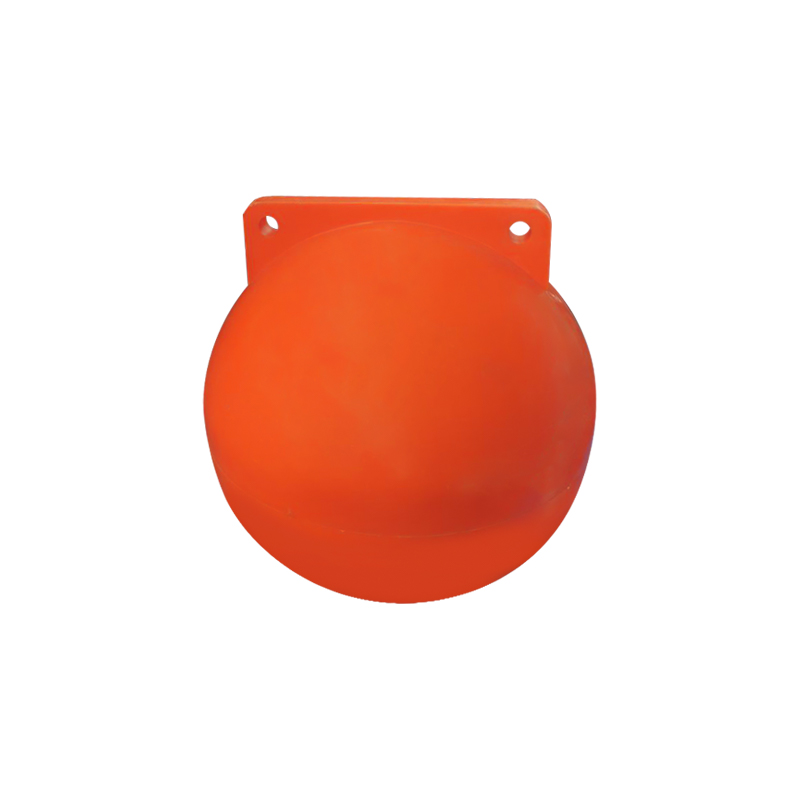
500mm Plastic Floating Ball LLDPE Warning Ball Floater
-
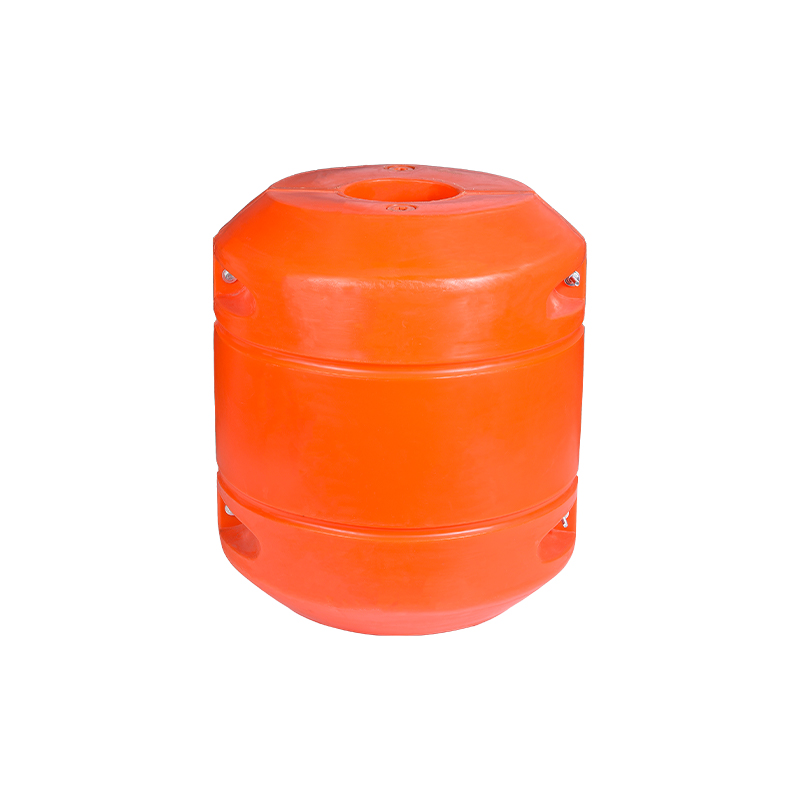
Warning Floating Dredging Pipe Pontoon
-
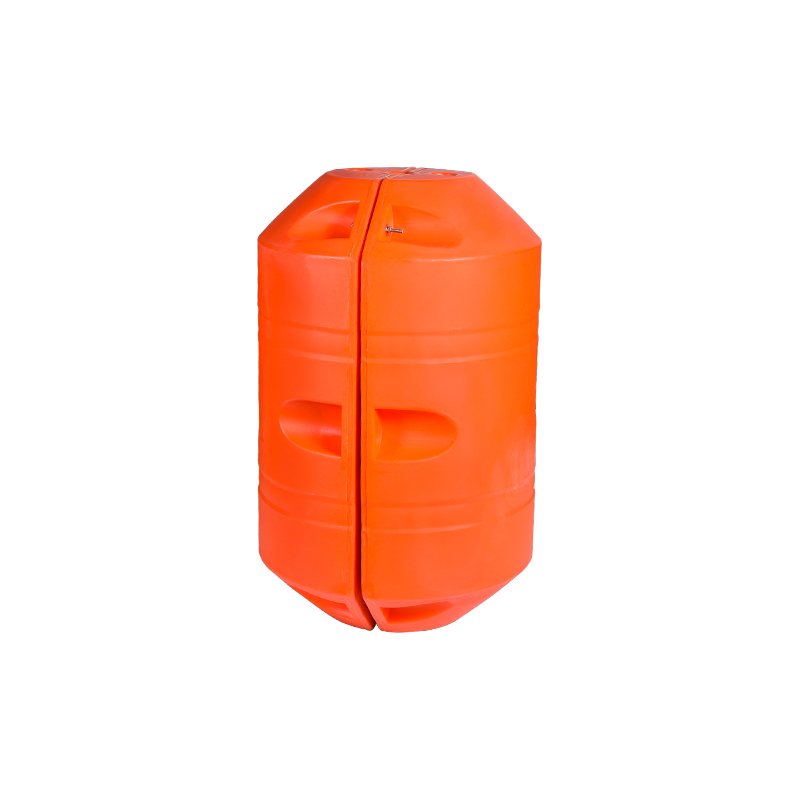
LLDPE Plastic Rotational Molding Dredge Pipe Float Pontoon
-
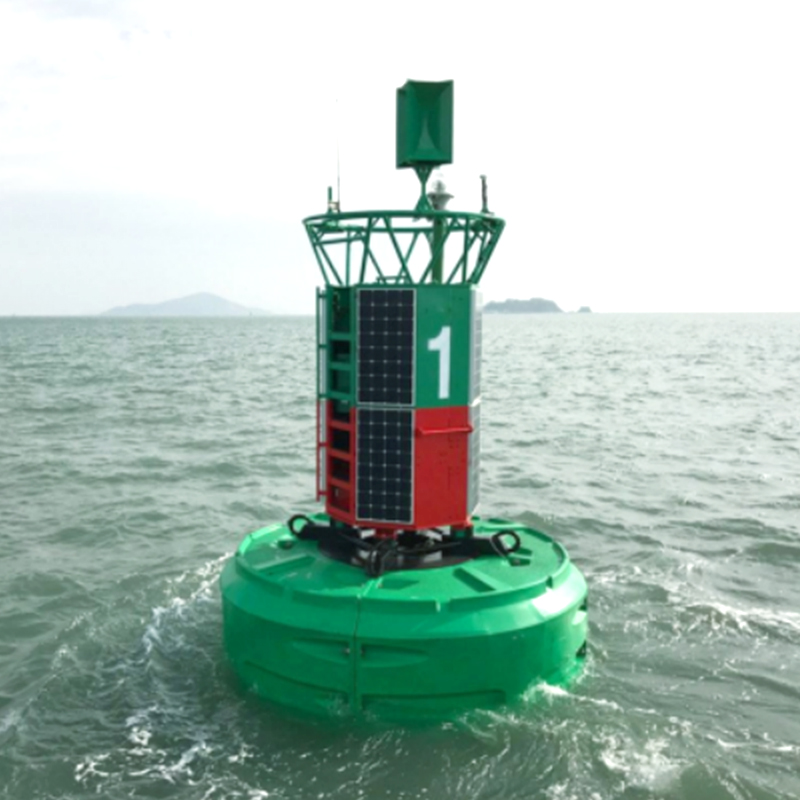
Marine Navigation Buoy/Warning Buoy
-
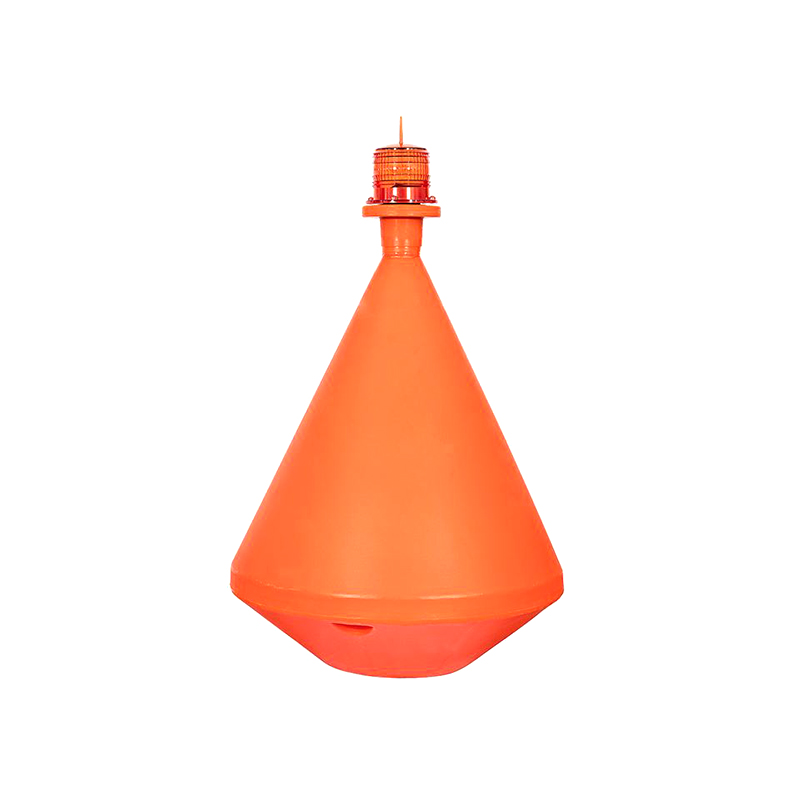
LLDPE Stationary Navigation Beacon Floating Buoy
-
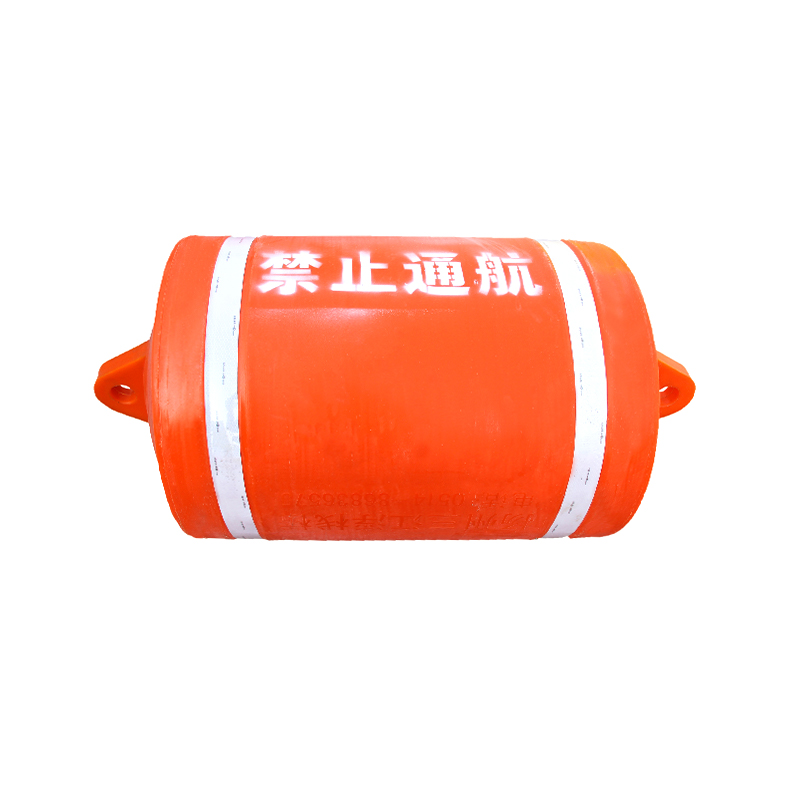
Rotomolding Warning Float With EPS Filler
-
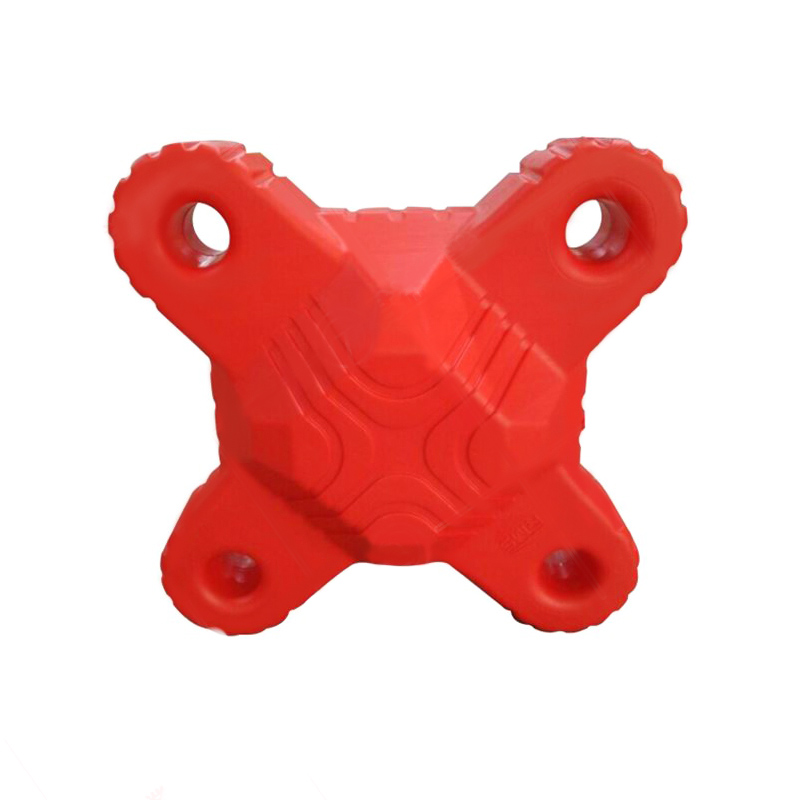
Rotomolding Anti-wave Buoy
-
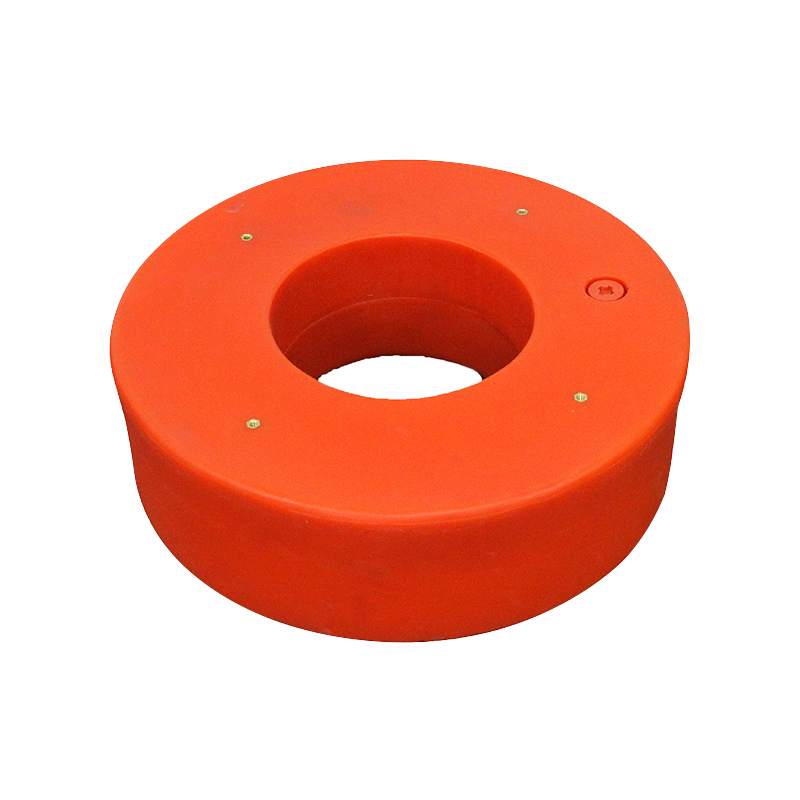
LLDPE Dredging Sludge Rotomolded Floating Ring
-
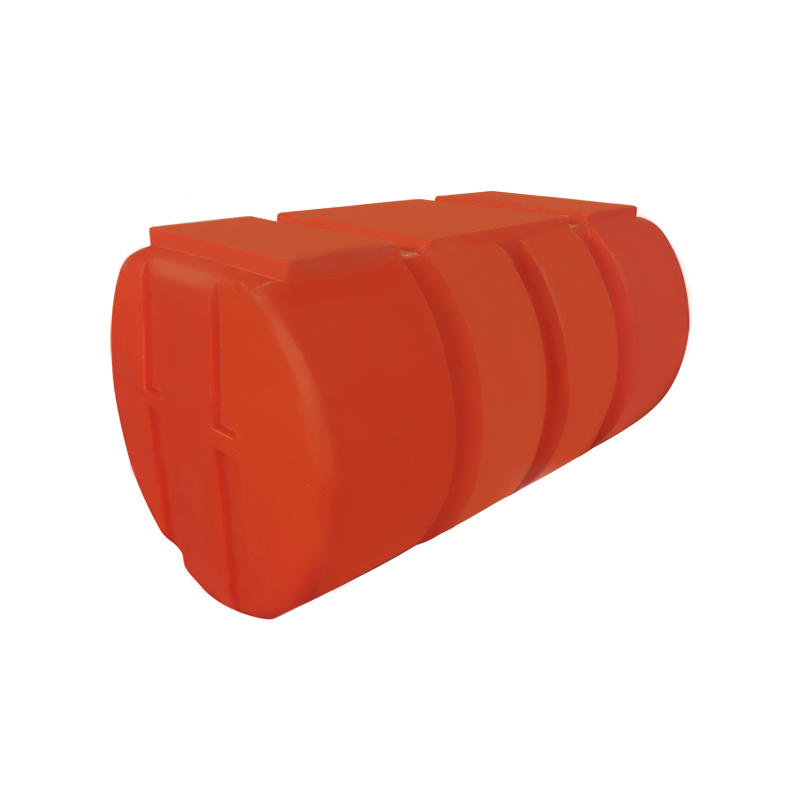
650 Diameter Rotomolding Breeding Floating Pontoon
-
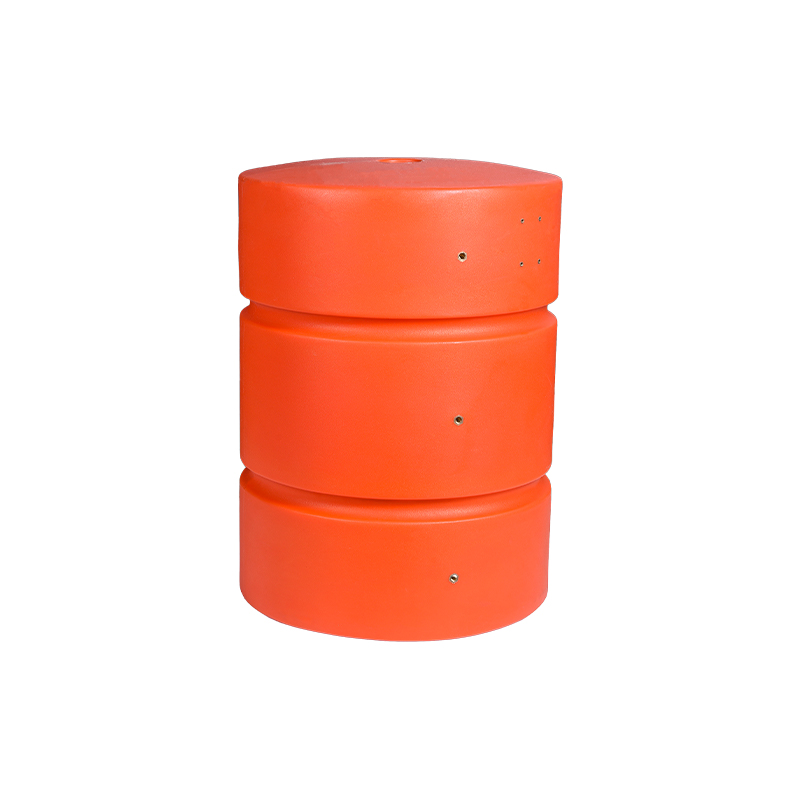
200 Diameter Rotomolding Sewage Retaining Float
-
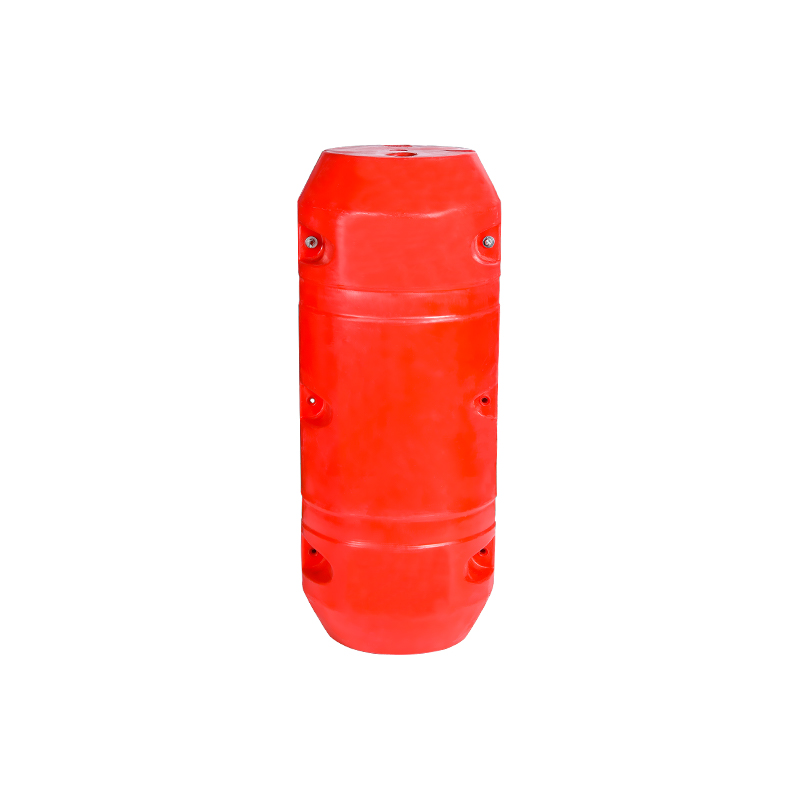
Rotational Molding Floating Body
-
Rotomolding Plastic LLDPE Fuel Tank
-
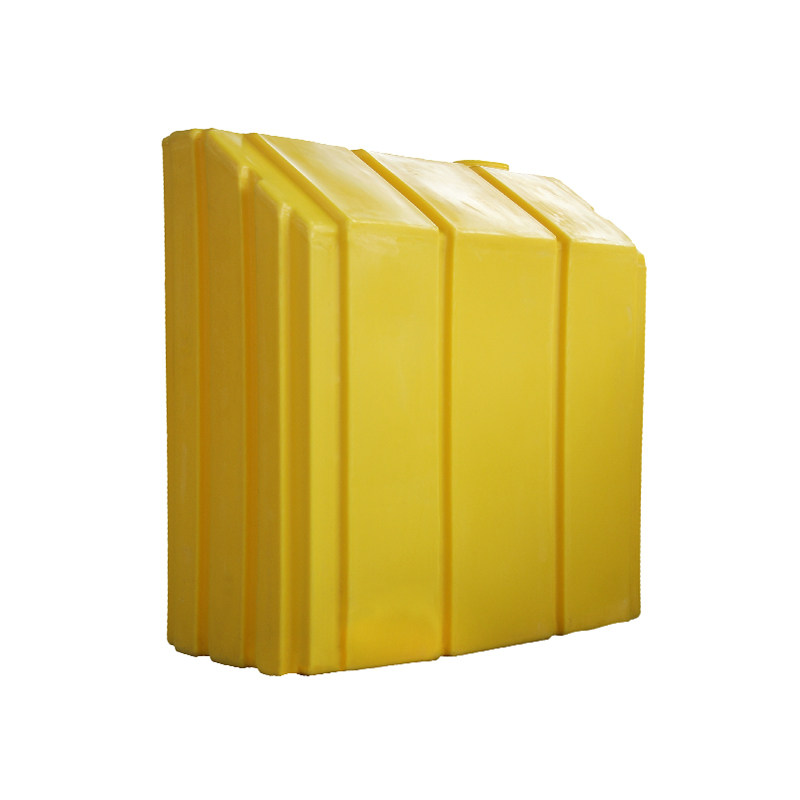
Rotomolding Plant Protection Water Tank
-
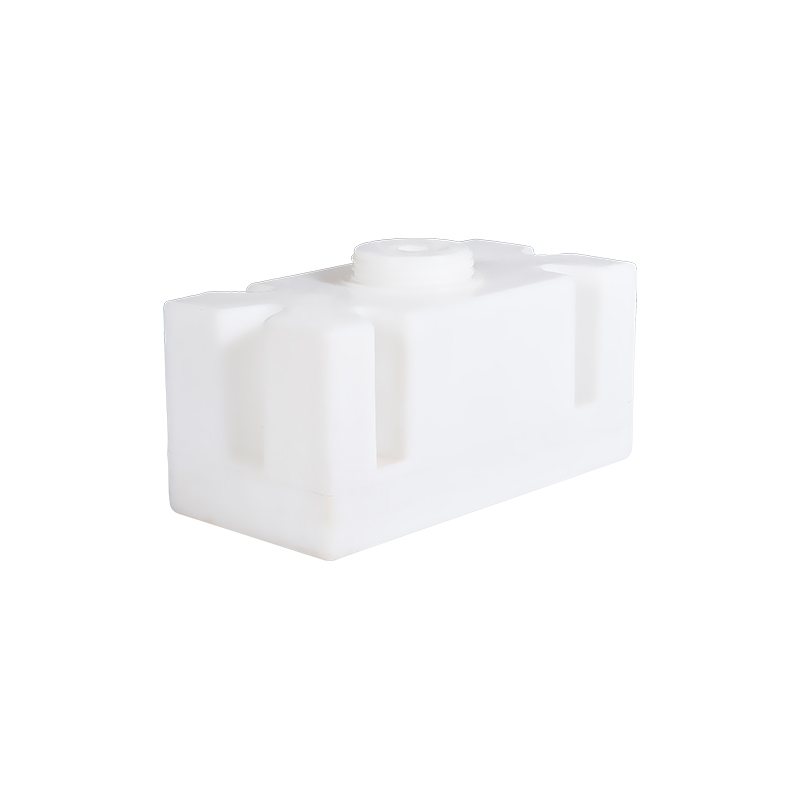
Rotomolding LLDPE RV Fresh Water Tank
QUICK CONTACT
-
 wuyuqiao village, Henghe Town, Cixi City, Zhejiang Province
-
 +86-15257871220
- +86 15924308271
-
 [email protected]
KEEP IN TOUCH
