

 English
 عربى
عربى
Why Are Rotomolding Leak-Proof Trays Ideal for Spill Containment?
1. Seamless Rotomolding Structure Ensures True Leak-Proof Performance
Rotomolding leak-proof trays are widely regarded as one of the most reliable solutions for spill containment, largely due to their seamless, one-piece construction. Rotational molding is a manufacturing process in which plastic resin is evenly heated and rotated inside a mold, forming a hollow product without the need for joints, seams, welds, or adhesives. This structural characteristic directly addresses one of the most common causes of containment failure: leakage at connection points.
In traditional spill containment trays—especially metal drip pans or fabricated plastic trays—joints and welds represent inherent weak points. Over time, exposure to vibration, thermal expansion, chemical attack, or mechanical stress can cause these joints to crack or fail. Even microscopic gaps can allow hazardous fluids to escape, undermining the entire purpose of secondary containment. Rotomolded trays eliminate this risk by forming a continuous, uniform wall structure that remains intact throughout the product’s service life.
Another critical advantage of seamless construction is uniform wall thickness. Rotomolding ensures consistent material distribution, reducing thin spots that could lead to deformation or puncture. This uniformity is especially important when trays are used under heavy equipment or exposed to uneven loads.
From an operational perspective, true leak-proof performance reduces environmental risk, cleanup costs, and regulatory exposure. Facilities handling oils, fuels, chemicals, or coolants can rely on rotomolding leak-proof trays to provide dependable containment without frequent inspection or replacement. This structural integrity makes rotomolded trays a foundational component in modern spill containment strategies.
2. Superior Chemical Resistance for Diverse Spill Containment Applications
Spill containment systems must be capable of safely handling a wide range of liquids, many of which are chemically aggressive or hazardous. Rotomolding leak-proof trays are typically manufactured from high-density polyethylene (HDPE) or linear low-density polyethylene (LLDPE), both of which offer exceptional resistance to chemicals commonly found in industrial environments.
Unlike metal trays, which are prone to corrosion, oxidation, and chemical reaction, rotomolded plastic trays remain chemically inert when exposed to oils, fuels, coolants, acids, alkalis, and many solvents. This resistance ensures that the tray material does not degrade, weaken, or become brittle over time. Chemical compatibility is particularly important in long-term spill containment, where gradual material degradation may go unnoticed until failure occurs.
Another advantage of rotomolded plastic is its non-porous nature. Liquids do not seep into the material, preventing absorption, staining, or contamination. This makes cleanup easier and allows the same tray to be reused for different fluids without risk of cross-contamination. In regulated industries such as chemical processing, pharmaceuticals, or food manufacturing, this is a significant operational benefit.
Additionally, chemical resistance supports regulatory compliance. Environmental agencies often require secondary containment systems to be compatible with stored substances. Rotomolding leak-proof trays help facilities meet these requirements while maintaining durability and leak-proof performance, even under continuous chemical exposure.
3. High Impact Resistance and Structural Strength in Industrial Environments
Industrial spill containment trays are often subjected to harsh physical conditions, including heavy loads, accidental impacts, vibration, and frequent handling. Rotomolding leak-proof trays are specifically engineered to perform reliably under these demanding conditions, offering a level of impact resistance and structural strength that many alternative solutions cannot match.
The rotomolding process allows designers to incorporate thick corners, reinforced bases, and integrated ribbing directly into the tray structure. These features enhance load-bearing capacity without introducing seams or joints that could compromise leak-proof integrity. As a result, rotomolded trays can safely support heavy equipment such as pumps, generators, compressors, and storage containers.
Impact resistance is another critical factor. In warehouses, factories, and maintenance areas, trays may be struck by tools, forklifts, or pallets. Metal trays may dent or crack, while brittle plastics may fracture. Rotomolded trays, however, exhibit controlled flexibility, allowing them to absorb impact energy without breaking. This resilience greatly reduces the likelihood of sudden containment failure.
Uniform wall thickness further contributes to structural reliability. Stress is evenly distributed across the tray, minimizing localized failure points. This consistent strength ensures that rotomolding leak-proof trays maintain performance even after years of exposure to mechanical stress, making them ideal for long-term spill containment in industrial environments.
Comparison of Rotomolding Leak-Proof Trays and Traditional Spill Containment Solutions
| Feature | Rotomolding Leak-Proof Tray | Metal / Fabricated Tray |
|---|---|---|
| Construction | Seamless, one-piece | Welded or assembled |
| Leak risk | Extremely low | Medium to high |
| Chemical resistance | Excellent | Limited |
| Corrosion | None | High |
| Impact resistance | High | Moderate |
| Maintenance | Minimal | Frequent |
| Service life | Long-term | Shorter |
4. Corrosion-Free Design for Long-Term Spill Containment Reliability
Corrosion is one of the primary causes of failure in traditional spill containment trays, particularly those made from steel or aluminum. Exposure to moisture, chemicals, and temperature fluctuations accelerates corrosion, leading to thinning walls, cracks, and eventual leaks. Rotomolding leak-proof trays completely eliminate this issue due to their plastic construction.
HDPE and LLDPE are inherently resistant to rust, oxidation, and electrochemical corrosion. This makes rotomolded trays especially suitable for outdoor installations, coastal environments, chemical plants, and facilities with high humidity. Even prolonged exposure to water, salt, or corrosive chemicals does not compromise structural integrity.
Corrosion-free performance translates directly into lower lifecycle costs. Metal trays often require coatings, liners, or regular repainting to maintain functionality. Rotomolded trays require virtually no surface treatment or corrosion protection, reducing maintenance labor and material costs.
For organizations seeking reliable, long-term spill containment solutions, corrosion resistance is not just a convenience—it is a critical safety and compliance factor. Rotomolding leak-proof trays provide consistent containment performance year after year, even in the most challenging environments.
5. Lightweight Construction Improves Installation Efficiency and Safety
Despite their strength and durability, rotomolding leak-proof trays are significantly lighter than comparable metal containment solutions. This lightweight construction offers practical advantages throughout the product lifecycle, from transportation and installation to repositioning and maintenance.
Lighter trays are easier to handle manually, reducing the need for cranes, forklifts, or additional labor during installation. This simplifies deployment, particularly in confined spaces or retrofit projects where access is limited. Faster installation also minimizes equipment downtime, improving operational efficiency.
From a safety perspective, lightweight trays reduce the risk of handling-related injuries. Workers can move and position trays more safely, supporting better workplace ergonomics and compliance with occupational safety standards.
Additionally, ease of relocation allows facilities to adapt spill containment layouts as equipment configurations change. This flexibility makes rotomolding leak-proof trays a versatile solution for evolving industrial environments.
6. Design Flexibility and Customization for Specific Spill Containment Needs
One of the most significant advantages of rotomolding technology is its design flexibility. Leak-proof trays can be custom-manufactured to match specific equipment footprints, containment volumes, and operational requirements without compromising structural integrity.
Custom features such as integrated sumps, drain ports, forklift pockets, raised edges, or sloped floors can be molded directly into the tray. Because these features are part of the seamless structure, they do not introduce additional leak paths.
Customization ensures optimal use of space and maximized containment capacity. Instead of adapting equipment to fit standard trays, rotomolded solutions are tailored to the application, improving both safety and efficiency. This level of customization is especially valuable in specialized industries such as energy, chemical processing, and manufacturing.
7. Compliance with Environmental and Safety Regulations
Environmental and safety regulations often mandate the use of secondary containment systems that are leak-proof, durable, and chemically compatible. Rotomolding leak-proof trays are well suited to meet these regulatory requirements.
Their seamless construction, chemical resistance, and long-term durability help facilities comply with spill prevention regulations while reducing the risk of fines, environmental damage, and operational disruption. For companies operating in regulated industries, rotomolded trays provide a reliable and compliant spill containment solution.
FAQ – Frequently Asked Questions
Q1: What materials are used in rotomolding leak-proof trays?
A: Most trays are made from HDPE or LLDPE due to their chemical resistance, strength, and durability.
Q2: Are rotomolding leak-proof trays suitable for outdoor use?
A: Yes. They are corrosion-free and often UV-stabilized for long-term outdoor exposure.
Q3: Can rotomolded trays be customized?
A: Absolutely. Sizes, shapes, sumps, drains, and structural features can be customized.
Q4: How long do rotomolding leak-proof trays last?
A: With proper use, they can provide reliable service for many years with minimal maintenance.
References
- U.S. EPA – Spill Prevention, Control, and Countermeasure (SPCC) Rule
- Plastics Industry Association – Rotational Molding Design and Applications
- OSHA – Hazardous Materials Handling and Spill Containment Guidelines
- British Plastics Federation – Advantages of Rotomolding in Industrial Products
Related Products
-
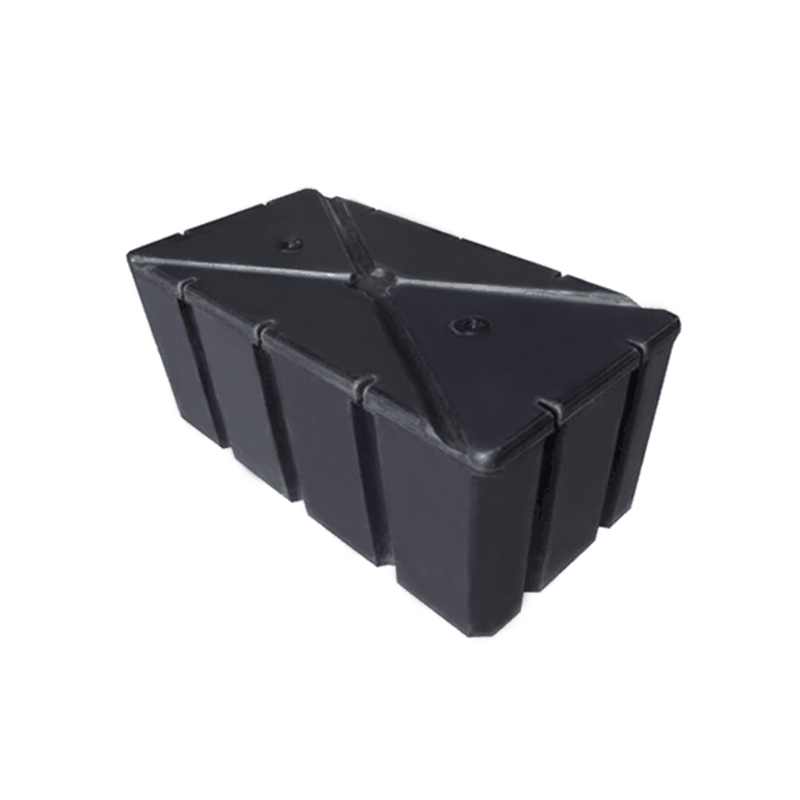
Square Rotomolding PE Floating Pontoon
-

Rotomolding LLDPE Floating Platform
-
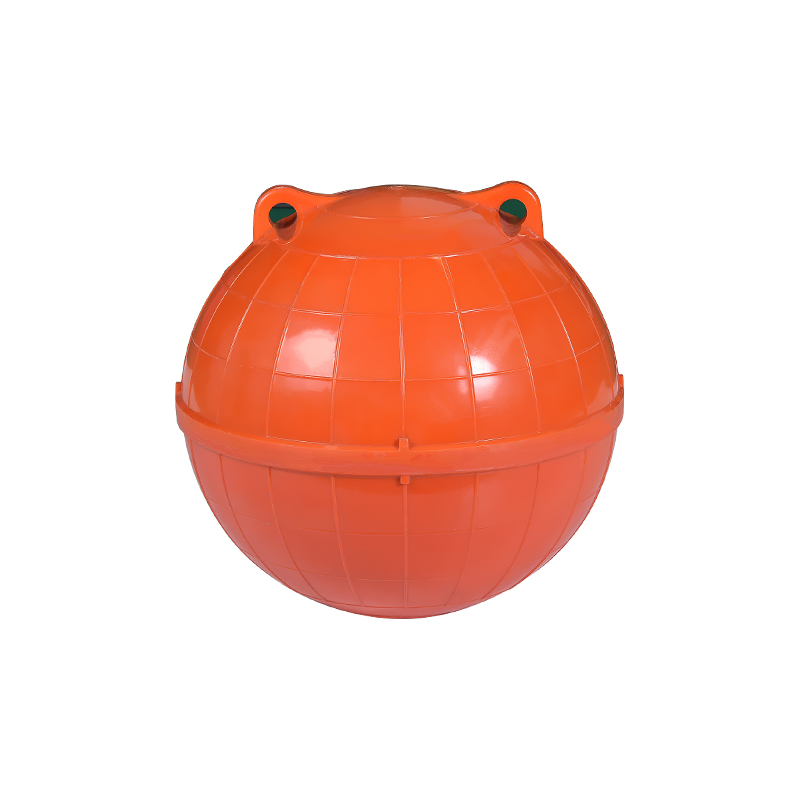
Durable 200mm ABS Rotational Molding Floating Balls
-
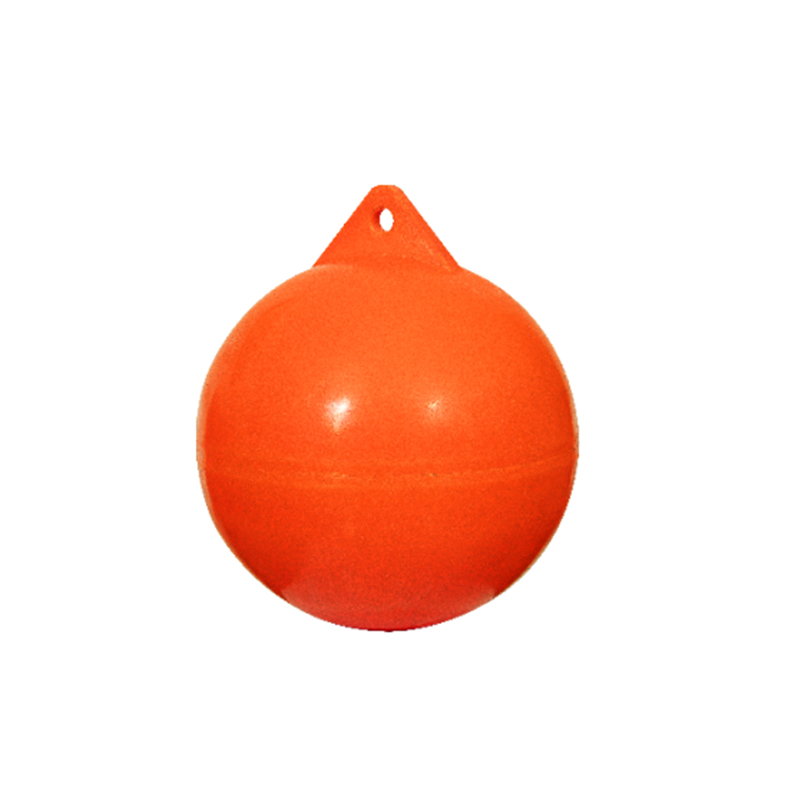
500mm Single Ear Rotomolding Floating Ball
-
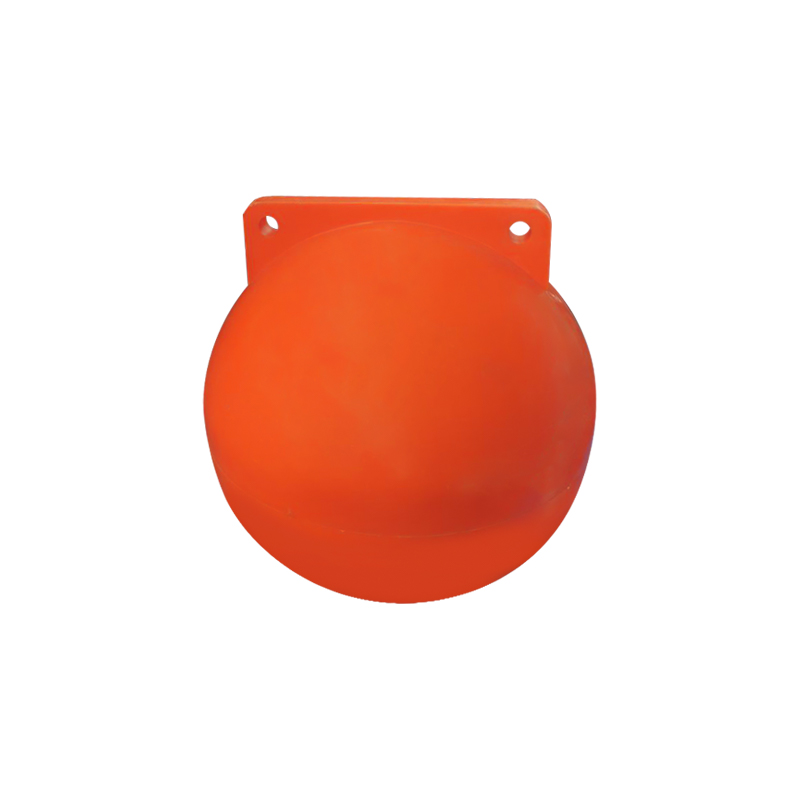
500mm Plastic Floating Ball LLDPE Warning Ball Floater
-
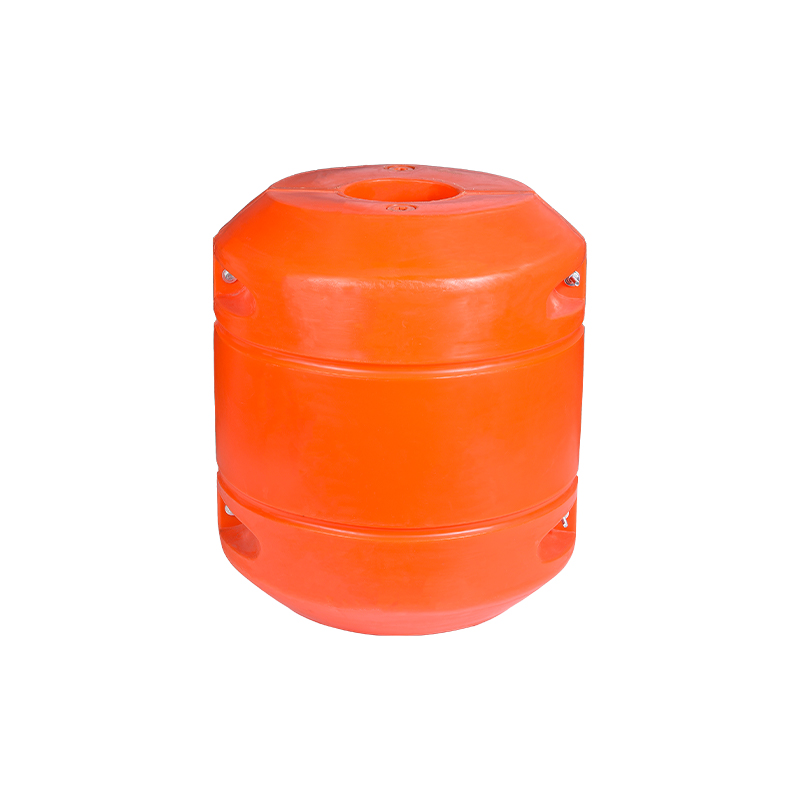
Warning Floating Dredging Pipe Pontoon
-
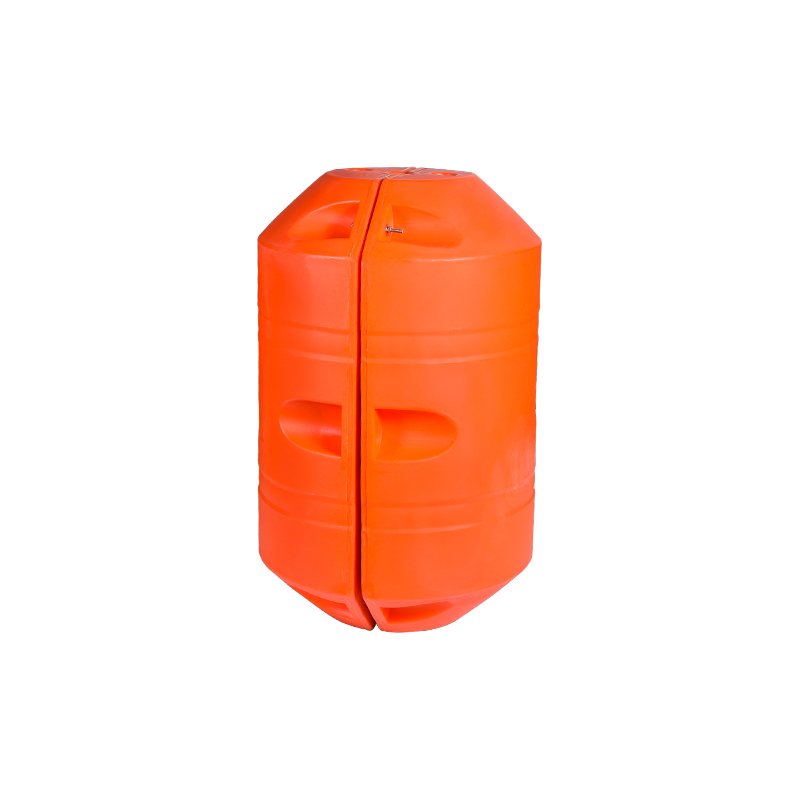
LLDPE Plastic Rotational Molding Dredge Pipe Float Pontoon
-
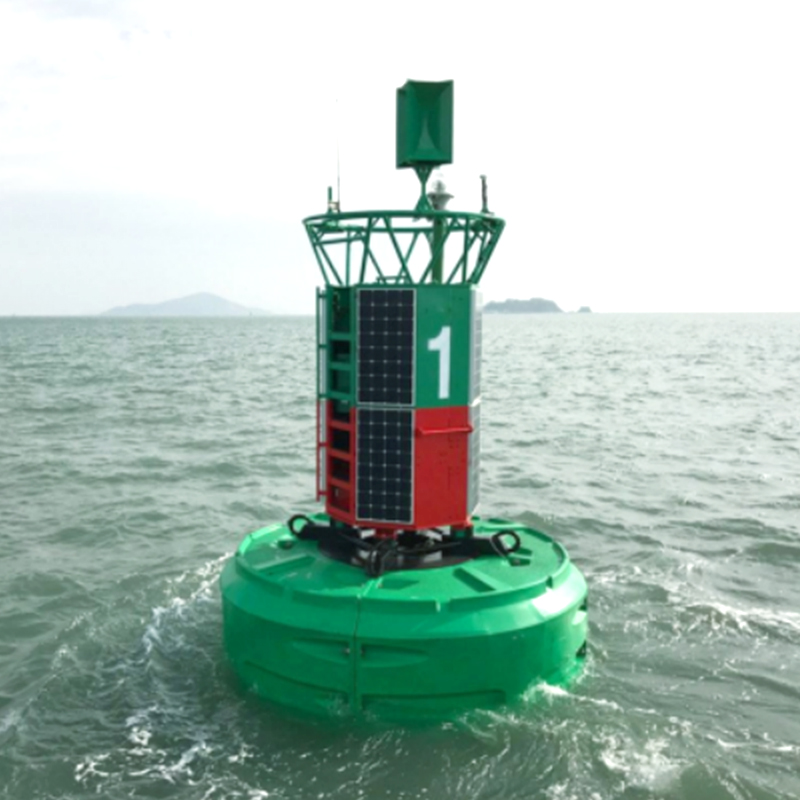
Marine Navigation Buoy/Warning Buoy
-
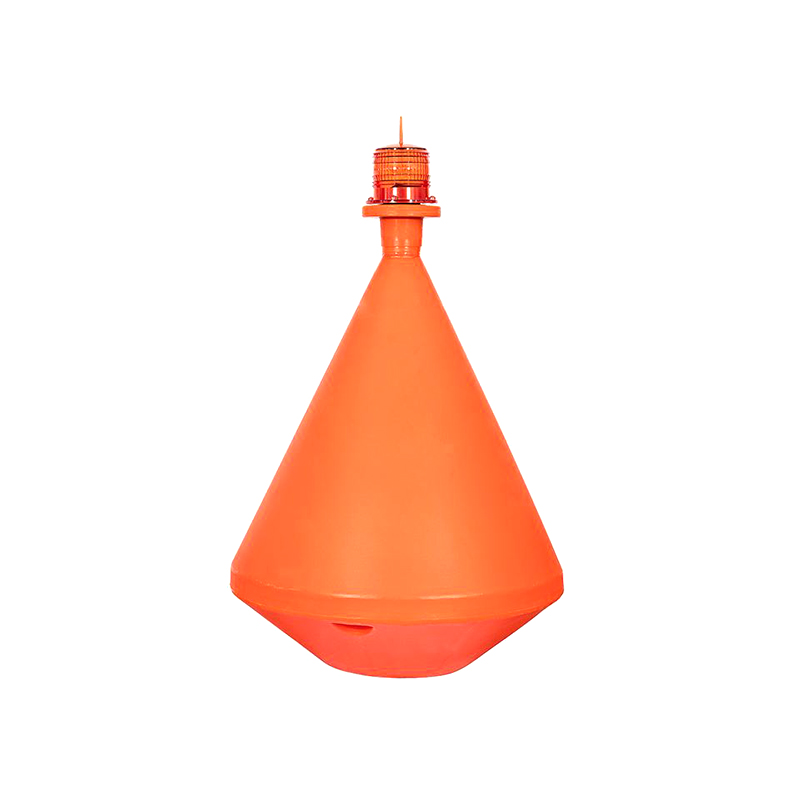
LLDPE Stationary Navigation Beacon Floating Buoy
-
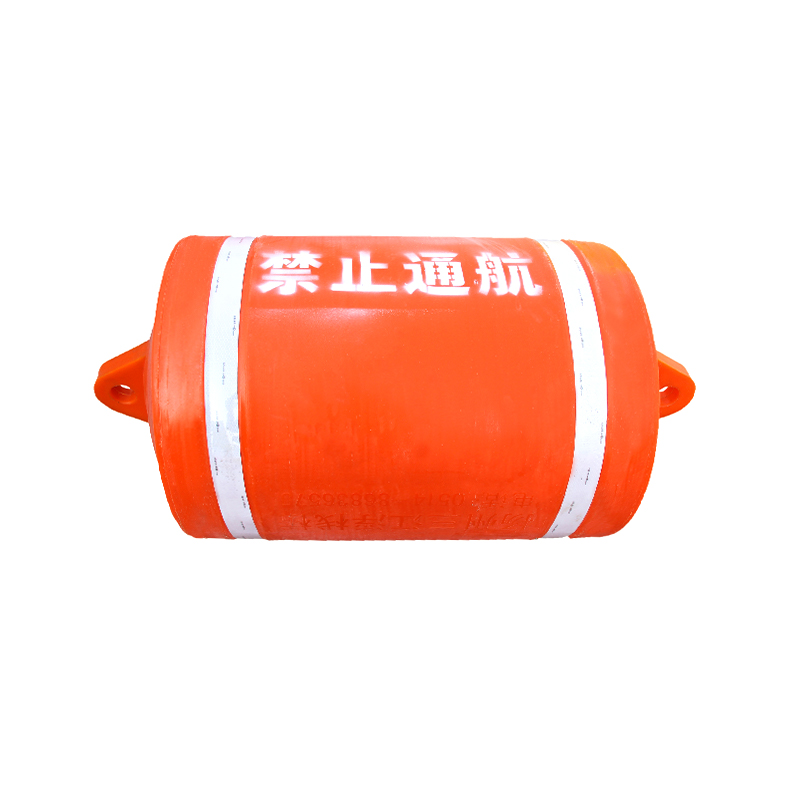
Rotomolding Warning Float With EPS Filler
-
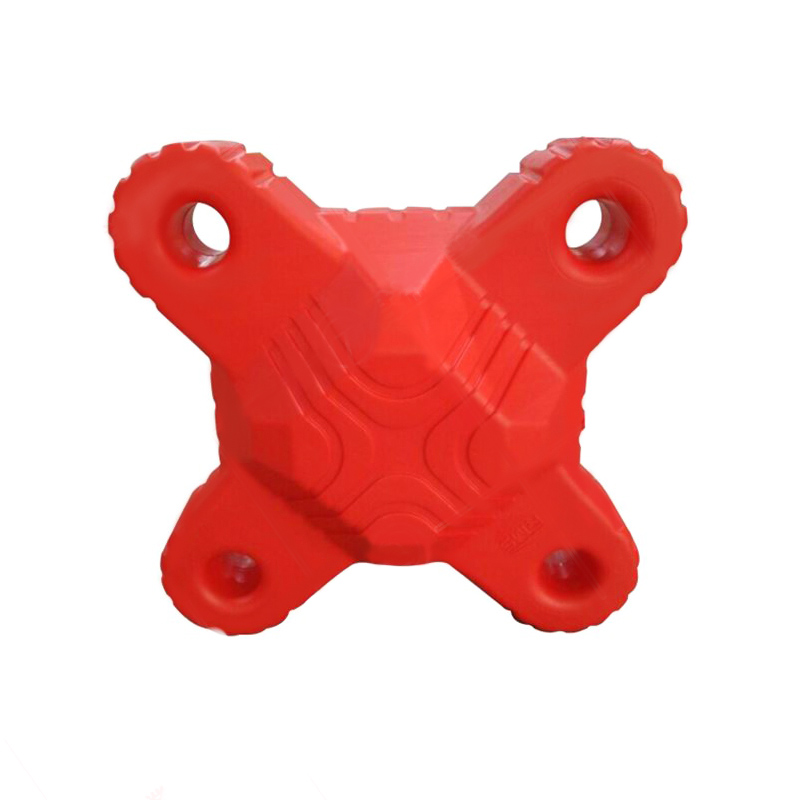
Rotomolding Anti-wave Buoy
-
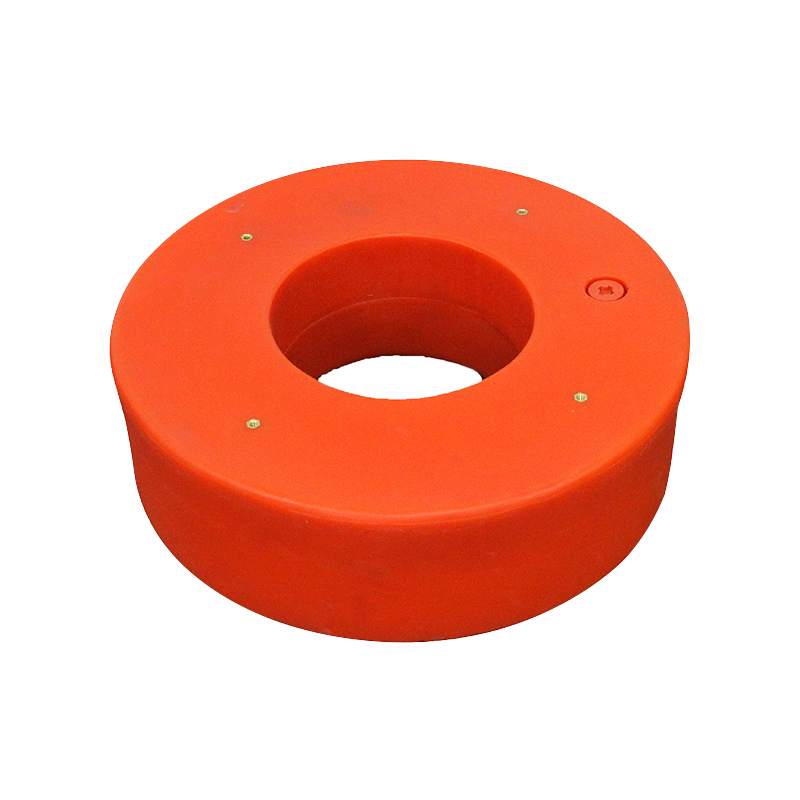
LLDPE Dredging Sludge Rotomolded Floating Ring
-
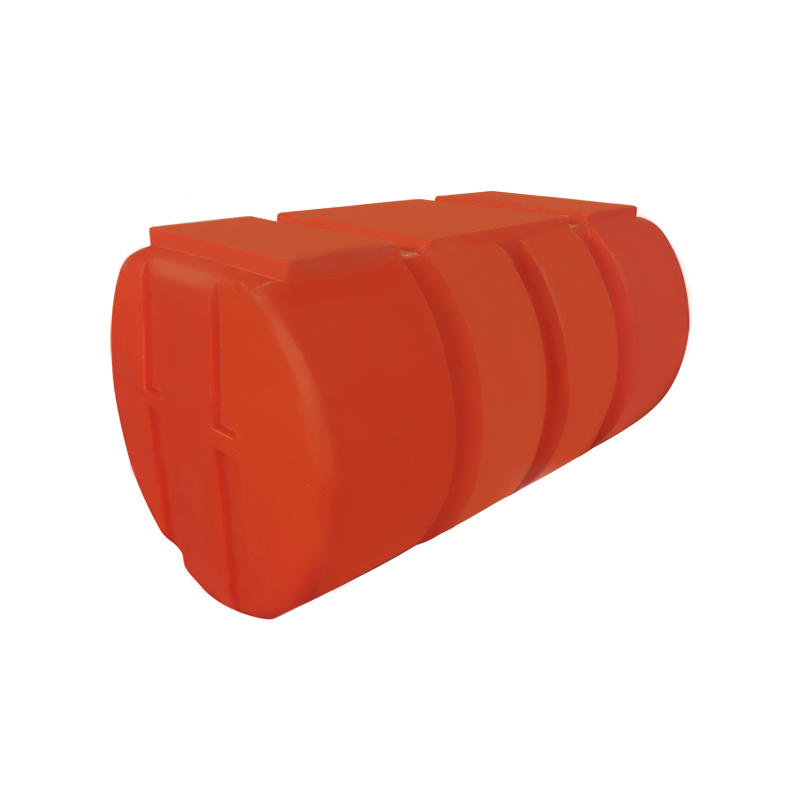
650 Diameter Rotomolding Breeding Floating Pontoon
-
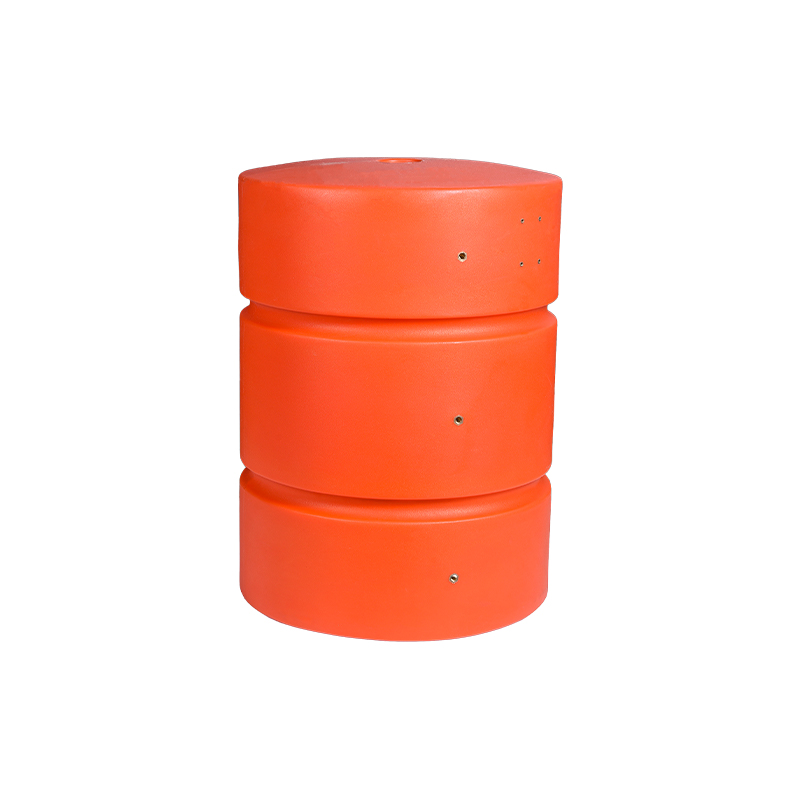
200 Diameter Rotomolding Sewage Retaining Float
-
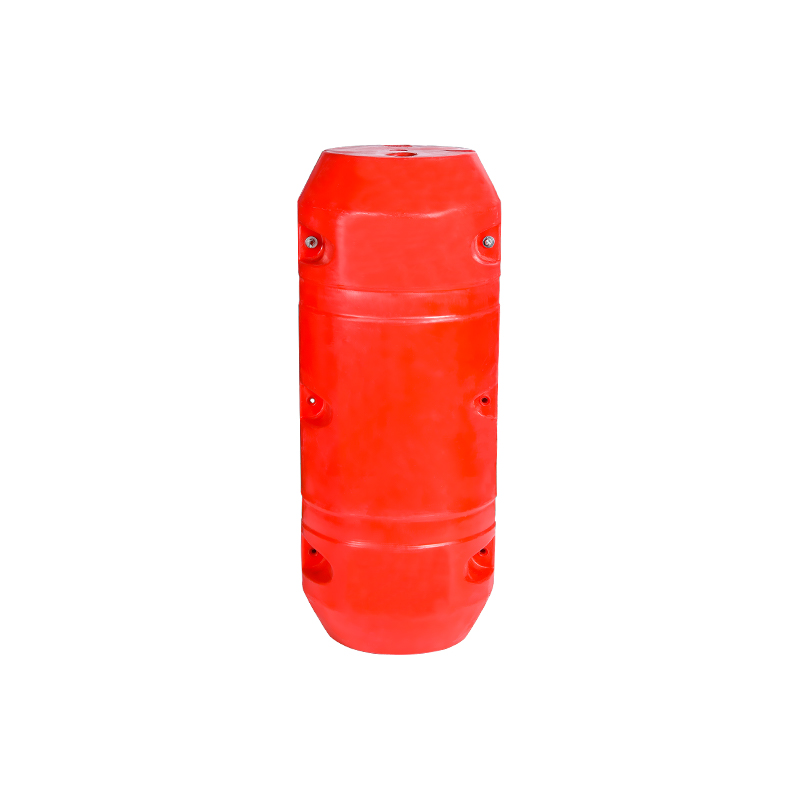
Rotational Molding Floating Body
-
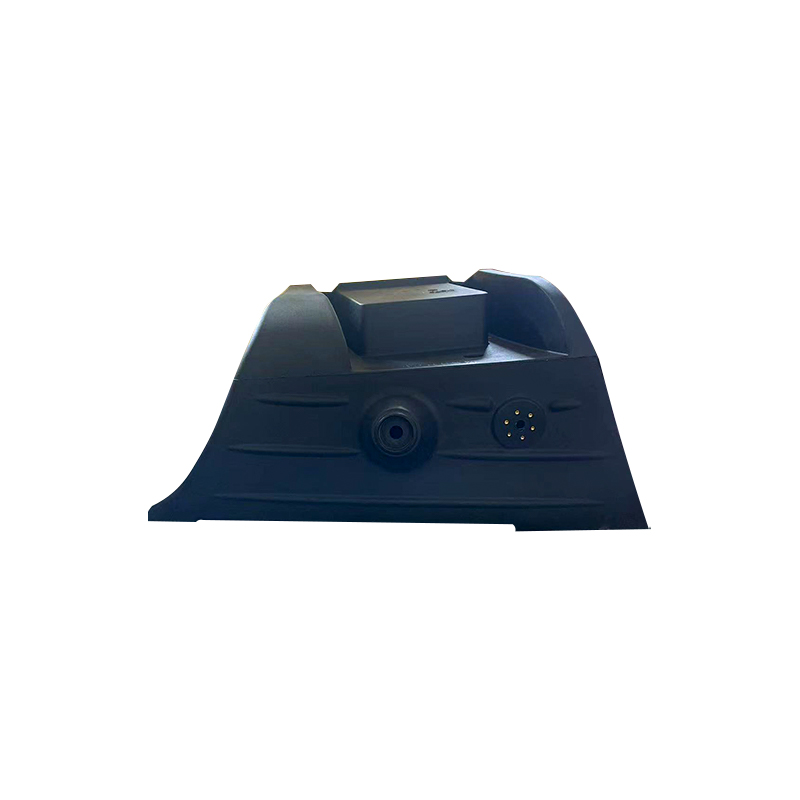
Rotomolding Plastic LLDPE Fuel Tank
-
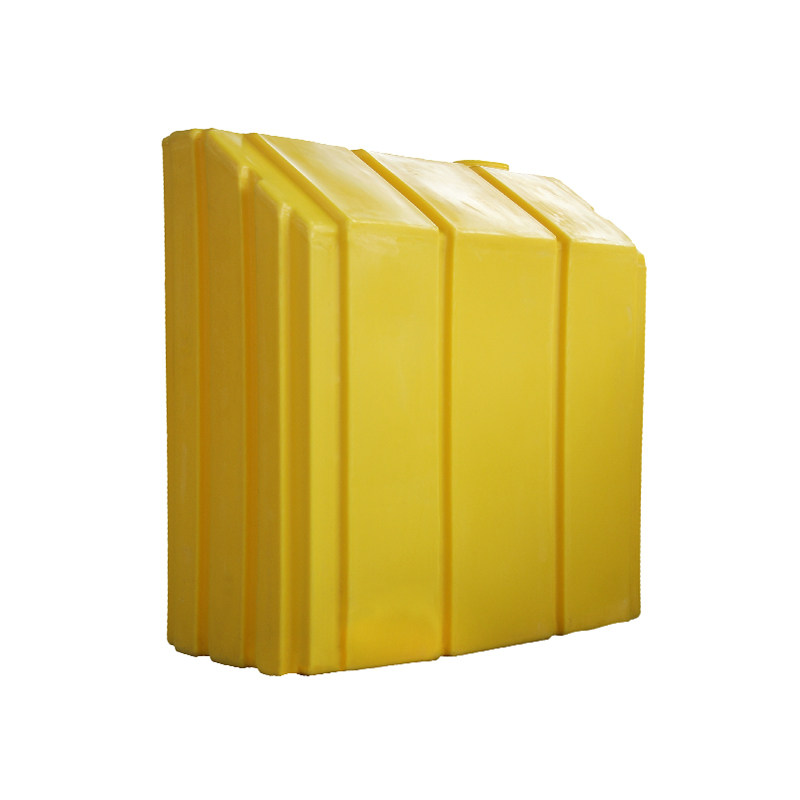
Rotomolding Plant Protection Water Tank
-
Rotomolding LLDPE RV Fresh Water Tank
QUICK CONTACT
-
 wuyuqiao village, Henghe Town, Cixi City, Zhejiang Province
-
 +86-15257871220
- +86 15924308271
-
 [email protected]
KEEP IN TOUCH
