

 English
 عربى
عربى
Why Is a PE Dosing Barrel Essential for Accurate Chemical Dosing?
In a wide range of industries—such as water treatment, agriculture, pharmaceuticals, and food processing—accurate chemical dosing is critical for ensuring both safety and effectiveness. A PE (Polyethylene) dosing barrel plays a significant role in this process by allowing for precise control over how chemicals are dispensed. By ensuring that the correct amount of chemicals is added in the right conditions, a PE dosing barrel helps maintain the integrity of the treatment or production process.
1. Precise and Consistent Dosing
One of the primary reasons PE dosing barrels are essential for accurate chemical dosing is their ability to deliver precise and consistent amounts of chemicals. In many processes, such as water treatment, pharmaceuticals, or agriculture, even a small deviation in chemical concentration can significantly affect the outcome. For instance, too little chlorine in a water treatment system might fail to disinfect the water, while too much could create harmful by-products.
PE dosing barrels are designed with accuracy in mind. They typically feature a pump or valve system that allows operators to precisely control the amount of chemical dispensed. This ensures that the dosing process remains consistent over time, reducing the risk of human error or fluctuations in the chemical feed. Moreover, the ability to calibrate these systems for specific flow rates means that different chemicals, regardless of their properties, can be dosed accurately according to the system’s requirements.
The dosing mechanism, whether manual or automated, can be fine-tuned to ensure that the right amount of chemical is added at the right time, improving the overall process efficiency. This precision is especially important in industries that require strict adherence to regulations or where chemical safety is paramount, such as in pharmaceutical production or food processing.
2. Durability and Resistance to Corrosion
Polyethylene (PE) is a highly durable material with a strong resistance to a wide range of chemicals, making it ideal for the construction of dosing barrels. PE dosing barrels are built to withstand not only the chemicals they contain but also harsh environmental conditions. This durability ensures that the barrel can be used in a variety of industries, from heavy industrial environments to sensitive agricultural applications, without degrading or contaminating the chemicals inside.
PE is also highly resistant to corrosion, unlike metal barrels, which can rust and degrade over time when exposed to certain chemicals or environmental conditions. For example, acids or alkalis commonly used in water treatment or industrial cleaning processes may cause corrosion in metal containers, compromising the chemical’s integrity and possibly contaminating the system. PE barrels, however, maintain their structural integrity even when exposed to aggressive chemicals, ensuring that the chemical dosing remains accurate and that the barrel continues to function as intended.
Additionally, PE dosing barrels are resistant to UV radiation, preventing degradation when exposed to sunlight. This makes them particularly useful in outdoor environments or applications where barrels might be stored in direct sunlight. Their resistance to wear, UV damage, and chemical degradation ensures that PE dosing barrels have a long lifespan, making them a cost-effective investment for industries that require reliable chemical dosing.
3. Safety in Chemical Handling
Chemical handling involves inherent risks, especially in industrial environments where hazardous chemicals are often used. PE dosing barrels play a critical role in ensuring safety during chemical dosing by minimizing the risks of leaks, spills, and exposure to dangerous substances. PE barrels are designed to be leak-resistant, providing secure storage and preventing chemical contamination or accidents.
The design of these barrels typically includes safety features such as secure seals, built-in spill containment trays, and pressure-relief valves. These features ensure that chemicals are safely stored and dispensed, minimizing the potential for accidental chemical releases. For example, in water treatment plants, chlorination dosing systems must be tightly controlled to avoid harmful levels of chlorine being released into the water or the surrounding environment. The secure sealing provided by PE barrels ensures that the chemicals are dispensed safely without spills or leaks.
Another safety feature of PE dosing barrels is their ability to withstand high-pressure environments. Many chemical dosing systems operate under pressure, and PE barrels are engineered to handle these conditions without risk of rupture or leakage. This contributes significantly to overall safety, particularly in industries like pharmaceuticals, food processing, and agriculture, where precise chemical dosing is necessary to ensure product quality and regulatory compliance.
| Feature | PE Dosing Barrel | Metal Dosing Barrel |
|---|---|---|
| Chemical Resistance | Excellent, no corrosion | May corrode with certain chemicals |
| UV Resistance | High | Low |
| Leak Prevention | Secure seals, spill containment | Risk of leakage over time |
| Durability | Long-lasting, resistant to wear | Prone to rust and degradation |
| Safety | Built-in safety features | May lack sufficient safety mechanisms |
4. Environmental Benefits
Environmental sustainability is a growing concern in industries that handle chemicals. Overdosing or inefficient chemical dosing can lead to wastage, resulting in higher costs and increased environmental impact. PE dosing barrels contribute to environmental sustainability by ensuring that only the necessary amount of chemicals is used for each application, reducing waste and the overall consumption of resources.
For example, in water treatment facilities, precise dosing of chemicals such as chlorine, ozone, or coagulants helps optimize the treatment process, reducing the likelihood of excess chemical runoff that could negatively impact water quality or ecosystems. By preventing overdosing, PE dosing barrels not only protect the environment but also reduce operational costs by ensuring that chemicals are used more efficiently.
Additionally, polyethylene is a recyclable material, which further enhances the environmental benefits of PE dosing barrels. Once a barrel reaches the end of its useful life, it can be recycled, reducing its environmental footprint compared to materials like metal, which may require more intensive processes to recycle. This makes PE dosing barrels an eco-friendly choice for industries looking to reduce their environmental impact.
5. Ease of Maintenance and Cleaning
PE dosing barrels are designed for easy maintenance and cleaning, an essential feature for industries that require stringent hygiene standards, such as food processing, pharmaceuticals, and cosmetics manufacturing. The non-porous nature of polyethylene makes it resistant to chemical build-up, so cleaning and maintenance are simpler compared to other materials like metal or concrete.
Because PE dosing barrels do not absorb chemicals or contaminants, the cleaning process is quick and straightforward. Regular maintenance helps ensure that the dosing system remains free from clogs, residual chemicals, or buildup that could interfere with dosing accuracy. This ease of maintenance reduces downtime, enhances the overall efficiency of operations, and lowers the costs associated with system failures or maintenance delays.
Additionally, PE barrels are designed with accessibility in mind, meaning that they can be quickly disassembled or accessed for cleaning and inspection. This minimizes downtime and reduces the need for specialized tools or maintenance personnel, making the entire process more cost-effective.
6. Cost-Effectiveness
Polyethylene dosing barrels are a cost-effective option for industries seeking durable and efficient chemical dosing solutions. Compared to metal or other high-cost alternatives, PE barrels are relatively inexpensive to produce, purchase, and maintain. Their durability and longevity further enhance their value, as they require fewer replacements over time.
Moreover, the ability of PE dosing barrels to deliver precise chemical amounts leads to cost savings through reduced chemical waste. Overdosing or underdosing chemicals can lead to inefficiencies, regulatory fines, and increased operational costs, all of which can be minimized with the accurate dosing provided by PE barrels. This makes them an attractive option for businesses aiming to optimize their chemical dosing operations without excessive capital investment.
In addition to their affordability, PE dosing barrels require less energy to manufacture compared to other materials, contributing to a lower carbon footprint during production. This makes PE barrels a cost-effective and environmentally friendly solution for chemical dosing.
7. Flexibility in Application
PE dosing barrels are highly versatile and can be used across various industries, from industrial chemical processing to agriculture, water treatment, and pharmaceuticals. The design and functionality of PE barrels make them adaptable for different dosing applications, whether for small-scale operations or large industrial systems.
These barrels can be customized in size and design to suit specific chemical types, volumes, and application needs. For example, a small-scale water treatment facility might require a compact dosing barrel, while a large manufacturing plant might need a larger, more robust system capable of handling a higher volume of chemicals. PE barrels can be configured to meet the specific needs of each application, making them a flexible and scalable option.
In agricultural settings, PE dosing barrels are used for precise fertilizer or pesticide application, helping farmers maintain healthy crops while minimizing environmental impact. Similarly, in pharmaceuticals, PE dosing barrels ensure that active ingredients are delivered accurately and consistently for the production of medications.
FAQ Section
Q1: What types of chemicals can be stored in PE dosing barrels?
PE dosing barrels are suitable for a wide variety of chemicals, including acids, alkalis, disinfectants, and fertilizers. Their chemical resistance makes them versatile for many industrial applications.
Q2: How do I maintain and clean a PE dosing barrel?
PE dosing barrels are easy to clean due to their non-porous nature. Simply rinse the barrel with water or a mild cleaning solution, ensuring no residue remains. Regular inspections for cracks or damage are also recommended.
Q3: Are PE dosing barrels safe for food processing applications?
Yes, PE dosing barrels are often used in food processing because they are made from non-toxic, food-grade polyethylene. However, it’s essential to ensure the barrels are regularly cleaned to prevent contamination.
Q4: Can PE dosing barrels be used outdoors?
Yes, PE dosing barrels are resistant to UV radiation, making them suitable for outdoor use in various environments, from water treatment plants to agricultural applications.
Related Products
-
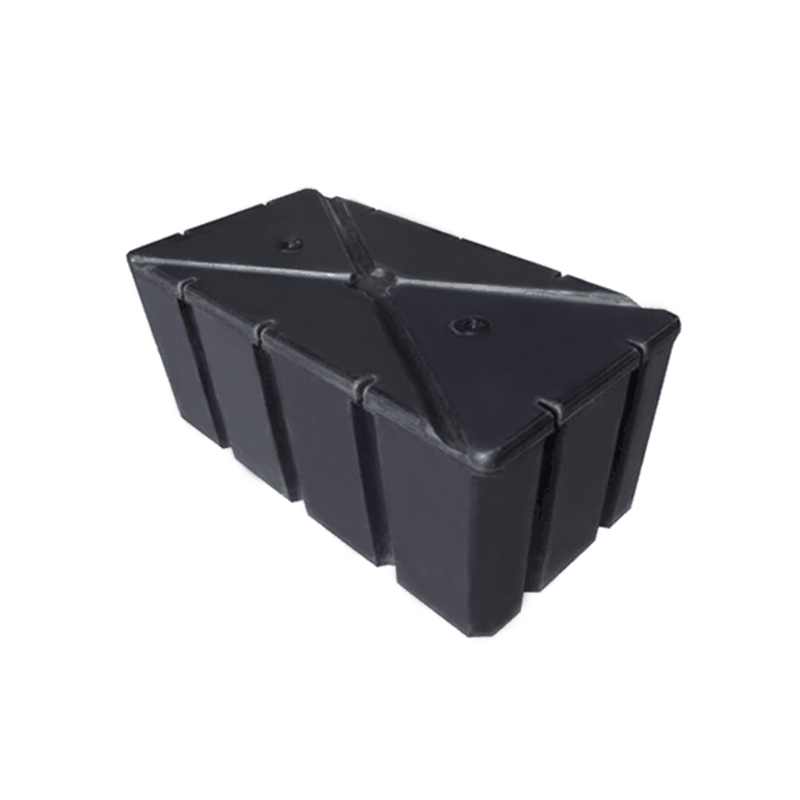
Square Rotomolding PE Floating Pontoon
-

Rotomolding LLDPE Floating Platform
-
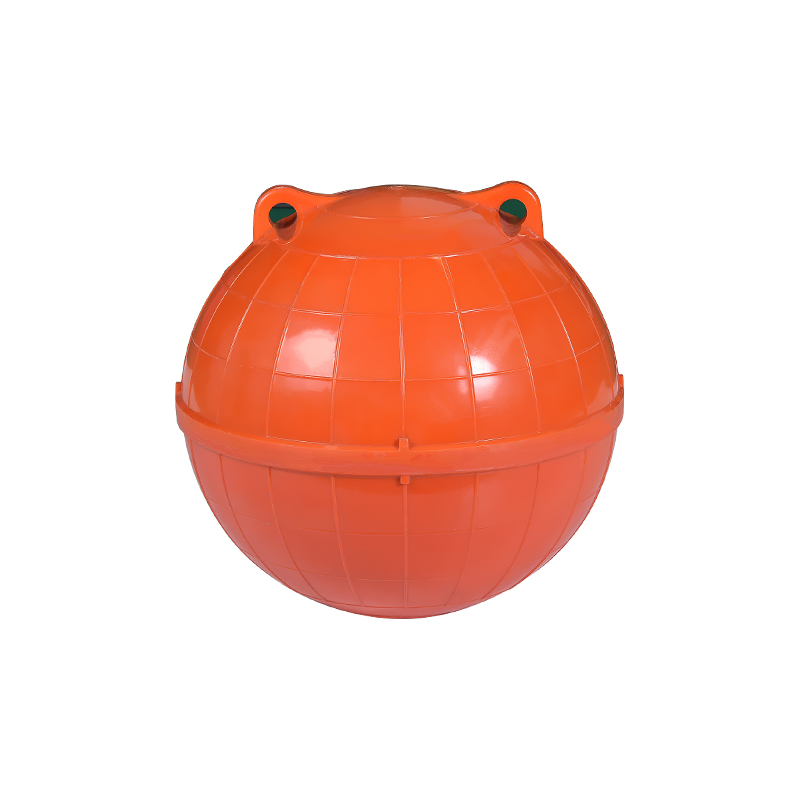
Durable 200mm ABS Rotational Molding Floating Balls
-
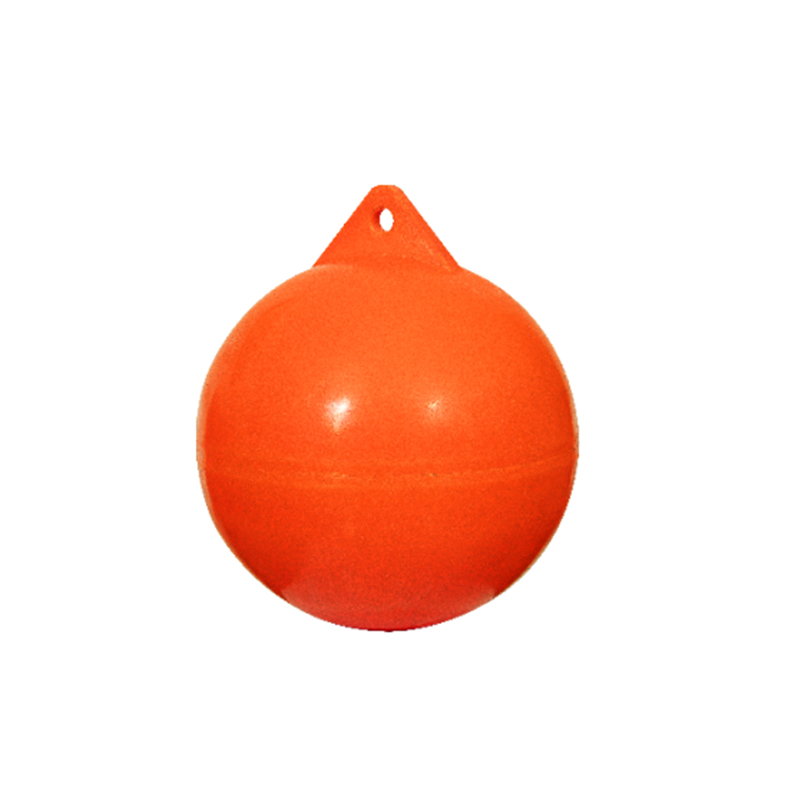
500mm Single Ear Rotomolding Floating Ball
-
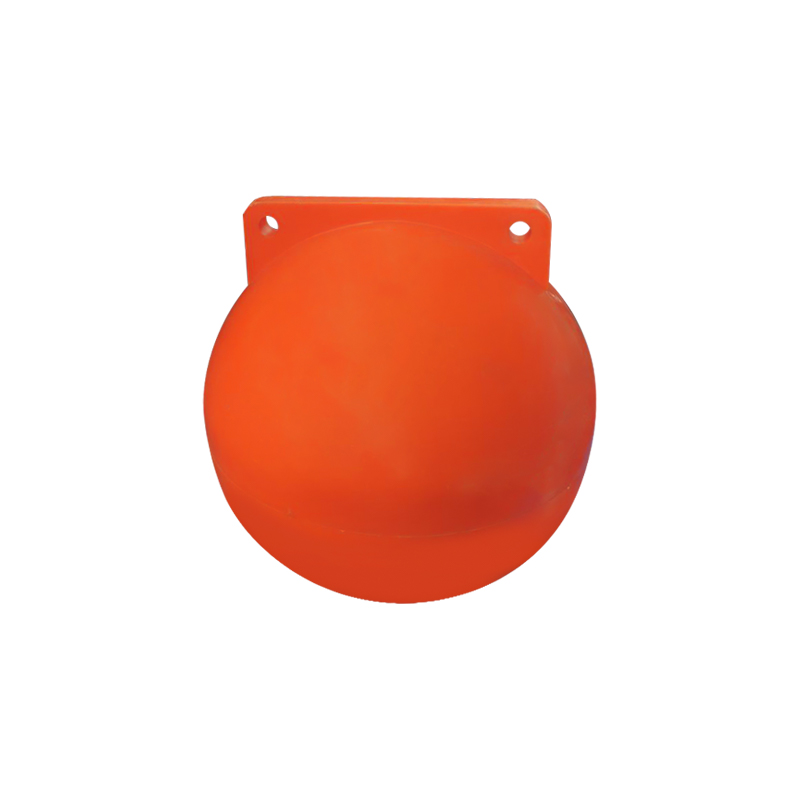
500mm Plastic Floating Ball LLDPE Warning Ball Floater
-
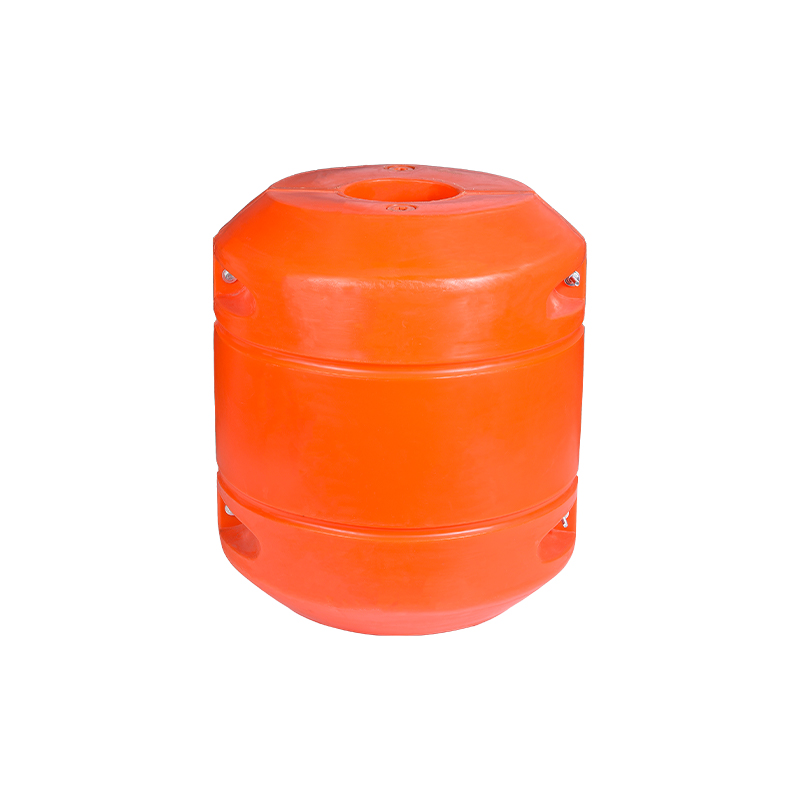
Warning Floating Dredging Pipe Pontoon
-
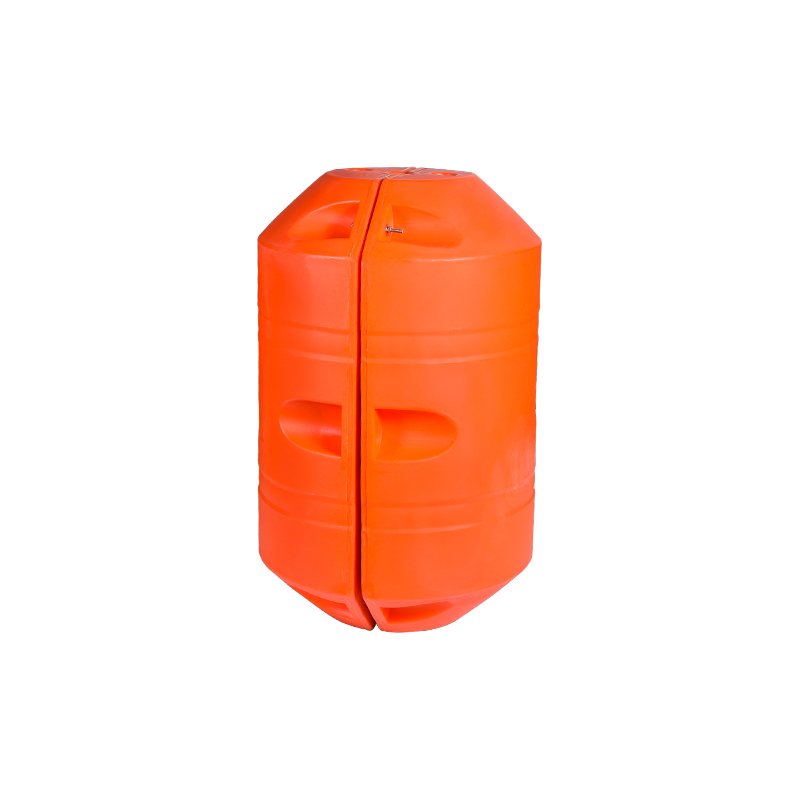
LLDPE Plastic Rotational Molding Dredge Pipe Float Pontoon
-
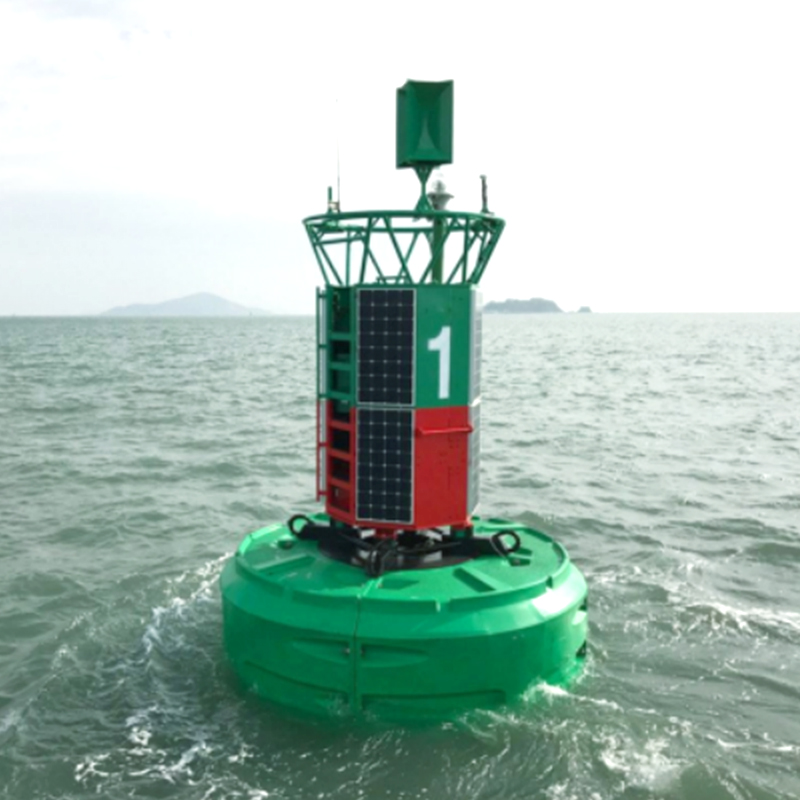
Marine Navigation Buoy/Warning Buoy
-
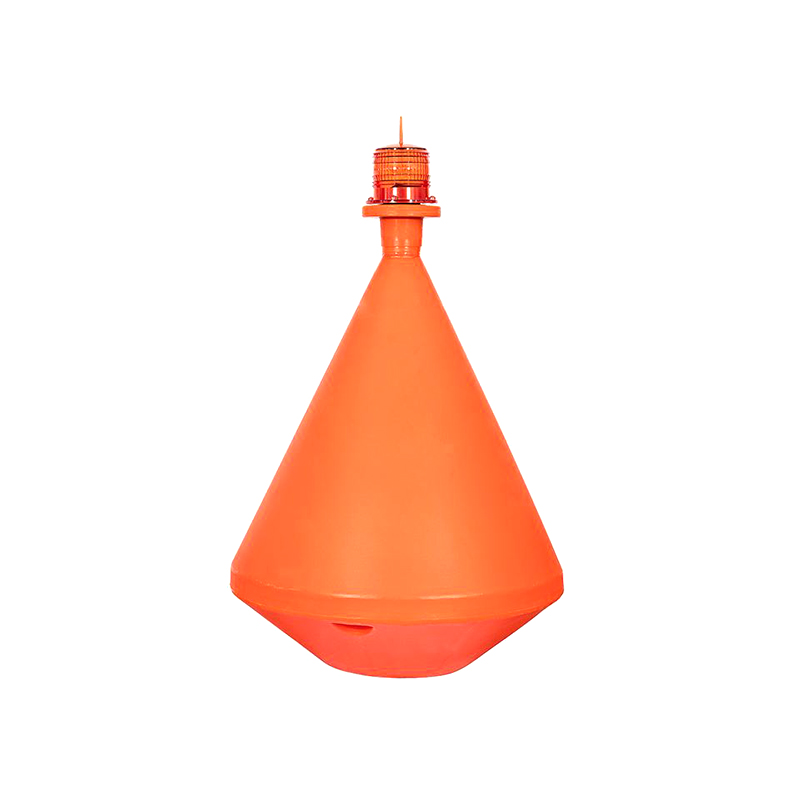
LLDPE Stationary Navigation Beacon Floating Buoy
-
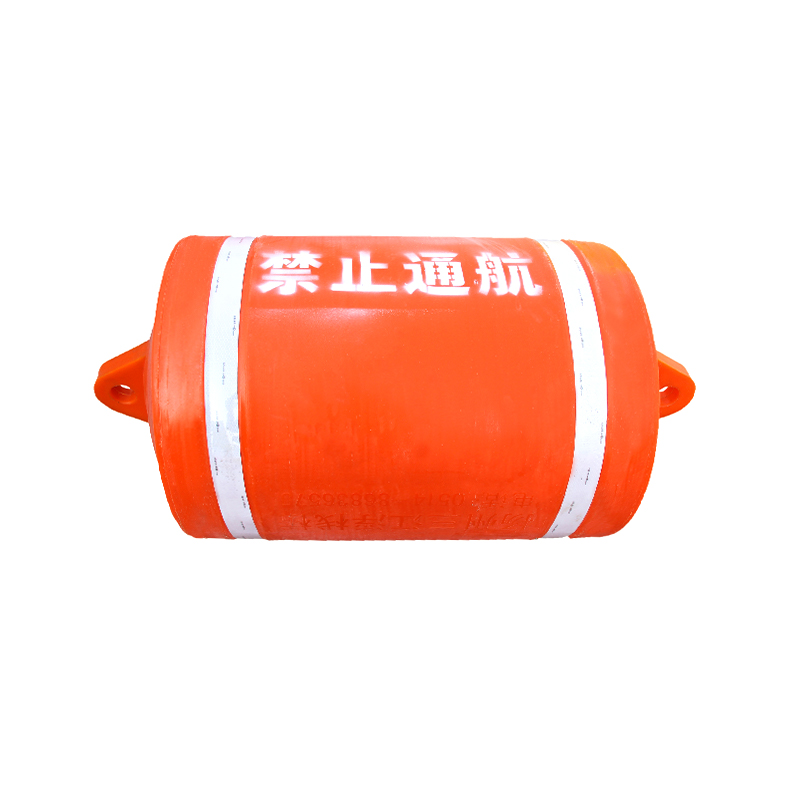
Rotomolding Warning Float With EPS Filler
-
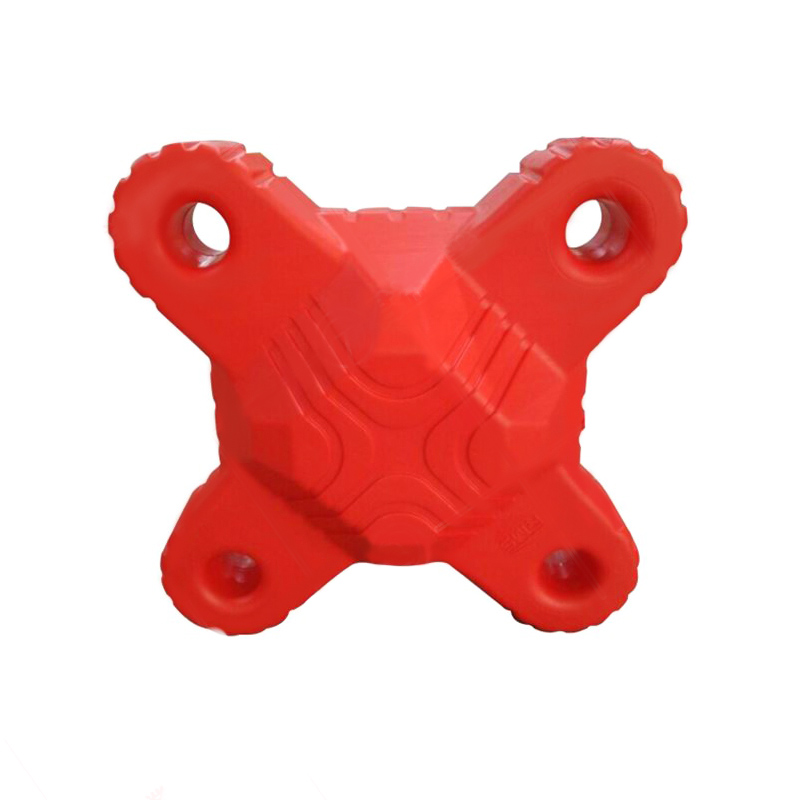
Rotomolding Anti-wave Buoy
-
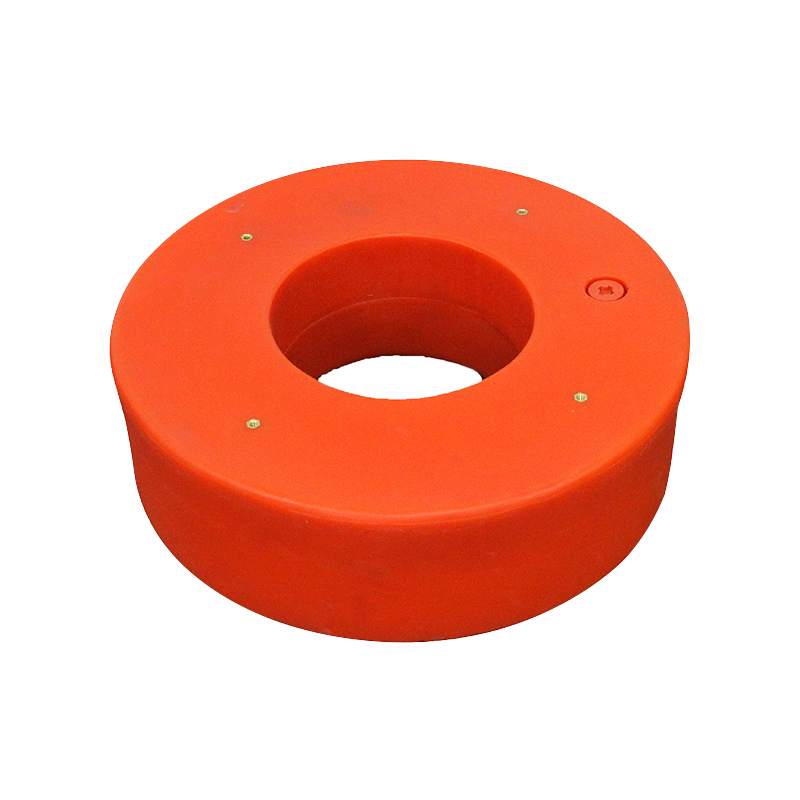
LLDPE Dredging Sludge Rotomolded Floating Ring
-
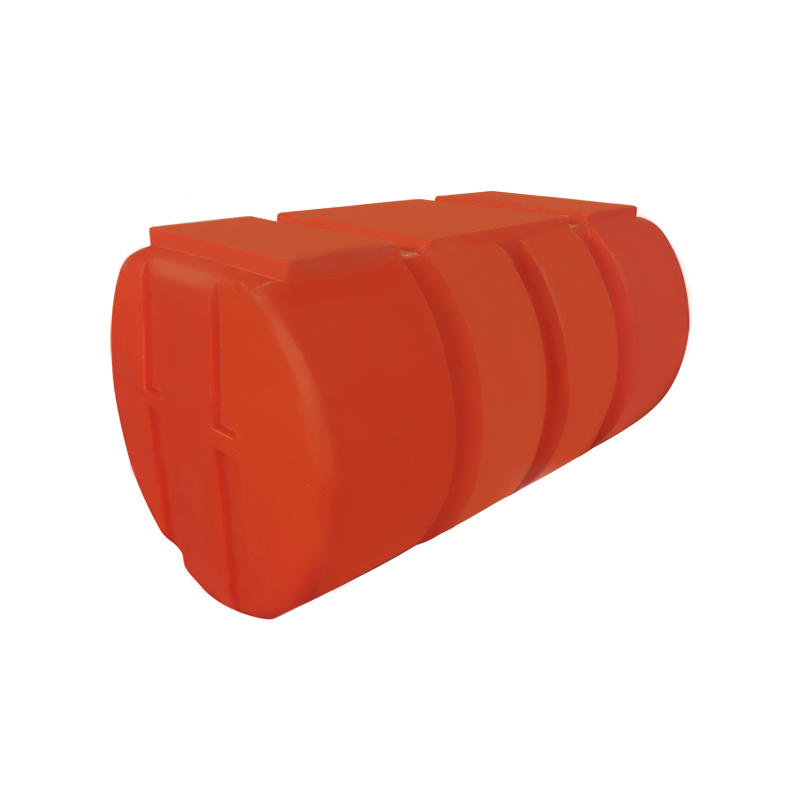
650 Diameter Rotomolding Breeding Floating Pontoon
-
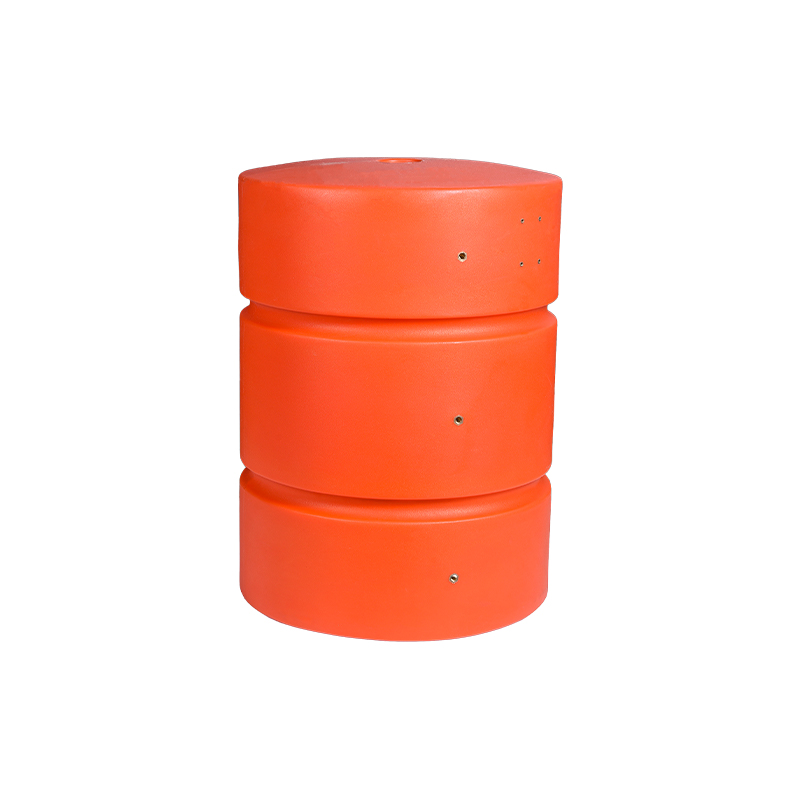
200 Diameter Rotomolding Sewage Retaining Float
-
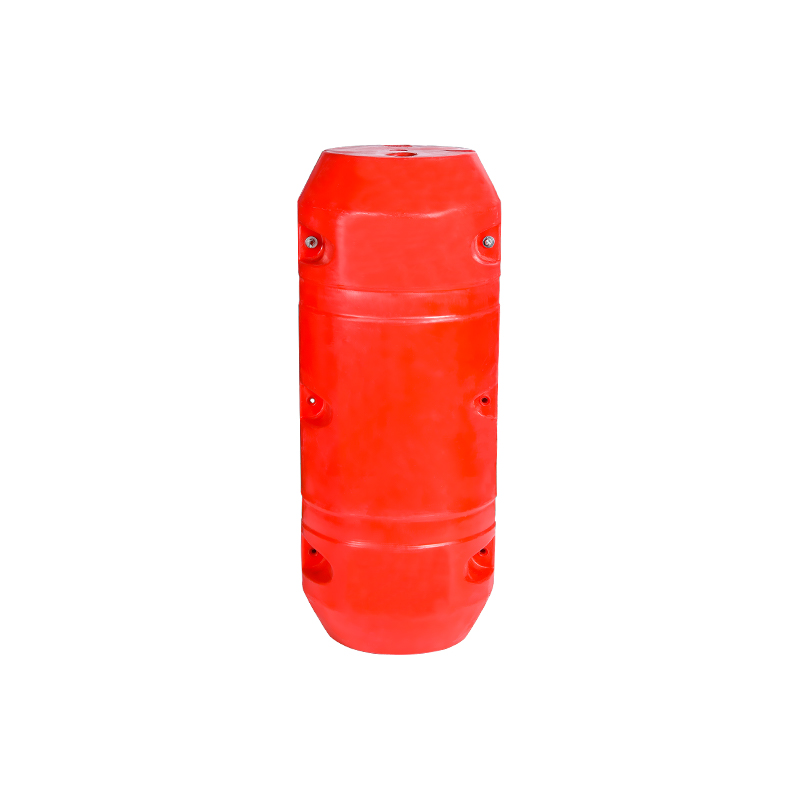
Rotational Molding Floating Body
-
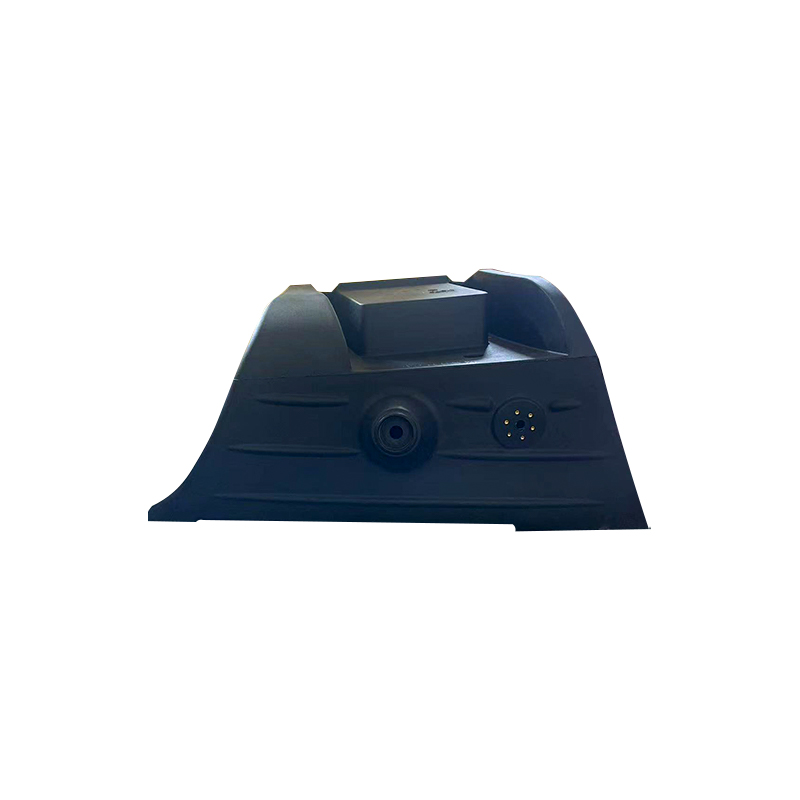
Rotomolding Plastic LLDPE Fuel Tank
-
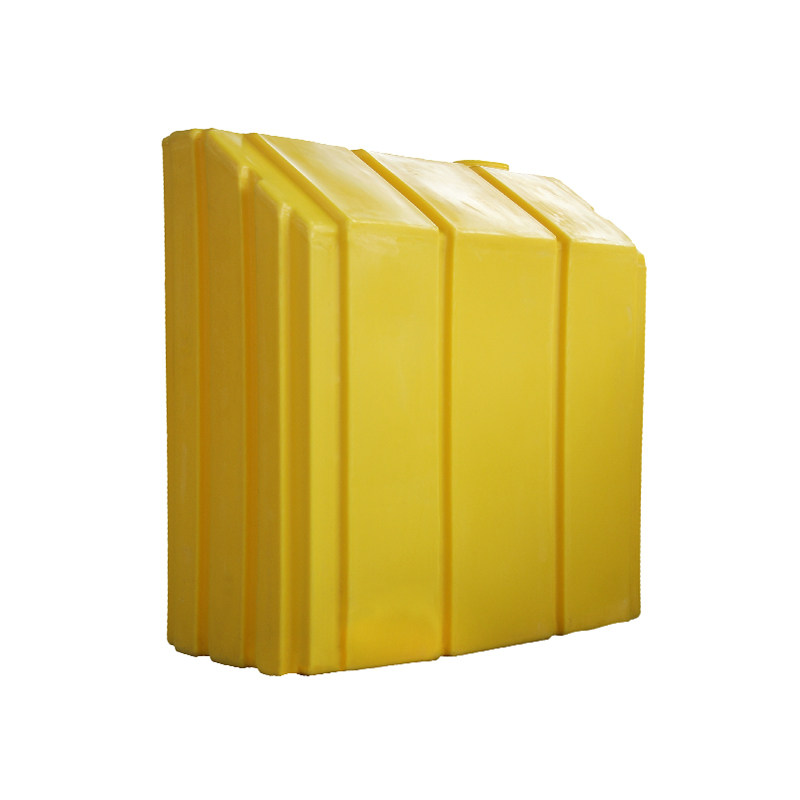
Rotomolding Plant Protection Water Tank
-
Rotomolding LLDPE RV Fresh Water Tank
QUICK CONTACT
-
 wuyuqiao village, Henghe Town, Cixi City, Zhejiang Province
-
 +86-15257871220
- +86 15924308271
-
 [email protected]
KEEP IN TOUCH
