

 English
 عربى
عربى
News
Home / News / Industry News / The Complete Guide to Rotomolding RV Water Tanks: What They Are and Why They're Worth It
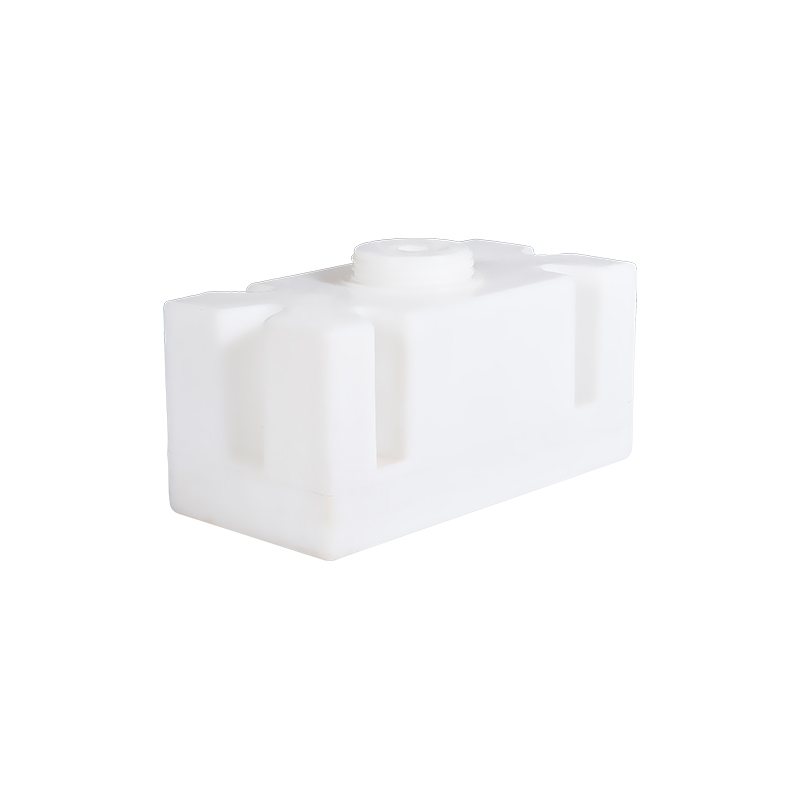
A rotomolding RV water tank is a hollow plastic tank manufactured through a process called rotational molding, in which powdered polyethylene resin is heated and rotated inside a mold until it forms a seamless, one-piece shell. The result is one of the most durable, leak-resistant water storage solutions available for recreational vehicles.
The bottom line for RV owners: rotomolded tanks outlast blow-molded and vacuum-formed alternatives, handle rough road vibration without cracking, and can be custom-shaped to fit virtually any RV compartment. For anyone serious about reliable water storage on the road — whether for fresh water, gray water, or black water — rotomolding is the manufacturing standard worth understanding before you buy.
The global rotational molding market was valued at $6.5 billion in 2023 (MarketsandMarkets), with RV and marine tanks representing one of the fastest-growing end-use segments, driven by rising demand for durable, custom-fit water storage in the booming RV industry.
Understanding how rotomolded tanks are made explains why they perform so differently from other plastic tanks. The process involves four distinct stages:
A precise amount of powdered polyethylene resin is loaded into a hollow metal mold. The mold is then sealed and mounted on a rotating arm.
The mold is moved into an oven heated to 260–370°C (500–700°F) and rotated simultaneously on two perpendicular axes. As the mold heats, the resin melts and coats the interior surface evenly. This biaxial rotation ensures uniform wall thickness throughout the entire tank — including corners and complex geometries — something injection or blow molding cannot achieve as reliably.
The mold continues rotating as it moves to a cooling station, where forced air or water mist gradually brings the temperature down. Controlled cooling prevents warping and internal stress in the finished part.
The mold is opened and the finished tank is removed. Because the part is formed as a single continuous piece with no seams, welds, or joints, there are no weak points where leaks can develop. Fittings, baffles, and mounting features are often integrated directly during molding.
RV water tanks are produced using several different manufacturing methods. Here's how rotomolding stacks up against the alternatives.
| Feature | Rotomolded | Blow-Molded | Vacuum-Formed | Stainless Steel |
|---|---|---|---|---|
| Seams / Joints | None (seamless) | Parting line seam | Welded seams | Welded seams |
| Wall Thickness Consistency | Excellent | Moderate | Variable | Excellent |
| Impact Resistance | Very High | Moderate | Low–Moderate | High |
| Custom Shapes | Excellent | Limited | Moderate | Moderate |
| Weight | Light | Very Light | Light | Heavy |
| Corrosion Resistance | Excellent | Excellent | Excellent | Good |
| Typical Lifespan | 20–30 years | 5–10 years | 5–8 years | 25+ years |
| Relative Cost | Medium | Low | Low–Medium | High |
The case for rotomolded tanks goes beyond manufacturing process. Here's what these advantages mean in real-world RV use.
Seams are the number-one failure point in plastic water tanks. Blow-molded tanks have a visible parting line where two halves are fused together — this seam weakens over time under the constant vibration of highway driving. Rotomolded tanks have zero seams. The entire tank, including corners, baffles, and mounting bosses, is one continuous piece of polyethylene. For RV owners, this means no mid-trip leaks, no water damage to the RV floor or subframe, and no emergency repairs on the road.
RV water tanks endure constant flexing, impact, and vibration that stationary tanks never face. Rotomolded polyethylene has a high impact resistance and natural flexibility — it absorbs shock rather than cracking under it. Linear low-density polyethylene (LLDPE), the most commonly used resin in rotomolded RV tanks, can withstand impacts that would shatter a rigid blow-molded tank, particularly in cold weather when plastics become more brittle.
Unlike blow-molded tanks, which are limited to shapes achievable by inflating a plastic tube, rotomolding can produce tanks in almost any three-dimensional form. Manufacturers can create tanks with irregular profiles, angled walls, integrated baffles, and built-in mounting flanges to fit precisely into the available space in a specific RV model. This custom fit eliminates wasted space and allows for maximum water capacity within a given compartment footprint.
Fresh water tanks in RVs must meet food-safety standards. Rotomolded tanks made from FDA-compliant, food-grade polyethylene do not leach chemicals into the water, do not harbor bacteria in surface pores (the interior surface is smooth and non-porous), and are resistant to the chlorine and UV sanitizers commonly used to treat RV water systems. Look for tanks certified to NSF/ANSI Standard 61 for drinking water system components.
A quality rotomolded RV water tank can last 20 to 30 years with basic care — significantly longer than blow-molded alternatives that typically require replacement within 5–10 years. Polyethylene is naturally resistant to UV degradation, corrosion, and the growth of algae and bacteria on its surface. Annual sanitization with a diluted bleach solution is typically all the maintenance required.
Most RVs use three separate water tanks, each serving a distinct function. Rotomolded tanks are used across all three, with material and design specifications varying by application.
| Tank Type | Purpose | Typical Capacity | Key Requirement |
|---|---|---|---|
| Fresh Water Tank | Stores potable drinking and cooking water | 20–100 gallons | FDA/NSF 61 food-grade certified |
| Gray Water Tank | Collects sink and shower drain water | 30–60 gallons | Chemical-resistant, vented design |
| Black Water Tank | Holds toilet waste | 20–50 gallons | Odor-resistant, reinforced dump port |
For fresh water tanks, always verify food-grade certification. For gray and black water tanks, prioritize tanks with reinforced fittings and chemical-resistant polyethylene formulations that can handle detergents, waste treatment chemicals, and biological waste over years of use.
Not all rotomolded RV water tanks are built to the same standard. Evaluate these specifications carefully when comparing products.
Wall thickness directly affects structural strength and impact resistance. For RV fresh water tanks, a minimum wall thickness of ¼ inch (6mm) is generally recommended. Tanks with thinner walls are lighter but more vulnerable to cracking from road debris or pressure when full. Always ask for the manufacturer's wall thickness specification — not all brands disclose this openly.
The quality of the polyethylene resin determines the tank's long-term durability. Linear low-density polyethylene (LLDPE) is the preferred resin for RV water tanks due to its superior toughness, flexibility, and resistance to environmental stress cracking. Avoid tanks made from recycled or blended resins for fresh water applications — food-grade resin should be virgin material.
Confirm that the tank's inlet, outlet, vent, and drain fittings match your RV's existing plumbing connections. Standard fittings in North American RVs are typically ½-inch or ¾-inch NPT (National Pipe Thread). Custom rotomolded tanks can have fittings placed exactly where your plumbing requires — a significant advantage over off-the-shelf tanks that may require awkward adapters.
Internal baffles are walls or partitions molded inside the tank that reduce water slosh — the movement of water that shifts the RV's center of gravity during acceleration, braking, and cornering. Tanks with baffles improve driving stability, particularly when the tank is partially full. For large-capacity tanks (50 gallons and above), baffles are a feature worth specifically requesting.
If any portion of the tank is exposed to sunlight — even indirectly — UV stabilizers in the resin are essential. Without them, polyethylene degrades and becomes brittle over several years of sun exposure. UV-stabilized tanks typically carry a black or dark pigment that blocks UV penetration and extends outdoor service life significantly.
Choosing the right tank capacity requires balancing water needs, available space, and payload limits. Water weighs 8.34 lbs per gallon (1 kg per liter) — a 50-gallon fresh water tank adds over 400 lbs to your RV when full, which directly impacts towing capacity and fuel economy.
Use this general consumption guide for planning:
For a two-person RV trip with no hookups, a reasonable estimate is 10–15 gallons per day. A 40-gallon fresh water tank supports approximately 3 days of comfortable off-grid use. For extended boondocking, many RV owners supplement with a secondary auxiliary tank.
A quality tank installed poorly will still cause problems. Follow these best practices whether you're replacing an existing tank or installing a new auxiliary unit.
Rotomolded tanks are low-maintenance by nature, but a simple annual routine keeps them performing at their best for decades.
| Task | Frequency | How To |
|---|---|---|
| Sanitize fresh water tank | Once per season or after storage | Bleach solution flush (¼ cup per 15 gallons) |
| Winterize (drain and blow out) | Before freezing temperatures | Fully drain; use compressed air to clear lines |
| Inspect fittings and connections | Annually | Check for weeping or mineral deposits around fittings |
| Check mounting straps | Annually | Look for abrasion marks or loosening under vibration |
| Flush gray and black tanks | After each trip | Use a tank rinser wand; add holding tank treatment |
Rotomolded tanks typically cost 20–40% more upfront than comparable blow-molded alternatives. Over the lifetime of an RV, however, the math favors rotomolding clearly:
For anyone planning to own their RV for more than 5 years, a rotomolded water tank is not a luxury — it's the smarter long-term choice. The combination of seamless construction, custom fit, food-grade safety, and a 20–30 year service life makes it the benchmark for RV water storage that most other manufacturing methods are still trying to match.

 wuyuqiao village, Henghe Town, Cixi City, Zhejiang Province
 +86-15257871220
 [email protected]
