

 English
 عربى
عربى
PE Storage Tank Buying Guide: Sizes, Standards, and Installation Tips
What Size and Standard of PE Storage Tank Do You Need?
A PE storage tank is a polyethylene container used to store water, chemicals, fuel additives, or agricultural liquids, and the right choice depends primarily on three factors: the volume you need to store, the material's chemical compatibility with its contents, and compliance with the relevant safety or water-quality standard for your application. Sizes range from small 50-liter dosing tanks to large 100,000-liter-plus industrial or agricultural storage units, and choosing incorrectly on any of these three factors is the most common reason tanks fail prematurely or fail inspection.
In short: match tank capacity to your actual daily or seasonal usage with a buffer of at least 20%–30%, verify the resin grade (HDPE, LLDPE, or a blend) is rated for your specific liquid, confirm the tank meets the applicable standard such as NSF/ANSI 61 for potable water, and install it on a level, properly rated foundation with secondary containment where required by code. Skipping any of these steps is where most buyers run into trouble after purchase.
Choosing the Right Tank Size
Tank sizing should be based on actual consumption or storage needs, not just available budget or space. Undersizing leads to frequent refilling or shortages, while oversizing wastes money and space unnecessarily.
| Application | Typical Capacity | Common Tank Shape |
|---|---|---|
| Residential rainwater harvesting | 200L–5,000L | Vertical or slimline |
| Agricultural/livestock water | 1,000L–50,000L | Vertical or horizontal |
| Chemical dosing/processing | 50L–10,000L | Vertical, cone-bottom |
| Municipal/industrial water storage | 10,000L–100,000L+ | Vertical, flat or cone bottom |
A commonly used sizing rule is to calculate your average daily or peak-season usage, then add a 20%–30% safety margin to account for demand spikes, delayed refills, or seasonal variation. For rainwater harvesting specifically, sizing should also factor in your roof catchment area and local average rainfall to avoid an undersized tank that overflows or runs dry between fill cycles.
Key Standards and Certifications
PE storage tanks used for drinking water, food-grade liquids, or hazardous chemicals must meet specific safety and quality standards depending on the region and application.
| Standard | Region/Scope | Focus Area |
|---|---|---|
| NSF/ANSI 61 | United States | Drinking water system component safety |
| ASTM D1998 | United States | Polyethylene upright storage tank construction |
| EN 12573 | Europe | Thermoplastic static storage tank design |
| FDA 21 CFR | United States | Food-grade material contact compliance |
| AS/NZS 4766 | Australia/New Zealand | Polyethylene storage tank design and construction |
For chemical storage, always cross-check the tank's chemical resistance chart against the specific concentration and temperature of the liquid you intend to store, since a tank rated for one chemical concentration may not be safe for a more concentrated or heated version of the same substance. Tanks storing corrosive or hazardous chemicals often also require compliance with local environmental containment regulations, such as secondary containment requirements under EPA or equivalent regional agencies.
Key Specifications to Compare
Beyond size and standards compliance, several construction details significantly affect a tank's durability and suitability for your application.
- Resin type — linear low-density polyethylene (LLDPE) offers better impact resistance and flexibility, while high-density polyethylene (HDPE) offers greater rigidity and chemical resistance for aggressive substances.
- Wall thickness — thicker walls, often 6mm–19mm depending on tank size and specific gravity rating, are required for tanks storing dense or corrosive liquids.
- Specific gravity rating — tanks must be rated for the density of the stored liquid; a tank rated for water (specific gravity 1.0) may not safely hold a denser chemical solution.
- UV inhibitors — outdoor tanks should include UV-stabilized resin to prevent embrittlement and cracking after years of sun exposure.
- Fitting and outlet configuration — confirm bulkhead fittings, vents, and outlet placements match your plumbing and application requirements before purchase.
Installation Tips
Proper installation is critical to a PE tank's lifespan and safety, since even a well-built tank can fail prematurely if placed on an inadequate foundation or filled without following manufacturer guidelines.
Installation Checklist
- Select a perfectly level site, since even a slight tilt can stress the tank wall unevenly once filled.
- Prepare a foundation appropriate to the tank size — compacted sand or a concrete pad is typical for tanks over 5,000 liters.
- Confirm the foundation extends at least as far as the tank's full base diameter, with no gaps or voids underneath.
- Install secondary containment (a bund or containment wall) if required by local code for chemical storage tanks.
- Connect fittings and plumbing according to the manufacturer's torque and sealant specifications to avoid leaks at threaded connections.
- Fill the tank gradually during initial commissioning and inspect for leaks or wall bulging before placing it into full service.
For large vertical tanks, manufacturers typically recommend a foundation that is level within 3mm across the tank's diameter, since uneven support is one of the leading causes of tank wall stress cracking after installation.
Common Buying Mistakes to Avoid
Many tank failures and compliance issues trace back to avoidable mistakes made during the purchasing process rather than defects in the tank itself.
- Choosing a tank based on price alone without verifying it's rated for the specific gravity and chemical properties of the intended contents.
- Purchasing a tank without NSF/ANSI 61 or equivalent certification for potable water applications, risking non-compliance during inspection.
- Underestimating peak seasonal demand, resulting in an undersized tank that requires frequent emergency refills.
- Skipping a proper foundation to save on installation costs, leading to premature wall stress and leaks.
- Failing to check local secondary containment requirements before installing a chemical storage tank.
Taking the time to properly size the tank, verify its certification against your intended use, and install it on a correctly prepared foundation will significantly extend its service life, which for a well-maintained PE tank can commonly exceed 15–20 years depending on the application and environmental exposure.
Related Products
-
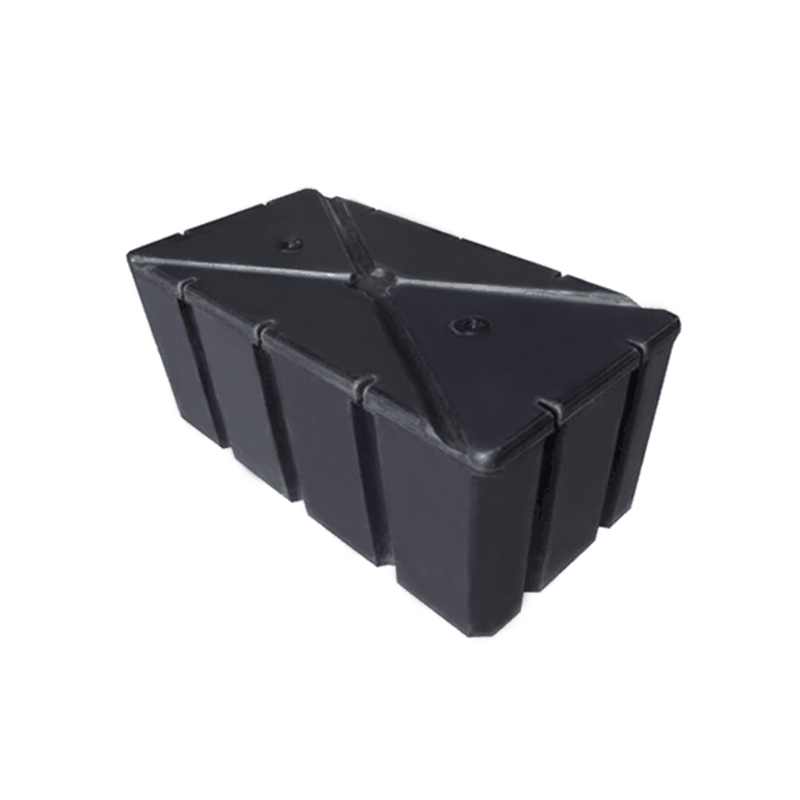
Square Rotomolding PE Floating Pontoon
-

Rotomolding LLDPE Floating Platform
-
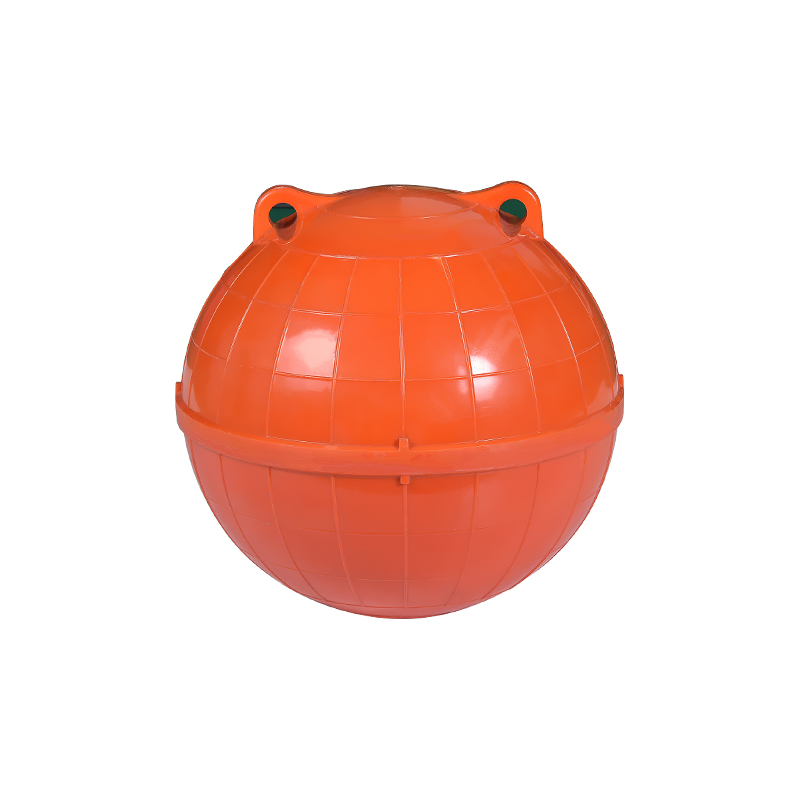
Durable 200mm ABS Rotational Molding Floating Balls
-
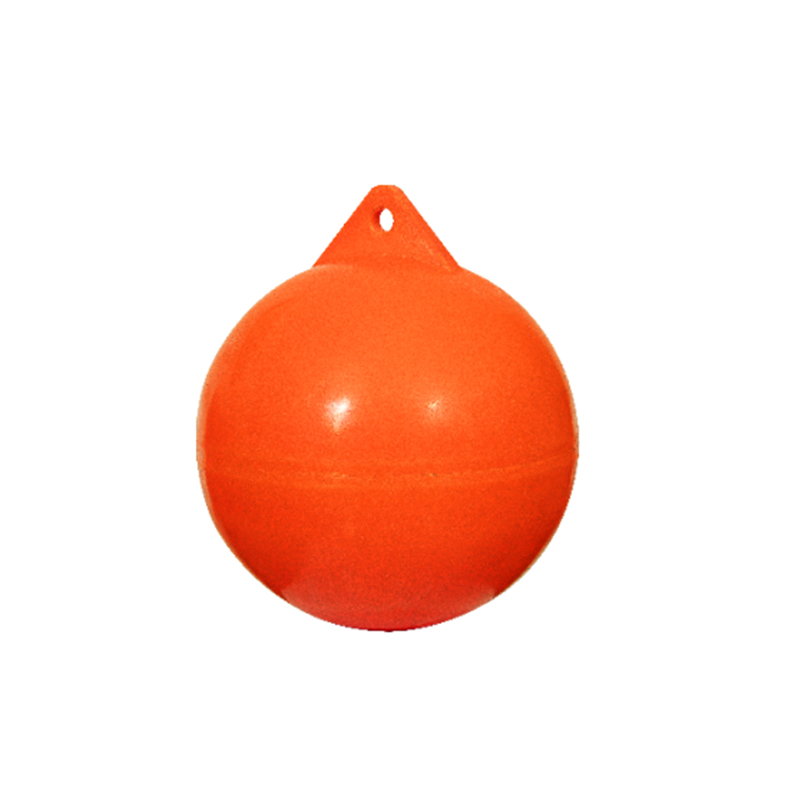
500mm Single Ear Rotomolding Floating Ball
-
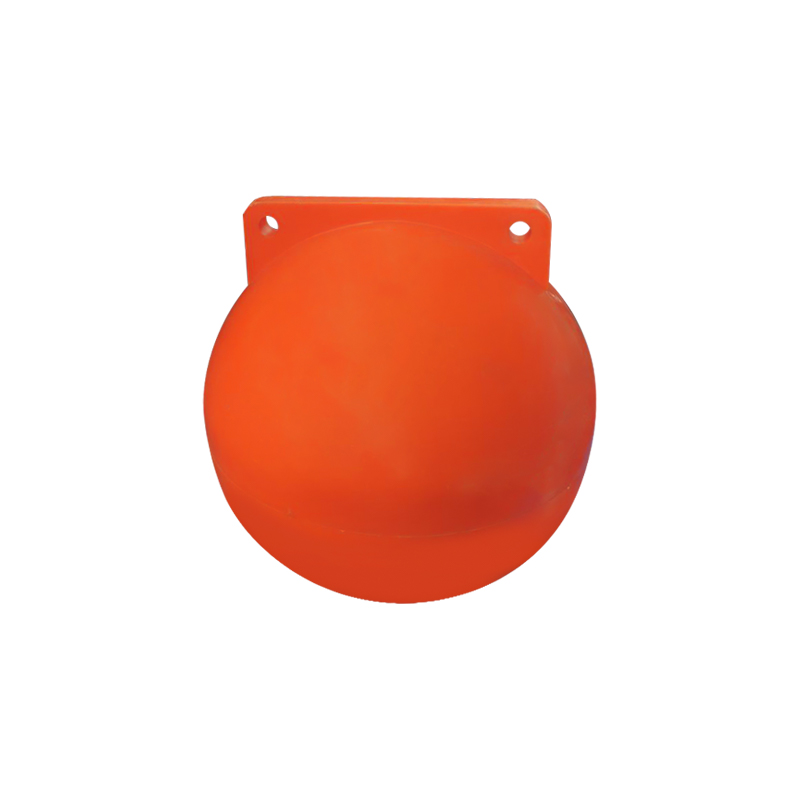
500mm Plastic Floating Ball LLDPE Warning Ball Floater
-
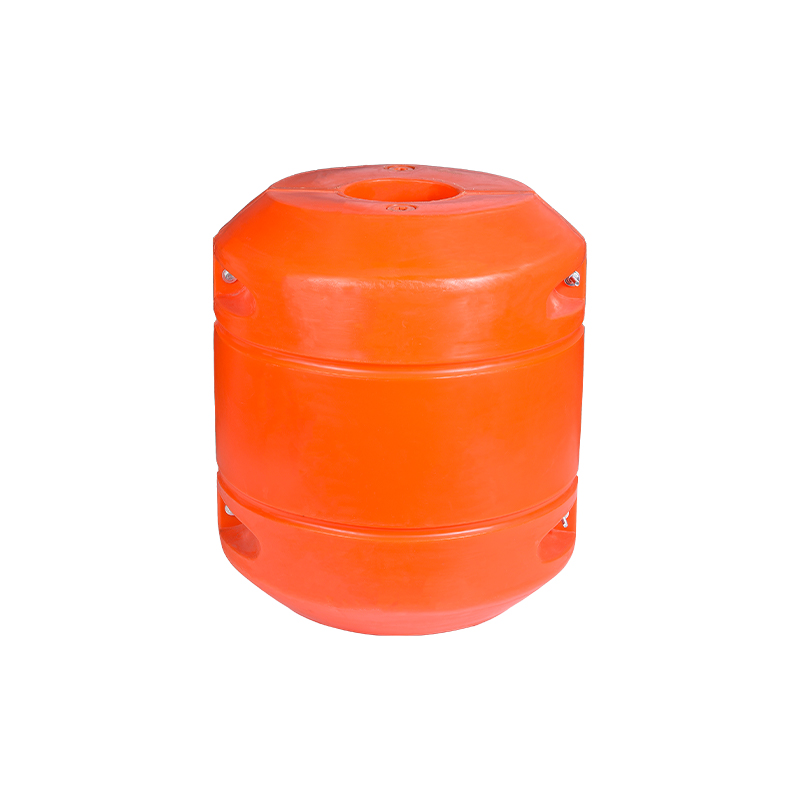
Warning Floating Dredging Pipe Pontoon
-
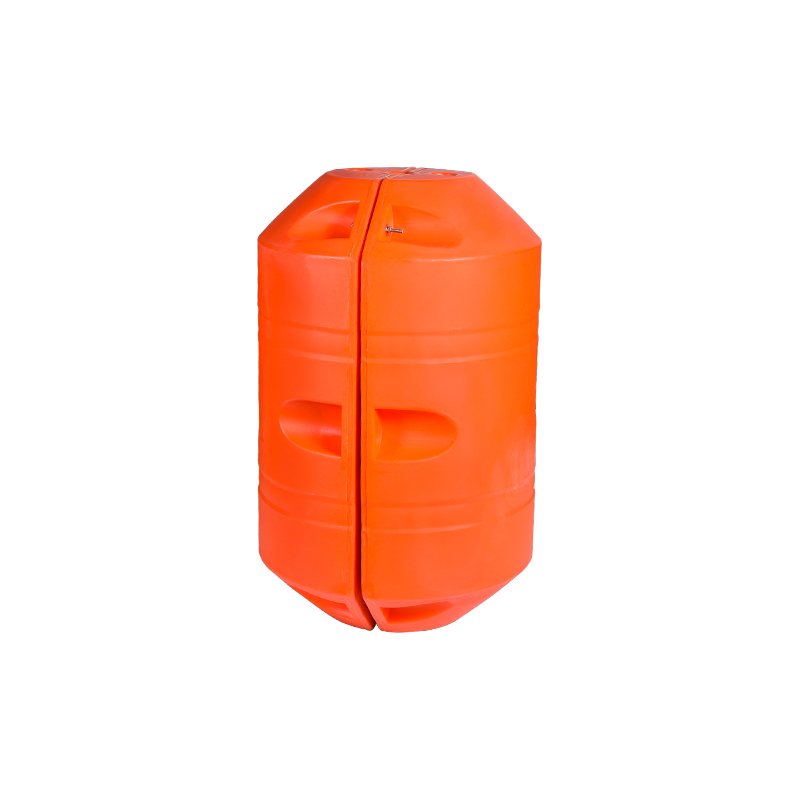
LLDPE Plastic Rotational Molding Dredge Pipe Float Pontoon
-
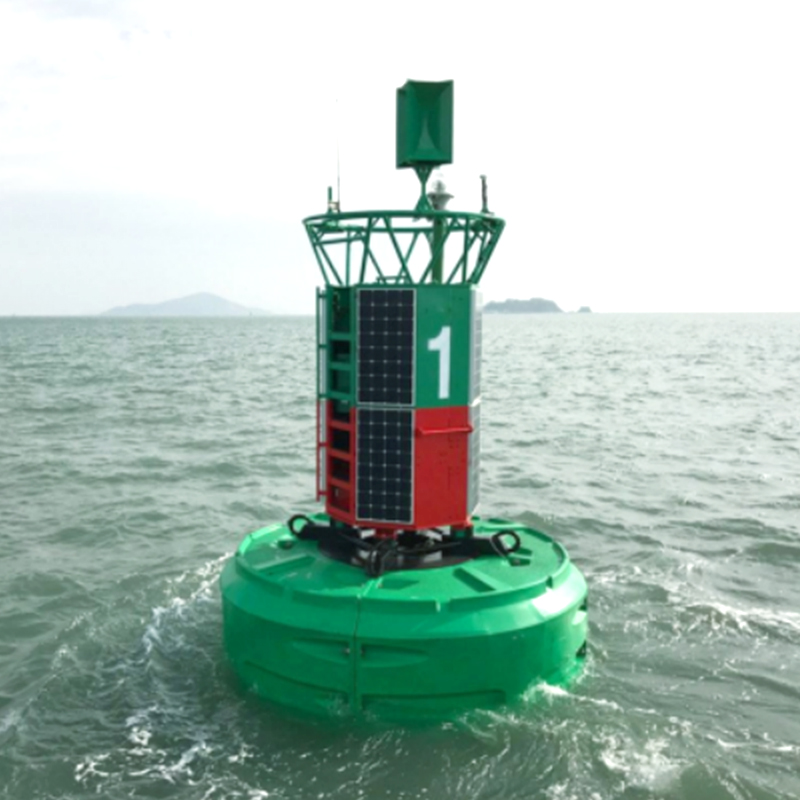
Marine Navigation Buoy/Warning Buoy
-
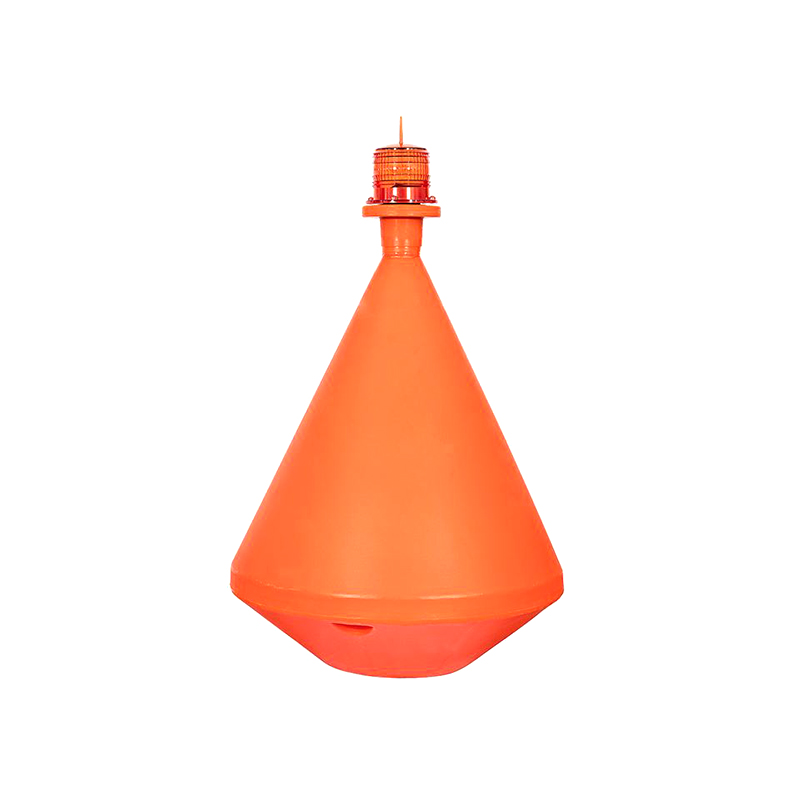
LLDPE Stationary Navigation Beacon Floating Buoy
-
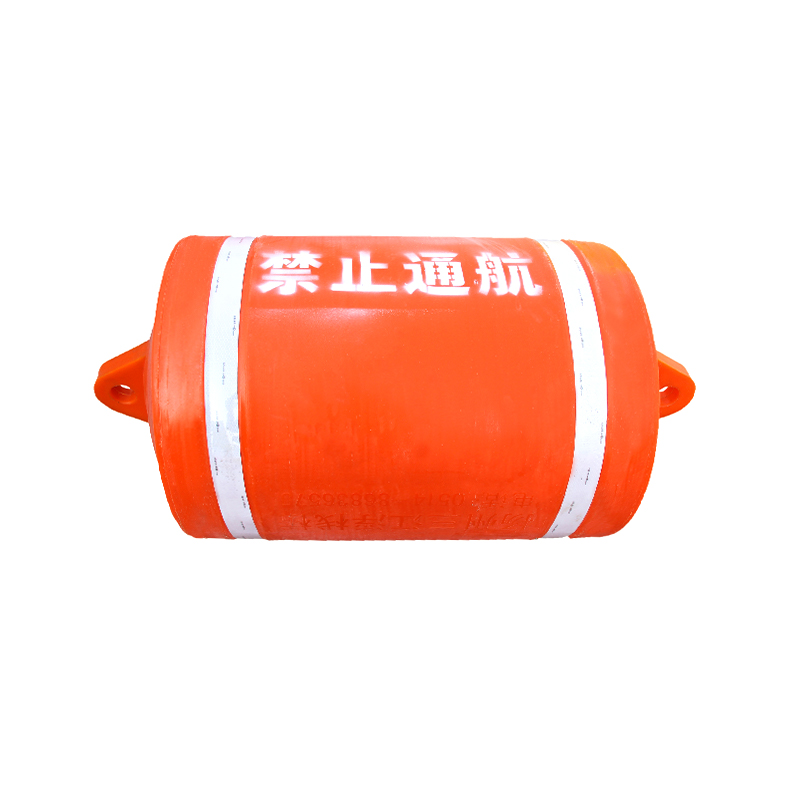
Rotomolding Warning Float With EPS Filler
-
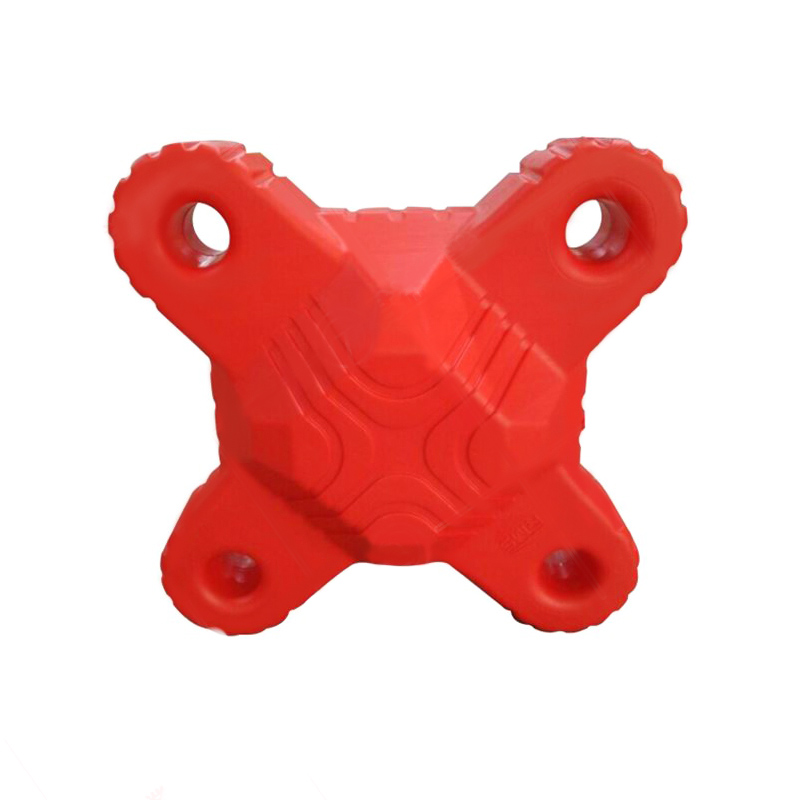
Rotomolding Anti-wave Buoy
-
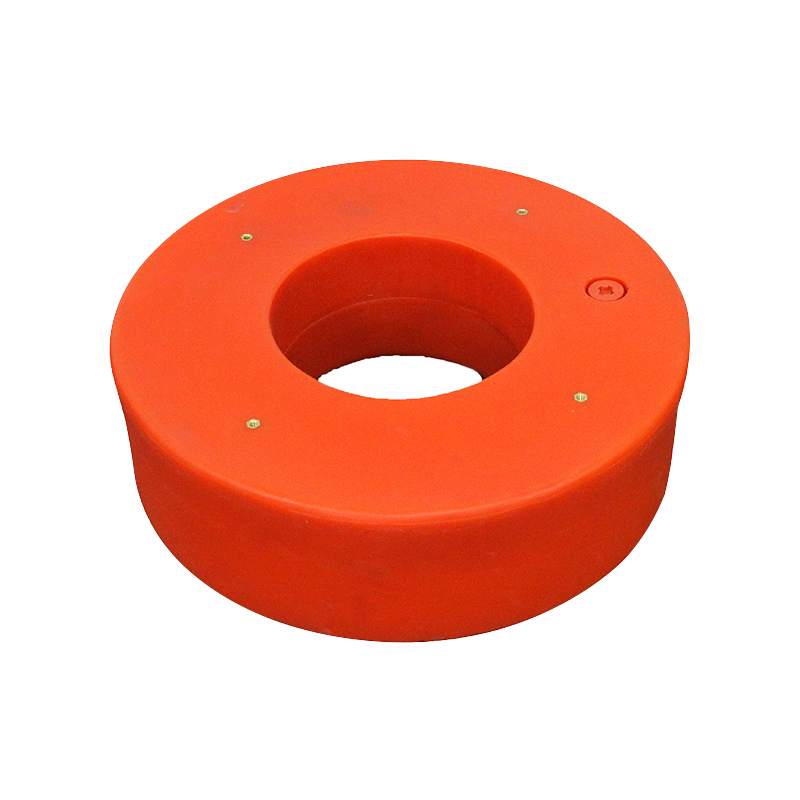
LLDPE Dredging Sludge Rotomolded Floating Ring
-
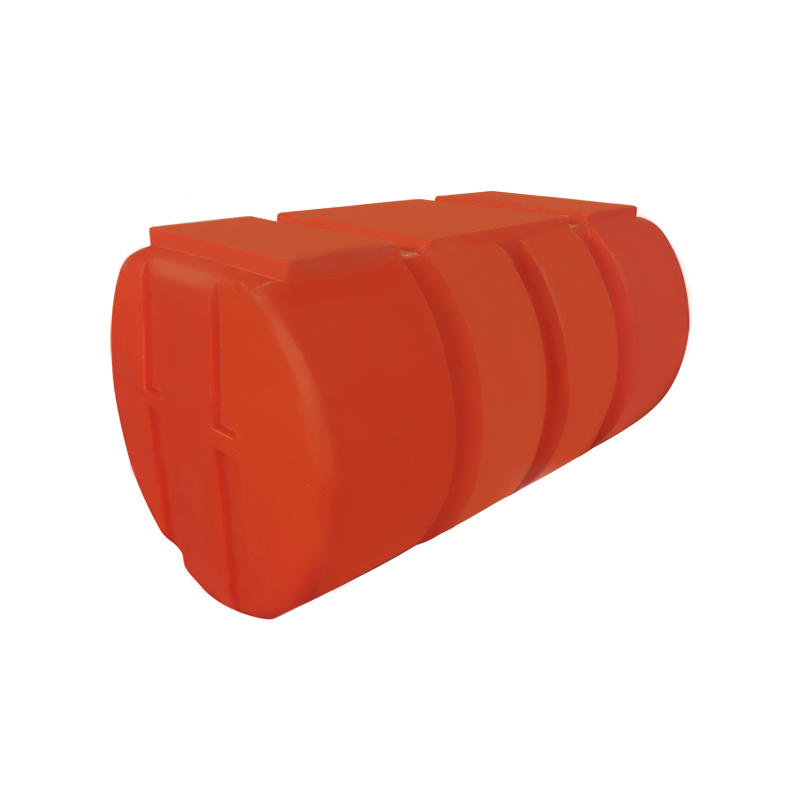
650 Diameter Rotomolding Breeding Floating Pontoon
-
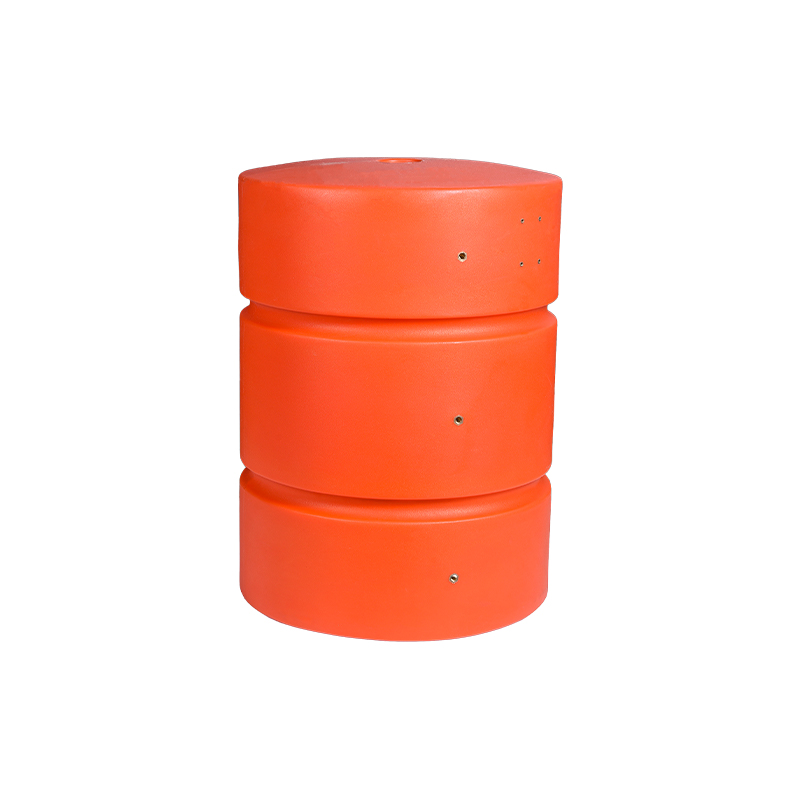
200 Diameter Rotomolding Sewage Retaining Float
-
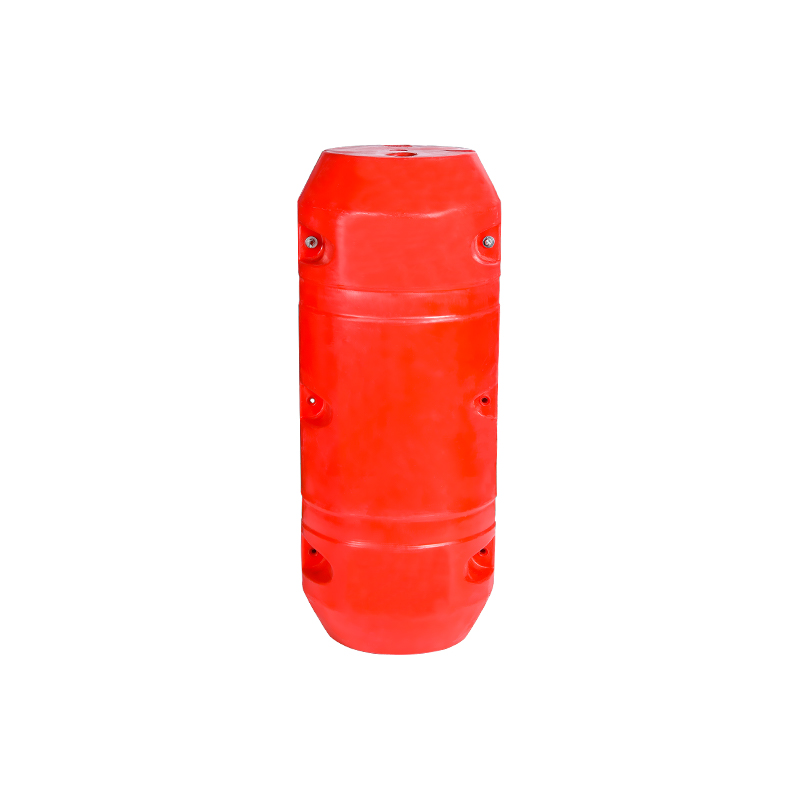
Rotational Molding Floating Body
-
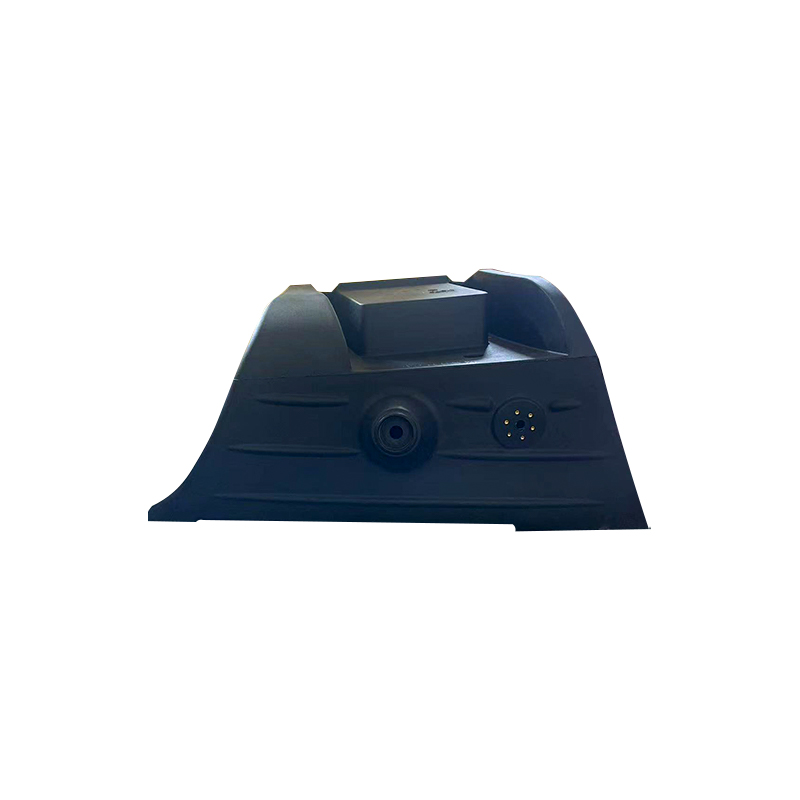
Rotomolding Plastic LLDPE Fuel Tank
-
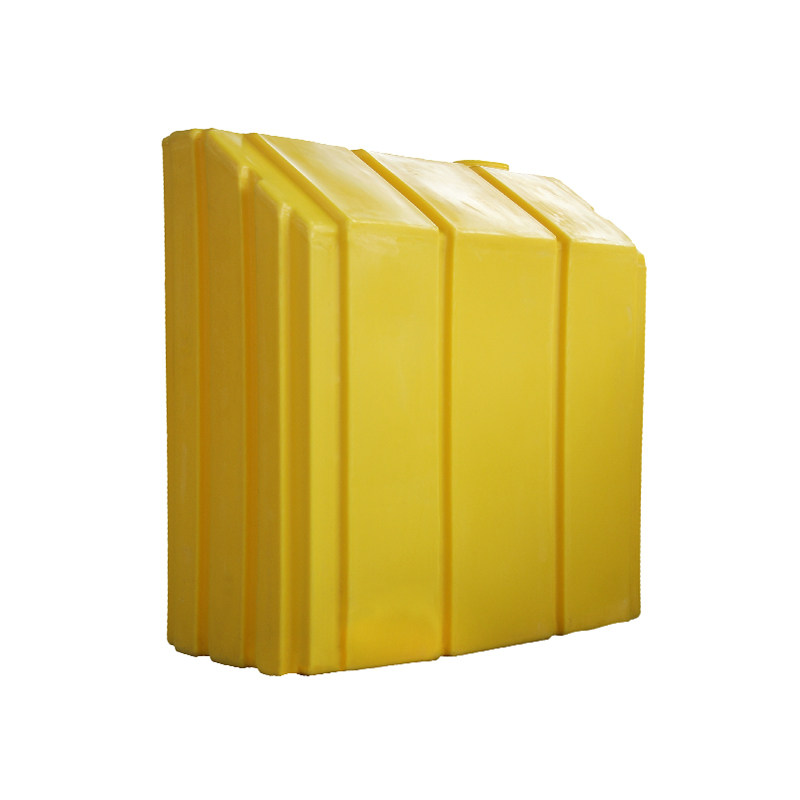
Rotomolding Plant Protection Water Tank
-
Rotomolding LLDPE RV Fresh Water Tank
QUICK CONTACT
-
 wuyuqiao village, Henghe Town, Cixi City, Zhejiang Province
-
 +86-15257871220
- +86 15924308271
-
 [email protected]
KEEP IN TOUCH
