

 English
 عربى
عربى
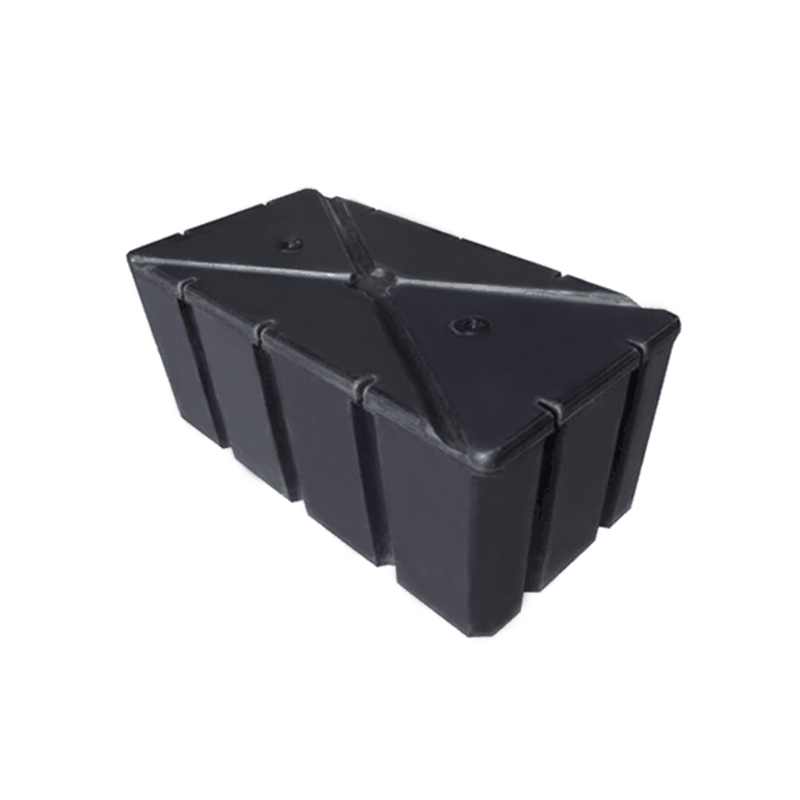
Why is a square design key to improving the stability of pontoons?
In the evolving world of marine construction and dock engineering, Square Rotomolding PE Floating Pontoons are rapidly displacing traditional wood, metal, and cylindrical float systems. For contractors and private owners seeking high stability and low-maintenance solutions, understanding the engineering advantages behind this specific geometry is essential.
Why is a Square Design Key to Improving the Stability of Pontoons?
Stability is the lifeline of any floating platform. The reason square designs outperform others lies in the maximization of the Waterplane Area.
The Physical Mechanism of Anti-Tipping
When a person walks along the edge of a dock, the pontoon is subjected to a lateral force. Square floating pontoons, with their sharp 90-degree edges (chines), provide an immediate counter-reaction. Because the bottom is perfectly flat, the water displacement is distributed uniformly from the center to the periphery.
As soon as tilting begins, the displaced volume on the submerged side increases rapidly, generating a powerful “Righting Moment.” In contrast, round pontoons experience a gradual and slower increase in displacement during a tilt, which often results in a “tipsy” or unstable sensation for users.
The Advantage of Seamless Modular Interlocking
The square geometry allows for Gapless Interlocking. When assembling large-scale platforms, square units fit flush against each other. This causes the entire assembly to behave as a single, rigid “stiff plate” rather than a collection of independently moving parts. This structural integrity significantly reduces resonance caused by wave action, making it highly preferred for commercial marinas and floating restaurants.
How Rotomolding Technology Empowers PE Pontoons with Superior Performance?
The keyword Rotomolding (Rotational Molding) is more than just a manufacturing process; it is the secret to maximizing the inherent properties of HDPE (High-Density Polyethylene).
One-Piece Construction: Eliminating Leakage Risks
Traditional welding or blow-molding processes often create weak points at the seams. Rotomolding uses a three-dimensional heating process where PE powder evenly coats the inner walls of the mold, creating a One-piece seamless construction. This means the pontoon has no joints or weld lines, fundamentally eliminating the risk of cracking or water ingress due to stress concentration.
Uniform Wall Thickness and Structural Strength
During the rotomolding cycle, the material is distributed with extreme uniformity. In square pontoons, corners can be intentionally reinforced for extra thickness. This results in a highly resilient PE shell capable of withstanding boat impacts, ice pressure, and abrasion from debris or rocky shorelines.
Environmental Safety and Corrosion Resistance
As a PE Floating Pontoon, the core material is polyethylene—a chemically inert substance. It does not rust in saltwater like metal, nor does it rot or leach toxic preservatives like treated wood. In eco-sensitive areas or drinking water reservoirs, this is often the only compliant material choice for waterborne infrastructure.
Performance Parameters and Core Advantage Comparison
To visualize the competitiveness of the Square Rotomolding PE Floating Pontoon, we have compared it against other common market solutions:
| Feature/Metric | Square Rotomolding PE Pontoon | Traditional Round Pontoon | Wood/Metal Frame Dock |
|---|---|---|---|
| Static Stability | Extremely High (Flat Bottom) | Moderate | Depends on sub-structure |
| Installation Ease | Extremely Low (Modular DIY) | Medium | High (Requires heavy gear) |
| Service Life | 15 - 25 Years | 10 - 15 Years | 5 - 10 Years (High Maint.) |
| Corrosion Resistance | Immune to Acid/Saltwater | Immune | Poor (Rust/Rot prone) |
| Eco-Friendliness | 100% Recyclable | Recyclable | Low (Chemical coatings) |
| Impact Resistance | Excellent (Tough PE) | Good | Average (Deformation) |
Commercial and Industrial Applications: From Floating Solar to Private Marinas
Due to their unique geometric stability and material durability, these pontoons offer irreplaceable value across several high-growth sectors.
Floating Solar Platforms (FPv)
With the global push for green energy, Floating Solar Platforms demand rigorous stability. Square pontoons provide a flat mounting surface for racking systems, while their high buoyancy ensures that expensive PV modules remain dry and safe from wave splash.
Industrial and Construction Platforms
In dredging or bridge maintenance, engineers require a stable temporary work platform. Square PE pontoons can be stacked or connected to support heavy machinery, including mini-excavators, providing a reliable surface for aquatic construction.
Leisure and Tourism Industry
For private lakes and luxury resorts, these pontoons can be configured into any shape—T, L, or U—to accommodate yacht berthing, floating yoga decks, or even water weddings. The anti-slip surface design ensures guest safety even in wet conditions.
FAQ: Frequently Asked Questions
Q1: Will square pontoons become brittle under long-term sunlight?
A: No. Our Rotomolding PE material includes high-grade UV Stabilizers. This ensures the pontoons resist intense solar radiation for over 15 years without fading or losing structural flexibility.
Q2: How do I calculate the number of pontoons needed for my project?
A: It depends on your total load requirement. Each standard square pontoon has a rated buoyancy (e.g., 350kg/m²). We recommend contacting our technical team for a precise layout and buoyancy calculation.
Q3: Does the square design create more water resistance than round designs?
A: In calm or low-flow environments, the difference is negligible. For high-velocity currents, we provide specialized streamlined nose units that can be attached to the front of the square modules to balance stability with hydrodynamics.
Q4: Are these pontoons recyclable?
A: Yes, Polyethylene (PE) is a Grade 2 or Grade 4 recyclable plastic. It aligns with global circular economy standards and is considered a truly “green” building material.
References and Technical Documentation
- Rotational Molding Technology (2nd Edition) – RJ Crawford. Detailed analysis of PE molecular chain behavior in molding.
- Marine Hydrodynamics for Floating Structures – MIT Press. Explores the mathematical models of stability for flat-bottomed vs. cylindrical hulls.
- ISO 9001:2015 Manufacturing Standards for HDPE Marine Products – Guiding standards for industrial quality assurance.
Related Products
-
Square Rotomolding PE Floating Pontoon
-
Rotomolding LLDPE Floating Platform
-
Durable 200mm ABS Rotational Molding Floating Balls
-
500mm Single Ear Rotomolding Floating Ball
-
500mm Plastic Floating Ball LLDPE Warning Ball Floater
-
Warning Floating Dredging Pipe Pontoon
-
LLDPE Plastic Rotational Molding Dredge Pipe Float Pontoon
-
Marine Navigation Buoy/Warning Buoy
-
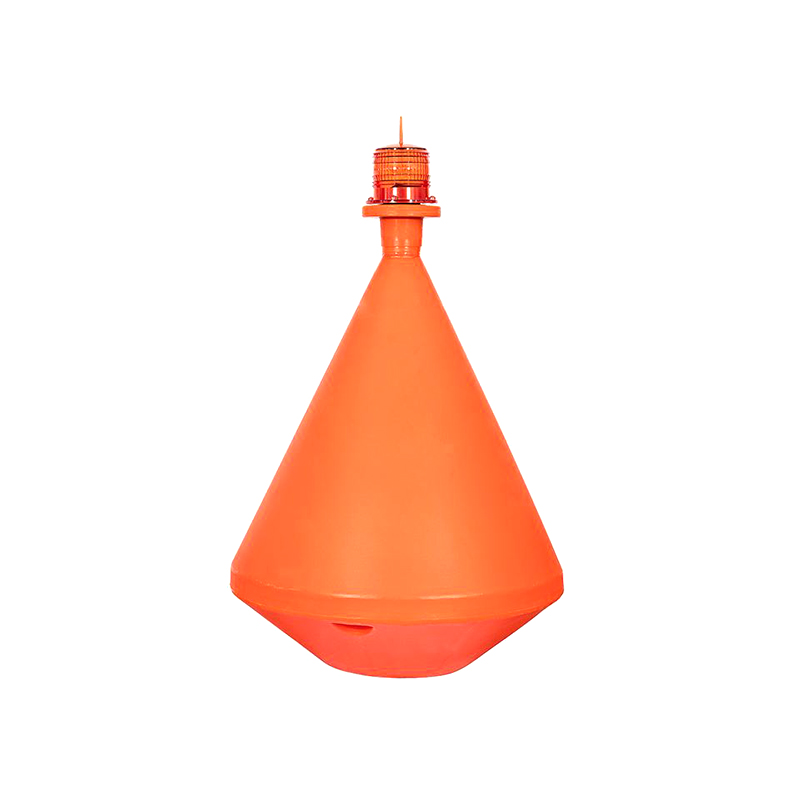
LLDPE Stationary Navigation Beacon Floating Buoy
-
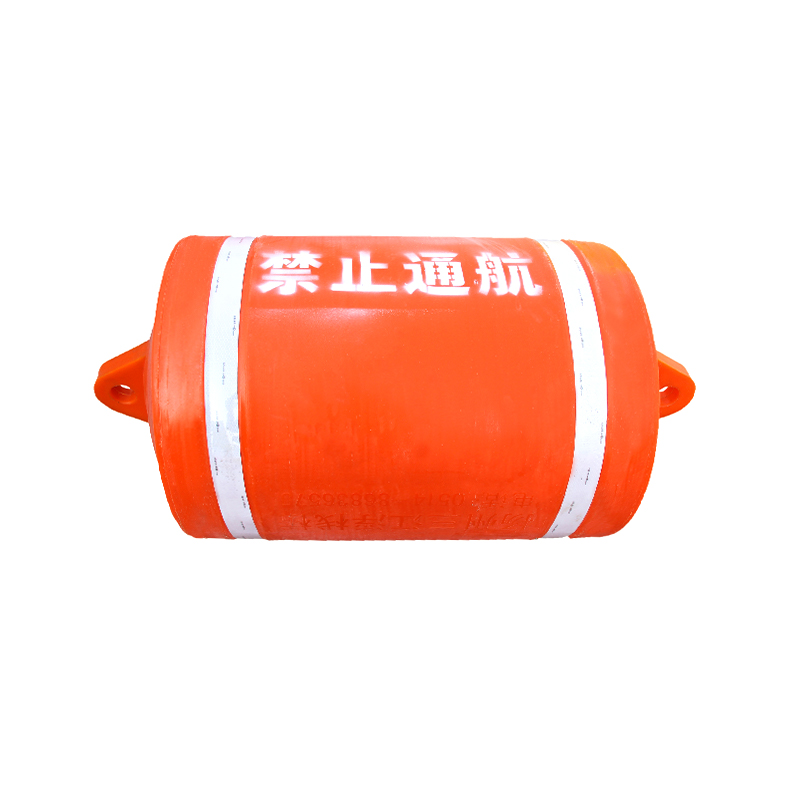
Rotomolding Warning Float With EPS Filler
-
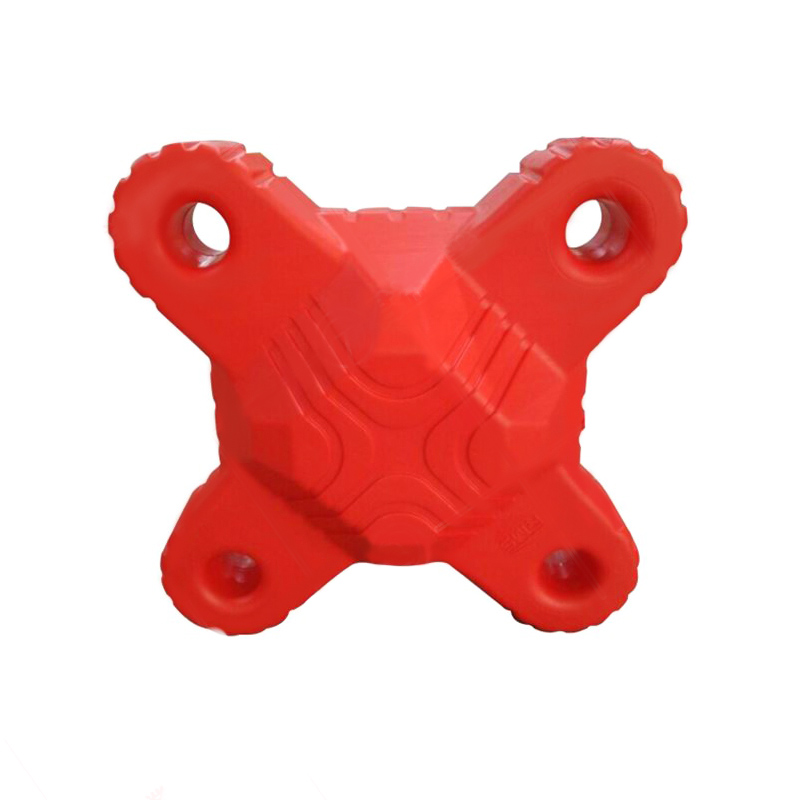
Rotomolding Anti-wave Buoy
-
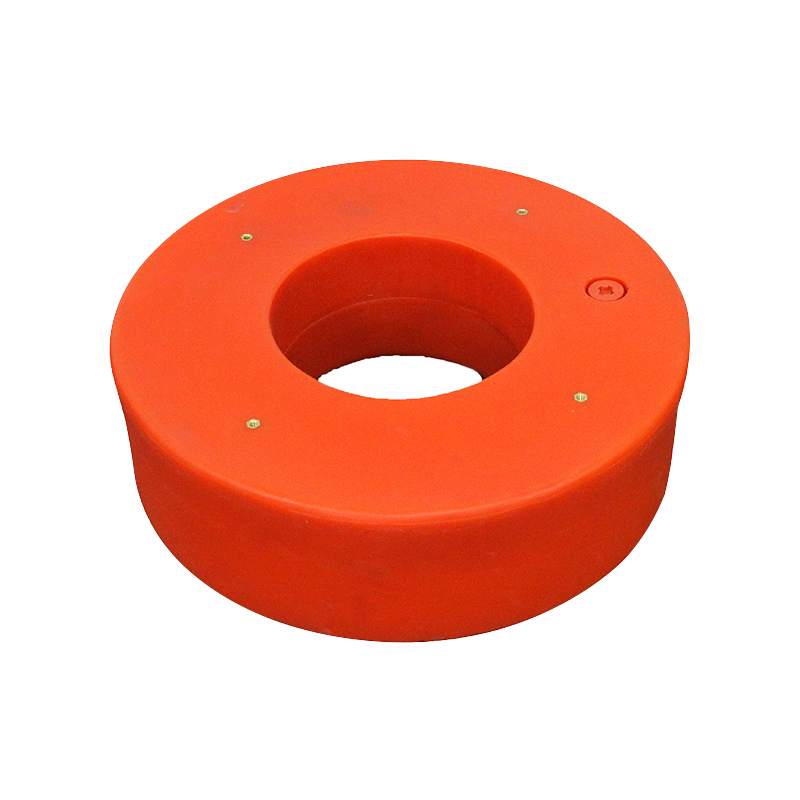
LLDPE Dredging Sludge Rotomolded Floating Ring
-
650 Diameter Rotomolding Breeding Floating Pontoon
-
200 Diameter Rotomolding Sewage Retaining Float
-
Rotational Molding Floating Body
-
Rotomolding Plastic LLDPE Fuel Tank
-
Rotomolding Plant Protection Water Tank
-
Rotomolding LLDPE RV Fresh Water Tank
QUICK CONTACT
-
 wuyuqiao village, Henghe Town, Cixi City, Zhejiang Province
-
 +86-15257871220
- +86 15924308271
-
 [email protected]
KEEP IN TOUCH
