

 English
 عربى
عربى
News
Home / News / Industry News / Why are Rotomolding Pontoon Floats More Durable Than Traditional Floating Docks?
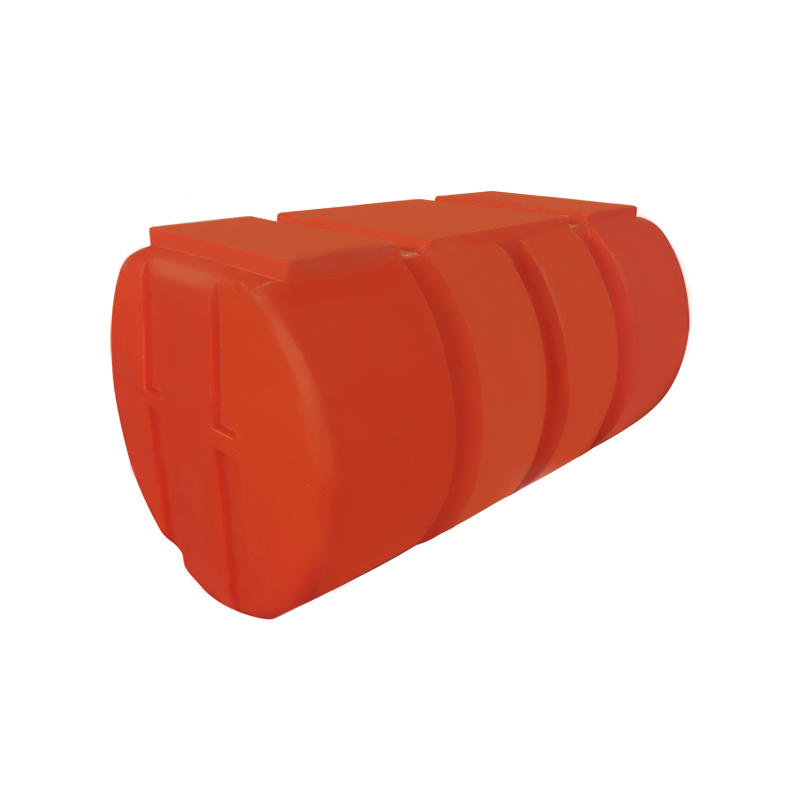
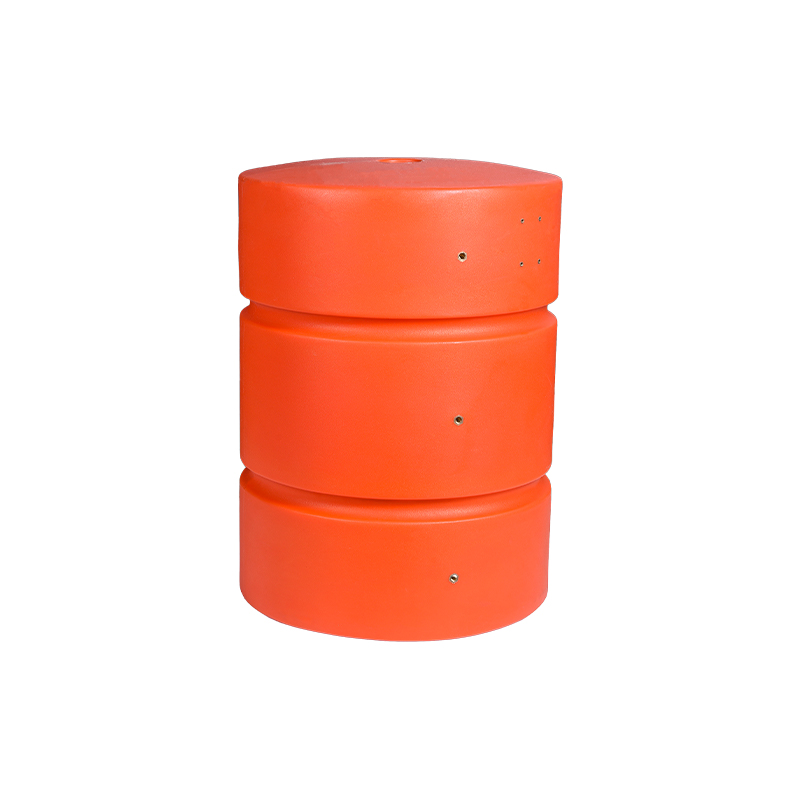
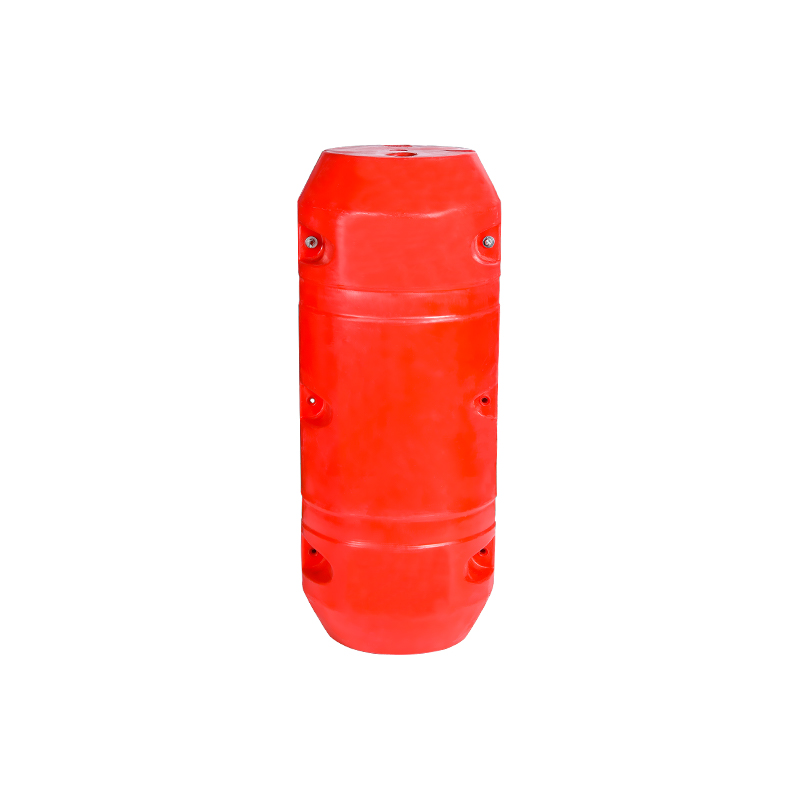
In the maritime industry, the longevity of a floating structure defines its return on investment. While traditional dock systems using wood, metal, or thin-walled plastic have been the norm for decades, rotomolding pontoon floats have revolutionized the market.
Traditional floating docks often suffer from structural failure at the seams. Whether it’s a welded aluminum joint or a glued plastic seam, these points act as “stress concentrators.”
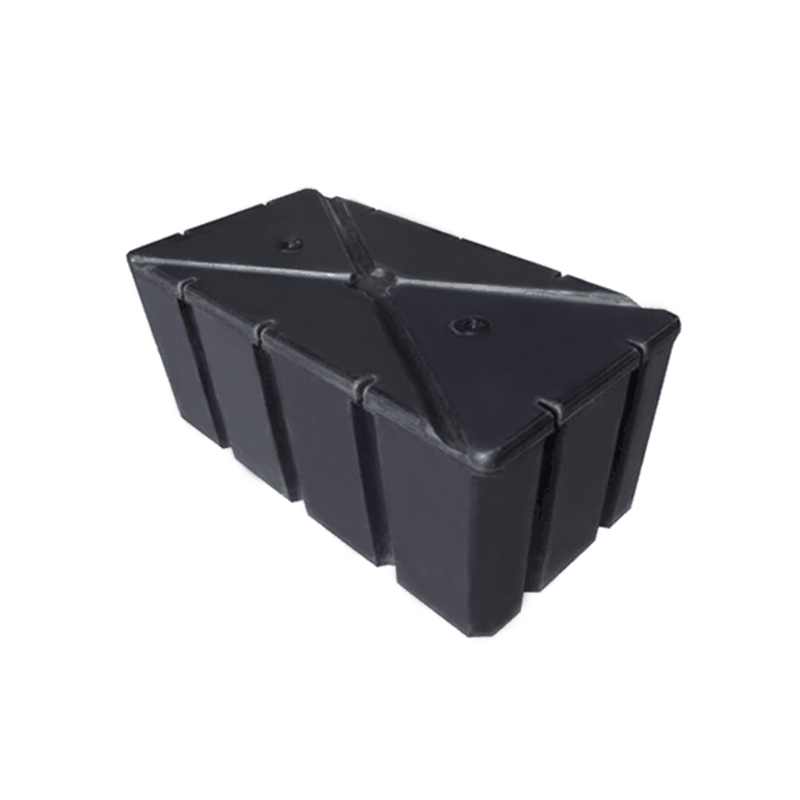
The rotomolding process involves a hollow mold filled with polyethylene powder, which is then heated and rotated on two axes. As the material melts, it coats the entire interior surface of the mold evenly. The result is a seamless, monolithic structure.
The material of choice for rotomolding is High-Density Polyethylene (HDPE). This isn’t just “standard plastic”; it is a high-performance polymer engineered for extreme environments.
Unlike steel pontoons that rust or wooden docks that rot and attract marine borers, HDPE is chemically inert. This makes it ideal for:
One of the primary killers of plastic docks is UV degradation. High-quality rotomolded floats are infused with UV-inhibitors (like UV-8 or UV-20 grades) during the raw material stage. This ensures the plastic doesn’t become brittle or “chalky” after years of exposure to direct sunlight. When you invest in UV-stabilized pontoon floats, you are looking at a functional lifespan that often exceeds 20 to 30 years.
A critical but often overlooked factor is how the floats are manufactured. Processes like injection molding use high pressure, which locks “residual stress” into the molecular structure of the plastic.
Because the rotomolding process uses heat and gravity rather than high-pressure injection, the plastic molecules settle into their natural, relaxed state.
In a busy marina, docks are constantly subjected to impacts from boats, debris, and ice.
In many manufacturing processes, corners are the weakest points because the material stretches thin as it reaches the edges of the mold.
In rotational molding, the opposite occurs. The centrifugal force and the nature of the process tend to deposit extra material into the corners and edges.
While the HDPE shell is the first line of defense, the internal core provides the ultimate safety net. Most commercial-grade rotomolded floats are EPS foam-filled.
We use high-density, closed-cell Expanded Polystyrene (EPS) foam.
| Feature | Rotomolded HDPE Floats | Aluminum/Steel Pontoons | Timber/Styrofoam Docks |
|---|---|---|---|
| Durability | 25+ Years | 10-15 Years (Rust risk) | 5-10 Years (Rot risk) |
| Maintenance | Zero to Minimal | High (Anodes/Coating) | High (Staining/Sealing) |
| Impact Resistance | Excellent (Self-healing) | Poor (Dents/Leaks) | Moderate (Splinters) |
| Eco-Friendliness | 100% Recyclable | Moderate | Low (Chemical leaching) |
Q1: Are rotomolded pontoon floats environmentally safe?
Yes. HDPE is non-toxic and does not leach chemicals into the water. Furthermore, the EPS foam is encapsulated, preventing microplastics from entering the ecosystem.
Q2: Can these floats stay in the water during winter?
Absolutely. The flexibility of HDPE and the rounded design of rotomolded floats allow them to “pop up” when ice forms, preventing them from being crushed by ice expansion.
Q3: What is the standard wall thickness of a rotomolded float?
While it varies by application, most heavy-duty marine floats feature a wall thickness between 0.25 inches to 0.5 inches (6mm to 12mm), with reinforced corners.
 wuyuqiao village, Henghe Town, Cixi City, Zhejiang Province
 +86-15257871220
 [email protected]
