

 English
 عربى
عربى
Why is a Sewage Lift Water Tank Essential for Below-Grade Plumbing?
Why is a Sewage Lift Water Tank Essential for Below-Grade Building Drainage?
In modern architectural design, especially regarding basement development, subway stations, and large-scale commercial complexes, the primary physical challenge facing drainage systems is gravity. Traditional building drainage relies on the natural slope of horizontal pipes, using gravity to direct domestic sewage toward the municipal sewer mains. However, when bathrooms, laundry rooms, or kitchens are located on “minus floors” or in “low-lying areas,” their drainage points are typically lower than the municipal network.
Overcoming the Gravity Barrier: The Physics of “Vertical Lifting”
A Sewage Lift Water Tank is the core engineering solution to this physical limitation. When the physical location of waste is lower than the discharge main, wastewater cannot flow by itself.
- Active Displacement Mechanism: The sewage lift water tank acts as a centralized collection terminal, fundamentally changing the drainage path. Once the liquid level inside the tank reaches a preset start height, an integrated high-performance submersible pump or grinder pump activates instantly. Through mechanical energy, it “lifts” the wastewater vertically through pressure pipes and delivers it into the gravity-fed network at a higher elevation.
- Advantages of Pressure Drainage: Compared to gravity-fed drainage which depends on slope, pressure drainage utilizing a tank allows for smaller pipe diameters and more flexible routing, eliminating the need for major excavation to find a natural gradient.
Preventing Backflow and System Stability
The greatest concern for below-grade areas is sewage backflow. During heavy rainfall or municipal blockages, external pressure can force wastewater back into the building.
- Check Valve Protection: Professional Sewage Lift Water Tank systems are equipped with high-efficiency non-return valves (check valves). These ensure that once the wastewater is lifted and discharged, it cannot flow back into the collection tank. This one-way flow security is the physical baseline for keeping underground spaces dry and hygienic.
Sanitation and Structural Integrity: The Invisible Guardian of Underground Spaces
Below-grade drainage is not just a matter of moving liquid; it involves managing biohazardous organic waste in a confined underground environment. A well-designed lifting station is the cornerstone of air quality and structural safety in sub-grade structures.
Hermetic Sealing and Odor/Gas Control
Domestic sewage naturally produces gases like methane and hydrogen sulfide during storage. These gases are not only foul-smelling but can also be toxic or flammable in enclosed basement spaces.
- Airtight Design: Premium Sewage Lift Water Tanks are manufactured from high-density polyethylene (HDPE) or stainless steel, materials with excellent airtight properties. The top covers are equipped with specialized seals to ensure all odors are locked inside the tank.
- The Importance of Venting: To balance internal pressure during intake and discharge, the system must be connected to the building’s vent stack. This prevents siphoning caused by negative pressure and ensures that odors are exhausted through the roof rather than dissipating into the basement.
Preventing Seepage and Foundation Erosion
Traditional open concrete sumps are highly prone to leakage, allowing untreated sewage to permeate the concrete slab. this can lead to rebar corrosion and weaken the foundation’s strength.
- Corrosion and Permeation Resistance: Because sewage contains acidic, alkaline, and fatty acid components, professional tanks must possess superior chemical resistance. A rotationally molded HDPE tank has no seams, effectively preventing sewage seepage and protecting the building’s structural integrity. Their service life typically exceeds 30 years.
Technical Comparison: Sewage Lift Tank vs. Standard Sump Pump
Many non-professionals confuse traditional rainwater sump pumps with professional Sewage Lift Water Tanks. Understanding the technical differences is vital to preventing system failure.
| Technical Feature | Standard Sump Pump | Sewage Lift Water Tank |
|---|---|---|
| Fluid Type | Clear Ground Water / Rain | Blackwater (Feces/Paper) / Graywater |
| Solid Handling | Very Weak (Clear water only) | Strong (50mm solids or Grinder function) |
| Sealing Requirements | Open or Simple Lid | Strictly Hermetic & Force-Vented |
| Pump Type | Standard Drainage Pump | Sewage Ejector / Grinder Pump |
| Odor Control | Minimal to None | Total Isolation & Containment |
| Typical Application | Flood Prevention | Below-grade Bathrooms / Laundry |
Enhancing Property Utility and Asset Value
In the long term, installing a reliable Sewage Lift Water Tank is a significant investment in the functionality and market competitiveness of a property, offering unlimited possibilities for underground space utilization.
Enabling Commercial Transformation of Basements
By solving drainage hurdles, basements that were once only fit for storage can be transformed into independent apartments, gyms, cinemas, or even underground restaurants.
- Layout Flexibility: With a lifting station, you are no longer restricted to placing bathrooms near the main stack. The high-head performance of the pump allows for horizontal transport across dozens of meters, meaning you can arrange sinks or toilets in any corner based on aesthetic and functional needs.
- Asset Appreciation: Adding a full, legally drained bathroom can typically increase a residential property’s resale value by 15% to 20%. For commercial real estate, improved drainage capacity directly equates to increased leasable area.
Long-Term Reliability with Grinder Technology
Modern integrated lifting tanks often feature internal Grinder Technology.
- Preventing Pipe Clogs: Grinder systems utilize high-speed carbide blades to instantly shred solid waste (such as fibers, wipes, or thick toilet paper) into a fine slurry. This allows for smaller discharge pipe diameters and drastically reduces the risk of overflows caused by system clogs, ensuring maintenance-free operation cycles for the entire building.
Frequently Asked Questions (FAQ)
Q1: How often does a Sewage Lift Water Tank require maintenance?
For residential use, a professional inspection is recommended every 12 months. Maintenance includes removing sediment from the bottom of the tank, checking float switch sensitivity, and verifying the seal of the check valve. Commercial high-frequency scenarios should be serviced quarterly.
Q2: Will the basement flood if there is a power outage?
Sewage pumps rely on electricity. During an outage, the tank will stop discharging. To prevent overflows, high-quality systems can be equipped with High-Water Alarms or Battery Backups. The most secure solution is a dual-pump system paired with an Uninterruptible Power Supply (UPS).
Q3: Is the equipment noisy during operation?
Modern integrated tanks are designed for either buried or surface installation. Thanks to the use of thick-walled HDPE materials and silent motors, the operating noise is usually below 50 decibels—equivalent to the sound of a household dishwasher—ensuring zero disruption to daily life.
References and Citations
- International Plumbing Code (IPC): Section 712 - Sumps and Ejectors.
- ASPE (American Society of Plumbing Engineers): Design Standards for Lift Stations.
- Journal of Water and Wastewater Engineering: Advanced Pumping Solutions for Sub-Grade Structures (2026).
Related Products
-
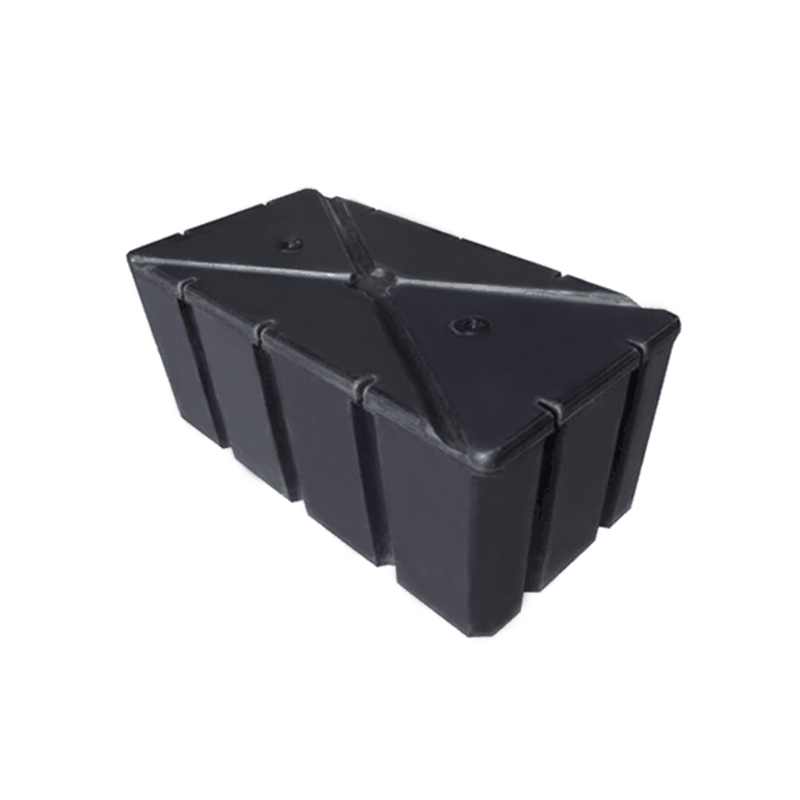
Square Rotomolding PE Floating Pontoon
-

Rotomolding LLDPE Floating Platform
-
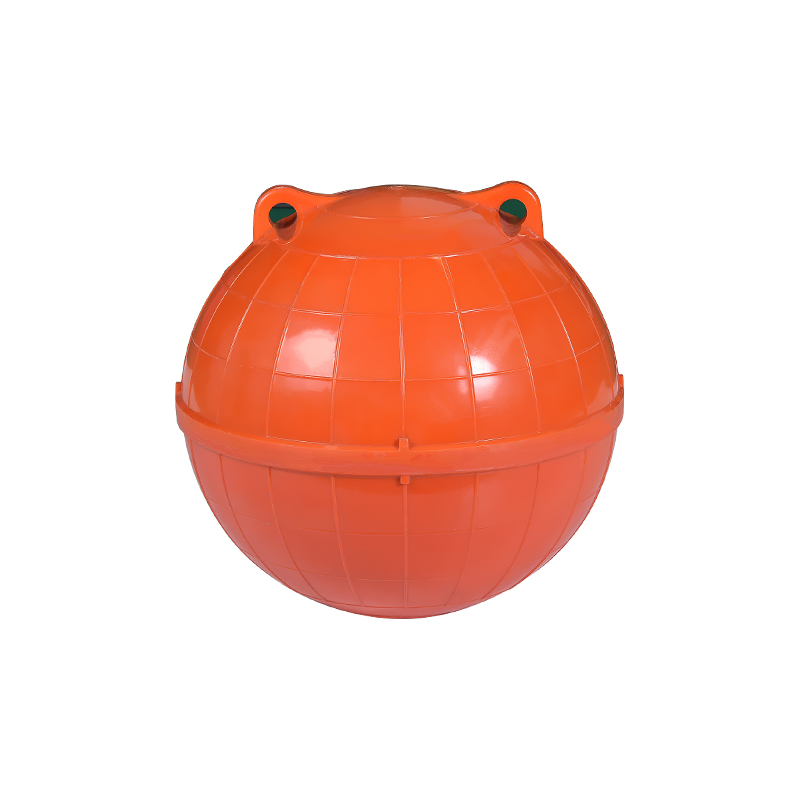
Durable 200mm ABS Rotational Molding Floating Balls
-
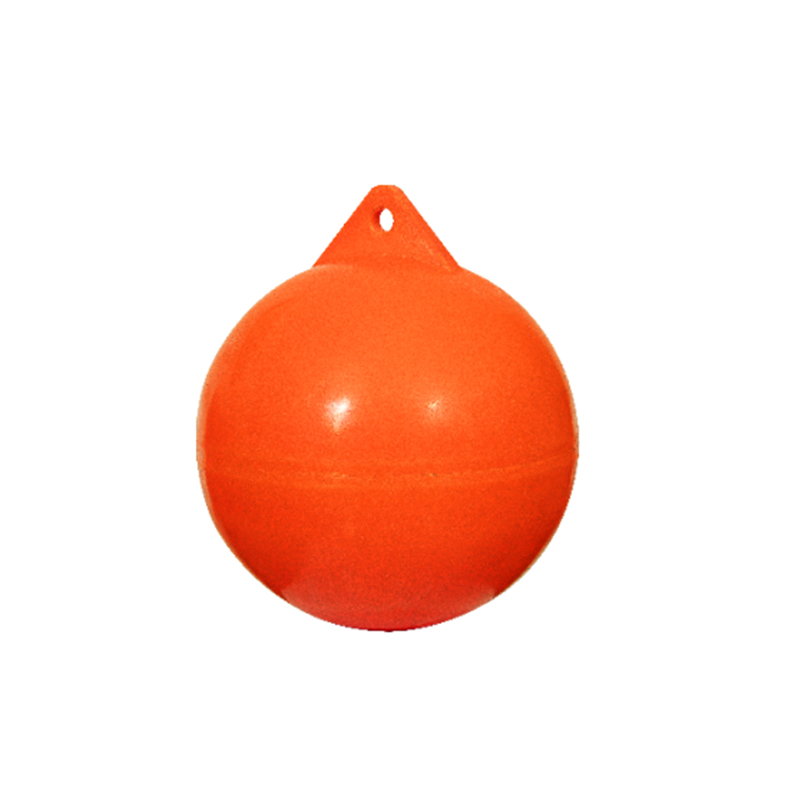
500mm Single Ear Rotomolding Floating Ball
-
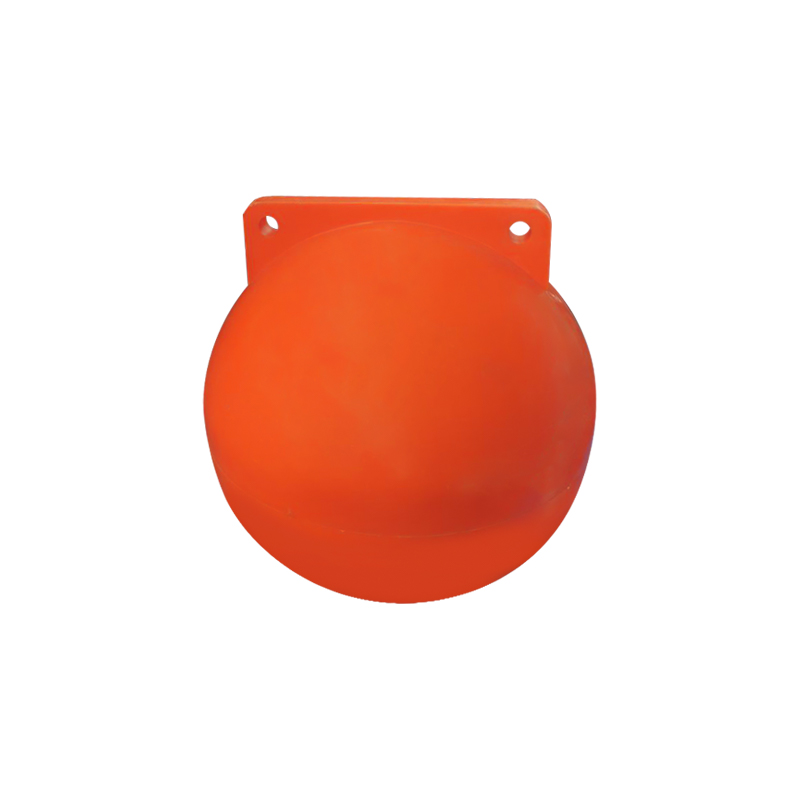
500mm Plastic Floating Ball LLDPE Warning Ball Floater
-
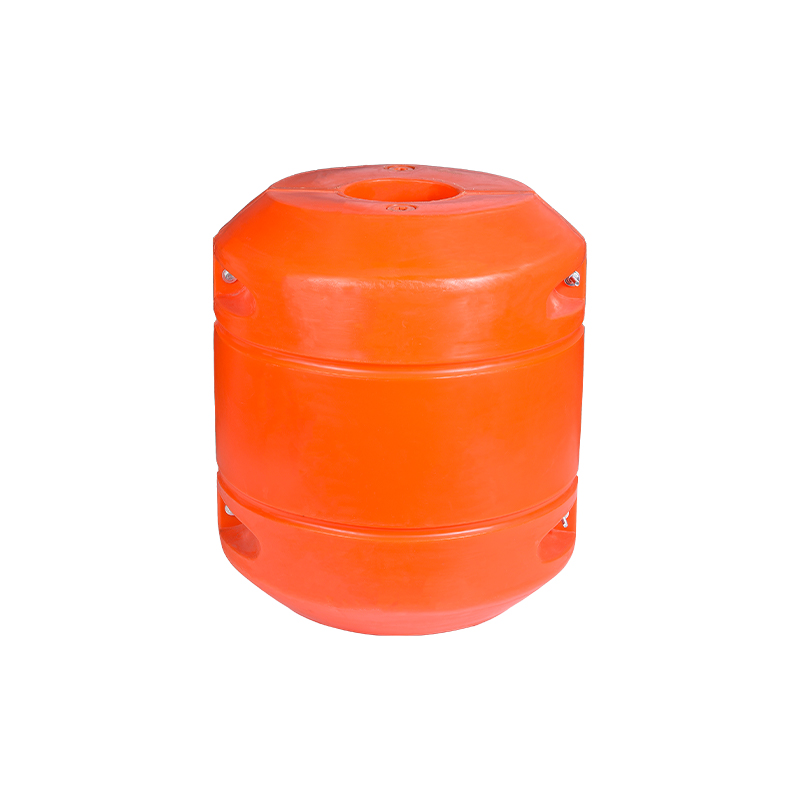
Warning Floating Dredging Pipe Pontoon
-
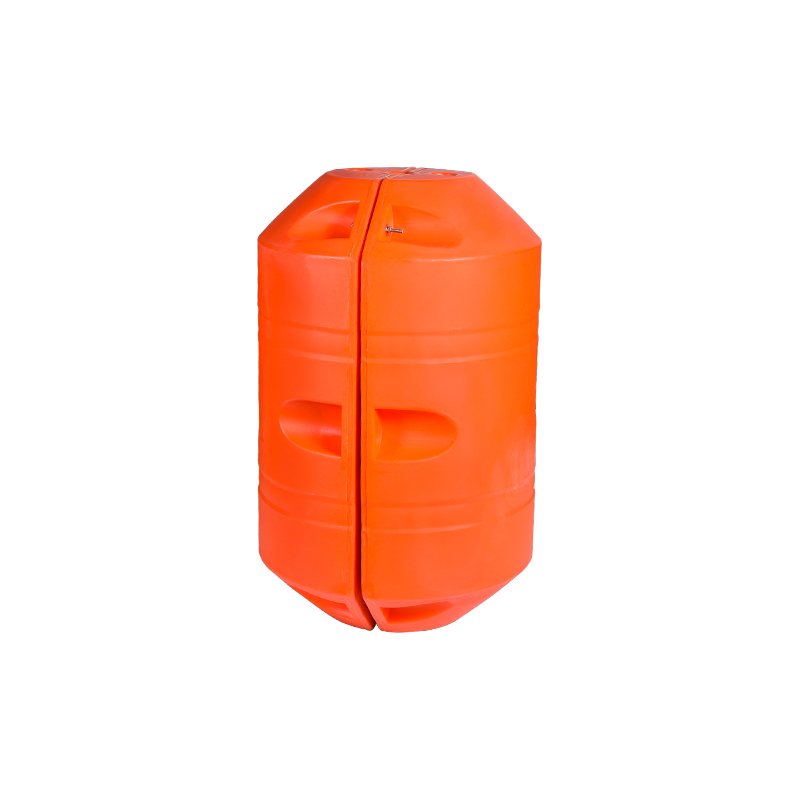
LLDPE Plastic Rotational Molding Dredge Pipe Float Pontoon
-
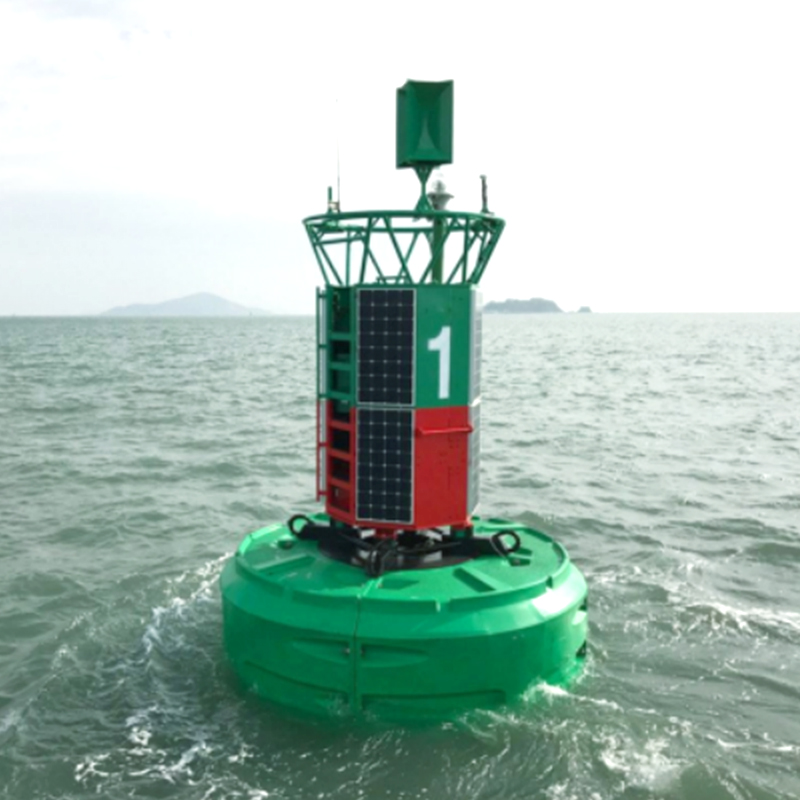
Marine Navigation Buoy/Warning Buoy
-
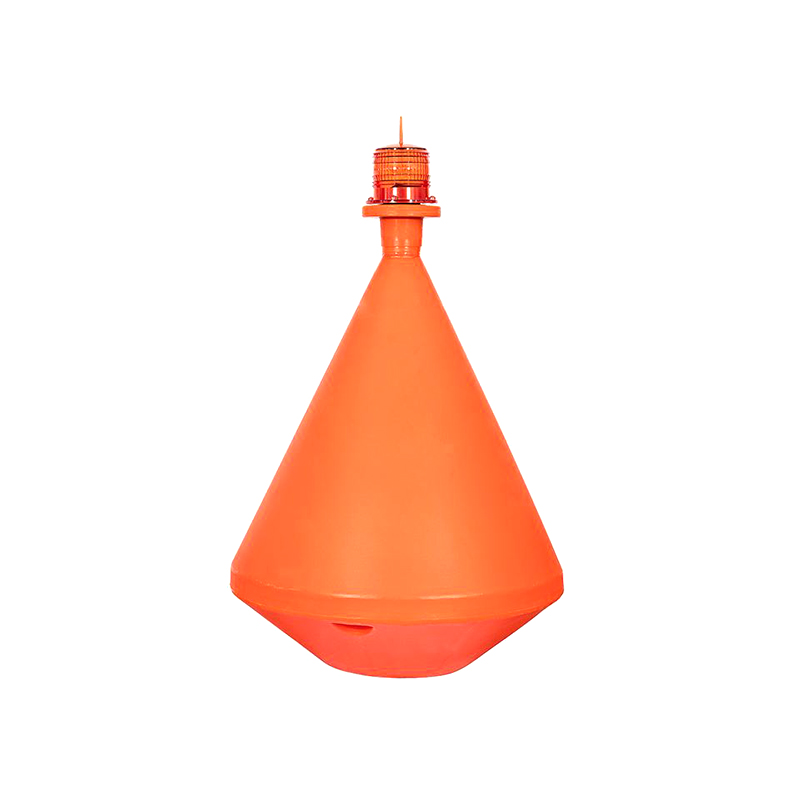
LLDPE Stationary Navigation Beacon Floating Buoy
-
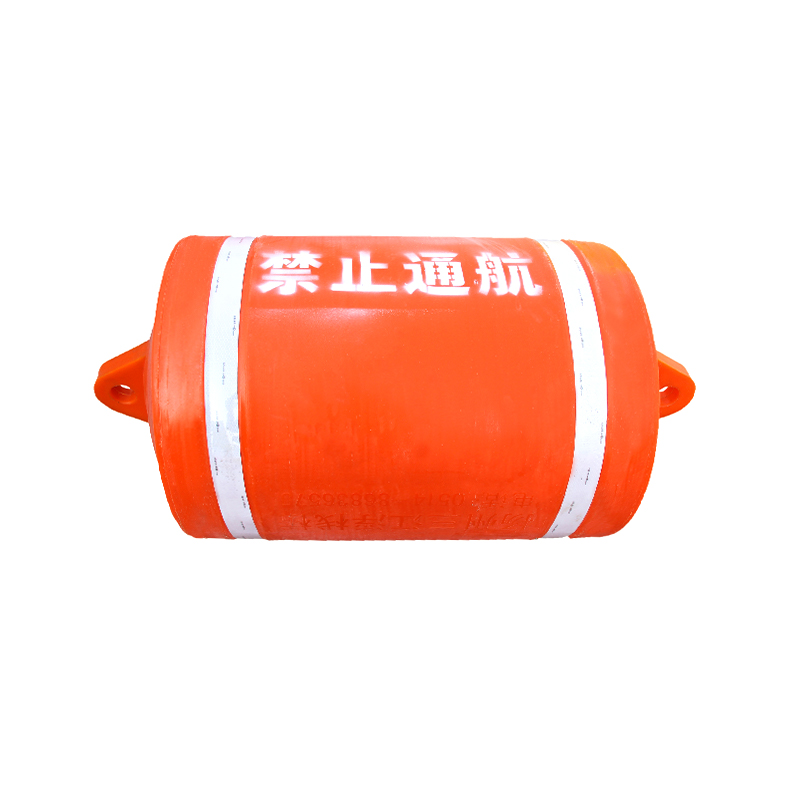
Rotomolding Warning Float With EPS Filler
-
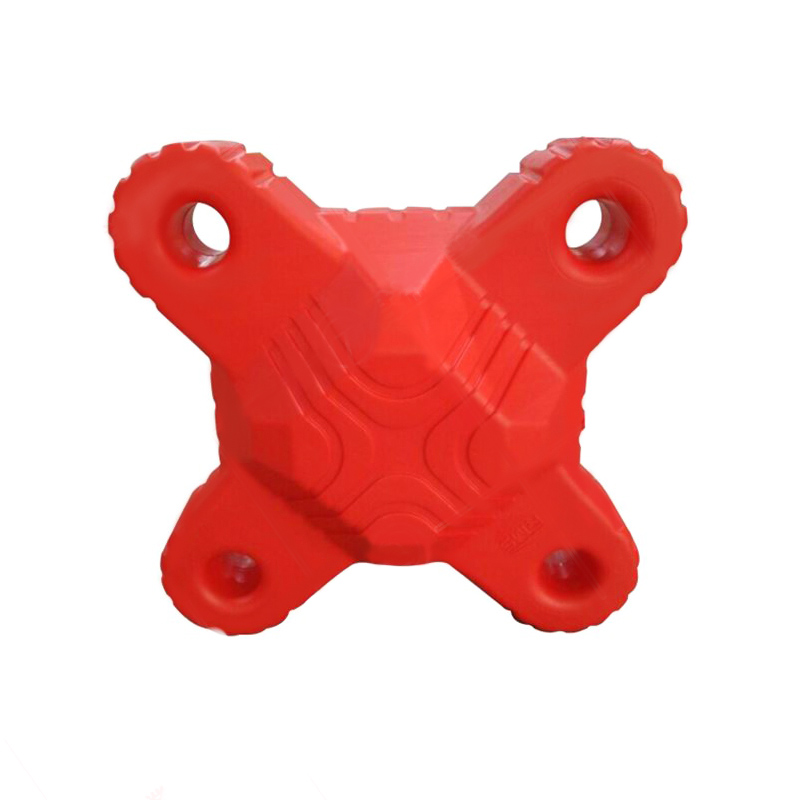
Rotomolding Anti-wave Buoy
-
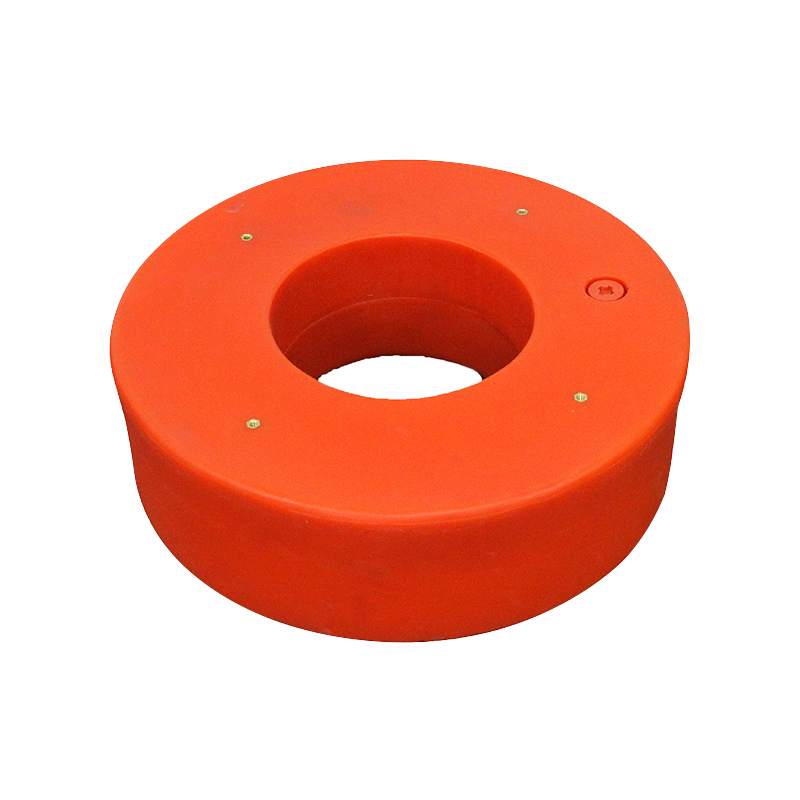
LLDPE Dredging Sludge Rotomolded Floating Ring
-
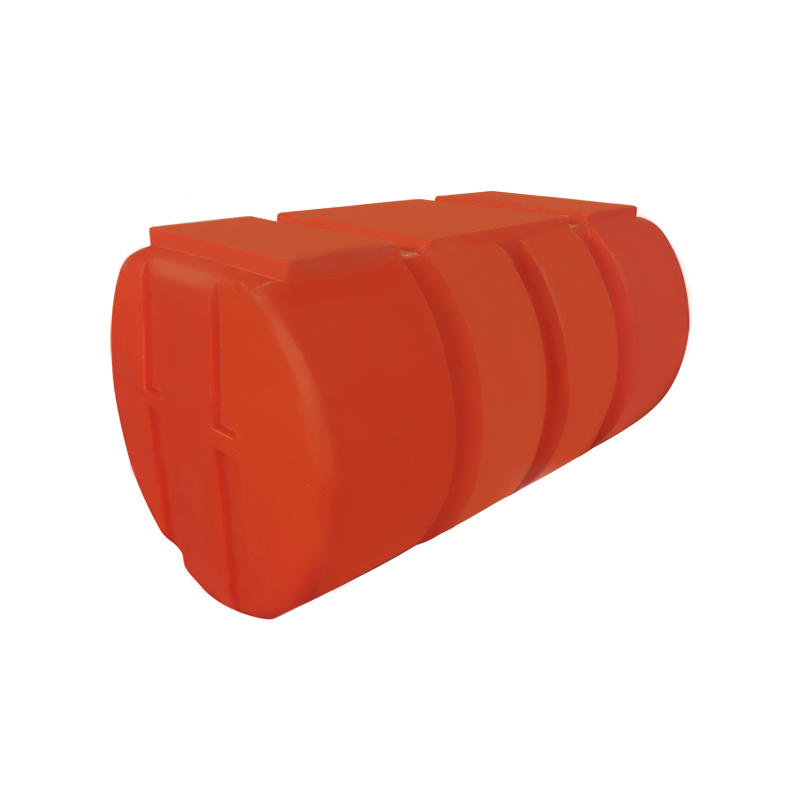
650 Diameter Rotomolding Breeding Floating Pontoon
-
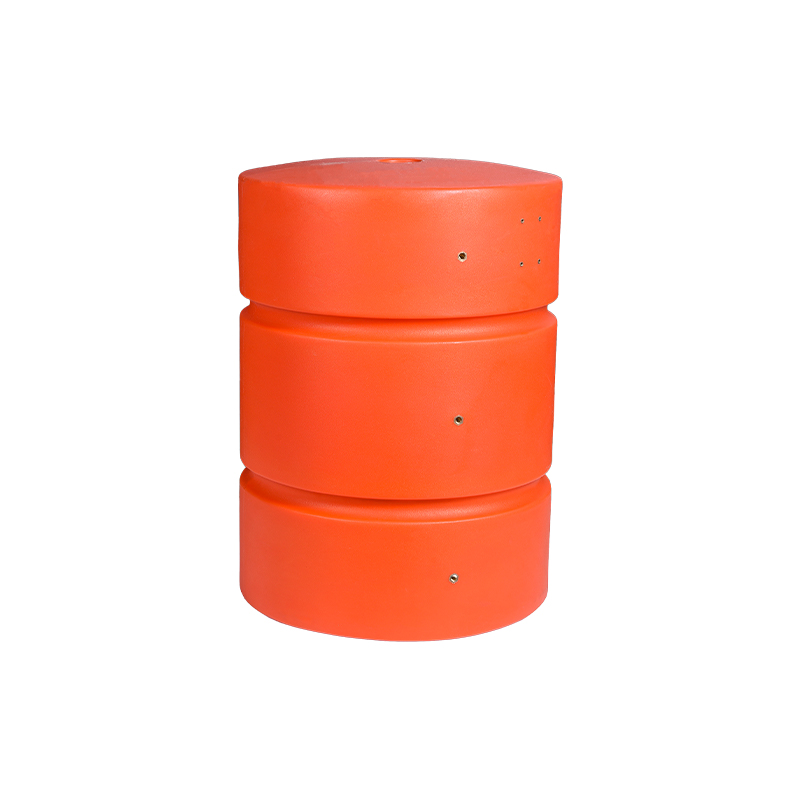
200 Diameter Rotomolding Sewage Retaining Float
-
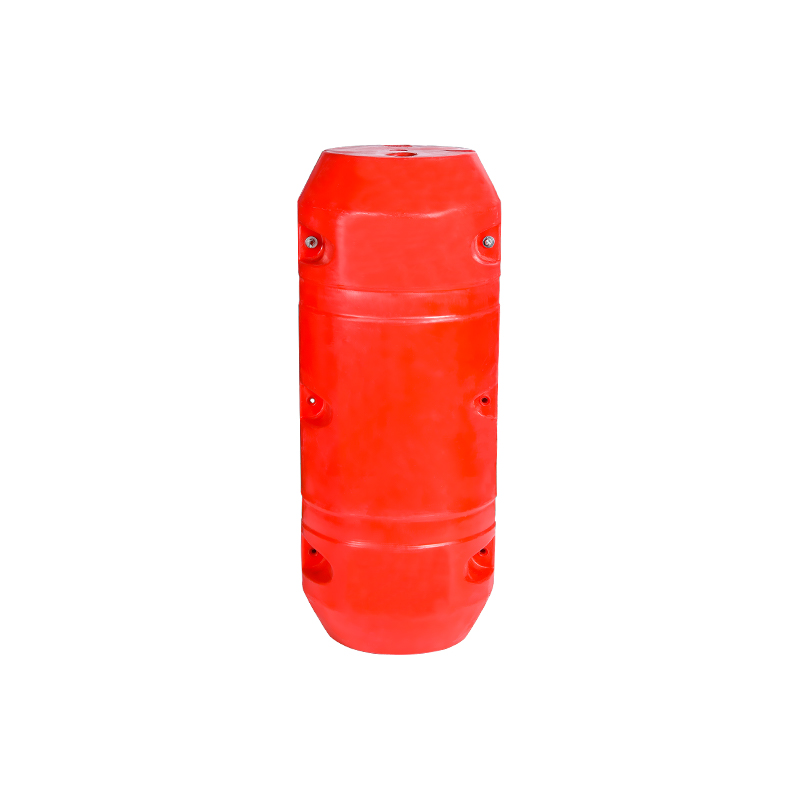
Rotational Molding Floating Body
-
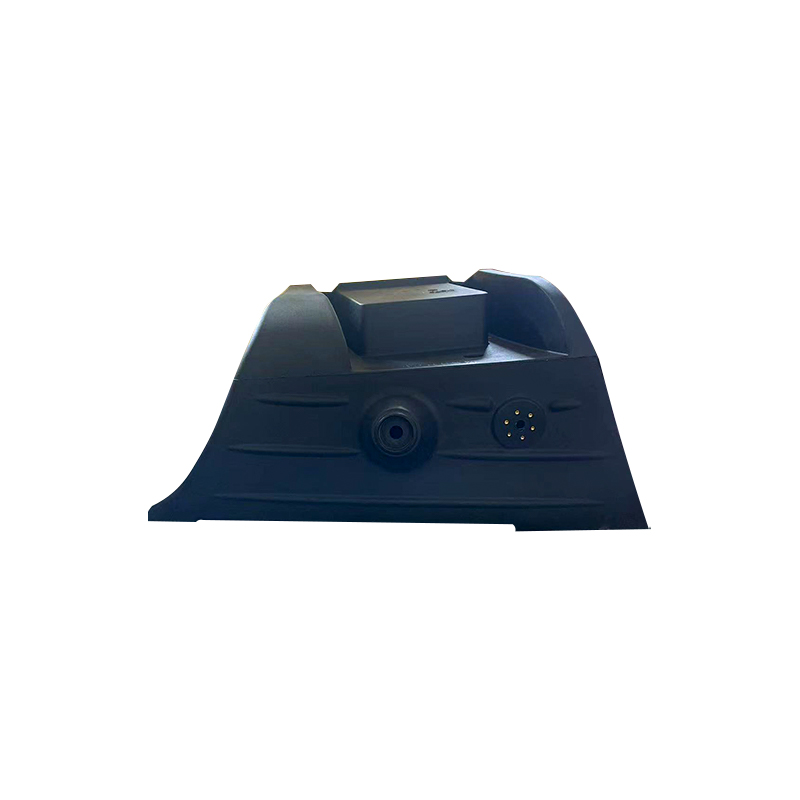
Rotomolding Plastic LLDPE Fuel Tank
-
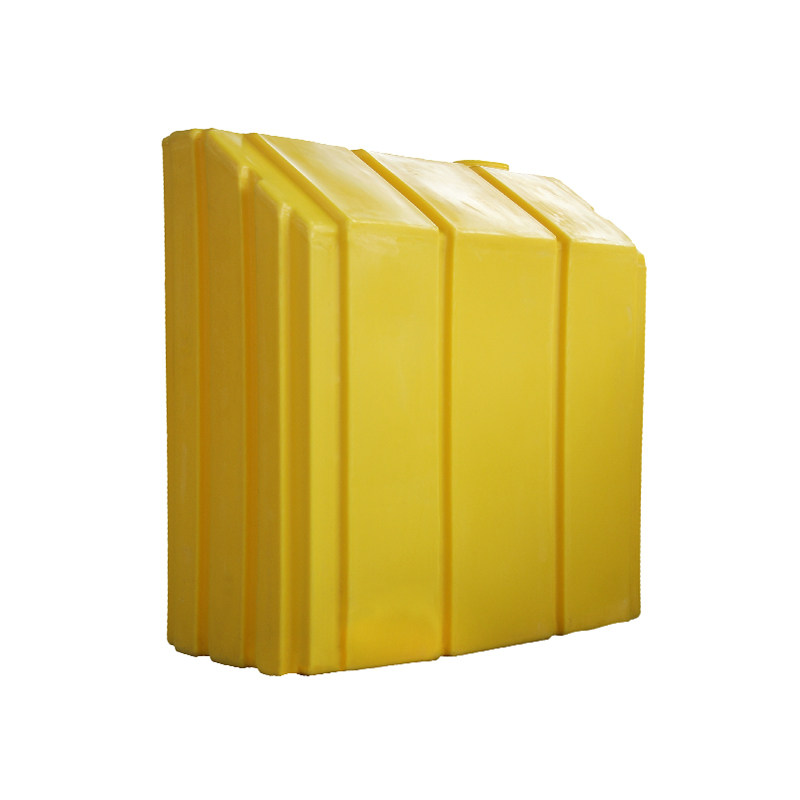
Rotomolding Plant Protection Water Tank
-
Rotomolding LLDPE RV Fresh Water Tank
QUICK CONTACT
-
 wuyuqiao village, Henghe Town, Cixi City, Zhejiang Province
-
 +86-15257871220
- +86 15924308271
-
 [email protected]
KEEP IN TOUCH
