

 English
 عربى
عربى
News
Home / News / Industry News / Why Are Rotomolding Equipment Shells Superior to Fiberglass or Metal Alternatives?
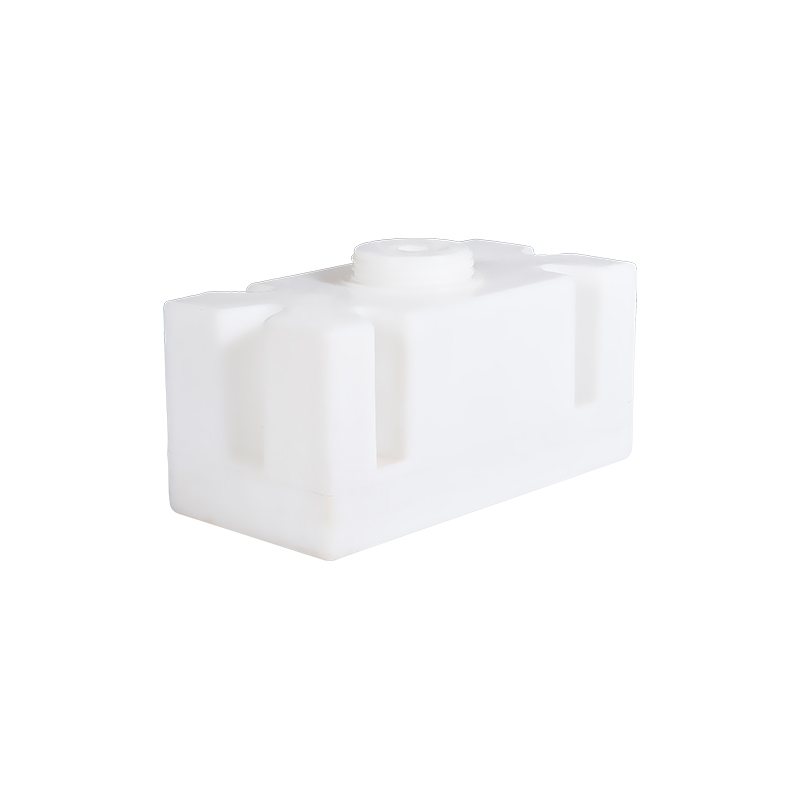
In the field of industrial design, an equipment shell is more than just the “face” of a product; it is the primary line of defense protecting delicate internal components from harsh environments. For decades, fiberglass and sheet metal were the default choices. However, with advancements in polymer science, Rotomolding Equipment Shells have emerged as the superior choice for agriculture, medical devices, and heavy machinery due to their seamless construction, impact resistance, and long-term ROI.
In real-world industrial applications, equipment shells frequently face collisions, drops, or impacts from hard objects. Fiberglass (FRP), while rigid, is a brittle thermoset composite. Once subjected to concentrated impact, it is prone to “star-cracking” or delamination. This damage is not only unsightly but also allows moisture to seep into the fiber layers, compromising structural integrity. Metal shells, though strong, suffer from permanent deformation (denting) upon impact, which can jam internal moving parts or misalign precision sensors.
In contrast, Rotomolding Equipment Shells are typically manufactured from Linear Low-Density Polyethylene (LLDPE) or Cross-linked Polyethylene (XLPE). These thermoplastics possess a unique “memory” and toughness. When a rotomolded shell is struck, the material absorbs the energy through elastic deformation and often returns to its original shape without a trace of damage. Furthermore, rotomolding is a stress-free process performed under atmospheric pressure, meaning the finished parts lack the internal stresses found in injection-molded or welded components, which are prone to stress-cracking. The “seamless monolithic” nature of rotomolding ensures a level of structural stability that far exceeds fiberglass and metal under mechanical pressure.
For machinery operating in outdoor or chemically harsh environments—such as agricultural sprayers, maritime communication tools, or industrial scrubbers—corrosion is the “fatal flaw” of metal shells. Even with expensive powder coating, a single scratch can become a gateway for rust. Fiberglass does not rust, but its surface gel-coat can undergo “chalking” and discoloration under long-term UV exposure, and it is susceptible to degradation from specific chemical solvents.
Rotomolding Equipment Shells have a natural advantage in chemical stability. Polyethylene is chemically inert, resisting most acids, alkalis, salts, and oils. This makes rotomolding the gold standard for chemical tanks and specialized industrial housings. Regarding UV protection, rotomolding offers a unique technical depth: UV stabilizers are compounded into the resin powder before the molding process begins. This means the UV protection exists throughout the entire thickness of the wall. Even if the surface is deeply scratched, the newly exposed material provides the same level of protection. This “full-thickness defense” ensures that equipment exposed to the sun for years maintains its structural strength and color vibrancy, unlike fiberglass which can become dry and brittle.
Metal fabrication is restricted by the physical limits of bending, welding, and stamping, making it difficult to produce streamlined or complex curved structures. While fiberglass can be molded into complex shapes, its production relies on manual hand-layup, leading to poor consistency and difficulty in implementing internal reinforcement ribs.
Rotomational Molding offers designers nearly unlimited freedom. It can easily produce large, Double-wall Constructions with intricate curves. This double-wall design significantly boosts structural rigidity and allows the hollow cavity to be filled with insulating foam for temperature-controlled equipment or sound-dampening materials for silent generators. A standout feature is Molded-in Inserts. During production, threaded metal nuts, hinges, or fittings can be placed directly into the mold. As the resin melts, it encapsulates these metal parts. This eliminates secondary drilling, riveting, or gluing, improving assembly precision and eliminating potential leak points. Designers can use this to integrate water tanks, fuel tanks, or tool compartments directly into the shell, achieving “multi-functional integration.”
| Feature | Rotomolded Shell (LLDPE/XLPE) | Fiberglass Shell (FRP) | Metal Shell (Steel/Alu) |
|---|---|---|---|
| Impact Performance | Excellent (Elastic/No crack) | Poor (Brittle/Cracks) | Moderate (Dents) |
| Corrosion Resistance | Superior (Chemically inert) | High (Weak to solvents) | Low (Prone to rust) |
| Weight | Lightweight (Lower logistics) | Moderate | Heavy (Higher shipping) |
| Tooling Cost | Moderate (Aluminum molds) | Low (Initial) | Extremely High (Stamping) |
| Consistency | High (Program controlled) | Low (Labor dependent) | High |
| Functional Integration | Extremely High (Inserts) | Moderate | Low (Requires welding) |
While metal stamping may have a lower unit price in massive volumes (100k+ units), rotomolding is unbeatably cost-effective in the medium-volume industrial sector (100 to 5,000 units annually). First is the Tooling Cost: Rotomolding molds are typically cast from aluminum or fabricated from steel plate, costing only a fraction of the hardened steel dies used for injection molding or stamping. This significantly lowers the barrier and risk for new product development.
Secondly, rotomolding eliminates secondary operation costs. Metal shells require grinding, degreasing, and painting after welding; fiberglass requires trimming, sanding, and gel-coat repair. A rotomolded shell is a “finished product out of the mold.” Colors and textures (such as leather grain or sandblast finishes) are molded in, eliminating the need for paint and reducing environmental compliance pressure. Finally, from a logistics perspective, the density of polyethylene is much lower than steel. A lightweight shell means lower freight costs and easier on-site installation. Considering material costs, tooling investment, and maintenance, rotomolding typically saves 20% to 40% in total lifecycle expenditure.
Q1: Can rotomolded shells be customized to specific corporate brand colors?
A1: Yes. The raw material can be precisely color-matched to Pantone or RAL codes during the grinding stage. The color is consistent throughout the wall thickness.
Q2: Can rotomolding achieve the same precision tolerances as metal parts?
A2: Rotomolding is an atmospheric process with typical tolerances around ±1%. For high-precision assembly areas, we use “molded-in inserts” or secondary CNC machining to ensure exact fitment.
Q3: Are rotomolded equipment shells fire-resistant?
A3: While base polyethylene is flammable, high-efficiency flame retardants can be added to the resin to meet UL94 V-0 or other industrial fire safety standards.

 wuyuqiao village, Henghe Town, Cixi City, Zhejiang Province
 +86-15257871220
 [email protected]
