

 English
 عربى
عربى
News
Home / News / Industry News / How Do Rotomolding Floating Docks Compare to Traditional Wooden Docks?
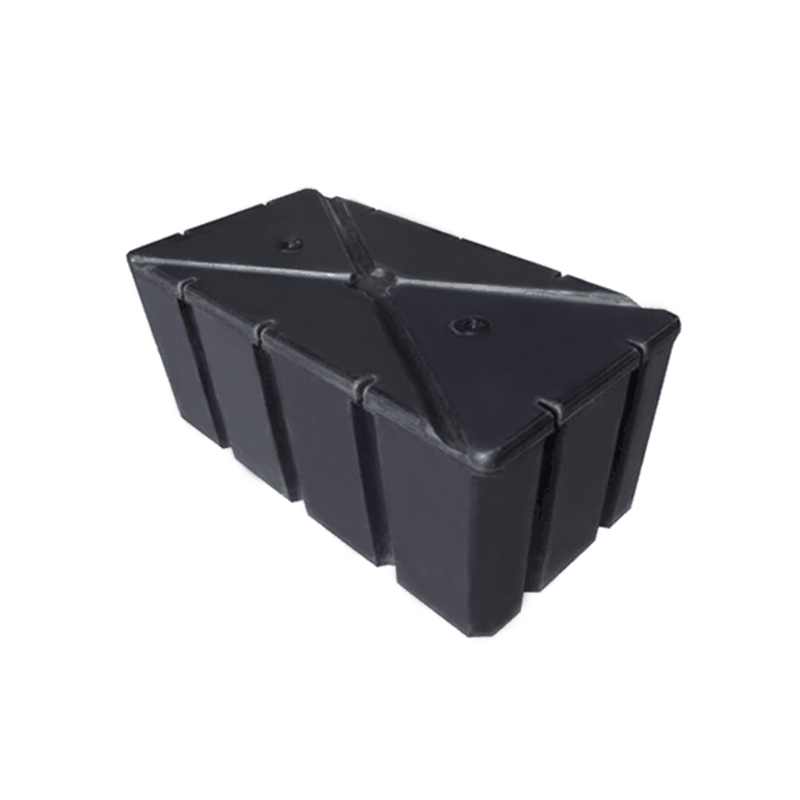
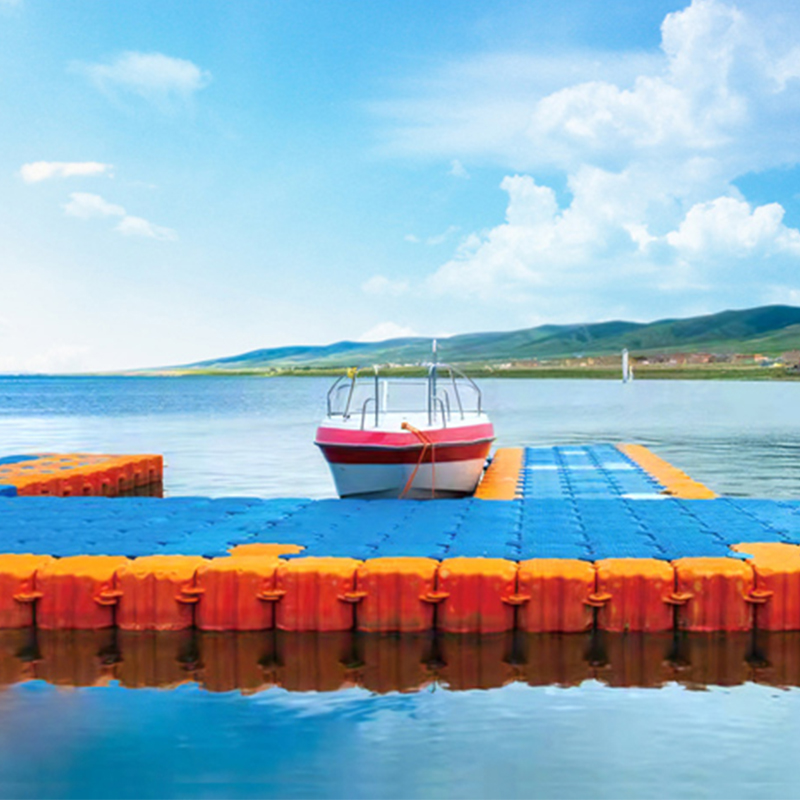
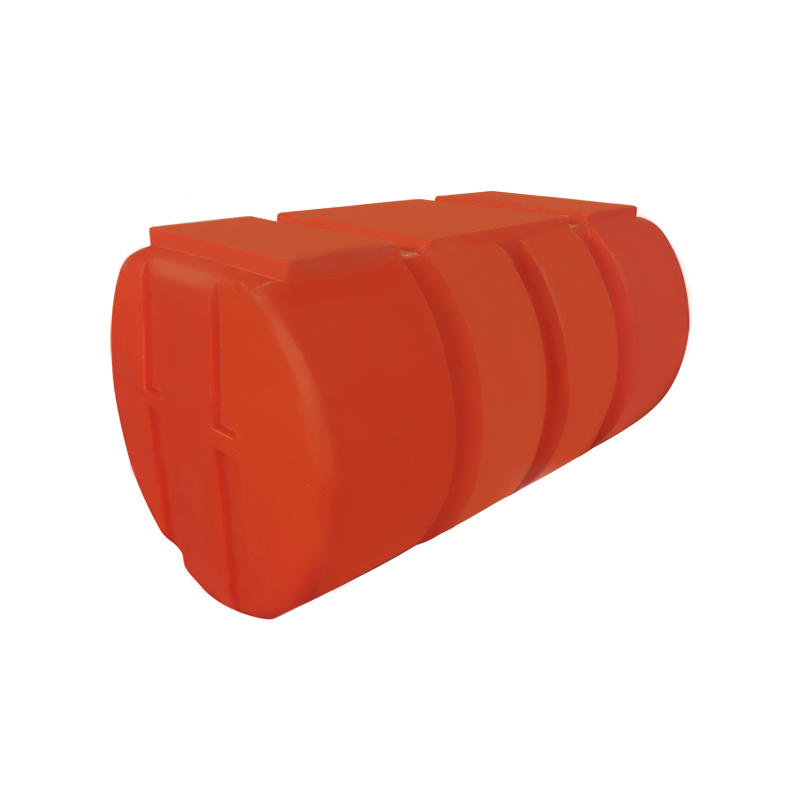
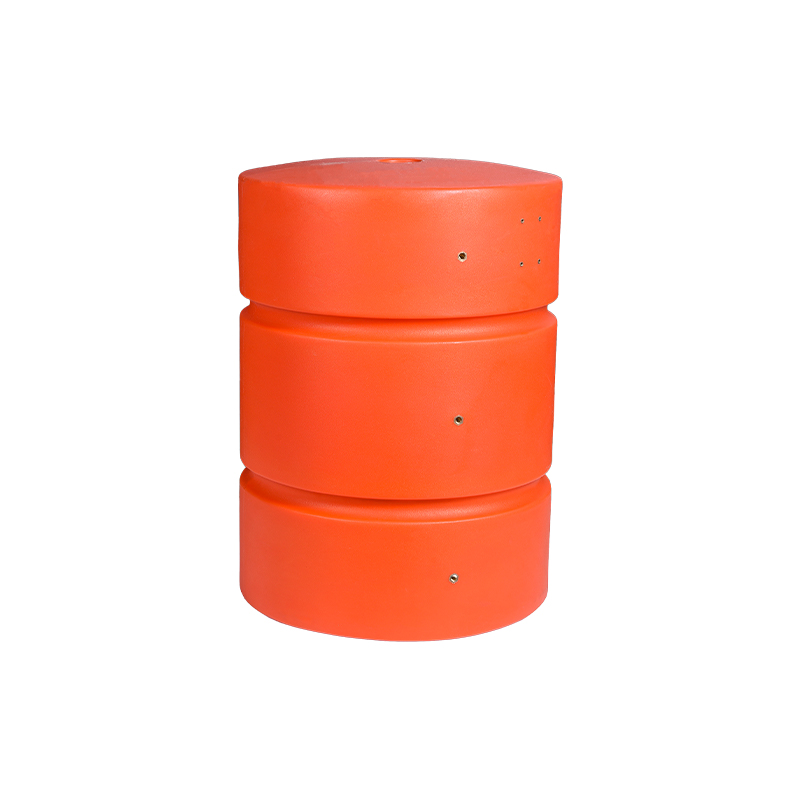
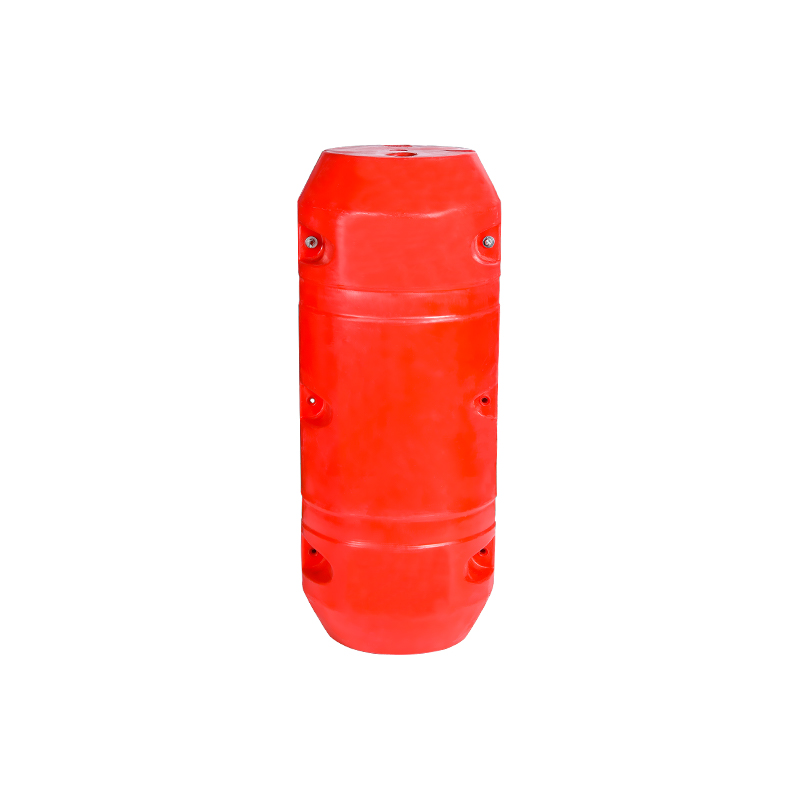
Floating docks are essential structures for a variety of waterfront applications, offering support for boats, water sports, and leisure activities. The material and construction methods used in their development significantly influence their performance, durability, and maintenance. Among the many materials used to build floating docks, Rotomolding Floating Docks and Traditional Wooden Docks are two popular options. While both serve similar purposes, they have distinct advantages and limitations.
One of the most significant advantages of Rotomolding Floating Docks over Traditional Wooden Docks is the difference in durability and longevity. Rotomolding, or rotational molding, is a process where plastic materials, often high-density polyethylene (HDPE), are heated and molded into seamless, one-piece structures. This makes rotomolded floating docks highly resistant to water, salt, UV rays, and harsh weather conditions.
Rotomolding Floating Docks offer several benefits:
On the other hand, Traditional Wooden Docks require regular upkeep and maintenance to prevent rot, mold, and decay. The natural fibers in wood can break down when exposed to water and the elements. Over time, the wood can splinter and crack, especially in high-moisture environments, making wooden docks less durable in comparison.
| Aspect | Rotomolding Floating Docks | Traditional Wooden Docks |
|---|---|---|
| Water Resistance | Waterproof, no rot or swelling | Susceptible to water damage and rot |
| UV Resistance | UV-resistant, maintains color | Prone to fading and cracking |
| Impact Resistance | Highly resistant to impact | Prone to splintering and breaking |
When it comes to maintenance, Rotomolding Floating Docks provide a significant advantage over traditional wooden docks. Wooden docks require ongoing maintenance to ensure their longevity, especially in harsh or humid environments. These maintenance tasks can include:
In contrast, Rotomolding Floating Docks are virtually maintenance-free. Once installed, these docks require little to no upkeep. The materials used are resistant to algae growth, mold, and mildew, and they do not need to be sealed, painted, or stained. Even in harsh environments, rotomolded docks retain their structural integrity and aesthetic appeal for much longer.
| Maintenance Task | Rotomolding Floating Docks | Traditional Wooden Docks |
|---|---|---|
| Sealing/Staining | Not required | Required periodically |
| Cleaning | Easy to clean, algae-resistant | Needs frequent cleaning |
| Repairs | Rarely needed | Regular repairs or replacement |
Rotomolding Floating Docks are designed to be lightweight yet highly buoyant. The rotational molding process ensures that the plastic used for these docks has uniform thickness and is hollow inside, allowing for increased buoyancy. This design ensures that the dock remains afloat, even with heavy use, and provides excellent stability. Additionally, the lightweight nature of rotomolded docks makes them easier to transport and install.
Wooden docks, while capable of floating when constructed with proper flotation materials, can become much heavier when saturated with water. The inherent nature of wood allows it to absorb moisture, which can make the dock heavier over time, reducing its buoyancy. As a result, Rotomolding Floating Docks are typically more buoyant and stable, requiring less maintenance to maintain their performance in the water.
| Feature | Rotomolding Floating Docks | Traditional Wooden Docks |
|---|---|---|
| Weight | Lightweight, easy to transport | Can become heavy over time |
| Buoyancy | Superior buoyancy | Buoyancy may decrease when wet |
Both Rotomolding Floating Docks and Traditional Wooden Docks have different environmental footprints. Rotomolded docks are often made from high-density polyethylene (HDPE), which is a recyclable material. At the end of their life cycle, rotomolded docks can be recycled or repurposed, reducing their environmental impact. The use of plastic also eliminates the need for wood harvesting, which helps preserve forests and minimizes habitat disruption.
In contrast, Traditional Wooden Docks are made from timber, which, while renewable, contributes to deforestation if the wood is not sourced sustainably. The chemicals used to treat wood (such as preservatives and paints) can also leach into the water, potentially harming aquatic ecosystems. However, if the wood is sourced sustainably, the environmental impact can be minimized.
| Environmental Impact | Rotomolding Floating Docks | Traditional Wooden Docks |
|---|---|---|
| Material Sustainability | Made from recyclable HDPE | Wood is renewable, but sourcing can impact forests |
| Water Pollution | No harmful chemicals leach | Chemicals from treated wood may leach into water |
While the initial cost of Rotomolding Floating Docks may be higher than wooden docks, their long-term value and lower maintenance costs often make them a more cost-effective solution. Rotomolded docks have a longer lifespan, require minimal upkeep, and do not need to be replaced as frequently as wooden docks. Additionally, the reduced maintenance costs associated with rotomolded docks (no sealing, staining, or painting) make them an economically viable option in the long run.
Traditional Wooden Docks, while cheaper upfront, incur higher maintenance costs over time. Regular repairs, sealing, and staining can add up, making them more expensive to maintain over the life of the dock.
| Cost | Rotomolding Floating Docks | Traditional Wooden Docks |
|---|---|---|
| Initial Cost | Higher upfront cost | Lower initial cost |
| Maintenance Cost | Low (minimal upkeep) | High (sealing, repairs, cleaning) |
| Long-Term Value | Cost-effective over time | Higher long-term costs due to maintenance |
1. Are rotomolding floating docks better than wooden docks for environmental sustainability?
Yes, rotomolding floating docks tend to be more environmentally friendly as they are made from recyclable materials like HDPE, reducing deforestation and pollution. Additionally, they don’t require chemicals for preservation, unlike wooden docks that may leach harmful substances into the water.
2. How long do rotomolding floating docks last compared to wooden docks?
Rotomolding floating docks typically last much longer than wooden docks due to their resistance to rot, UV damage, and environmental wear. While wooden docks may need to be replaced or repaired after several years, rotomolded docks can last decades with minimal maintenance.
3. Do rotomolding floating docks require any maintenance?
No, rotomolding floating docks require very little maintenance. They do not need to be sealed, stained, or painted like wooden docks, and their smooth surfaces are resistant to algae and mold growth.
 wuyuqiao village, Henghe Town, Cixi City, Zhejiang Province
 +86-15257871220
 [email protected]
