

 English
 عربى
عربى
News
Home / News / Industry News / What Is a Rotomolding Navigation Buoy and How Is It Different from Traditional Buoys?
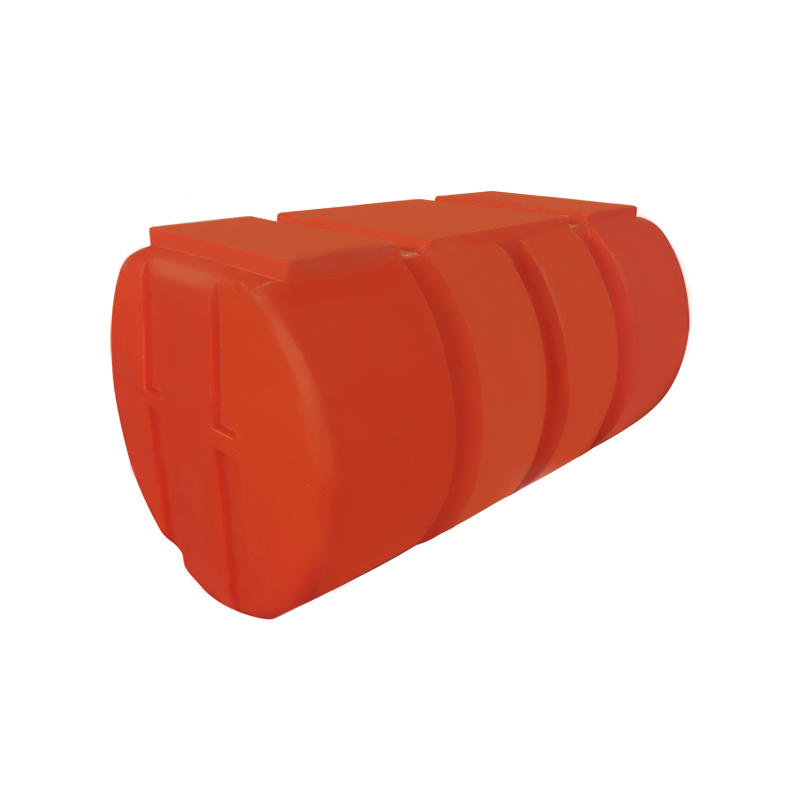
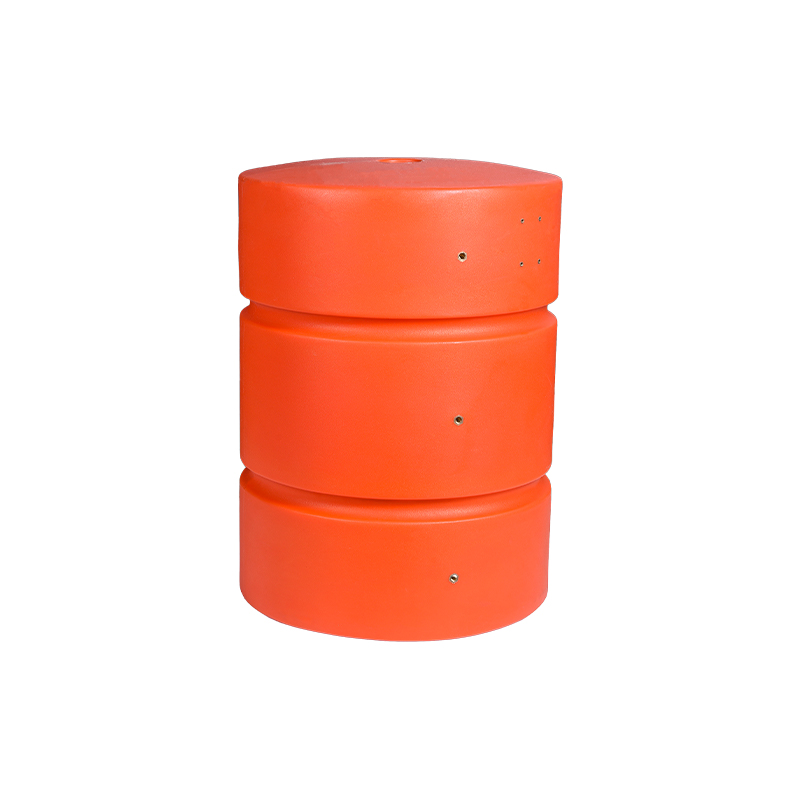
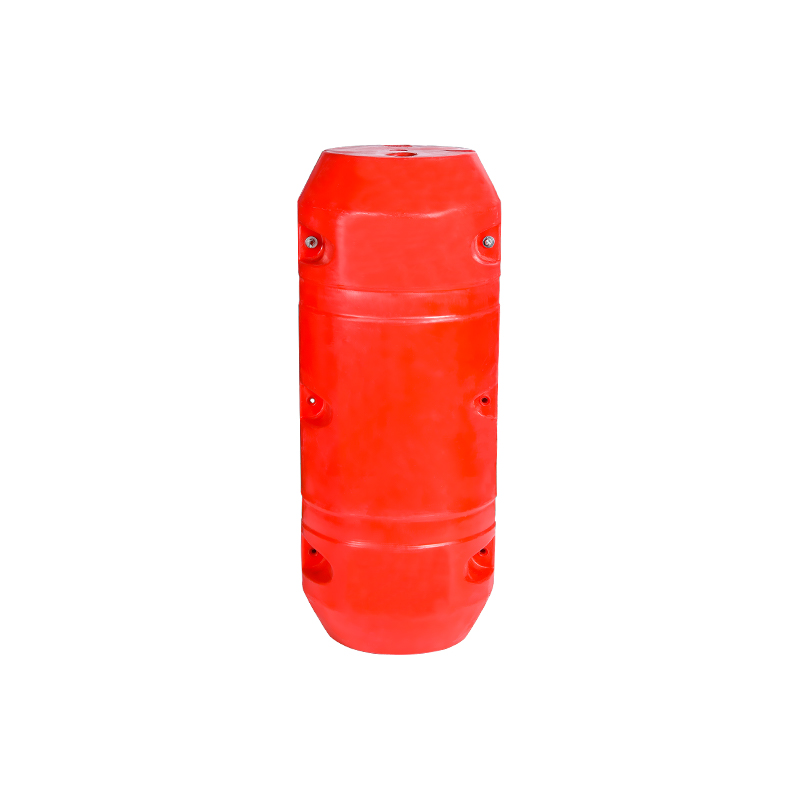
The short answer: a rotomolding navigation buoy is a hollow, seamless marine marker manufactured through rotational molding — a process that heats polyethylene resin inside a rotating mold to form a uniform, one-piece shell. Compared to traditional steel and fiberglass buoys, rotomolded buoys are lighter, corrosion-proof, impact-resistant, and require significantly less maintenance over their service life. They are rapidly becoming the global standard for channel marking, hazard indication, and maritime boundary definition across ports, rivers, lakes, and coastal waterways.
Navigation buoys are floating markers anchored to the seabed or riverbed that guide vessels safely through waterways. They communicate critical information to mariners through their shape, color, light pattern, and sound signal — indicating safe channels, submerged hazards, speed restriction zones, anchorage areas, and international boundary lines.
A misplaced, damaged, or sunken buoy can directly cause vessel groundings, collisions, and loss of life. This makes the structural integrity, visibility, and long-term reliability of buoy construction a matter of navigational safety — not just operational convenience. The physical durability of the buoy material is therefore as important as its color or light specification.
Rotational molding — commonly called rotomolding or rotocasting — is a plastics manufacturing process specifically suited to producing large, hollow, seamless objects with uniform wall thickness. It is the process of choice for navigation buoys, water tanks, kayaks, and industrial containers where structural integrity across the entire surface is essential.
The result is a buoy body with no seams, no welds, and no joints — the single most important structural advantage over all traditional manufacturing methods. Every point on the buoy surface has the same wall thickness and the same material properties, with no weak points where stress or corrosion can initiate failure.
To understand what makes rotomolded buoys different, it is essential to understand the limitations of the materials they are replacing.
Steel buoys were the global standard for over a century. Large navigational buoys in major shipping lanes — some exceeding 4 meters in diameter and weighing several tonnes — were traditionally fabricated from welded steel plate. Their weight and mass provided stability in exposed offshore conditions, and they could carry large lights, fog horns, and radar reflectors.
However, steel buoys carry severe operational disadvantages:
Fiberglass reinforced plastic (GRP) buoys emerged as a lighter, corrosion-resistant alternative to steel from the 1960s onward. They are manufactured by hand lay-up or resin infusion of glass fiber matting into a mold — producing upper and lower hull sections that are bonded together at a flange joint.
| Property | Rotomolded PE Buoy | Steel Buoy | Fiberglass (GRP) Buoy |
|---|---|---|---|
| Construction method | Seamless one-piece molding | Welded fabrication | Bonded two-piece laminate |
| Corrosion resistance | Excellent — inherent | Poor — requires coating and cathodic protection | Good — but bond line vulnerable |
| Impact resistance | Excellent — flexes and recovers | Moderate — dents permanently | Poor — cracks and shatters |
| Weight (1m diameter buoy) | ~25–40 kg | ~150–300 kg | ~60–100 kg |
| Service life | 10–20+ years | 5–10 years with maintenance | 8–15 years |
| Maintenance frequency | Minimal — inspection only | Every 2–3 years (dry dock) | Every 3–5 years |
| Color retention | Pigment molded-in — no fading | Paint fades and peels | Gelcoat fades over time |
| Deployment equipment needed | Small workboat sufficient | Heavy crane vessel required | Medium lifting equipment |
| Relative unit cost | Low–Medium | High | Medium–High |
The single most significant structural advantage of a rotomolded navigation buoy is the complete absence of seams, welds, and bond lines. In marine environments, every joint is a potential failure point. Cyclic wave loading, thermal expansion and contraction, UV degradation, and vessel impact all concentrate stress at discontinuities in the structure.
Additionally, polyethylene is naturally buoyant even if the shell is breached — its density of approximately 0.95 g/cm³ means the material itself floats, unlike steel which sinks immediately if flooded. Most rotomolded buoys are also foam-filled during manufacture, providing permanent positive buoyancy that cannot be lost through structural damage.
Navigation buoy color is not decorative — it is a safety-critical communication system. IALA (International Association of Marine Aids to Navigation) standards specify precise colors for each buoy type, and a faded or incorrectly colored buoy can confuse mariners and contribute to accidents.
Rotomolded buoys incorporate UV-stabilized pigment directly into the polyethylene powder before molding. The color runs through the full wall thickness — not just on the surface. This means:
By contrast, a steel buoy's paint system must be renewed every 2–3 years at significant cost, and color fading between maintenance cycles can reduce daytime visibility and IALA compliance.
Rotomolded navigation buoys are produced in a range of standard shapes and sizes to match waterway type, exposure conditions, and IALA marking requirements.
| Buoy Shape | Typical Diameter | Typical Application |
|---|---|---|
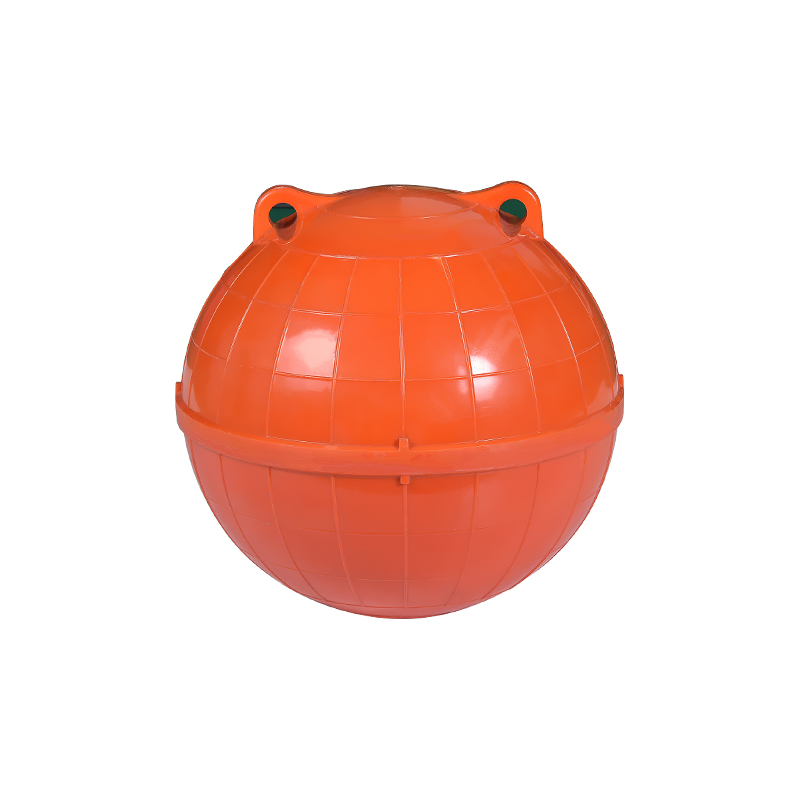
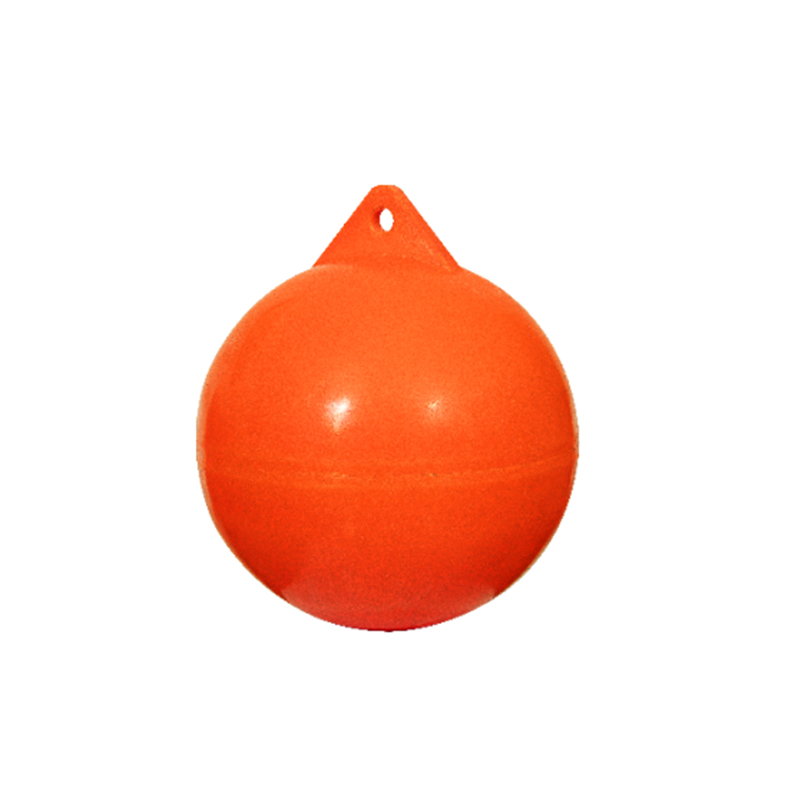
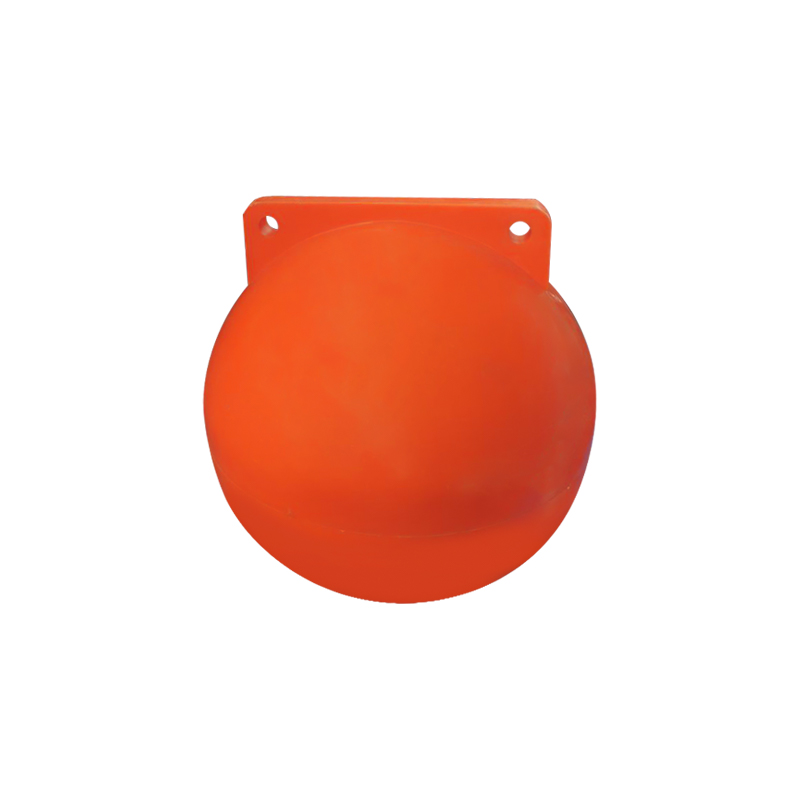
| Spherical | 300mm – 800mm | Small harbors, inland waterways, aquaculture marking |
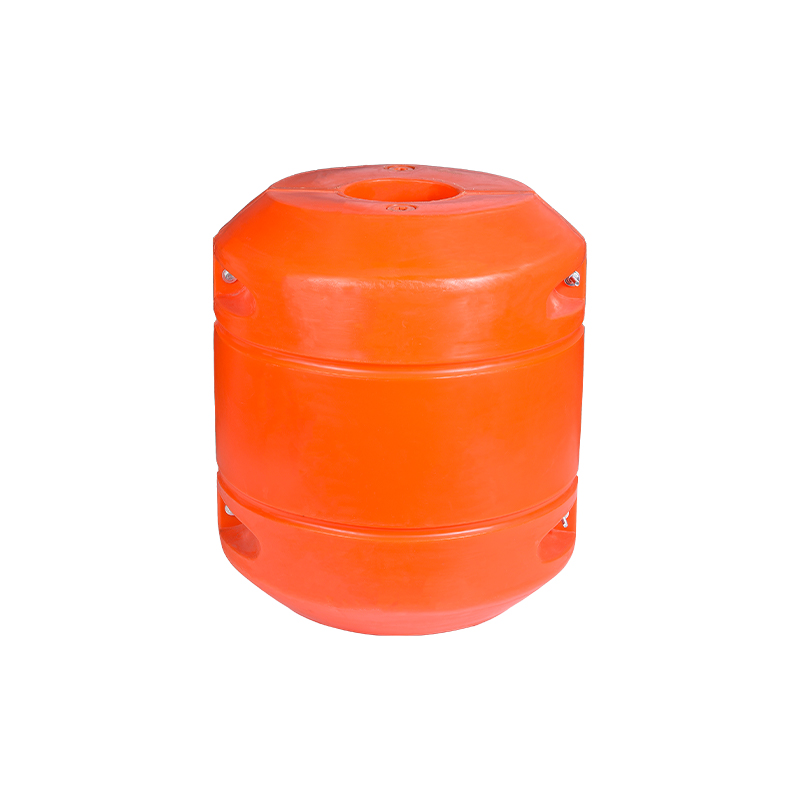
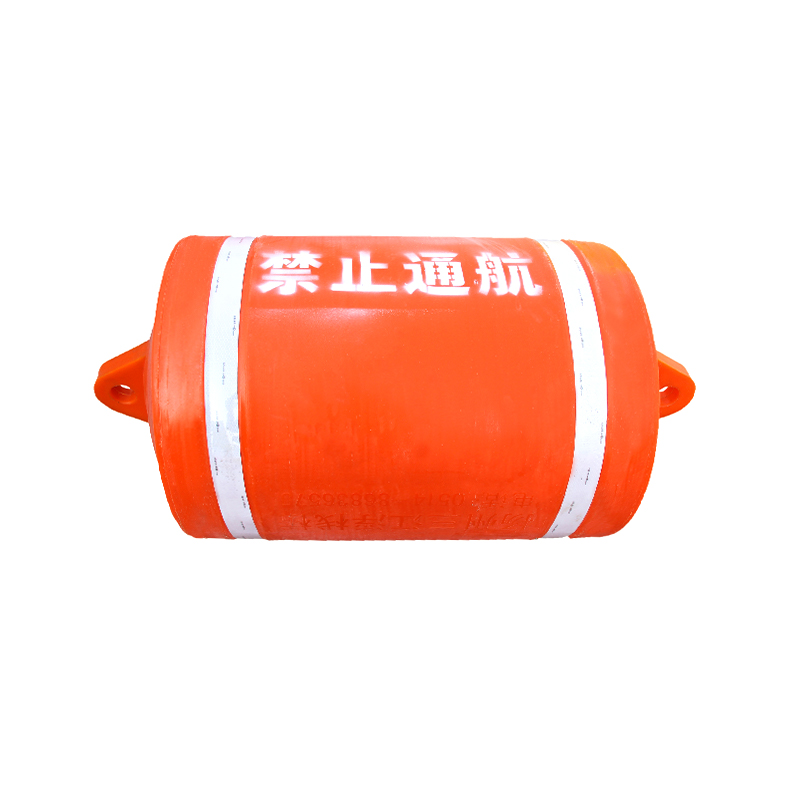
| Can (Cylindrical) | 400mm – 1200mm | Port entrances, river channels, lateral marking |
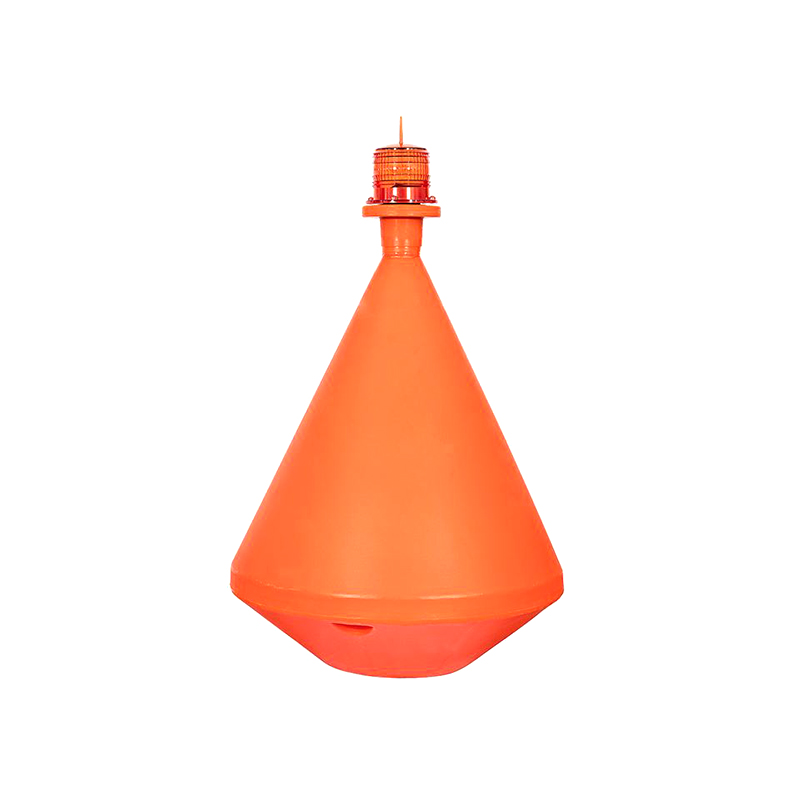
| Conical | 400mm – 1000mm | Starboard lateral marks (IALA Region A and B) |
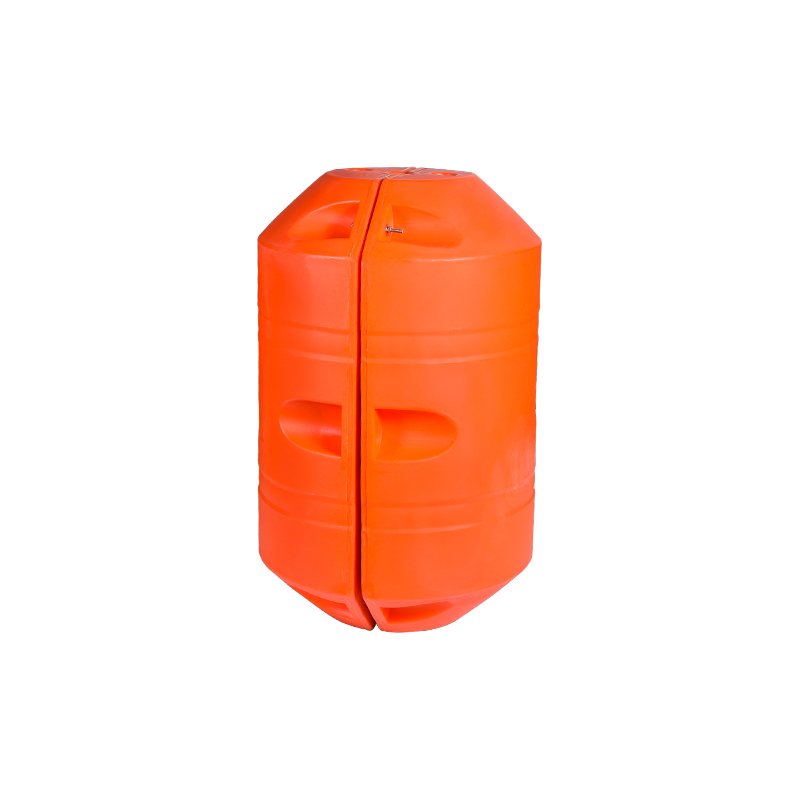
| Pillar / Spar | 500mm – 1500mm body | Cardinal marks, isolated danger marks, offshore channels |
| Barrel | 600mm – 2000mm | Exposed coastal and offshore channel marking |
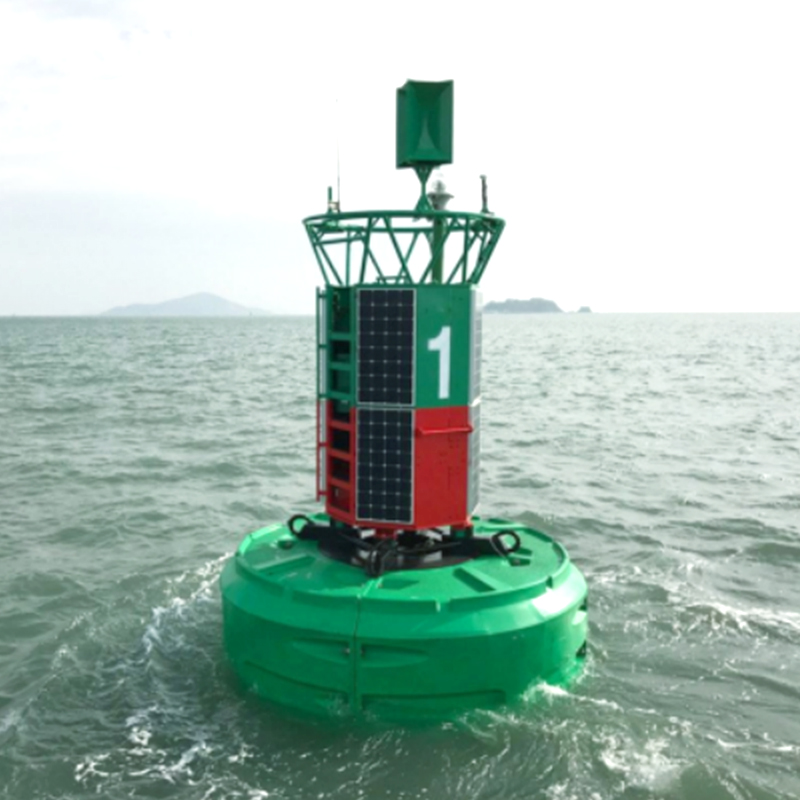
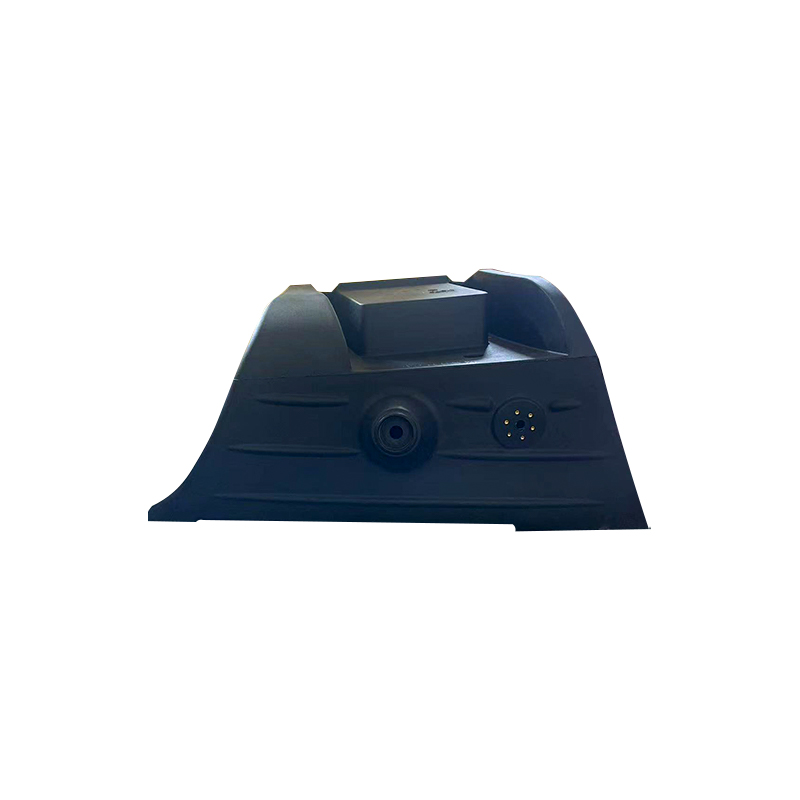
The rotomolded shell is the structural body of the buoy, but most navigation buoys are equipped with additional components to fulfill their marking function:
The transition from steel and fiberglass to rotomolded polyethylene buoys is being driven by total lifecycle cost analysis — not just purchase price. When maintenance, repainting, dry-docking, heavy lift vessel costs, and replacement frequency are factored in, rotomolded buoys deliver substantially lower total cost of ownership over a 20-year period.
For smaller harbors, marinas, aquaculture operations, and recreational waterways, rotomolded buoys are often the only practical choice — their light weight allows deployment and retrieval by small workboat crews without specialist lifting equipment, reducing operational costs to a fraction of equivalent steel buoy operations.
 wuyuqiao village, Henghe Town, Cixi City, Zhejiang Province
 +86-15257871220
 [email protected]
