

 English
 عربى
عربى
What Is a Rotomolding Floating Dock and Why Is It So Durable?
What Is a Rotomolding Floating Dock?
A rotomolding floating dock is a modular buoyant platform manufactured using the rotational molding process, often referred to as rotomolding. This technique begins with finely ground polyethylene powder placed inside a hollow mold. The mold is then heated in an oven while being rotated simultaneously along two perpendicular axes. As the mold turns, the powder melts and coats the interior surface evenly. Once cooled, the result is a hollow, seamless, one-piece plastic structure with uniform wall thickness.
Unlike traditional docks made from wood, steel, or aluminum, a rotomolding floating dock does not rely on internal framing or welded joints. Instead, its strength comes from the material itself and the seamless design. Many rotomolding floating docks are also filled with closed-cell expanded polystyrene (EPS) foam. This foam serves two critical purposes: it provides permanent buoyancy even if the outer shell is accidentally punctured, and it adds structural rigidity without making the dock heavy.
These docks are typically produced in modular sections that can be connected side by side or end to end using stainless steel hardware or heavy-duty plastic connectors. This modularity allows users to customize the size and shape of their dock system for various applications, from private lakefront piers to large commercial marinas. The rotomolding process also enables manufacturers to integrate anti-slip textures, mooring points, and utility conduits directly into the mold, reducing the need for post-processing or add-on parts.
The Key Reasons Behind Its Superior Durability
Seamless, One-Piece Construction
The most important durability feature of a rotomolding floating dock is its complete lack of seams or joints. Traditional metal docks rely on welding, while wooden docks depend on glue, nails, or bolts. All these connection points are potential failure zones where corrosion, rot, or fatigue cracks begin. In contrast, a rotomolding floating dock is formed as a single continuous object. There are no weak points where two pieces meet, no crevices for water to seep into, and no internal cavities that remain inaccessible for cleaning. This monolithic structure distributes stress evenly across the entire surface, meaning that localized impacts or heavy loads do not concentrate force on any particular joint or fastener.
UV-Stabilized Polyethylene Material
Outdoor water equipment faces constant exposure to intense sunlight, which degrades most plastics over time. Rotomolding floating docks are manufactured using polyethylene resins that contain UV stabilizers and antioxidants. These additives absorb or reflect harmful ultraviolet radiation before it can break the polymer chains. As a result, the dock surface does not become chalky, brittle, or discolored even after years under the sun. Industrial tests show that high-quality rotomolding floating docks retain over 90% of their original impact resistance after 5,000 hours of accelerated UV exposure, equivalent to roughly 10 to 15 years of real-world outdoor use in temperate climates.
Corrosion and Rot Resistance
Water, especially saltwater, is highly aggressive toward most construction materials. Steel rusts, aluminum undergoes galvanic corrosion, and wood rots while becoming a habitat for marine borers. A rotomolding floating dock eliminates all these concerns because polyethylene is chemically inert to water, salt, acids, alkalis, and most chemicals found in marine environments. It does not absorb moisture, so it never swells, warps, or delaminates. It also provides no nutritional value to bacteria, fungi, or mollusks, meaning biofouling organisms such as barnacles have difficulty attaching to its smooth surface. This inherent resistance makes rotomolding floating docks particularly popular for seawater marinas, fish farms, and industrial waterfronts where long-term reliability is essential.
Impact Absorption Ability
Unlike rigid materials such as concrete or steel, polyethylene has a degree of elasticity. When a boat bumps against a rotomolding floating dock, or when floating debris strikes it during a storm, the plastic shell deforms locally to absorb the impact energy. It then rebounds to its original shape once the force is removed. This elastic behavior prevents cracks from forming, which are common in brittle materials like fiberglass or wood. Even repeated low-energy impacts, such as daily docking of watercraft, do not accumulate fatigue damage. The dock essentially acts as its own fender system, reducing maintenance costs and extending service life.
Closed-Cell Foam Filling for Permanent Buoyancy
Many rotomolding floating docks are filled with closed-cell EPS foam during manufacturing. This foam has two durability benefits. First, each tiny foam cell is sealed and independent, so even if the outer shell is punctured, water cannot migrate through the foam. The dock remains buoyant indefinitely. Second, the foam acts as an internal structural support, reducing flex under heavy loads and preventing the shell from buckling. In the unlikely event that the outer shell is severely damaged, the foam filling also makes repairs simple: the damaged area can be cleaned, filled with a polyethylene repair compound, and sanded smooth without losing flotation.
Real-World Performance Comparison
To better understand how a rotomolding floating dock performs in everyday conditions, it is helpful to compare it directly against traditional wood and aluminum docks. The table below summarizes key performance metrics based on field data from freshwater lakes, saltwater marinas, and industrial waterfront installations.
As the table shows, the rotomolding floating dock offers the best balance of longevity, low maintenance, and impact resistance. While aluminum docks are lightweight, they suffer from galvanic corrosion in saltwater and can become dangerously slippery. Wood docks have a nostalgic appearance but require constant upkeep and have the shortest lifespan. The rotomolding floating dock stands out as the most durable and hassle-free option for most applications.
Common Applications Where Durability Matters Most
The unique durability characteristics of rotomolding floating docks make them suitable for demanding environments where other materials fail prematurely. One common application is in saltwater marinas, especially those located in tropical or subtropical regions. Here, high humidity, intense sunlight, and aggressive marine borers quickly destroy wood docks. Aluminum docks, while better than wood, still suffer from pitting corrosion at weld points. A rotomolding floating dock, with its seamless polyethylene construction and UV stabilizers, easily withstands these harsh conditions for decades without visible degradation.
Another major application is on inland lakes that freeze during winter. Traditional floating docks must be removed from the water before ice forms, because expanding ice can crush or lift them. Many rotomolding floating docks are designed to remain in place through freezing and thawing cycles. The flexible polyethylene shell accommodates ice pressure by deforming slightly, while the internal foam filling prevents water ingress if cracks form. Some models are even rated for ice push conditions down to -40 degrees Fahrenheit, making them popular in Canada and the northern United States.
Industrial and commercial settings also benefit from the durability of rotomolding floating docks. Fish farms, for example, require platforms that can withstand constant moisture, fish waste (which produces ammonia and acidic conditions), and occasional impacts from feed boats. Water treatment facilities use rotomolding floating docks for equipment access because the polyethylene does not react with chlorine or other treatment chemicals. Even fire departments in lakefront communities have adopted these docks for their rescue boat stations, valuing the fact that the dock never needs painting, sealing, or rust removal.
Finally, private homeowners who want a "set it and forget it" solution increasingly choose rotomolding floating docks. Whether for a swimming platform, a kayak launch, or a small fishing pier, the appeal lies in zero annual maintenance. No sanding, no applying toxic wood stains, no replacing corroded bolts. Simply install the dock and use it for the next 20 years without thinking about upkeep. This combination of durability and convenience is difficult to achieve with any other dock material.
Frequently Asked Questions (FAQ)
Can a rotomolding floating dock be left in the water over winter?
Yes, most rotomolding floating docks are designed for year-round water immersion, including in freezing climates. The polyethylene shell remains flexible at low temperatures, and the closed-cell foam filling prevents water absorption if the shell cracks. However, you should check the manufacturer's specifications for minimum operating temperature and ice pressure ratings. Some economy models may not include the reinforced foam or thick walls required for harsh freeze-thaw cycles.
Is a rotomolding floating dock repairable if it gets cracked?
Yes, repairs are straightforward. Small cracks can be filled using a polyethylene welding rod and a hot air plastic welder. Larger damaged areas can be patched with a sheet of polyethylene and plastic adhesive or by bolting a repair plate over the area. Because the material is the same throughout, patches bond well and restore structural integrity. Many manufacturers also sell repair kits specifically designed for rotomolding floating docks.
Does a rotomolding floating dock become slippery when wet?
Quality rotomolding floating docks have anti-slip textures molded directly into the top surface during manufacturing. These textures may consist of raised diamond patterns, linear ribs, or small studs. When wet, these surfaces provide significantly better traction than smooth wood, aluminum, or fiberglass. That said, algae can eventually grow on any surface left continuously submerged. Periodic cleaning with a mild bleach solution restores the original slip resistance.
How much does a rotomolding floating dock cost compared to wood or aluminum?
Initial purchase prices are generally moderate: a rotomolding floating dock typically costs 20% to 40% more than a pressure-treated wood dock but is comparable to or slightly less than a marine-grade aluminum dock. However, when you factor in zero maintenance costs over 20 years, the rotomolding floating dock becomes the most economical choice. Wood docks require annual sealing or painting, while aluminum docks need periodic weld inspections and anti-corrosion treatments. The long-term total cost of ownership for a rotomolding floating dock is usually the lowest among all options.
Can I connect multiple rotomolding floating docks together?
Yes, modular connection is one of the main advantages of this system. Most manufacturers design their docks with built-in connection points on all four sides. You can join sections using stainless steel bolts, plastic hinge pins, or interlocking edge profiles. This allows you to expand your dock over time or reconfigure its shape. Some systems also allow the attachment of gangways, ladders, mooring cleats, and even small solar-powered lights using the same connection hardware.
Is a rotomolding floating dock environmentally friendly?
Polyethylene is recyclable, and many rotomolding floating docks are made from virgin or recycled resin. The rotomolding process itself produces very little waste because any excess powder can be reused. Additionally, these docks do not leach chemicals into the water like treated wood (which releases copper, chromium, or arsenic) or painted metal (which can flake off toxic coatings). At the end of its long life, a rotomolding floating dock can be ground up and reprocessed into new plastic products, making it one of the more sustainable dock options available.
Related Products
-
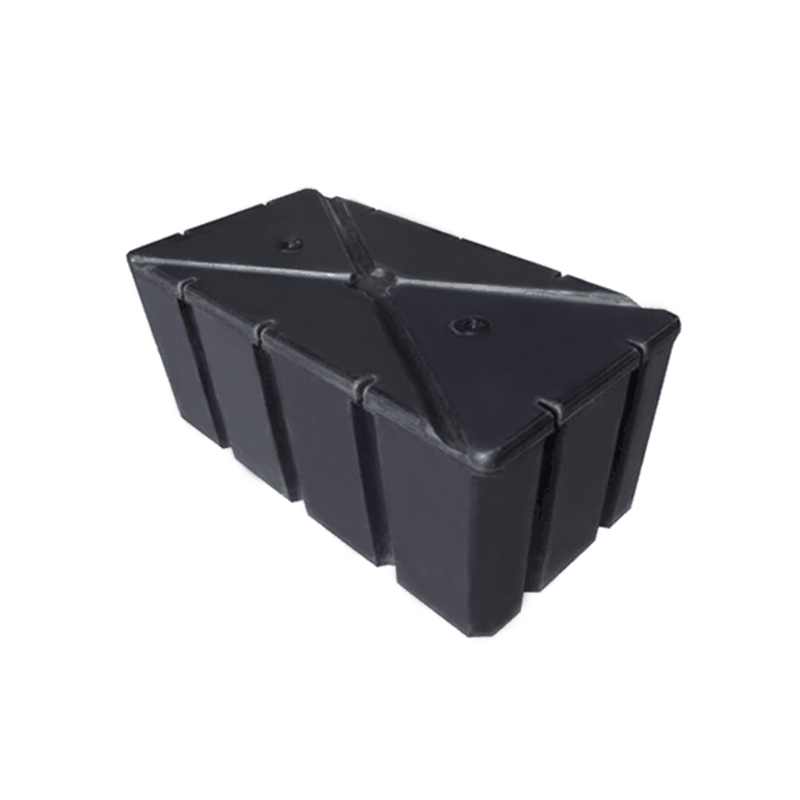
Square Rotomolding PE Floating Pontoon
-
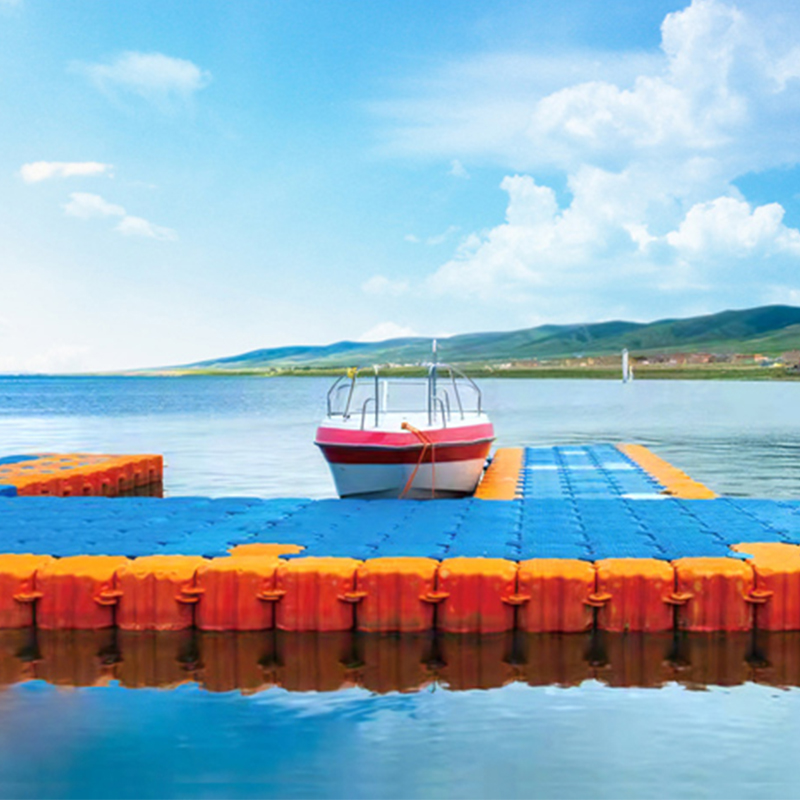
Rotomolding LLDPE Floating Platform
-
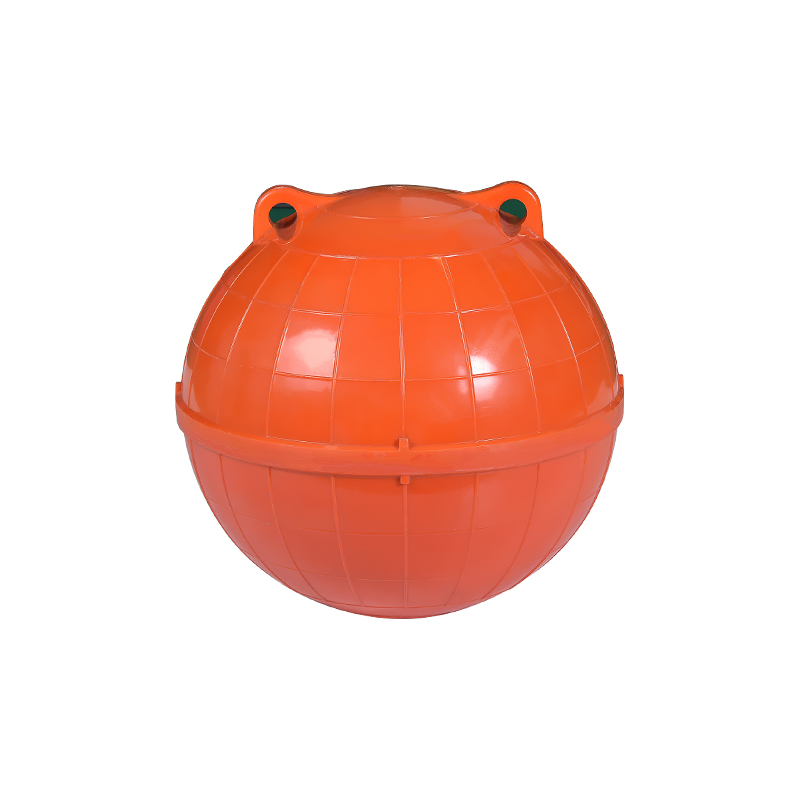
Durable 200mm ABS Rotational Molding Floating Balls
-
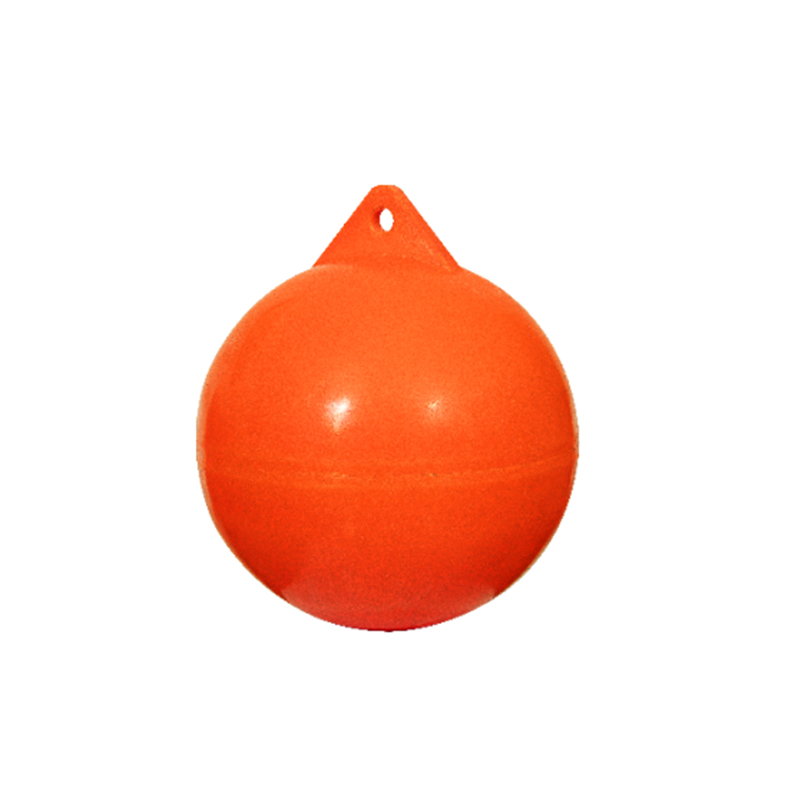
500mm Single Ear Rotomolding Floating Ball
-
500mm Plastic Floating Ball LLDPE Warning Ball Floater
-
Warning Floating Dredging Pipe Pontoon
-
LLDPE Plastic Rotational Molding Dredge Pipe Float Pontoon
-
Marine Navigation Buoy/Warning Buoy
-
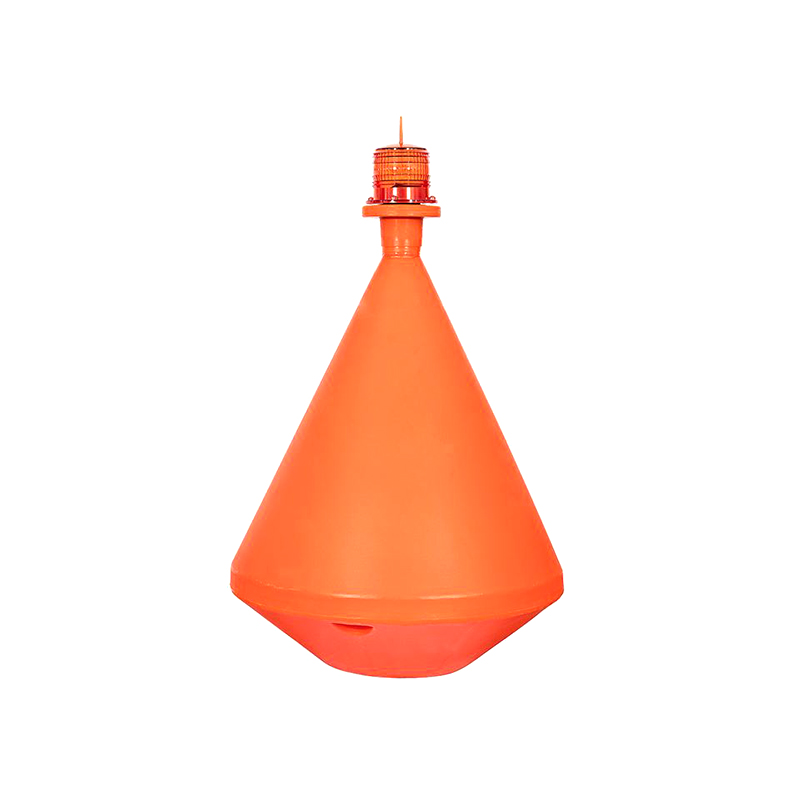
LLDPE Stationary Navigation Beacon Floating Buoy
-
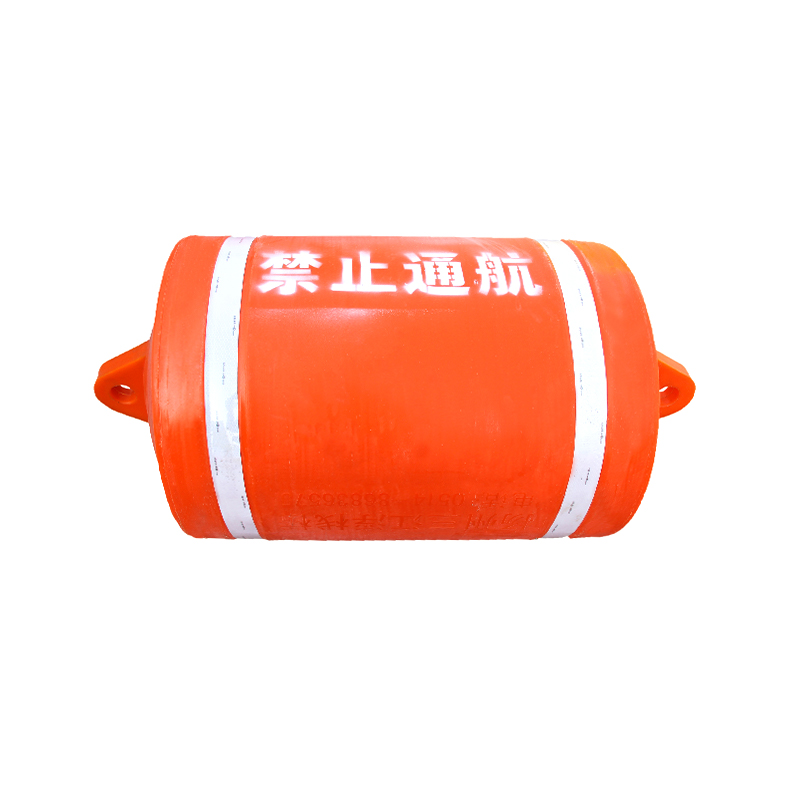
Rotomolding Warning Float With EPS Filler
-
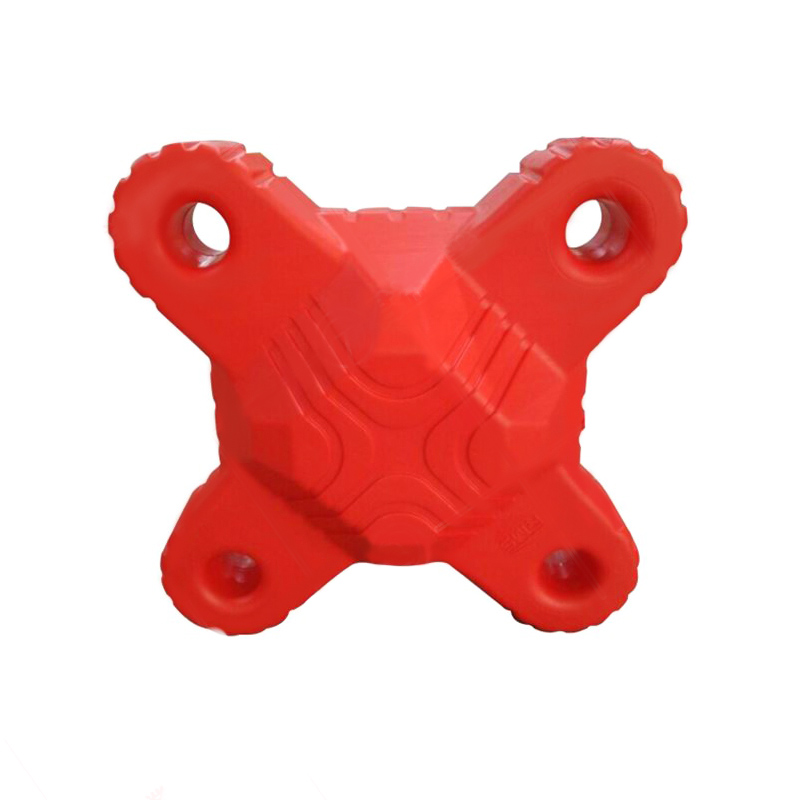
Rotomolding Anti-wave Buoy
-
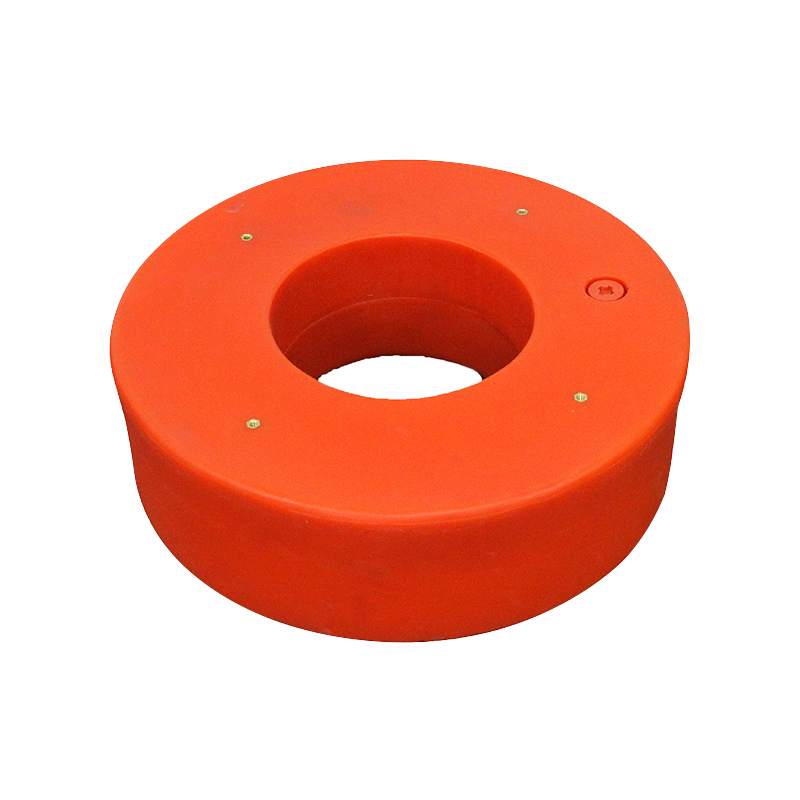
LLDPE Dredging Sludge Rotomolded Floating Ring
-
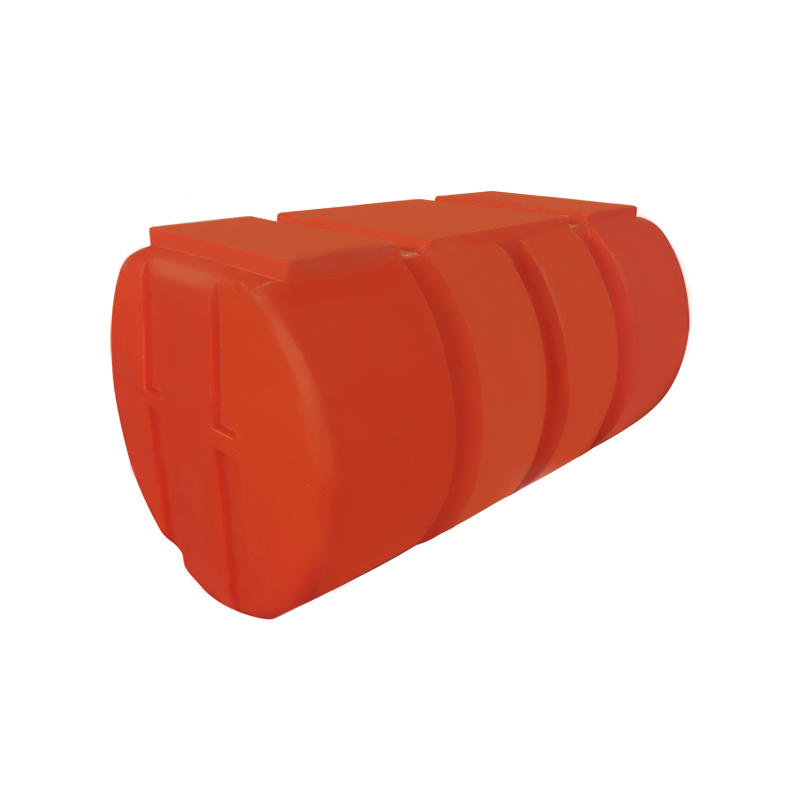
650 Diameter Rotomolding Breeding Floating Pontoon
-
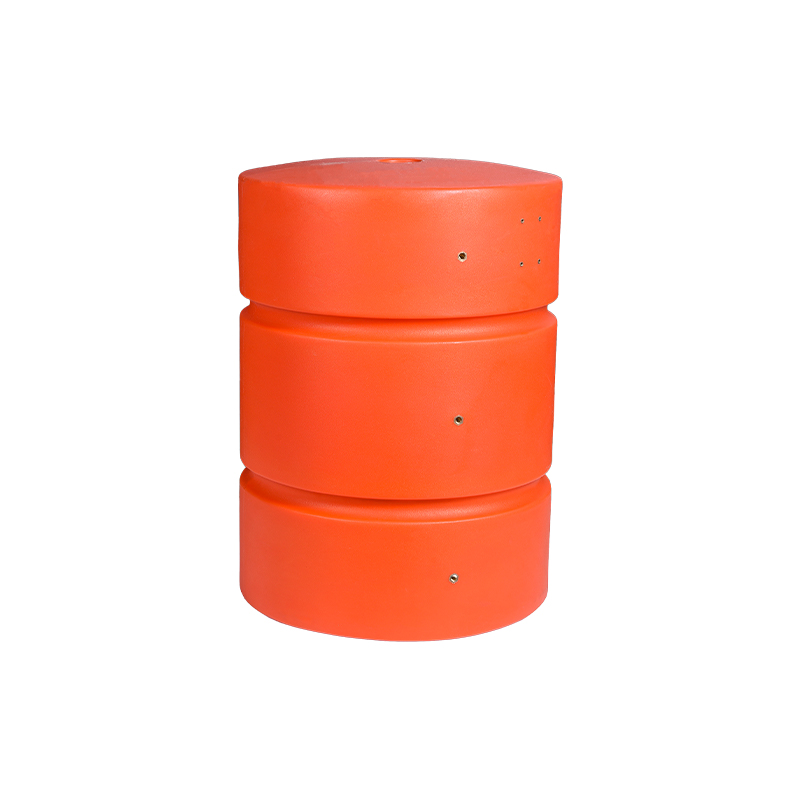
200 Diameter Rotomolding Sewage Retaining Float
-
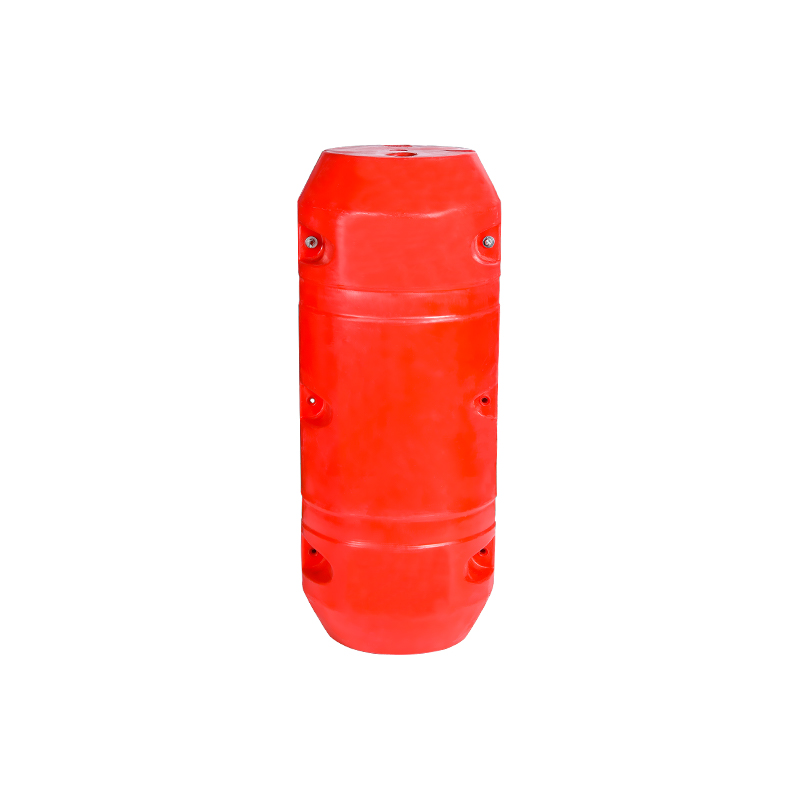
Rotational Molding Floating Body
-
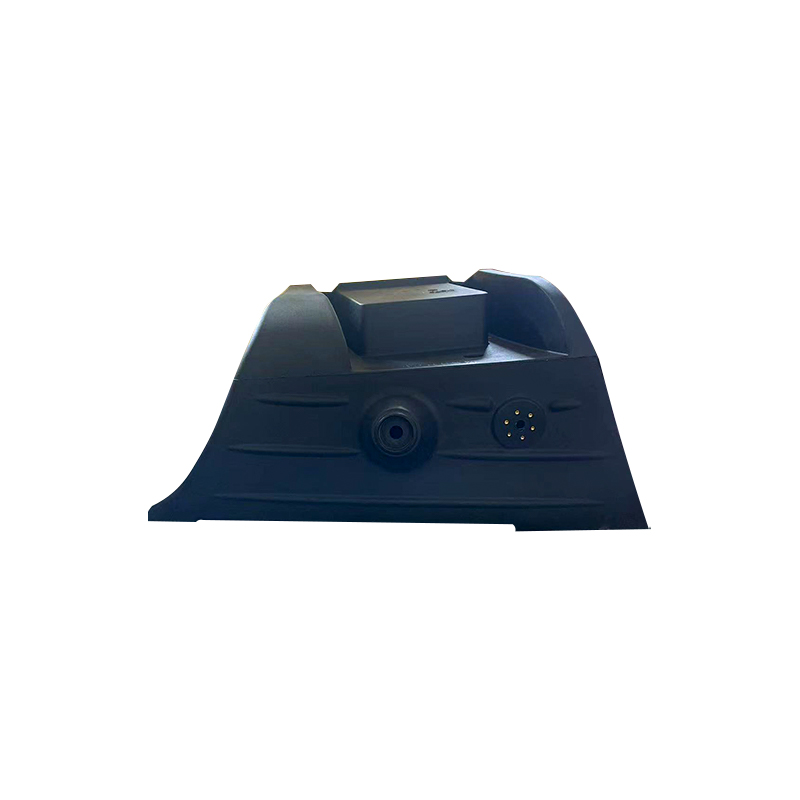
Rotomolding Plastic LLDPE Fuel Tank
-
Rotomolding Plant Protection Water Tank
-
Rotomolding LLDPE RV Fresh Water Tank
QUICK CONTACT
-
 wuyuqiao village, Henghe Town, Cixi City, Zhejiang Province
-
 +86-15257871220
- +86 15924308271
-
 [email protected]
KEEP IN TOUCH
