

 English
 عربى
عربى
News
Home / News / Industry News / Rotational Molding vs Blow Molding: Choosing Based on Part Size and Volume
A 5000-liter chemical storage tank needs uniform wall thickness, but a 2-liter bottle needs to be produced in seconds. These two products demand different manufacturing processes, and choosing between rotational molding and blow molding comes down to part size, wall uniformity, annual volume, and tooling investment. In short, if you need large durable hollow parts with consistent walls, rotational molding wins. If you need high-speed production of small to medium containers in massive quantities, blow molding wins.
These two processes both create hollow plastic parts, but they produce different results. Before examining the technical thresholds, consider a quick comparison of the main buying considerations.
Blow molding works by inflating a molten plastic tube inside a mold cavity. Air pressure pushes the parison against the mold walls, and the part cools rapidly as the mold surface absorbs heat. Cycle times for extrusion blow molding often range from 30 seconds to a few minutes, depending on part weight and wall thickness. Because air pressure is the forming force, the part geometry is limited to shapes that can be blown outward uniformly from a central parison.
Rotational molding works differently. A mold containing plastic powder is heated while rotating slowly on two perpendicular axes. The powder melts and coats the internal surface, building uniform thickness on all faces. No pressure is applied during forming. The mold then rotates through a cooling chamber while tumbling, which lets the plastic solidify gradually. Cycle times typically run from 20 minutes to over an hour, with larger parts taking longer.
In blow molding, the parison may thin out on corners and stretch unevenly in deep draw areas. Rotational molding favors even wall distribution because the powder tumbling action deposits material at the same rate across every surface. That difference becomes critical in products with deep recesses, complex contours, or large flat or curved surfaces. Rotomolded walls do not exhibit pinch-off seams or weld lines common in blow molded containers.
Blow molding tools are generally made from steel or aluminum and machined to close tolerances. High pressures inside blow molds require heavy clamping systems and hardened cavity surfaces. Tooling costs vary depending on part complexity and multi-cavity requirements. For a typical industrial container, blow mold tooling can range from a moderate setup cost for a simple single-cavity mold to a substantial investment for multi-cavity high-volume production. The tools are durable, and often last for hundreds of thousands to millions of cycles.
Rotational molding tools are fabricated from sheet metal or cast aluminum, welded in sections. Because no internal pressure is present, lighter structures and simple weldments can still produce high-quality surfaces. Fabrication is faster and less expensive than machined blow molds. Tooling lead times for rotomolding are generally shorter. The trade-off comes in longevity: sheet-metal molds wear faster than hardened steel blow molds, especially with frequent color changes and thermal cycling. However, for low-volume production in the hundreds to a few thousand units per year, the savings on tooling usually make rotational molding the lower total-cost option.
| Parameter | Rotational Molding | Blow Molding |
|---|---|---|
| Cycle time | 20 min to 1+ hour | 30 sec to 3 min |
| Tooling cost | Low to moderate | Moderate to high |
| Tooling lead time | Shorter | Longer |
| Mold life | Years with maintenance | Very long |
| Wall thickness | Uniform, 4 to 20 mm | Thin, 0.5 to 3 mm |
| Maximum part size | Very large (up to 20,000 L) | Limited by machine capacity |
| Design complexity | High, molded-in inserts allowed | Limited by parison geometry |
| Material options | PE, PP, PVC, PA, fluoropolymers | HDPE, LDPE, PP, PET, PVC |
The break-even point between the two processes depends on your annual volume and part size. For small parts with high output requirements, blow molding amortizes tooling costs across millions of units. For large parts with lower volume, rotational molding avoids excessive capital costs and tool maintenance burden.
Rotational molding supports a far greater range of design geometry. There is no parison pinch-off, so mold lines can be placed on curved face transitions rather than straight seams. Molded-in threads, metal inserts, and internal ribs can be incorporated without secondary operations. Wall thickness can be locally varied by altering mold temperature or powder additions during cycle time. Corner radii can be generous to reduce stress concentration.
Blow molding has specific design constraints. Neck openings need precise control, deep undercuts are difficult, and wall thickness often varies from base to shoulder. That said, blow molding excels in applications where lightweight, thin-walled containers work well, such as bottles, jerry cans, and small industrial packaging.
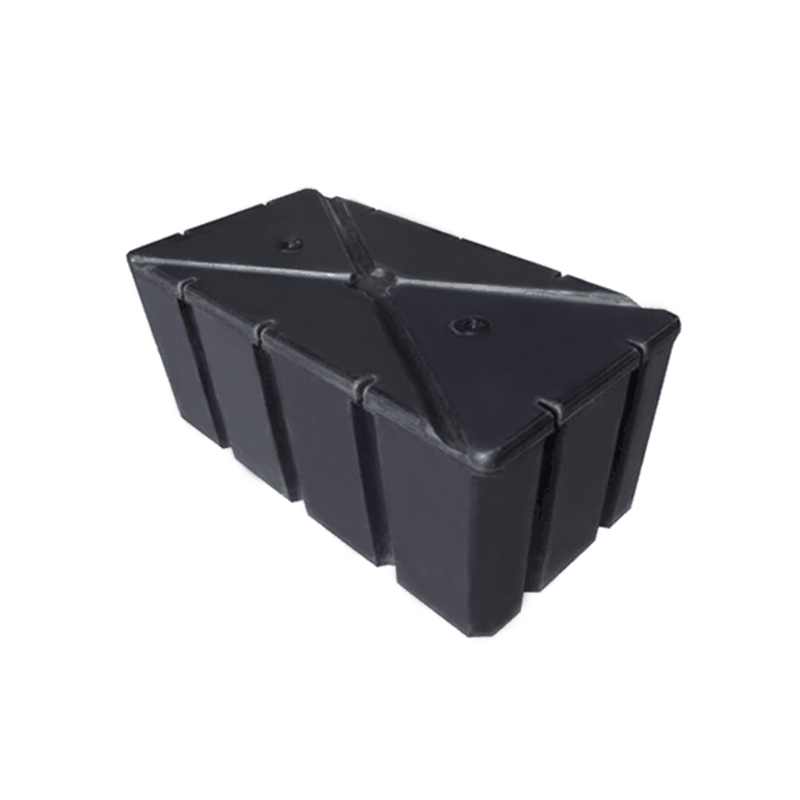
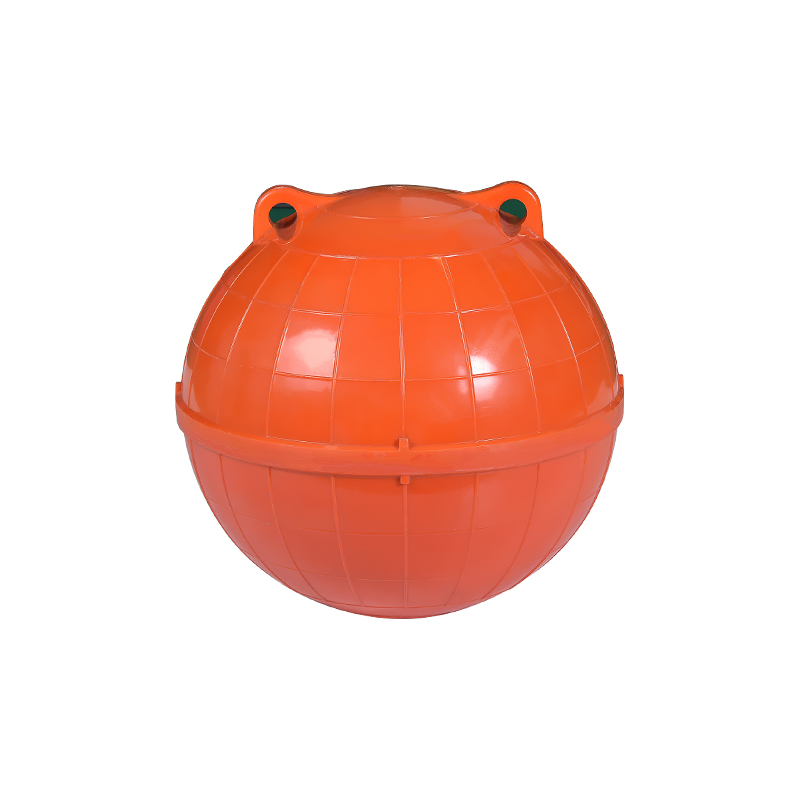
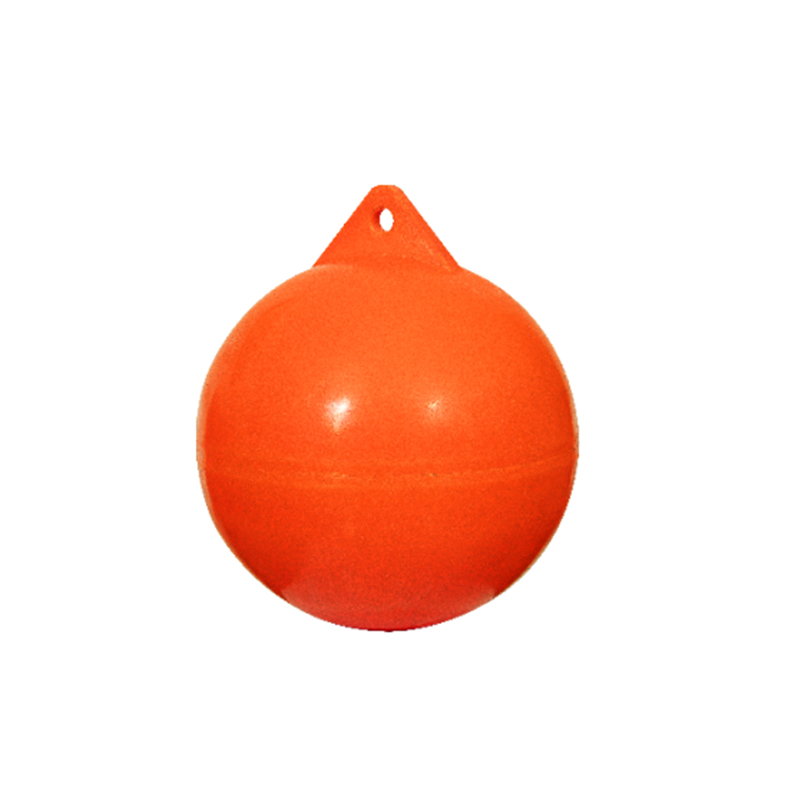
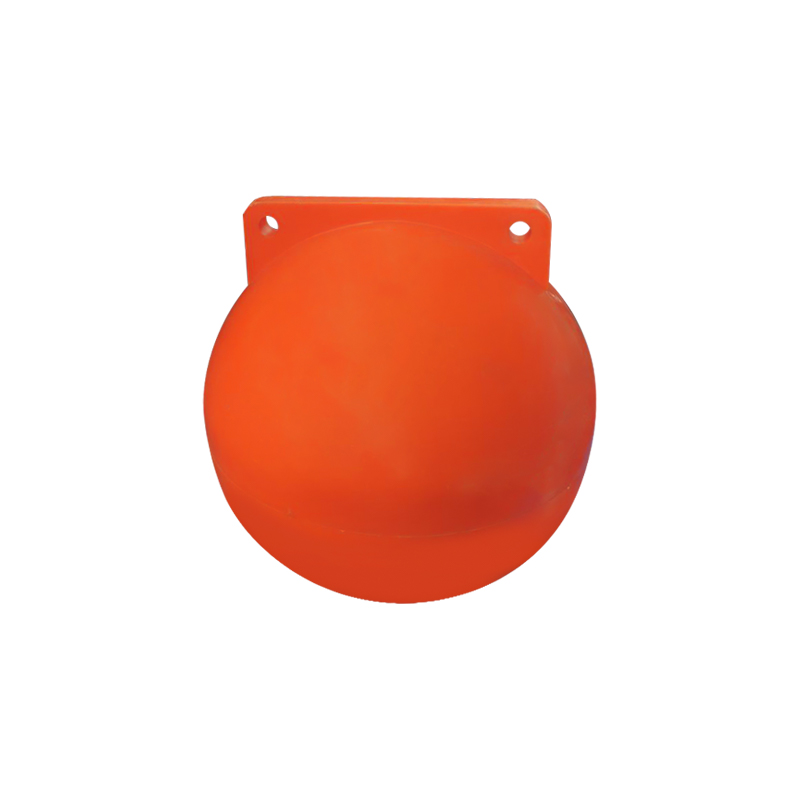
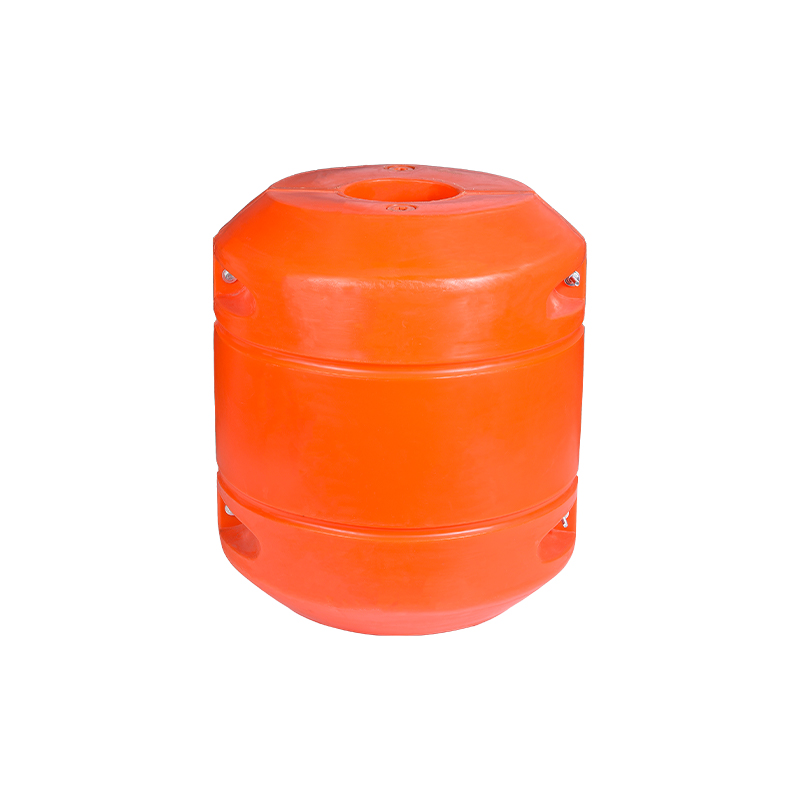
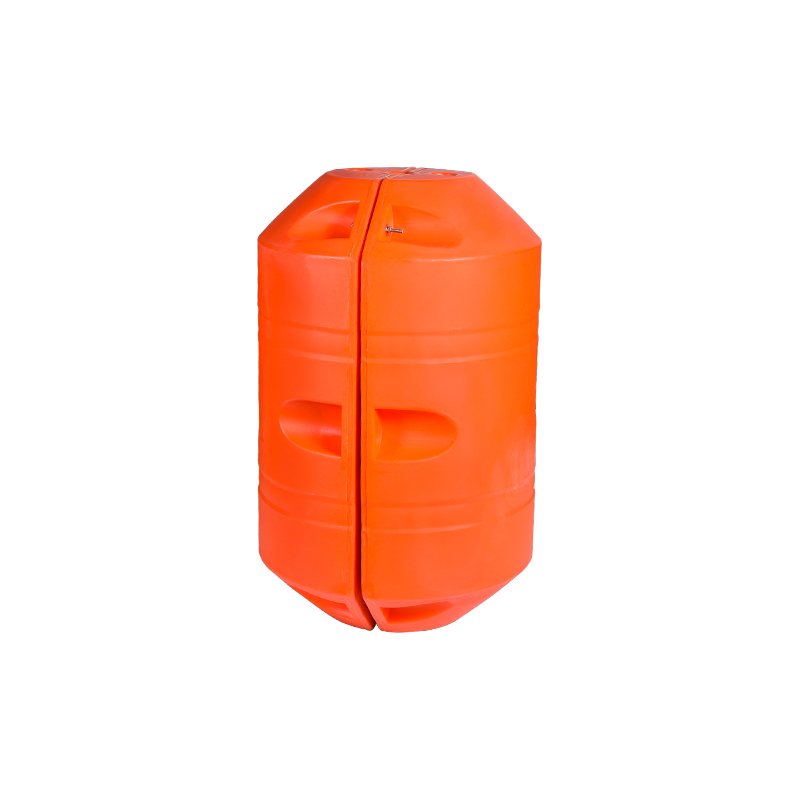
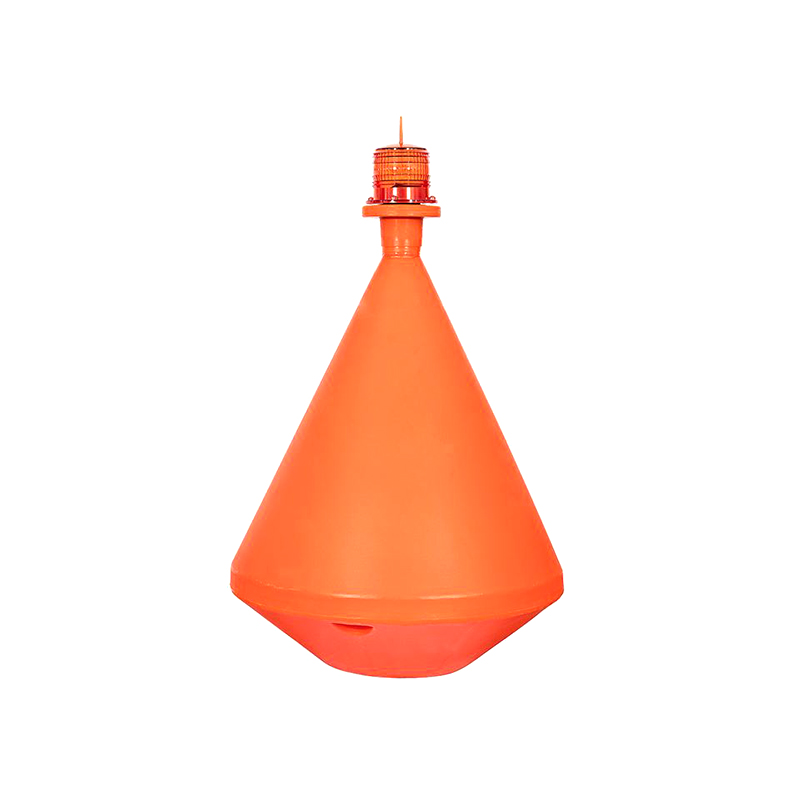
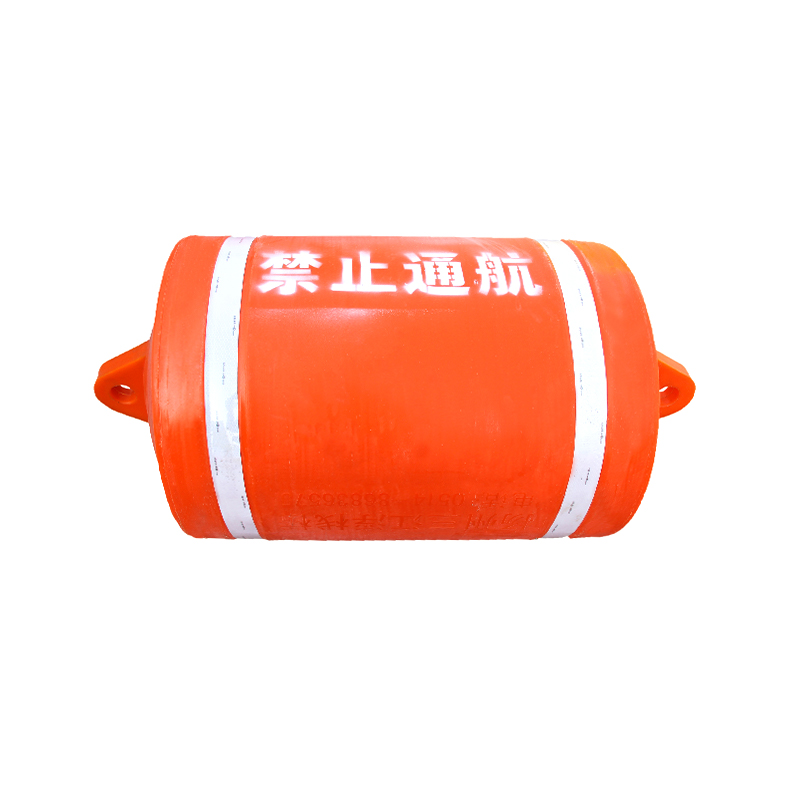
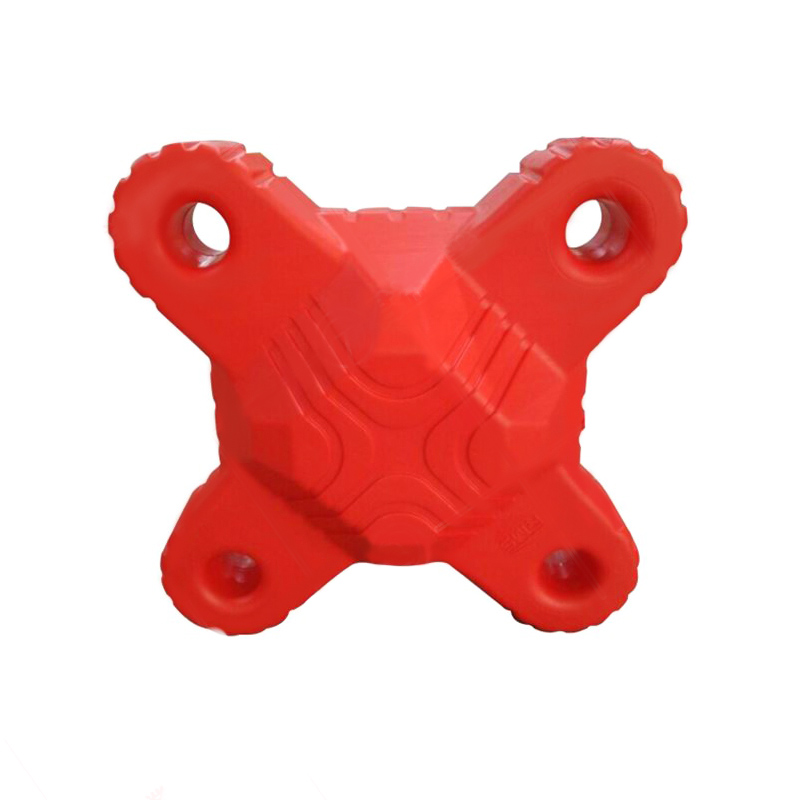
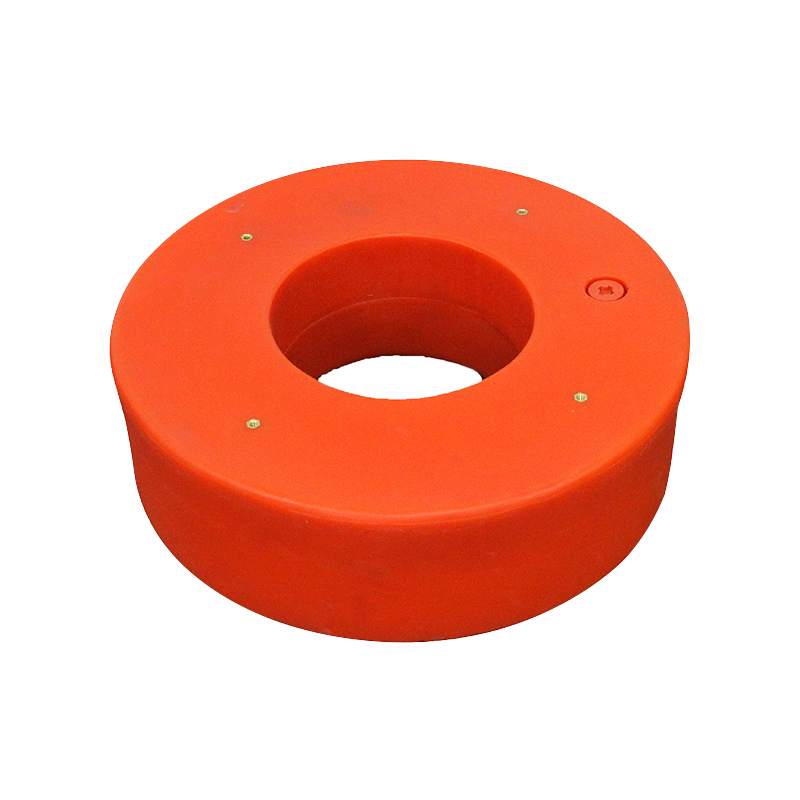
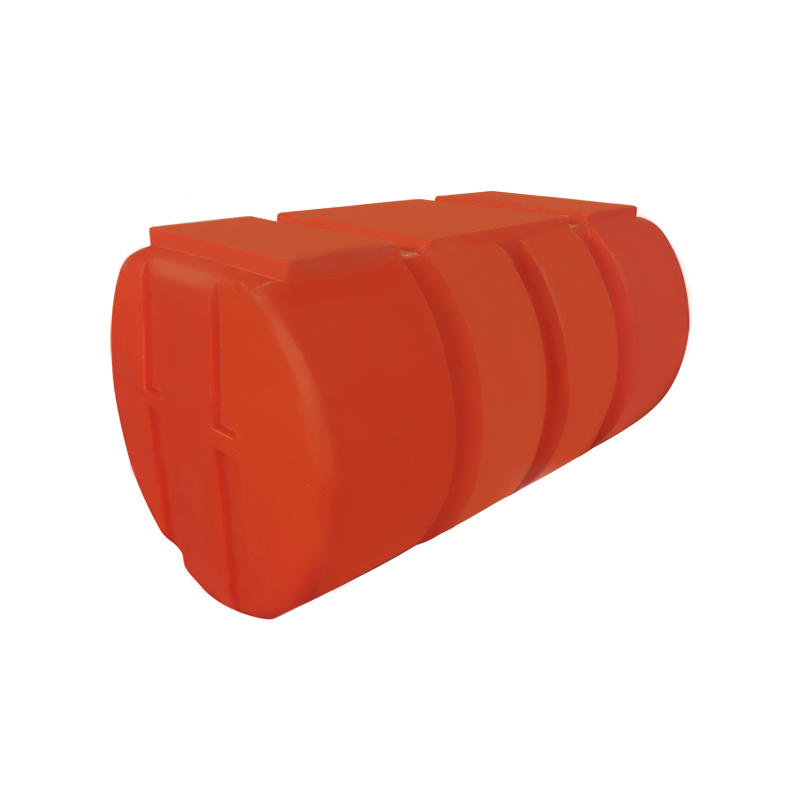
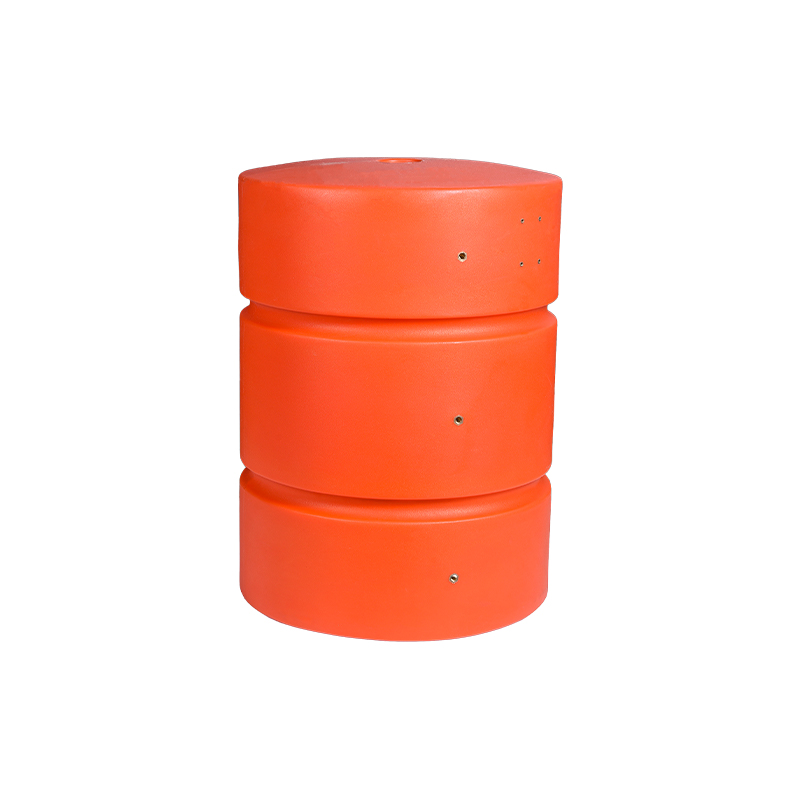
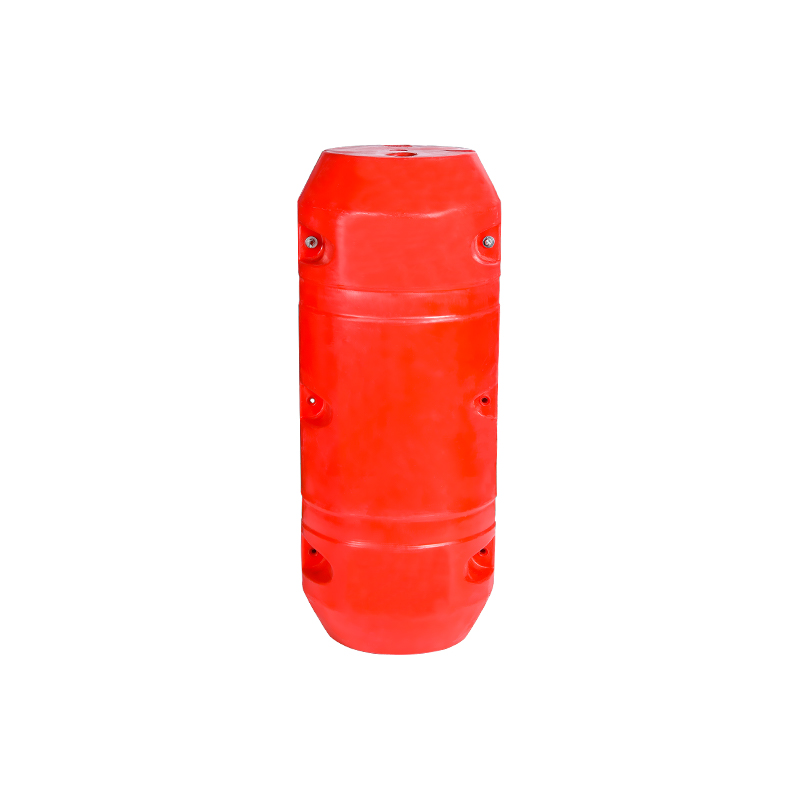
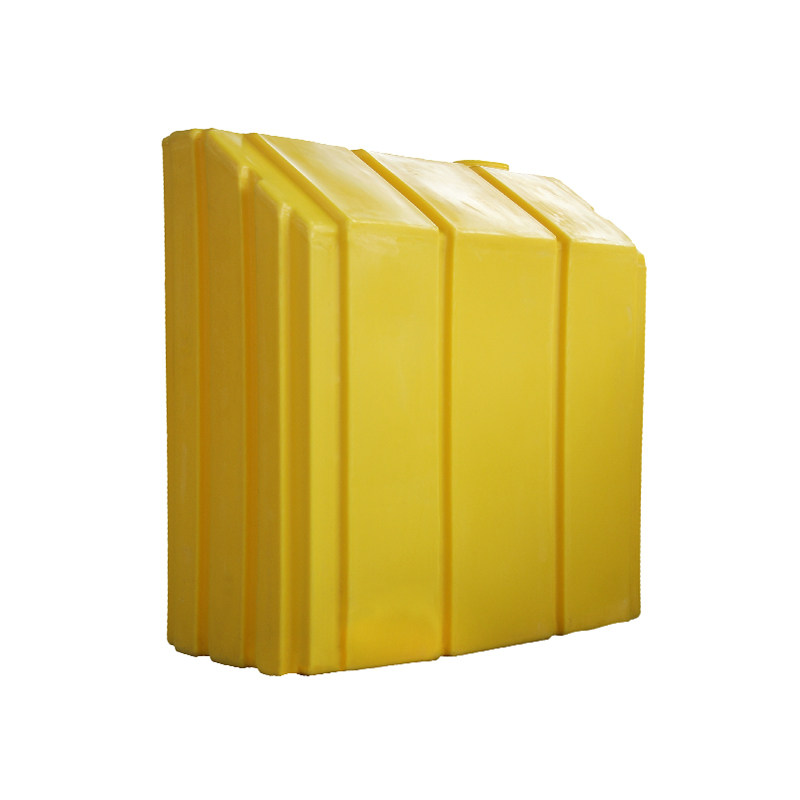
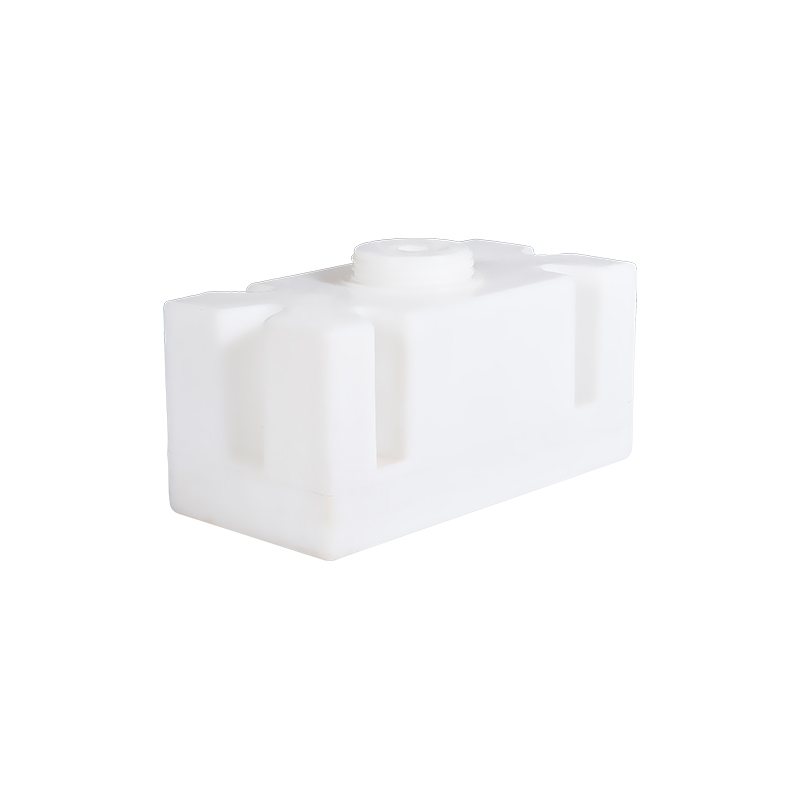
Common blow-molded products include detergent bottles, fuel tanks for small engines, agricultural packaging, and small industrial containers. Common rotomolded products include chemical storage tanks, large water tanks, additive tanks, aquaculture barrels, road barriers, machine housings, floats, and large custom hollow parts.
For a rotomolded cone-bottom PE storage tank, the uniform wall thickness avoids weak spots when the tank holds aggressive chemicals. The same design in blow molding would risk inconsistent material distribution on the cone section.
Blow molding mainly relies on thermoplastics that can withstand internal air pressure during forming. High-density polyethylene (HDPE) is the most common choice, followed by polypropylene (PP) and PET. Some engineering plastics can be used but their melt strength needs consideration. Additives such as UV stabilizers and color masterbatches can be added to the resin.
Rotational molding accommodates a wider resin list. Pulverized LLDPE, LDPE, HDPE, PP, PVC, nylon, and fluoropolymers all perform well. The process runs at ambient pressure, so higher molecular weight materials that are stronger and more stress-crack resistant can form without internal pressure. For outdoor exposure, rotomolded PE with added UV stabilizers is a reliable standard.
Consider a 500-liter storage tank with annual demand around 1,000 pieces. A blow mold might be built for higher throughput, but tooling costs stay high and wall thickness cannot reach the consistent 8-10 mm needed for structural rigidity. Rotational molding with a fabricated mold can produce the tank with thick, uniform walls, and the tool cost pays for itself across the production run.
Now consider a small 2-liter container with annual demand of 2 million pieces. Blow molding produces one part every few seconds, with aluminum molds that survive the full production run. Rotational molding cannot match that supply pace, so blow molding remains the right choice for compact high-volume packaging.
The decision is rarely about which process is universally better. It is about what your product demands and what your annual volume can bear.
For water treatment systems, storage tanks and dosing barrels need excellent chemical resistance and long service life. A rotomolded cone-bottom dosing and mixing tank with a hinged cover demonstrates a typical design where the uniform wall thickness and molded-in bore details support reliable mixing operations. The cone-bottom shape helps complete discharge of chemicals without pooling.
In aquaculture, large tanks are subject to an aggressive environment. A rotomolded 7-ton PE breeding tank would be difficult to produce consistently with blow molding because the wall needs to stay thick on all surfaces while the tank shape remains modular. Where blow molding offers the speed advantage, rotomolding offers large-volume capacity per part and reliable structural integrity for long-term wet service.
If your project involves very large parts, high wall thickness, low-to-medium volumes, or custom designs that require inserts and complex geometry, choose rotational molding. If your product is a small container, has a simple shape, high annual output, and needs fast cycle times, choose blow molding.
For buyers evaluating a rotationally molded solution, checking material consistency, corner thickness, and tooling maintenance history will protect the investment. A well-structured rotomolding partner can discuss mold design, material grade, and improvement steps before production starts.



 wuyuqiao village, Henghe Town, Cixi City, Zhejiang Province
 +86-15257871220
 [email protected]
