

 English
 عربى
عربى
News
Home / News / Industry News / Rotational Molding Advantages and Disadvantages: A Practical Buyer's Guide
Imagine a 5000-liter chemical storage tank waiting at a wastewater plant, or an equipment shell that has to survive repeated drops in a workshop. Rotational molding handles both well because it produces one-piece, seamless, stress-free parts. But if you need the same component at 200,000 units a year with tight tolerances, the process will likely price itself out. The decision is not about which process is best—it is about matching the process to the part and the volume.
So here is the practical answer up front: rotational molding offers low tooling costs, seam-free hollow parts, and excellent impact resistance, but it also brings long cycle times, limited material options, and looser dimensional control. The rest of this article explains how those trade-offs show up on a shop floor and in a purchase order.
Rotational molding uses a hollow metal mold. Polymer powder is loaded inside, then the mold is heated while rotating on two axes at low speed. The powder melts and coats the inner surface, forming a seamless hollow shell. After the mold cools, the finished part is removed. The whole cycle runs at atmospheric pressure, which is why tooling can be made from affordable aluminum or steel rather than hardened tool steel.
The material used in most rotomolded parts is LLDPE, though some applications call for HDPE or ABS. The process favors thermoplastics that remain stable during the low-shear heating phase, and that is one reason the material list is shorter than for injection or blow molding.
These are the four phases you will hear a molder describe: mold preparation, heating and fusion, cooling, and demolding. Each step affects final quality, so a reliable supplier will have clear checkpoints for mold temperature and rotation speed.
Most of the claims you will see about rotomolding come down to a few well-documented strengths. Let us look at them the way a design engineer or a procurement manager would.
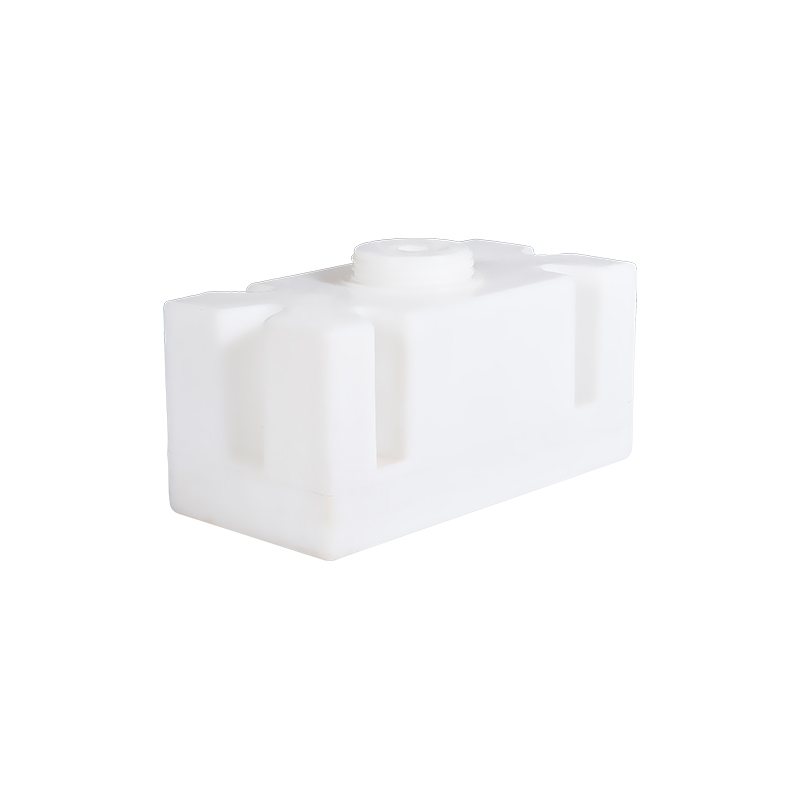
The biggest structural win is that the part is one continuous piece. A 5000-liter storage tank made by rotational molding has no parting line that can become a stress riser. It also means the inside and outside of the wall are formed at the same time, so a tank used for chemicals or wastewater gets consistent wall quality where it matters most.
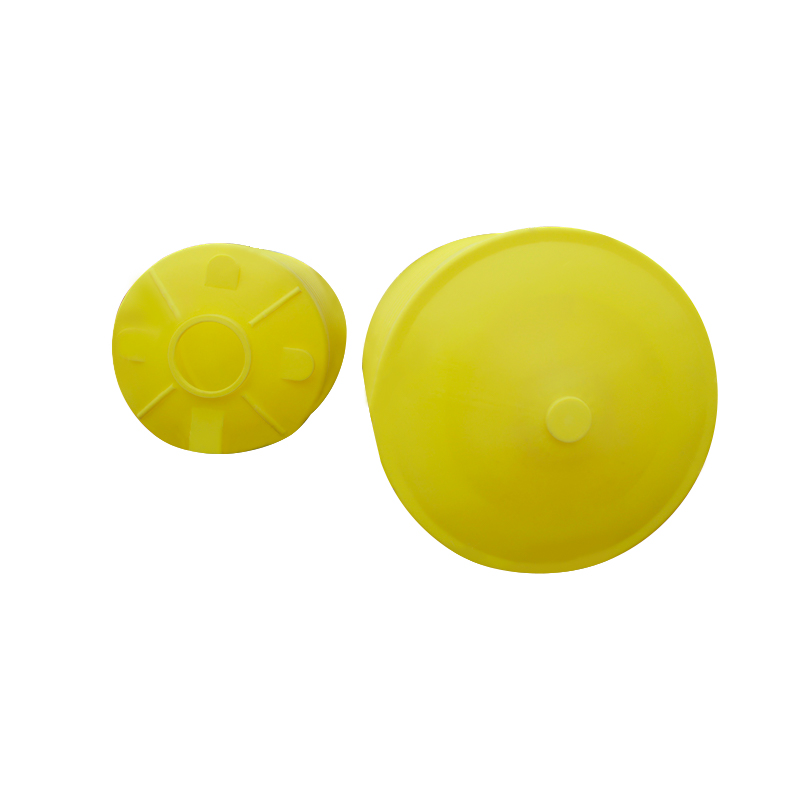 Cone Bottom PE Storage Tank for Chemical and Wastewater ApplicationsThis 5000-liter rotational molded tank features a seamless one-piece wall, eliminating parting lines and ensuring consistent wall thickness. It is suitable for water treatment and chemical storage where durability and corrosion resistance are required.View Product →
Molds made from aluminum can often be produced in a few weeks, and cost a fraction of matched metal tools used in injection molding. This makes the process attractive for annual production runs in the hundreds to low thousands, where you cannot justify a large tooling budget but still want a durable plastic part.
LLDPE has a high impact strength, and the process produces parts with essentially no molded-in stress. That combination is why rotomolded tanks, toolboxes, and float bodies survive drops, freezing conditions, and constant loads. For a plant that stores dosing chemicals or a farm that keeps live fish in containers, this resilience translates into lower replacement cost.
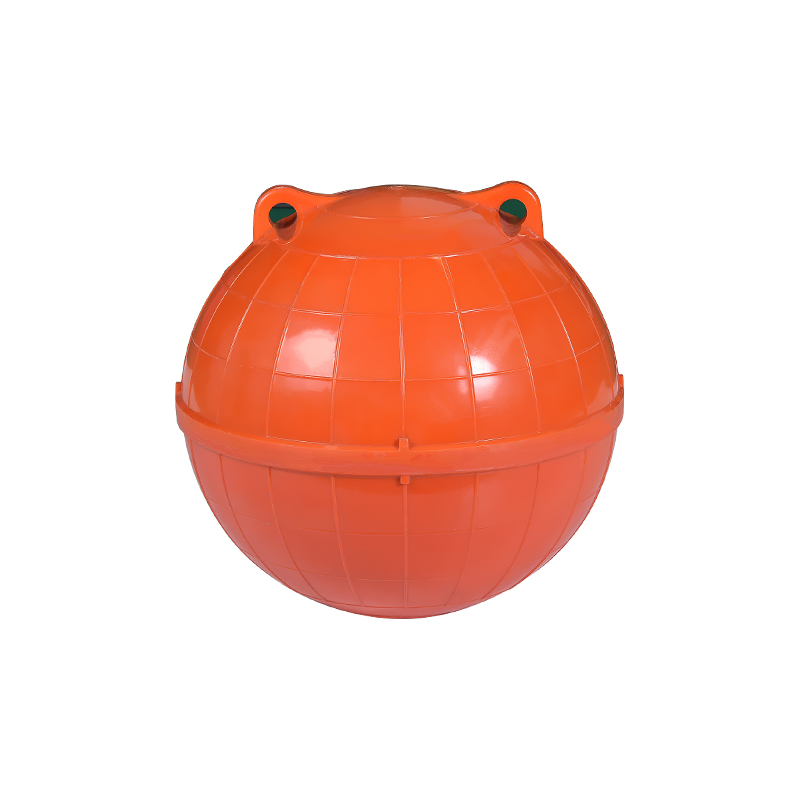
You can incorporate ribs, drum-shaped bodies, or even double-wall parts with molded-in inserts. The biaxial rotation covers corners and recesses better than blow molding can. This is especially useful for equipment housings, vehicle fuel tanks, and marine floats where the shape has to meet both structural and aesthetic needs.
Each rotationally molded part goes through heating and cooling that typically takes tens of minutes. Injection molding can produce a comparable small part in seconds. If your volume is large, the labor and energy cost per unit grows quickly. This is the most common reason projects move away from rotomolding.
LLDPE and PE dominate. Although some specialty grades are available, high-performance engineering plastics are difficult to process this way. If your component needs chemical resistance beyond PE's range or continuous high-temperature operation beyond about 80 degrees Celsius, you may need to look at a different process.
Wall thickness is usually uniform by nature, but the dimension of the overall part can vary more than with injection molding. This is fine for most tanks and floats, but not for parts that must fit into a precise mechanical assembly. You need to plan tolerance stack-ups from the beginning.
Loading powder, handling molds, and finishing parts take manual effort. For very large parts, that is acceptable. For small parts made in high volume, the labor portion of the price becomes hard to compete with.
Material prices also follow crude oil trends, so a long-term supply agreement can help. Buyers with a fixed annual budget should ask for a price adjustment clause in the quote.
When you are sourcing a plastic part, you will usually be comparing rotomolding with blow molding or injection molding. Each process has a sweet spot, and the right choice is often decided by volume and shape.
| Criteria | Rotational Molding | Blow Molding | Injection Molding |
|---|---|---|---|
| Tooling cost | Low to moderate | Moderate | High |
| Cycle time | Minutes per part | Seconds to minutes | Seconds |
| Part size | Very large hollow parts | Medium hollow parts | Small to medium |
| Wall thickness control | Uniform by nature | Varies with blow ratio | Precise control |
| Typical annual volume | Hundreds to low thousands | Thousands to tens of thousands | Ten thousand and above |
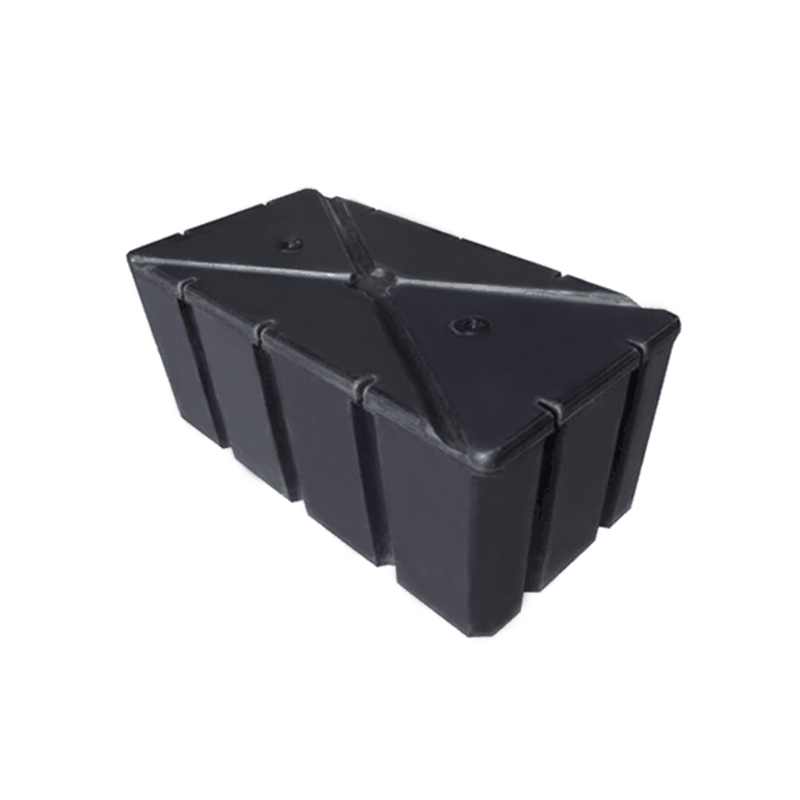
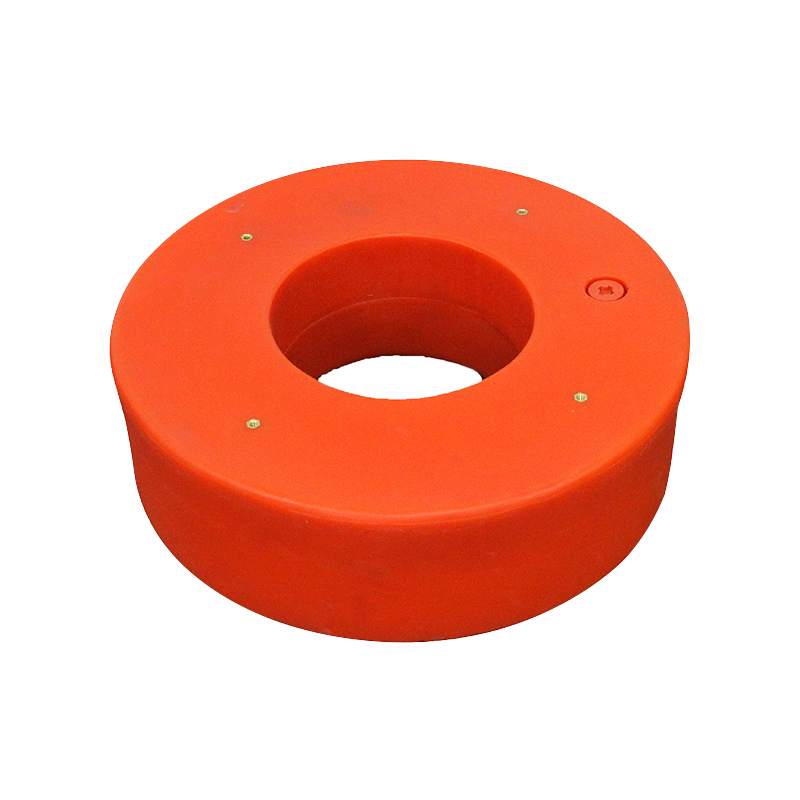
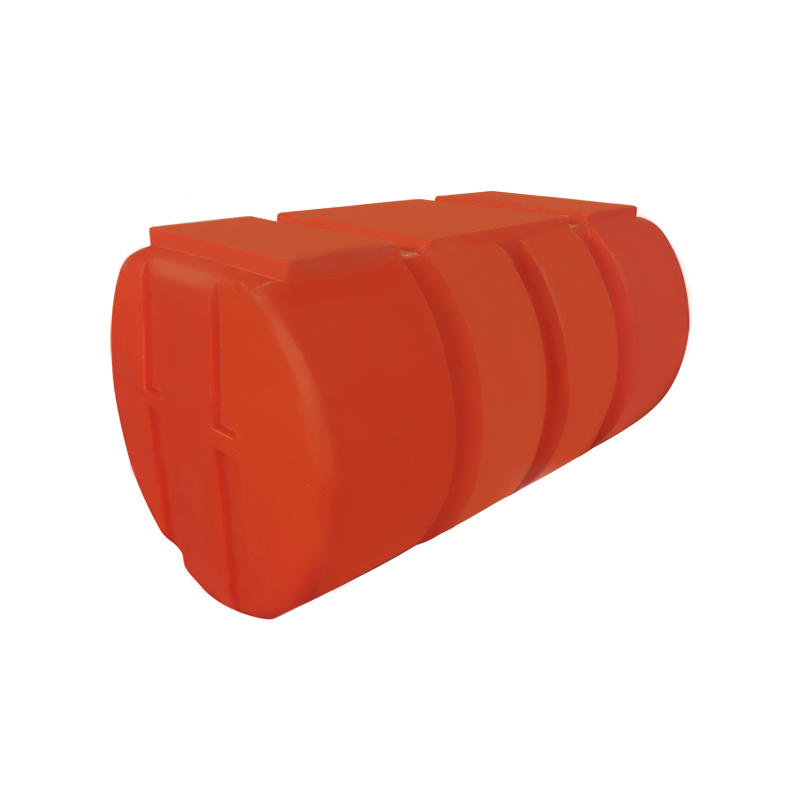
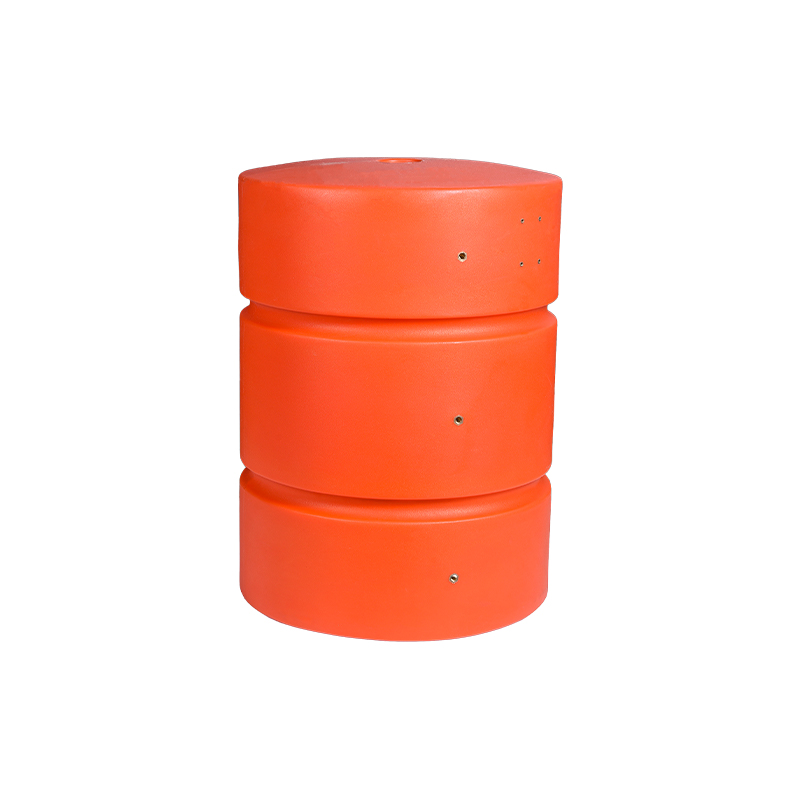
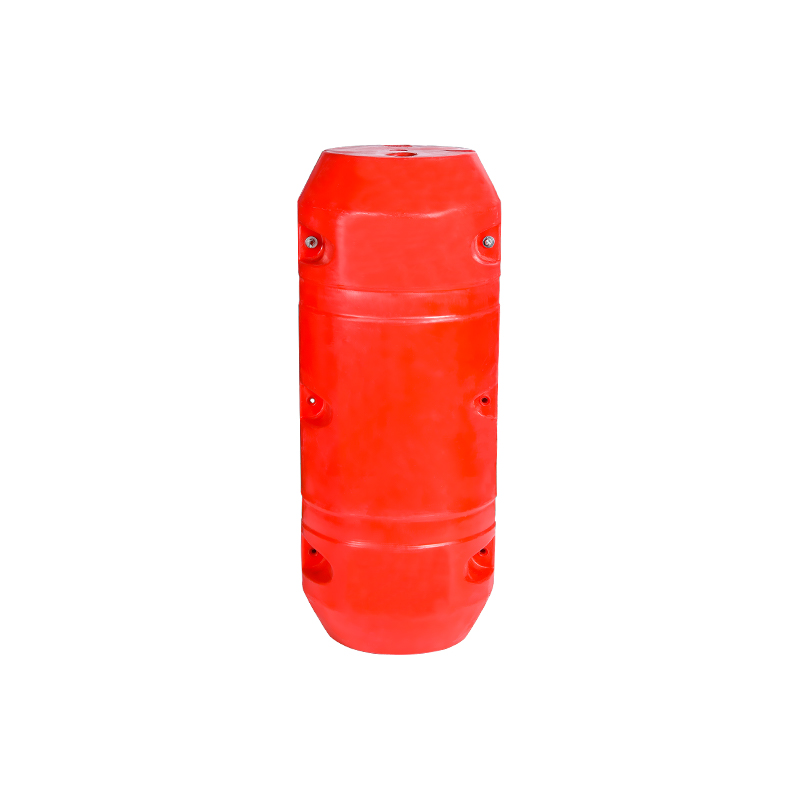
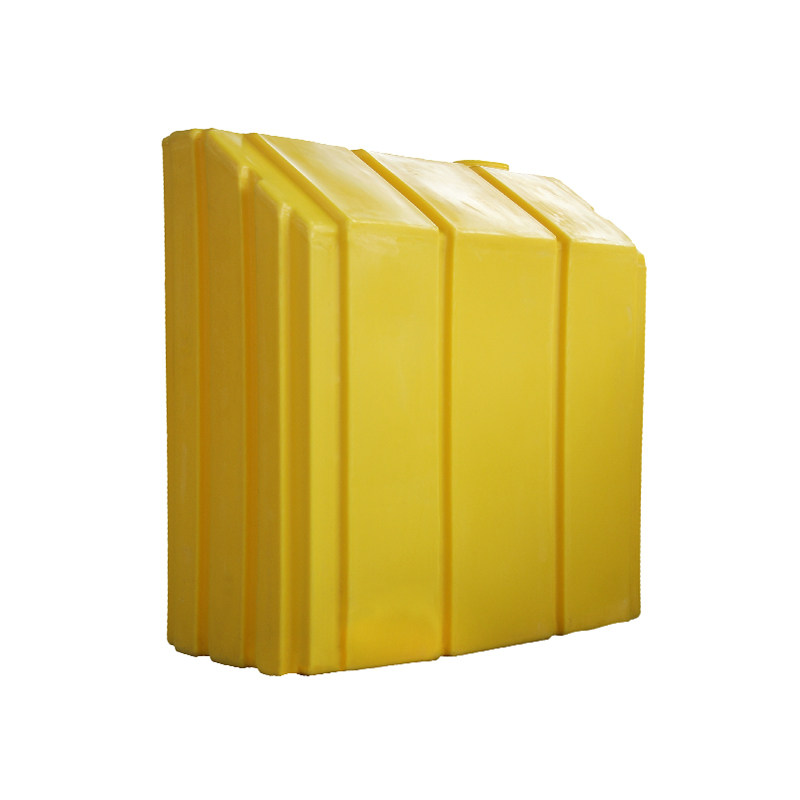
For marine equipment such as floating docks, the large size and need for one-piece impact-resistant construction make rotomolding a strong fit. You can see this in the real-world experience of a rotomolding LLDPE floating platform has strong corrosion resistance even in brackish and harbor water. Blow molding is usually better when you need higher output of medium-sized bottles or containers under 200 liters with simple geometry.
 Rotomolded LLDPE Floating Platform for Marine and Water UseMade from LLDPE, this floating platform offers impact resistance, corrosion resistance, and durability in brackish or harbor water. It serves as a stable base for docks, floating bridges, and water activities.View Product →
The right way to evaluate rotomolding is not to ask whether the process is good or bad in general. Ask these five questions instead.
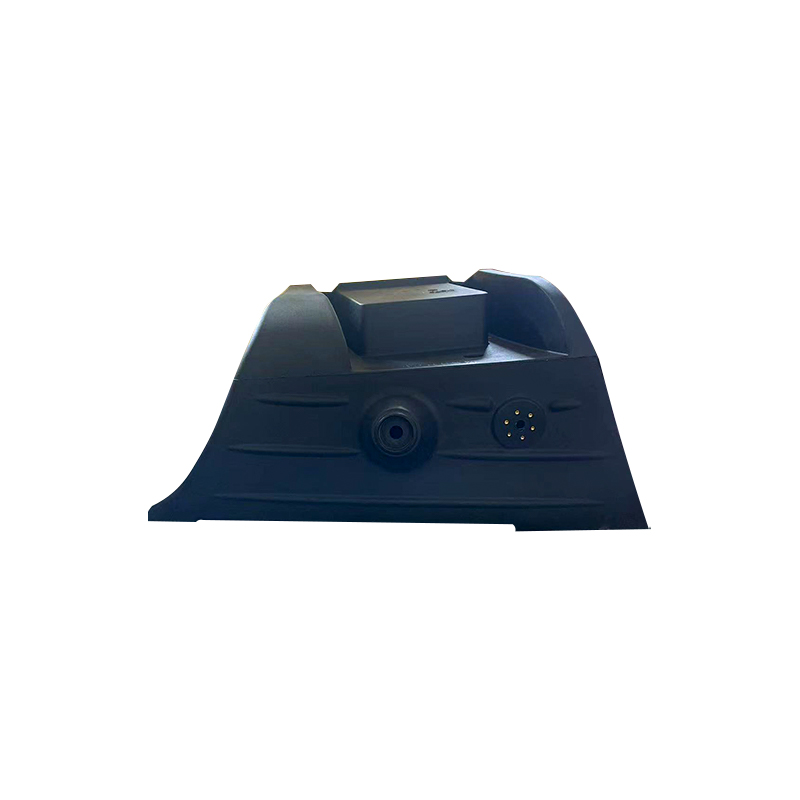
For OEM and development work, the same criteria apply. A custom equipment housing or a protective shell can benefit from low-cost tooling and short lead time when the design allows it.
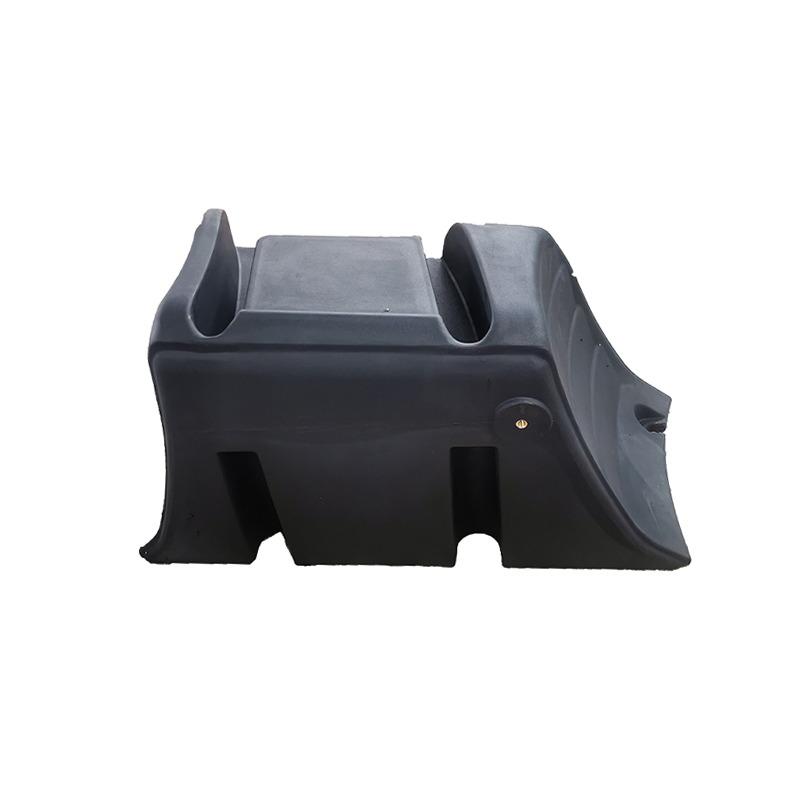 LLDPE Rotomolding Equipment Shell for Outdoor ProtectionThis seamless LLDPE shell protects internal components from dust, moisture, and impact. With low tooling cost and short lead time, it suits custom enclosures for machinery and electronic equipment in harsh environments.View Product →
Rotational molding is a dependable process when you need large, hollow, impact-resistant plastic parts at low tooling cost. It is not the right answer for high-speed mass production or tight-tolerance components. Buyers who know their volume, part size, and service environment before approaching a molder will get the most useful quote.
That is exactly how an experienced rotomolding supplier approaches it too. They will ask about your volume first, then talk through the design and material. A good supplier will also point out when a part is a poor fit for the process, because that is how you avoid a costly mold and a production run that never becomes economic. At Cixi Junyi Plastics, that discipline starts with the first conversation about your intended application.

 wuyuqiao village, Henghe Town, Cixi City, Zhejiang Province
 +86-15257871220
 [email protected]
