

 English
 عربى
عربى
News
Home / News / Industry News / Advantages of Rotational Molding: Design Versatility and Cost Efficiency
When you need a large hollow part such as a 5,000-liter storage tank, a one-piece aquaculture barrel, or a custom equipment housing, the process decision shapes both cost and long-term performance. The conclusion is clear: rotational molding is the best fit when tooling cost matters, production volume is moderate, and the part must be seamless, durable, and dimensionally stable. Understanding the reasons behind this conclusion helps you ask the right questions before you commit to a supplier.
Rotational molding creates a hollow part by rotating a heated mold while plastic powder melts and coats the interior walls. No injection pressure, no runner systems, and no steel cores constrain the design. Engineers are free to specify complex contours, closed hollow geometries, undercuts, molded-in ribs, bosses, and even double-wall sections that would be difficult to produce in blow molding or injection molding.
Wall thickness stays consistent across the part, and corners tend to be thicker, which adds structural rigidity exactly where impact resistance is most valuable. This is why rotational molding is a common first choice for process equipment, marine components, and industrial enclosures.
Welded tanks, blow-molded containers, and sheet-fabricated housings all contain seams or joints. Those lines are the first areas to fail under thermal cycling, pressure fluctuation, or mechanical vibration. Rotational molding forms a monolithic shell with no weld line and no secondary sealing operation. For any application that holds water, chemicals, or other liquids, this removes an entire class of leakage risks.
The low-pressure technique also keeps molded-in stress very low. Injection molding and blow molding introduce internal stress that can lead to warpage or stress cracking months or years later. A rotationally molded part cools slowly inside the mold after the powder has fully fused, which relieves stress and produces a piece that holds its shape. The result is a longer and more predictable service life, even in outdoor service.
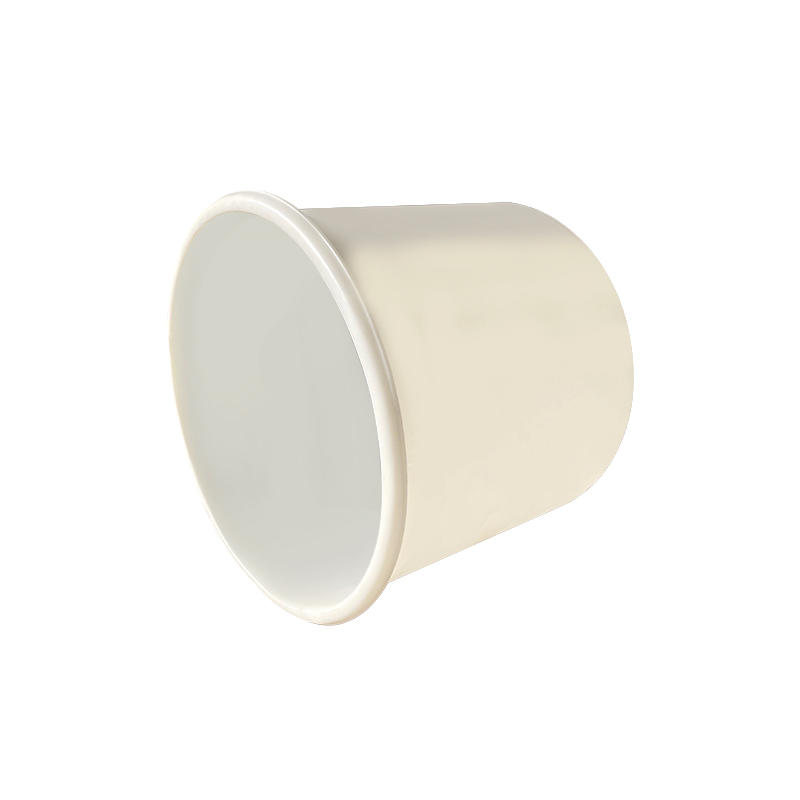 7 Tons PE Breeding TankScope of applicationView Product →
Tooling is often the deciding factor for moderate production volumes. Injection molding requires hardened steel tools that are expensive to machine and can take months to make. Rotational molding uses welded sheet-metal molds, cast aluminum molds, or machined steel molds that cost far less and are delivered quicker. For a company needing a few hundred to a few thousand parts per year, the tooling investment is significantly easier to justify.
| Factor | Rotational Molding | Injection Molding | Blow Molding |
|---|---|---|---|
| Tooling cost | Low to moderate | High | Moderate |
| Typical production volume | 100 to 3,000 units | 10,000 and more units | 500 to 5,000 units |
| Maximum part size | Very large, 10,000 L and above | Large but limited by press size | Limited by accumulator size |
| Wall thickness control | Uniform, thick corners | Precise but limited | Thinner, tends to taper |
| Design complexity | High | Moderate | Low to moderate |
| Molded-in stress | Low | High | Moderate |
The table gives a first-pass view. The final decision should also account for material grade, wall thickness tolerance, assembly cost, and expected product life.
Rotational molding handles very large one-piece parts that are difficult or impossible to make with other processes. PE storage tanks, dosing barrels, and aquaculture barrels are manufactured as a single shell, from 40 liters up to more than 10,000 liters. The absence of joints means that even a large tank holds its structural integrity under hydrostatic pressure.
A cone-bottom PE storage tank, for example, is molded with a smooth internal finish, a reinforced rim, and molded-in connections for filling and draining. The cone bottom allows complete drainage, which matters in chemical dosing operations where residue can contaminate the next batch.
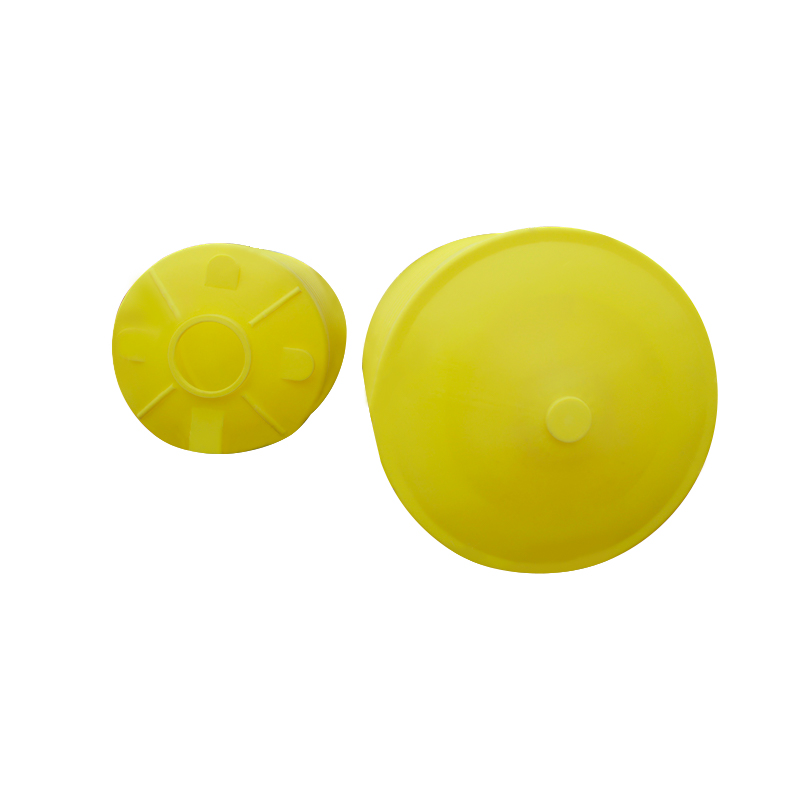 CPT-5000L Cone Bottom PE Storage TankScope of applicationView Product →
LLDPE and other polyethylene grades common in rotational molding have strong resistance to chemicals, moisture, corrosion, and UV radiation. Unlike metal or fiberglass tanks, LLDPE parts require no protective coating and will not rust, delaminate, or form pores. The material absorbs impacts without shattering, which is a clear advantage in marine, industrial, and agricultural environments.
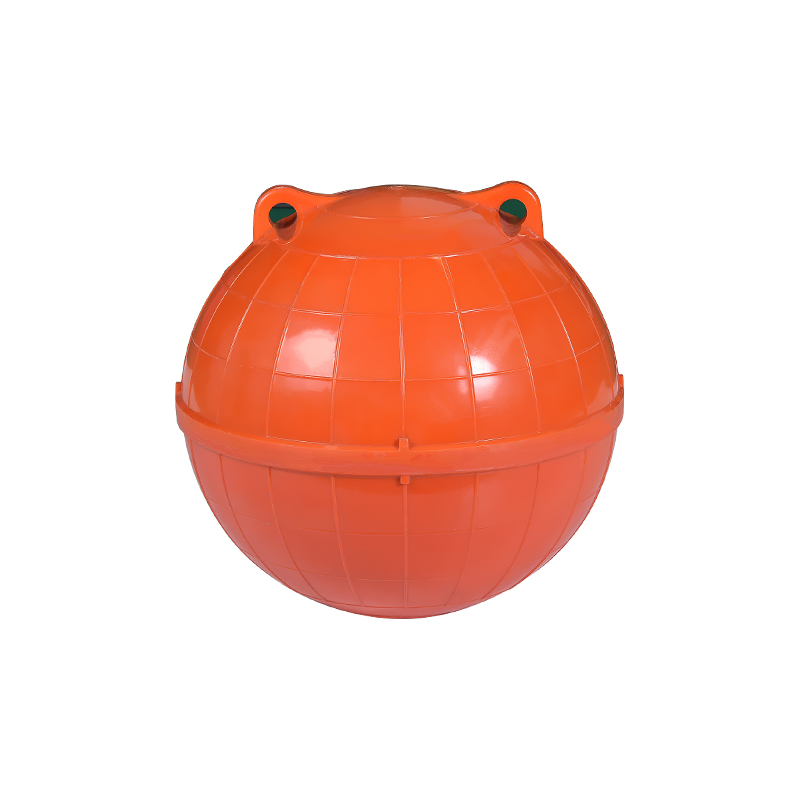
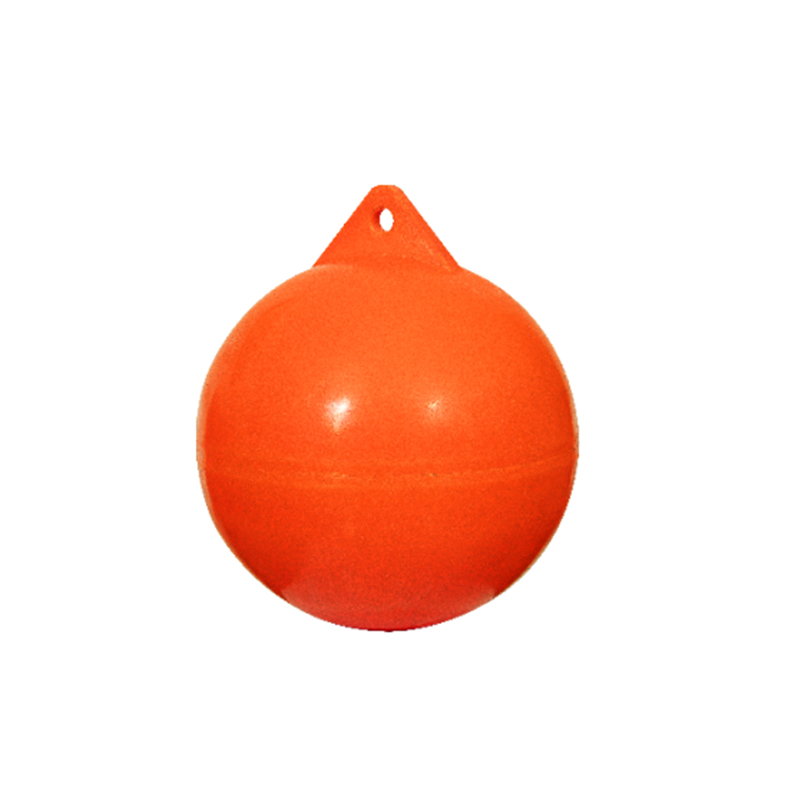
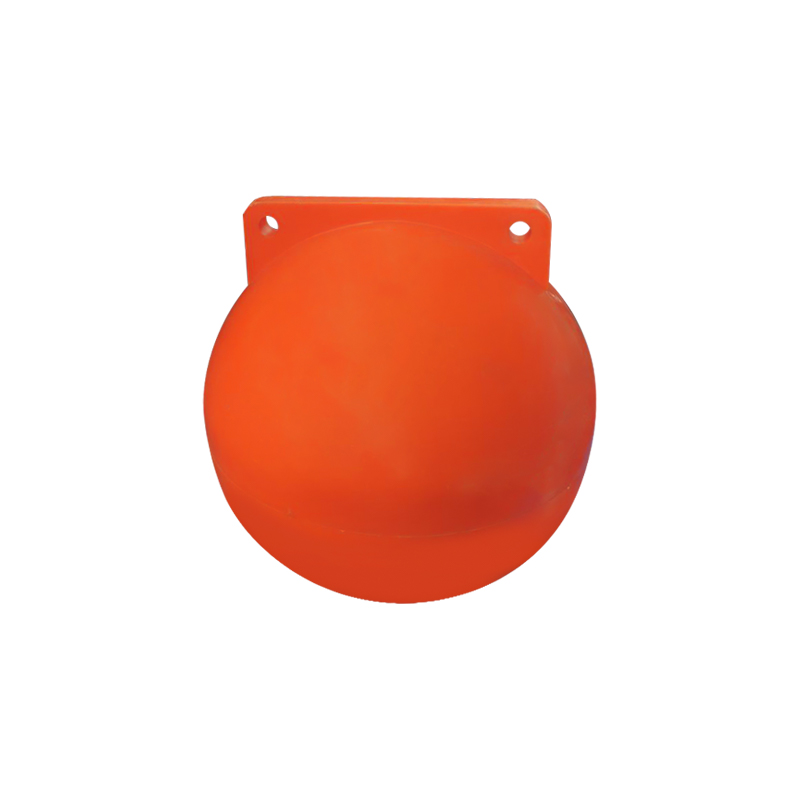
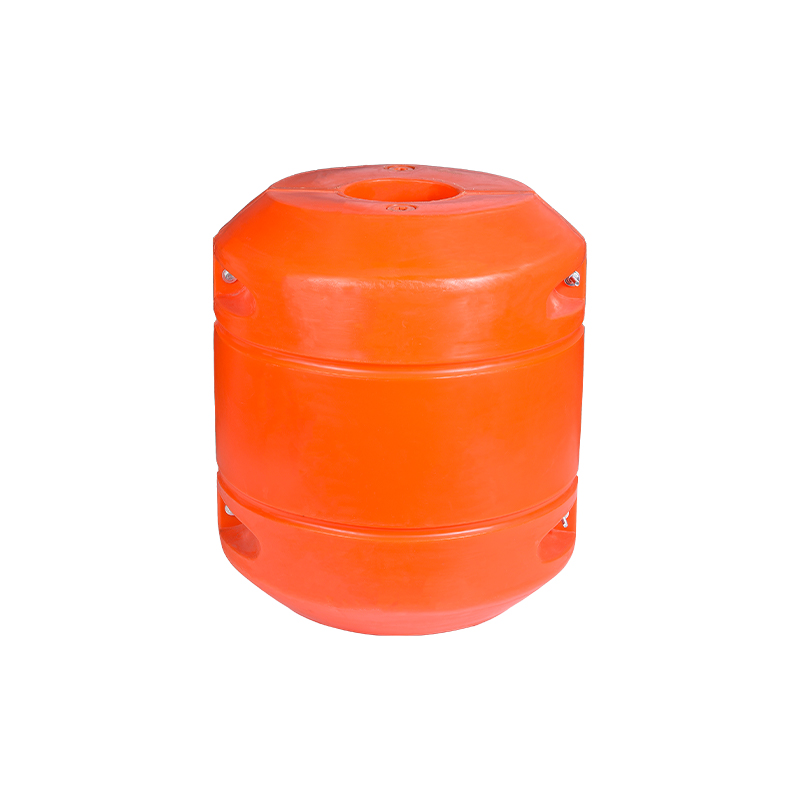
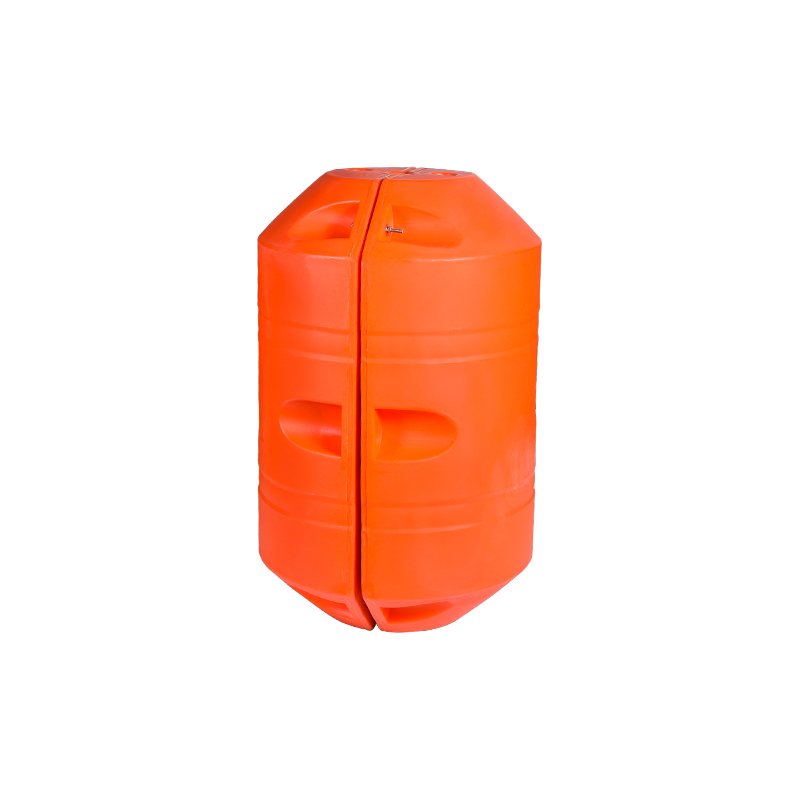
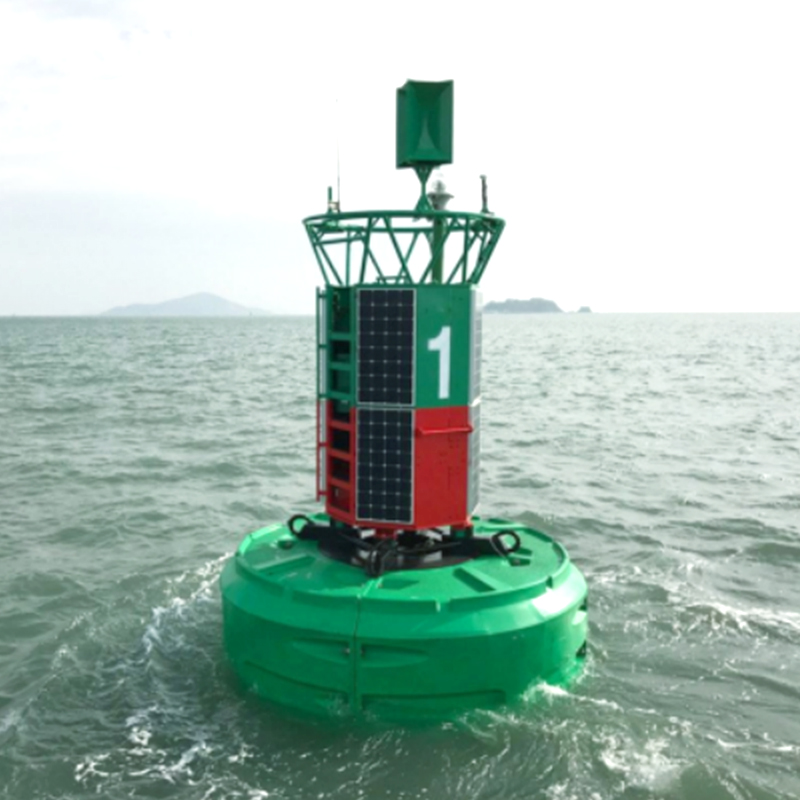
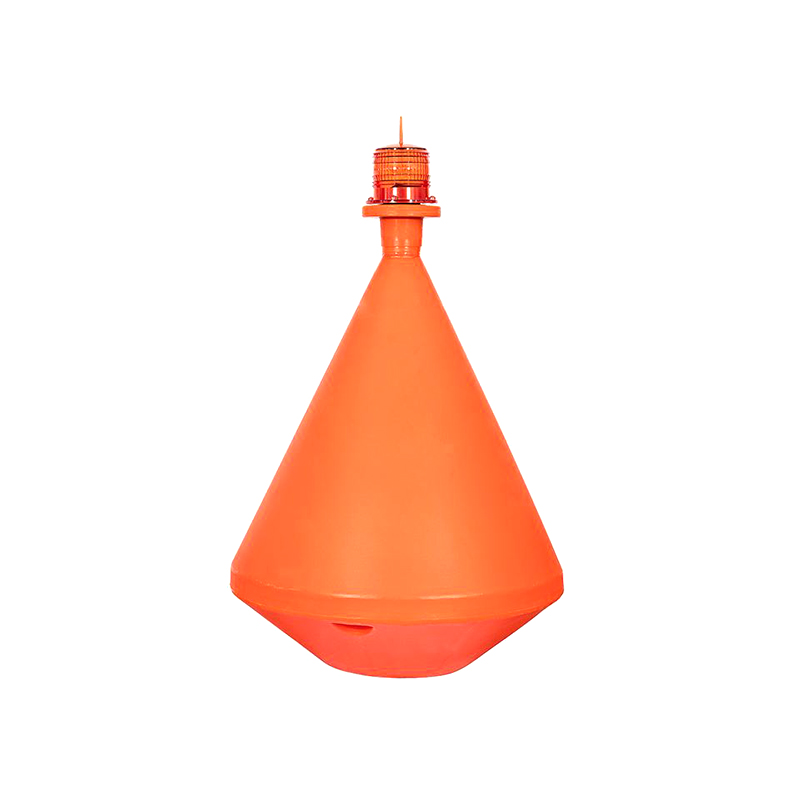
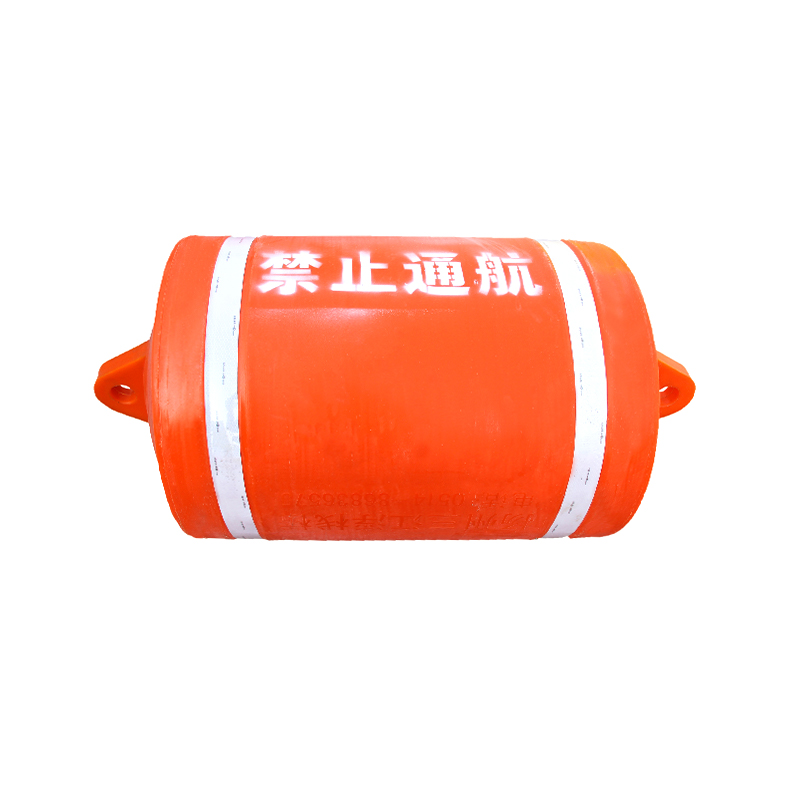
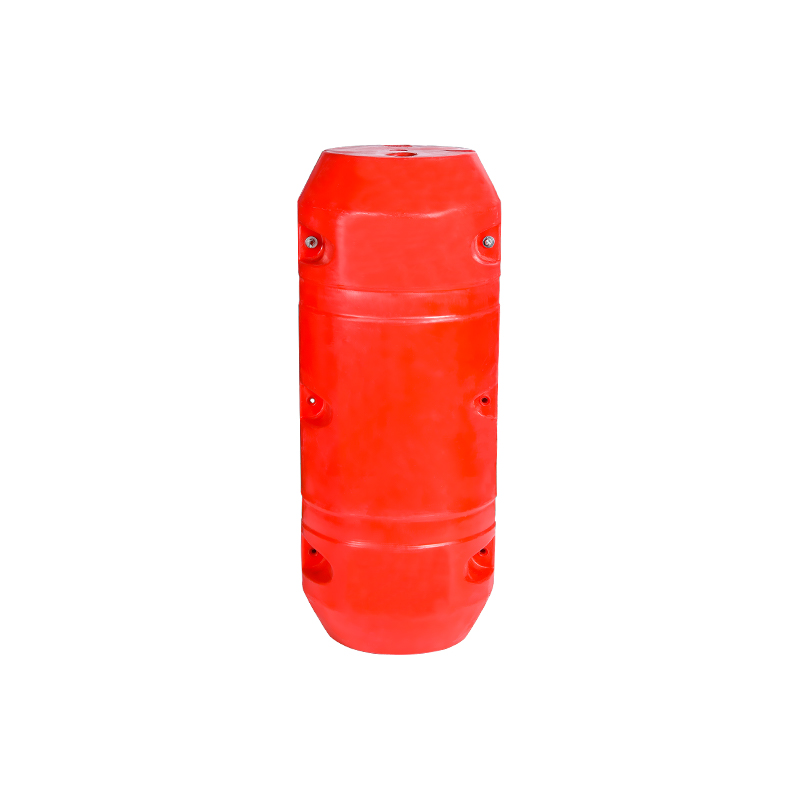
For floating platforms, navigation buoys, and pipe-dredging floats, rotational molding produces dependable buoyancy and dimensional stability over many years of exposure. Our corrosion-resistance analysis of LLDPE floating platforms describes how this material performs in coastal service. A well-designed rotomolded float handles wave action, UV exposure, and fouling better than metal alternatives that require continuous maintenance.
Rotational molding can integrate features directly into the finished part. Molded-in metal inserts, internal threads, molded-in graphics, and molded-in colors eliminate secondary operations. Color sections can be placed in the same item without painting, and logos or labels can be formed into the surface, which avoids adhesive failure in outdoor service.
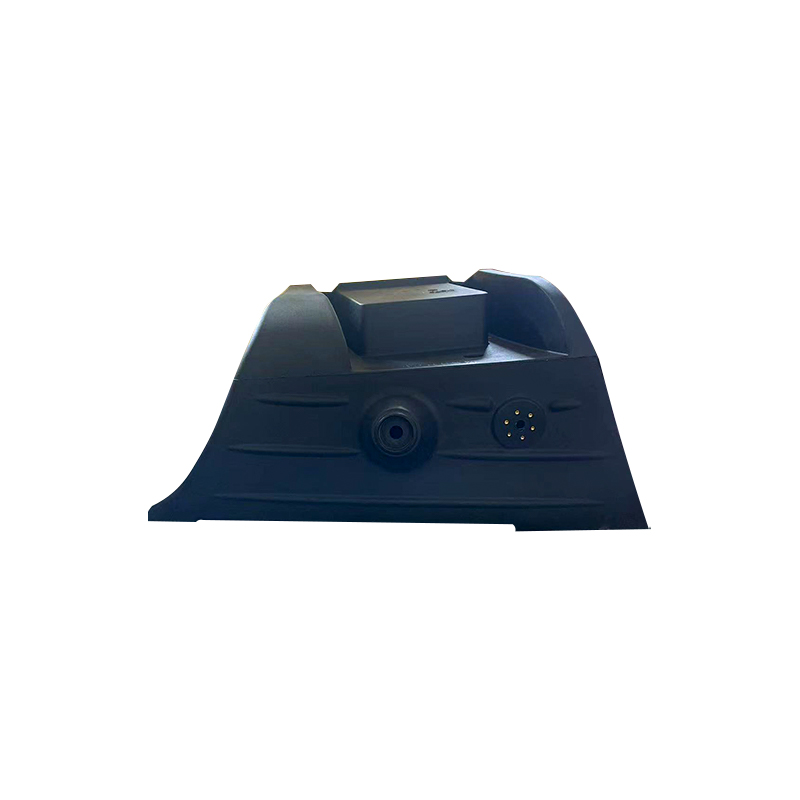
For equipment shells, a developer can include molded-in bosses, ribs, and a smooth outer skin in the same tool. That reduces fasteners and subassemblies for the customer, speeding up the final assembly line and lowering total production cost.
Rotational molding creates very little scrap because the full powder amount is consumed during melting, and regrind can be reused in many cases. Polyethylene is recyclable, and the long service life of rotationally molded products cuts down on replacement cycles. In water treatment, aquaculture, and marine applications where products stay in continuous service for a decade or more, the environmental impact per year of use is lower than with many other options.
These advantages depend on disciplined process control and experienced tooling design. Before placing a production order, verify how the mold will be built, which polyethylene grade will be supplied, how wall thickness is measured, and how likely defects such as bubbles, voids, or thin sections are controlled. A rotomolder with in-house mold design and development capability can move your part from CAD model to stable production faster than a supplier that only runs tools you provide.
If your project needs UV resistance, impact strength, and a complex one-piece form, an experienced supplier can guide material selection and wall thickness planning. Our full product range and OEM development services cover storage tanks, aquaculture barrels, floating systems, equipment housings, and other custom rotationally molded parts.
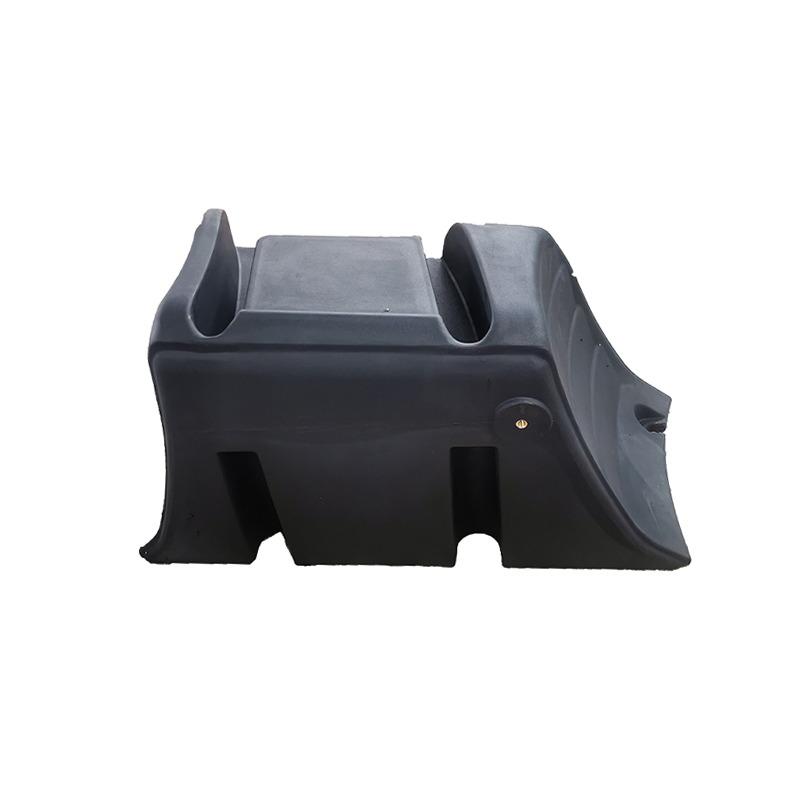 Rotomolding Equipment Shell ManufacturersLLDPE Rotomolding Equipment Shell View MoreView Product →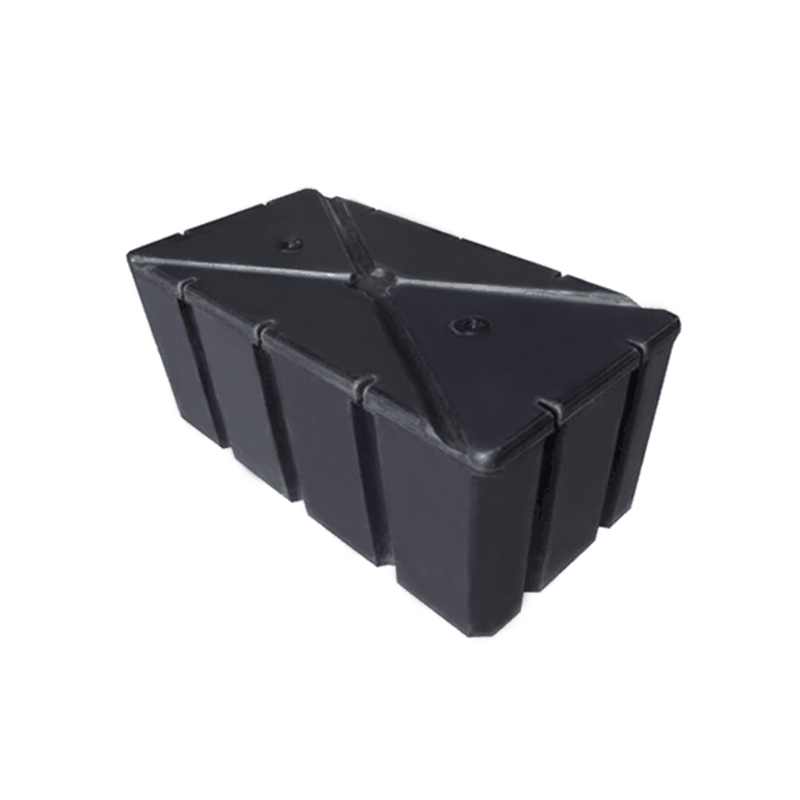

 wuyuqiao village, Henghe Town, Cixi City, Zhejiang Province
 +86-15257871220
 [email protected]
