

 English
 عربى

News
Home / News / Industry News / LLDPE Rotational Molding: A Complete Guide to Materials, Process, and Applications
If you have ever wondered why so many rugged plastic tanks, kayaks, road barriers, and floating docks are made from the same family of material, the answer often comes down to one name: LLDPE. Linear low-density polyethylene has quietly become the backbone of the rotational molding industry, and for good reason. At Junyi Plastics, we have spent years working with this versatile polymer, and we have seen firsthand how the right grade can make or break a project. In this guide, we will walk you through everything you need to know about LLDPE rotational molding, from molecular structure to real-world applications, and share some of the lessons we have learned along the way.
Rotational molding, often called rotomolding, is a unique process that produces seamless, stress-free hollow parts. Unlike injection molding or blow molding, rotomolding uses a heated mold that rotates slowly on two axes, allowing powdered polymer to coat the inside surface evenly. This method is ideal for large, complex, or low-volume parts, and LLDPE fits it like a glove.
LLDPE stands out because of its molecular architecture. It has a linear backbone with short branches that prevent the polymer chains from packing too tightly. This gives LLDPE lower density, higher flexibility, and outstanding impact resistance compared to HDPE. In rotational molding, those properties translate into parts that can absorb heavy blows without cracking, resist environmental stress cracking, and maintain performance in extreme temperatures.
Another reason LLDPE dominates rotomolding is its powder flow. When ground into a fine powder, usually between 30 and 200 mesh, LLDPE tumbles smoothly inside the mold and melts uniformly. This results in consistent wall thickness and fewer bubbles or voids. We have tested many materials over the years, and time and again, LLDPE proves to be the most forgiving and reliable choice for rotomolded products.
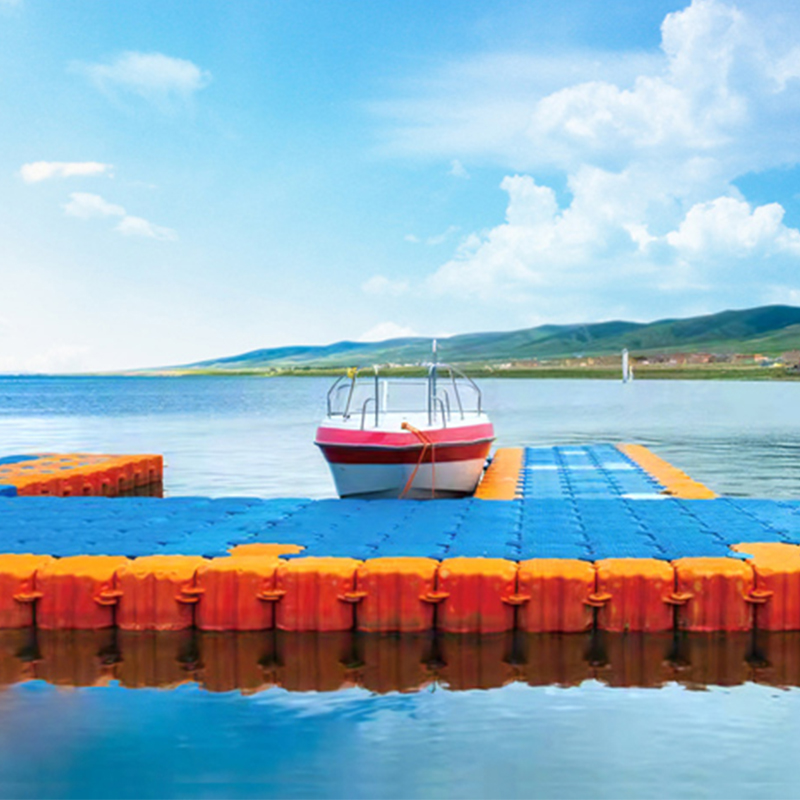 Rotomolded LLDPE Floating Platform for Water UseBuilt from rotomolded LLDPE, this floating platform provides a stable surface for water activities, docks, and floating bridges in various water environments.View Product →
Understanding how LLDPE behaves during each stage of rotomolding helps you troubleshoot problems and optimize your parts. Here is the typical sequence we follow in our facility.
A measured amount of LLDPE powder is loaded into a hollow mold. The amount determines the final wall thickness, which typically ranges from 3 mm to 12 mm. We carefully calculate the shot weight based on the part's surface area and desired thickness.
The mold enters an oven and rotates slowly on two perpendicular axes. As the mold heats up, the LLDPE powder melts and sticks to the inner surface, building up layer by layer. Temperatures usually range from 250°C to 350°C, and cycle times depend on the mold size and wall thickness.
After melting, the mold moves to a cooling station where air or water spray brings the temperature down gradually. Controlled cooling is critical to prevent warping and internal stresses. We monitor the cooling curve closely to ensure dimensional stability.
Once the part is cool enough to handle, the mold opens and the finished product is removed. At this stage, LLDPE parts are tough and ready for finishing touches.
Depending on the application, parts may be trimmed, drilled, threaded, or fitted with inserts. We often install fittings, level switches, and other accessories to turn a simple shell into a functional tank or buoy.
Each step requires careful control, and LLDPE's wide processing window makes it more forgiving than many other polymers. That said, paying attention to powder quality, mold venting, and temperature uniformity will always pay off in the final product.
LLDPE is a copolymer of ethylene and alpha-olefins such as butene, hexene, or octene. The short branches disrupt crystallinity, lowering the density to around 0.915–0.925 g/cm³. This structure gives LLDPE its signature toughness and flexibility.
Rotomolding requires a free-flowing powder with a narrow particle size distribution. Ideally, particles range from 300 to 500 microns. Fine powder melts faster but can cause bubbles; coarse powder may leave unmelted spots. The right balance ensures smooth, even coatings.
MFI indicates how easily the polymer flows when molten. For rotomolding, LLDPE grades typically have an MFI between 2 and 5 g/10 min. Lower MFI gives higher impact strength, while higher MFI improves processability and surface finish.
ESCR measures a material's ability to resist cracking when exposed to chemicals and stress. LLDPE excels here, which is why it is preferred for tanks holding detergents, oils, and agricultural chemicals.
For outdoor applications, LLDPE is usually compounded with UV stabilizers and antioxidants. Without them, prolonged sun exposure can cause embrittlement. We always recommend UV-stabilized grades for floating docks, road barriers, and agricultural equipment.
While LLDPE is the most popular choice, it is not the only option. Here is how it compares to other common rotomolding polymers.
| Material | Impact Strength | ESCR | Cost | Typical Applications |
|---|---|---|---|---|
| LLDPE | Excellent | Excellent | Low | Tanks, kayaks, toys, floats |
| HDPE | Good | Moderate | Low | Chemical drums, pallets |
| PVC (plasticized) | Moderate | Poor | Medium | Ducting, specialized parts |
| Nylon | Good | Good | High | High-temperature parts |
| Polypropylene | Moderate | Good | Medium | Chemical containers, automotive |
As the table shows, LLDPE offers the best balance of toughness, chemical resistance, and cost-effectiveness for most rotomolded products. That is why you will find it in everything from 10-ton water tanks to tiny toy components.
LLDPE tanks store potable water, wastewater, and chemicals safely. Their seamless construction eliminates leaks, and the material resists corrosion and algae growth. We manufacture cone-bottom, flat-bottom, and horizontal tanks up to 10,000 liters and beyond.
Fish hatcheries rely on LLDPE for breeding tanks, incubation barrels, and floating cages. The material is non-toxic, UV-stabilized, and can be molded into smooth, rounded shapes that are easy to clean and safe for delicate fry.
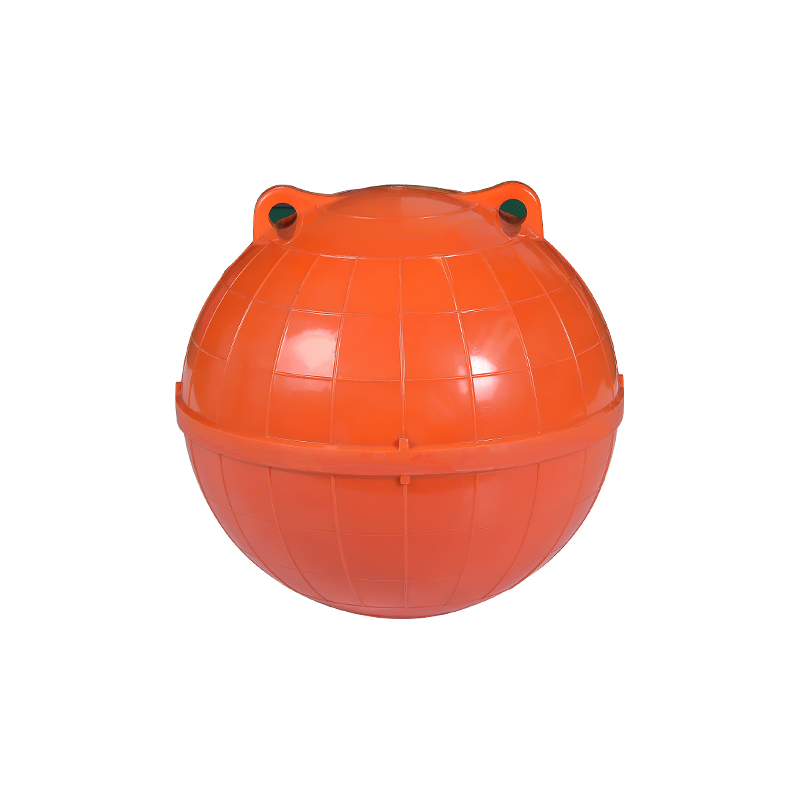
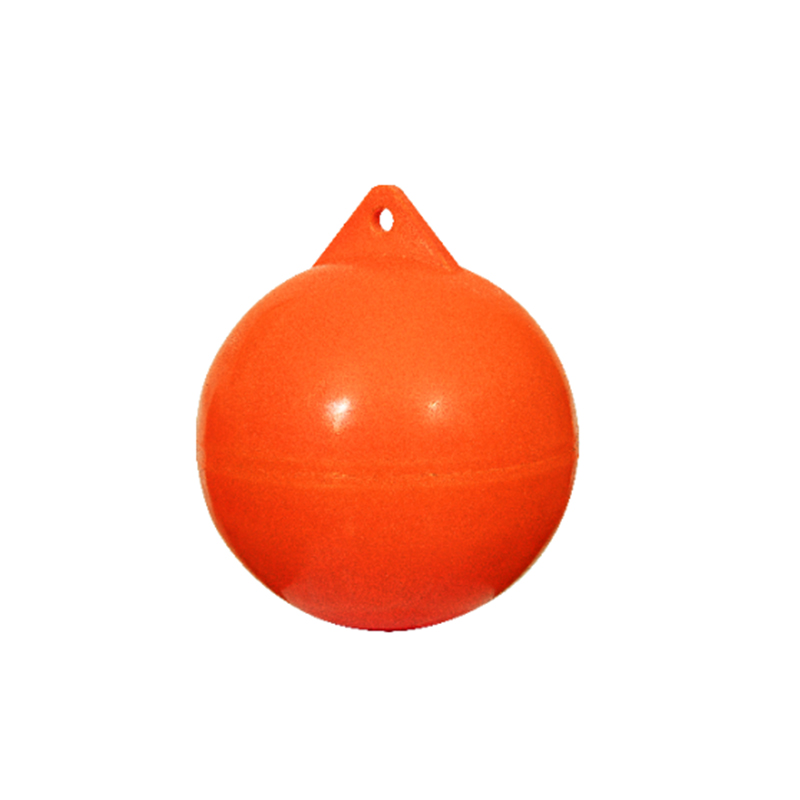
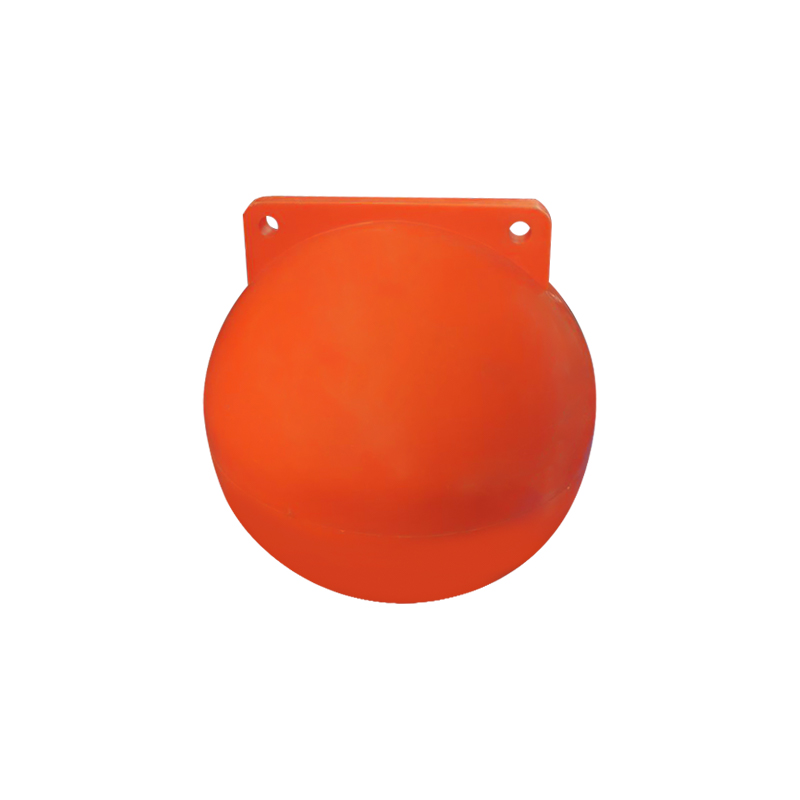
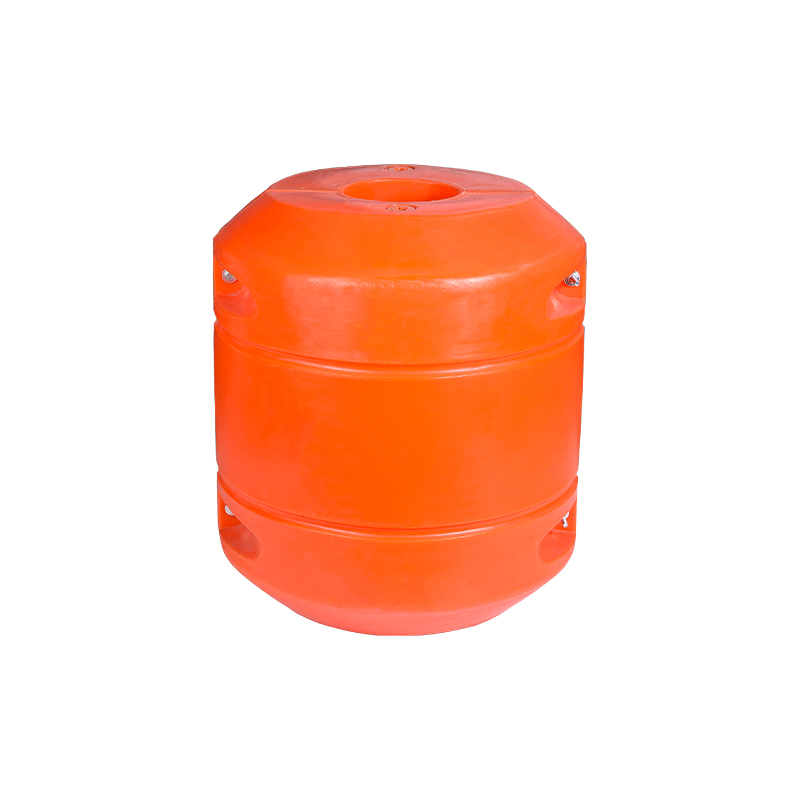
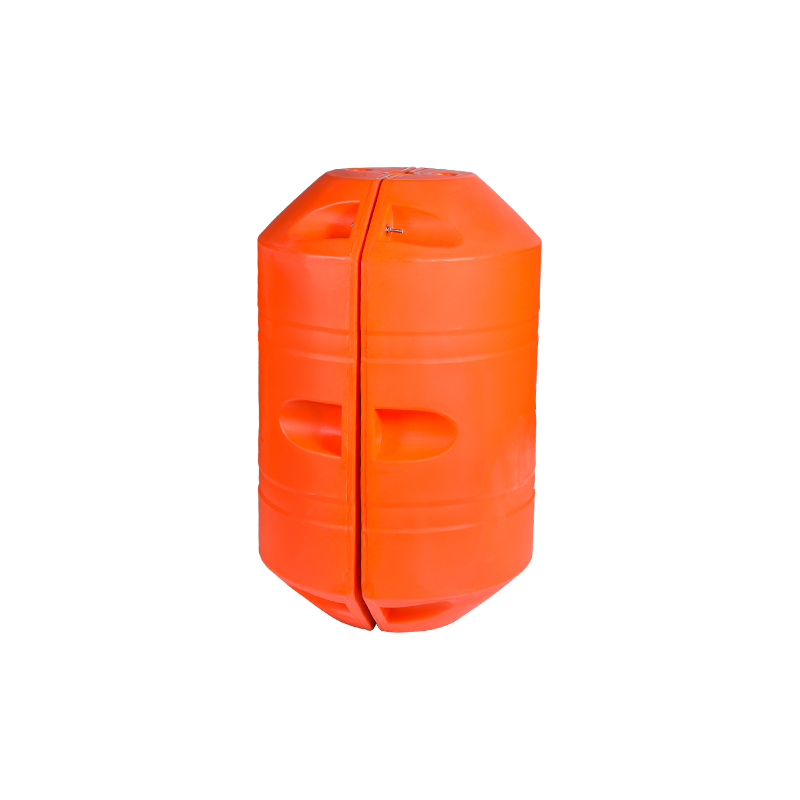
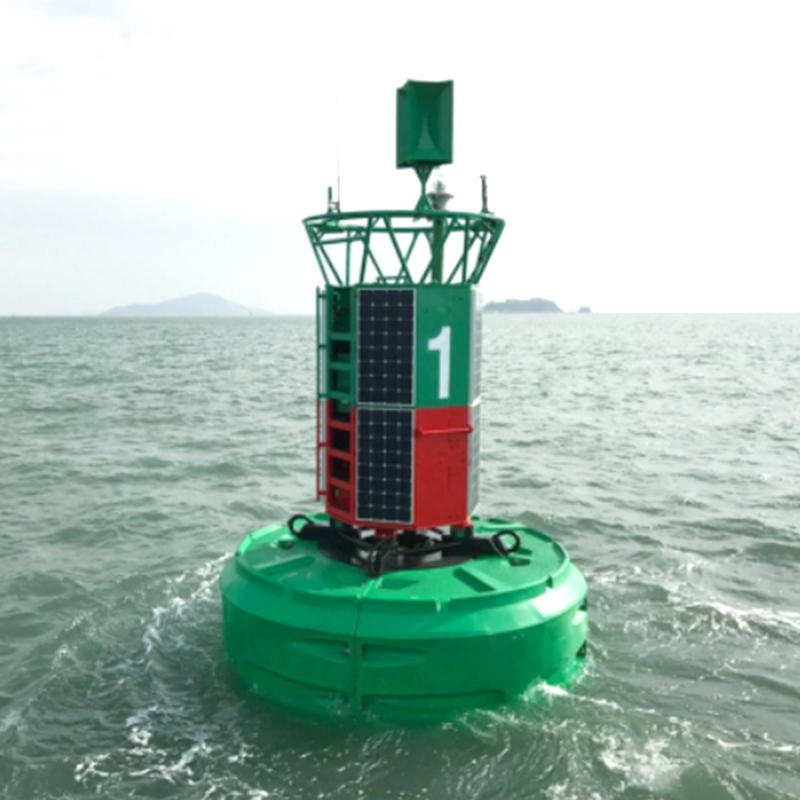
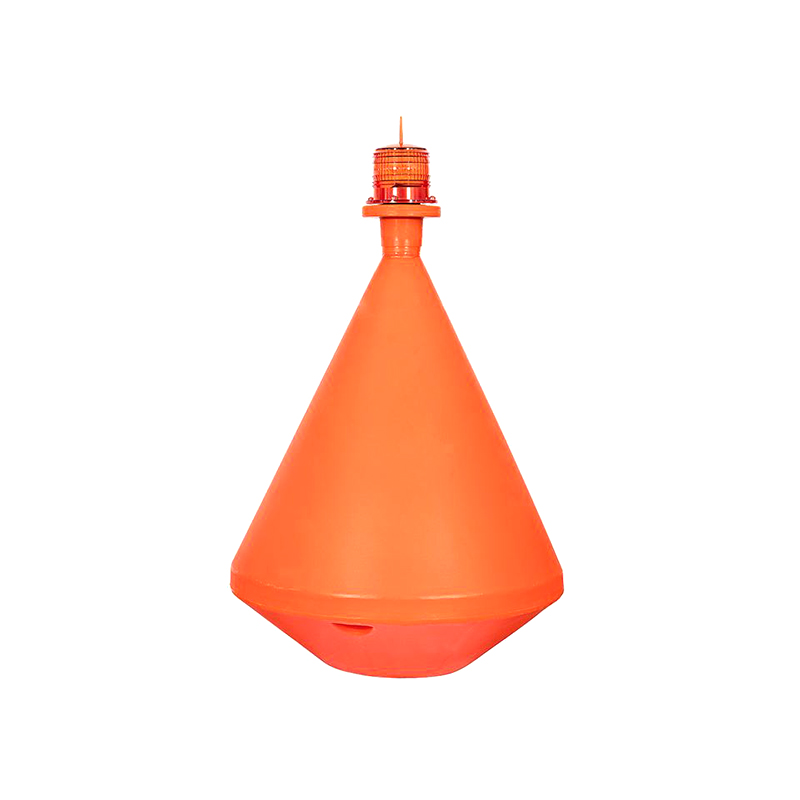
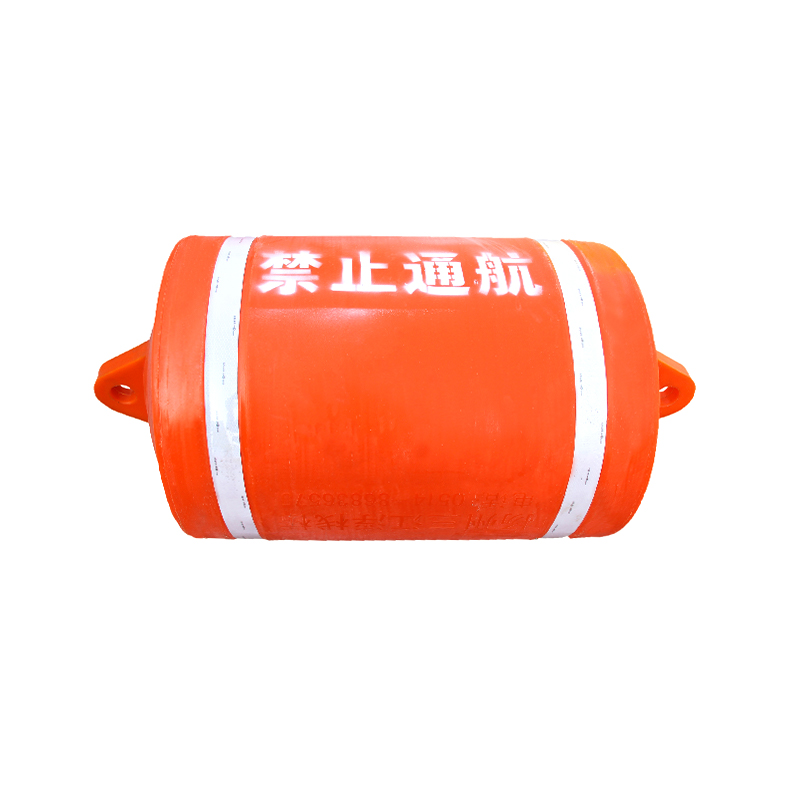
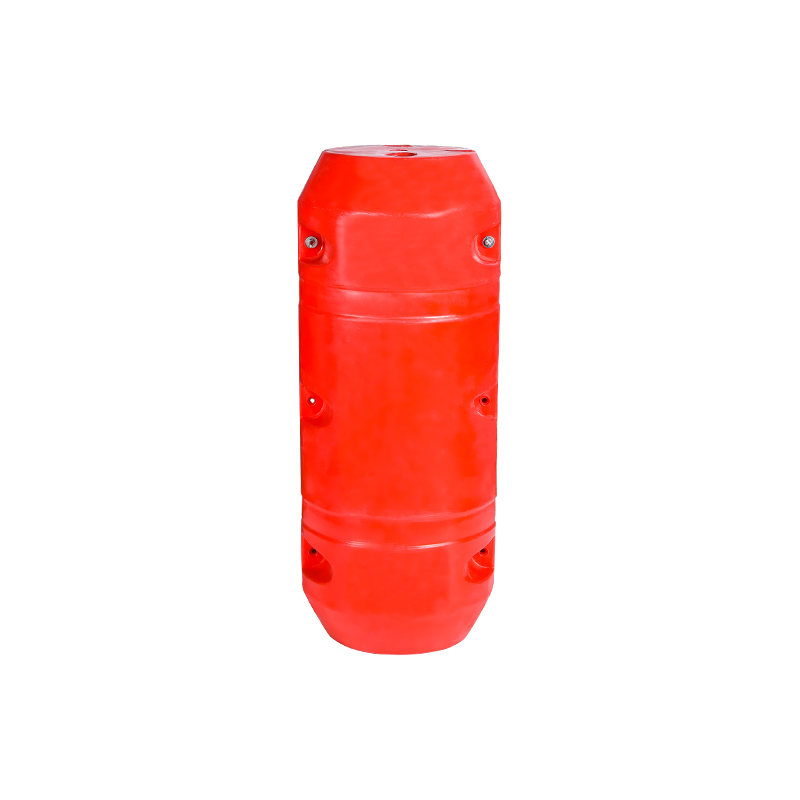
Floating platforms, navigation buoys, dredge pipe floats, and warning markers are frequently made from LLDPE. Its buoyancy, impact resistance, and ability to withstand saltwater make it ideal for harsh marine environments. If you want to dive deeper into this topic, read our article on corrosion resistance of LLDPE floating platforms.
LLDPE rotational molding produces durable water tanks for spraying, fertigation, and livestock watering. The material resists UV degradation and chemicals, ensuring a long service life in the field.
Road cones, water-filled barriers, and anti-collision barrels benefit from LLDPE's ability to absorb impact and return to shape. Bright colors can be molded in, reducing the need for painting.
Equipment housings, fuel tanks, forklift buckets, and pallet bases are all rotomolded from LLDPE. The material's strength-to-weight ratio helps reduce fuel consumption and manual handling strain.
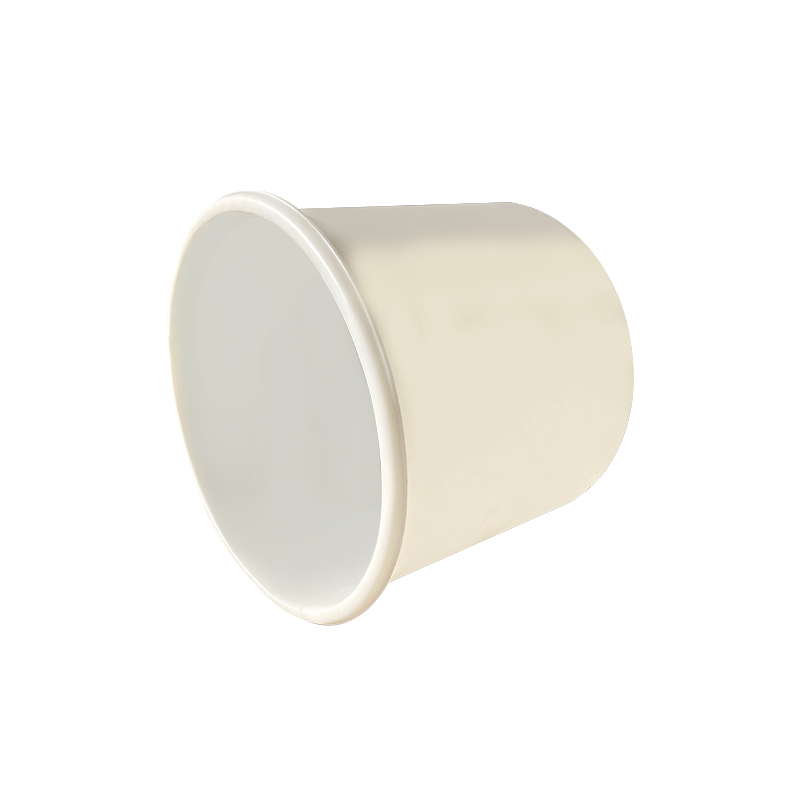 7-Ton PE Aquaculture Breeding TankThis rotomolded PE/LLDPE breeding tank supports fish, shrimp, crab, and aquatic plants, with structural design for water quality management and insulation.View Product →
Bubbles usually come from trapped air or moisture in the powder. Solution: use high-quality, dry LLDPE powder and ensure proper mold venting. Adjusting the heating cycle and rotation speed can also help.
Uneven cooling is the main culprit. Solution: implement controlled cooling with gradual temperature reduction. Avoid quenching with cold water unless the part geometry is simple.
Rough surfaces often result from insufficient melting or low-quality powder. Solution: verify the oven temperature and cycle time, and use powder with consistent particle size. Higher MFI grades can also improve flow and surface appearance.
This is usually a sign of inadequate UV stabilization or ESCR. Solution: specify the right grade for the chemical and outdoor exposure. Adding antioxidants and UV stabilizers during compounding is essential.
Will the part be exposed to sunlight, chemicals, or extreme temperatures? Choose a grade with UV stabilizers and high ESCR for outdoor chemical tanks. For cold climates, prioritize low-temperature impact strength.
Lower MFI grades are tougher but harder to process. If your mold has intricate details or deep undercuts, a higher MFI grade may be necessary. Talk to your material supplier about the best balance for your mold.
Not all LLDPE powders are created equal. Look for consistent bulk density, dry flow, and particle size distribution. Reputable suppliers provide a certificate of analysis for each batch.
Thicker walls require longer heating and cooling cycles. Choose a grade that can tolerate extended heat history without degrading. Antioxidants play a key role here.
Always run a trial or prototype before committing to a large order. This helps identify potential issues with warping, bubbles, or color dispersion early on.
Since 2007, Junyi Plastics has been based in Cixi, Zhejiang, a region known as the hometown of rotational molding. We have grown alongside the industry, and today we offer a complete range of services, from mold design and development to OEM production and accessory supply.
We work with a wide spectrum of LLDPE grades and have deep experience in water treatment, aquaculture, marine floats, traffic safety, and custom OEM parts. Our in-house mold shop allows us to create complex shapes with precise tolerances, and our production team monitors every cycle to ensure consistent quality.
Whether you need a standard 5,000-liter cone-bottom tank or a custom enclosure for sensitive equipment, we can help. We believe in practical engineering and honest communication, and we are always happy to discuss your project and share what we have learned. Explore our rotomolding development and OEM capabilities to see how we can bring your idea to life.
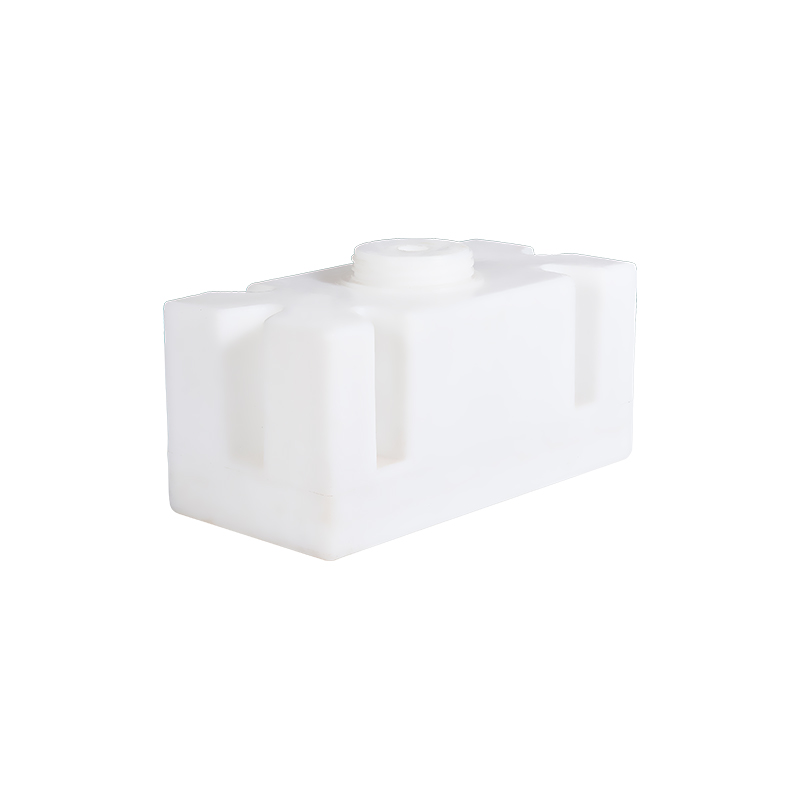 Rotomolded LLDPE RV Fresh Water TankThis rotomolded LLDPE tank is intended for RV fresh water storage, offering a durable, lightweight option consistent with LLDPE's flexibility and stress crack resistance.View Product →
LLDPE stands for linear low-density polyethylene. It is a type of polyethylene with a linear backbone and short branches, which gives it flexibility, toughness, and excellent stress crack resistance.
LLDPE is preferred because it offers an outstanding balance of impact strength, chemical resistance, and processability. It grinds into a free-flowing powder, melts evenly, and produces seamless parts with consistent wall thickness.
Yes, but it should be UV-stabilized. Without UV additives, prolonged sun exposure can cause the plastic to become brittle. Most rotomolding grades include UV stabilizers for outdoor applications.
Rotational molding can produce very large parts, limited mainly by the oven and mold size. At Junyi Plastics, we routinely produce tanks and floats up to several thousand liters, and even larger custom structures are possible.
With proper design and UV stabilization, LLDPE parts can last for decades. Many water tanks and marine floats remain in service for 15 to 20 years or more, depending on the environment and usage.
Yes, LLDPE is recyclable. Rotomolded products can be reground and reused in some applications, although color and contamination may limit their use in critical parts. We encourage responsible recycling wherever possible.
LLDPE rotational molding is a powerful combination of material science and process control. From the molecular structure of the polymer to the precise rotation of the mold, every detail influences the final part. Whether you are developing a new product or sourcing a reliable tank, understanding LLDPE will help you make better decisions. At Junyi Plastics, we are always excited to talk about rotomolding and how it can solve real-world problems. If you have a project in mind, or just want to learn more, feel free to reach out. We are here to help.
 wuyuqiao village, Henghe Town, Cixi City, Zhejiang Province
 +86-15257871220
 [email protected]
