

 English
 عربى

News
Home / News / Industry News / Innovative Rotational Molding: Design, Materials, and Real-World Applications
Ask most people to picture rotational molding and they describe the same scene: a hollow mold filled with plastic powder, turning slowly in an oven until the powder melts and coats the inside. The picture is accurate, but it is decades out of date. Innovative rotational molding today is a design-led process that produces parts with complex geometry, molded-in inserts, foam-filled walls, and surfaces that once required several assembly steps.
We have worked with this process since 2007 from Cixi, a city in Zhejiang that people here call the hometown of rotomolding. Customer questions have changed over that time. Buyers no longer ask only whether a shape can be molded; they ask about wall thickness tolerance, impact performance after a winter outdoors, UV stability, and how fast a new design can travel from sketch to loaded pallet.
In practice, innovation here rarely arrives as one dramatic breakthrough. It appears as a series of practical improvements that together change what a mold can produce and how consistently it produces it. Four areas carry most of the weight.
The combined effect is that the process is no longer limited to simple hollow shapes. A modern rotomolded part can be a fuel tank with internal baffles, an equipment enclosure with molded brackets, or a filter brick for a wastewater plant.
A measured charge of polymer powder goes into a hollow mold. The mold is closed, clamped, and moved into an oven while rotating on two perpendicular axes. The powder tumbles and gradually builds a uniform skin against the hot tool surface. After the melt is complete, the mold moves to a cooling station and keeps rotating so the part does not sag, and the finished piece is then removed.
Because there is no injection pressure and no gate, the part is seamless with very low internal stress. The trade-off is cycle time, which is why the process suits large, hollow, low to medium volume products.
| Factor | Rotational molding | Injection molding | Blow molding |
|---|---|---|---|
| Tooling cost | Low to moderate | High | Moderate to high |
| Typical volume | Low to medium | Very high | High |
| Maximum part size | Very large | Press limited | Large |
| Variable wall thickness in one mold | Straightforward | Difficult | Limited |
| Molded inserts and double walls | Straightforward | Extra assembly | Difficult |
| Residual stress in the part | Very low | Higher | Moderate |
Read the table as a starting point rather than a verdict. Many projects are decided by a single detail, such as a threaded insert another process cannot place.
If you want to know how advanced a rotomolder really is, look at the mold shop before the oven. Tooling decides how evenly a part heats, how crisp the texture reads, how the parting line sits on a curved surface, and whether a threaded boss can be molded in rather than tapped afterwards.
Modern practice means designing the mold around the part instead of around the machine. Cast aluminum tools heat quickly for thin-wall products, while fabricated steel molds last longer on higher volume runs. Venting, thermal mass, and parting line position are tuned in CAD before the first cut, and a texture or logo engraved into the cavity removes a post-molding step entirely.
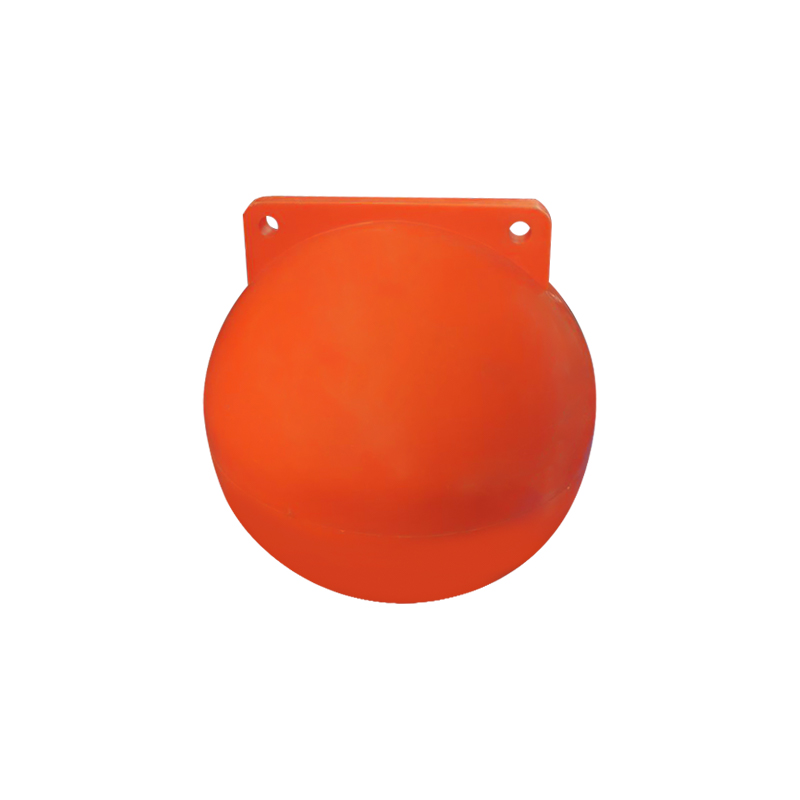
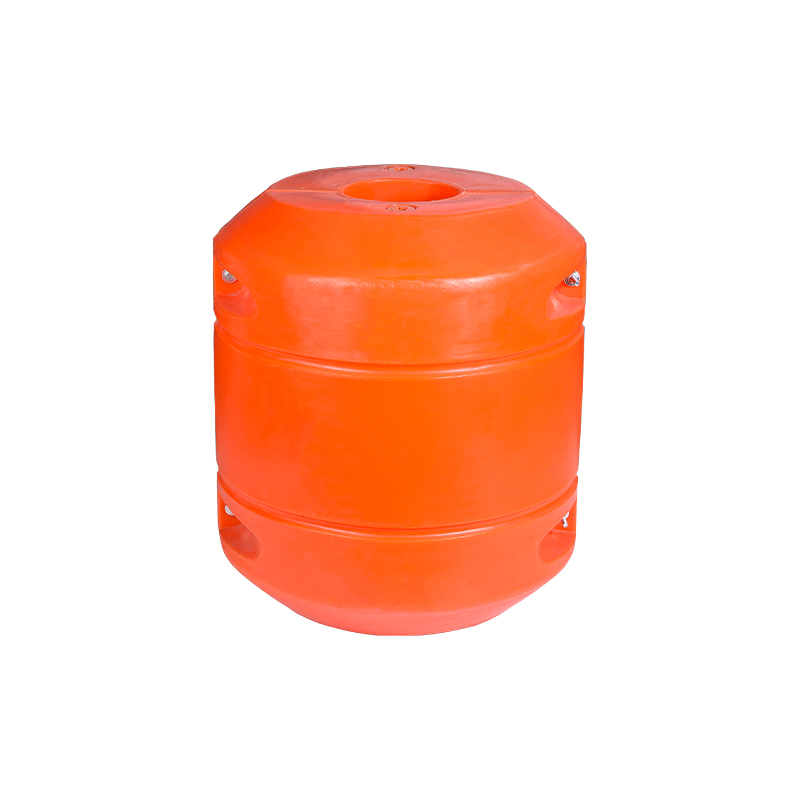
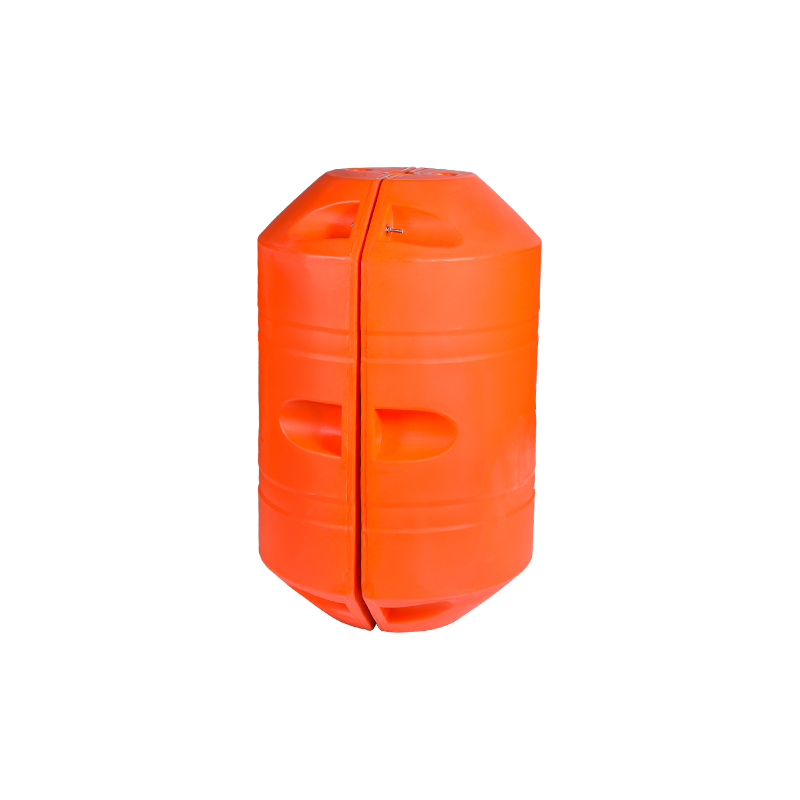
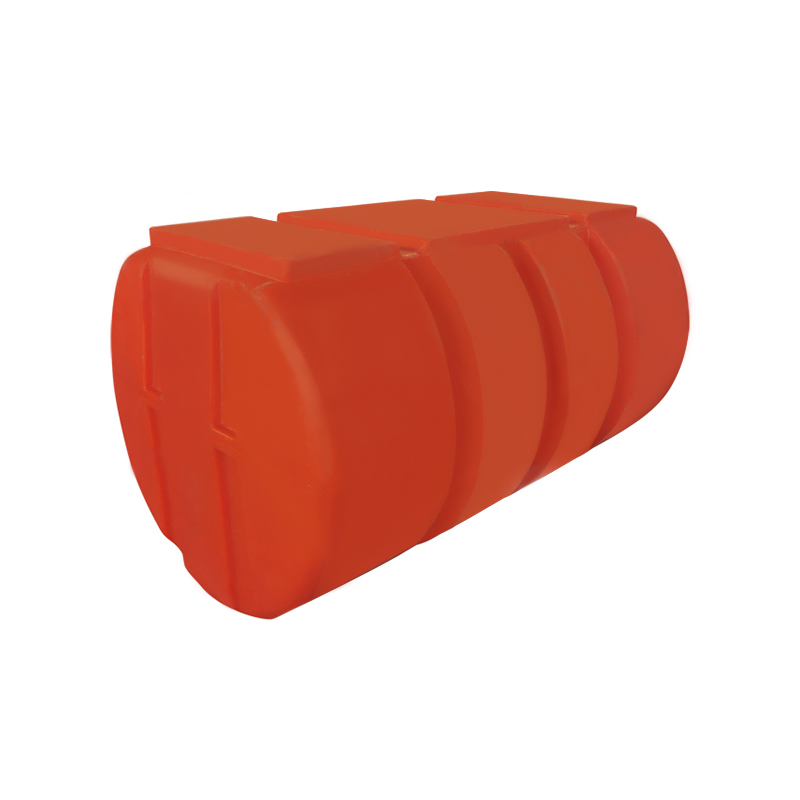
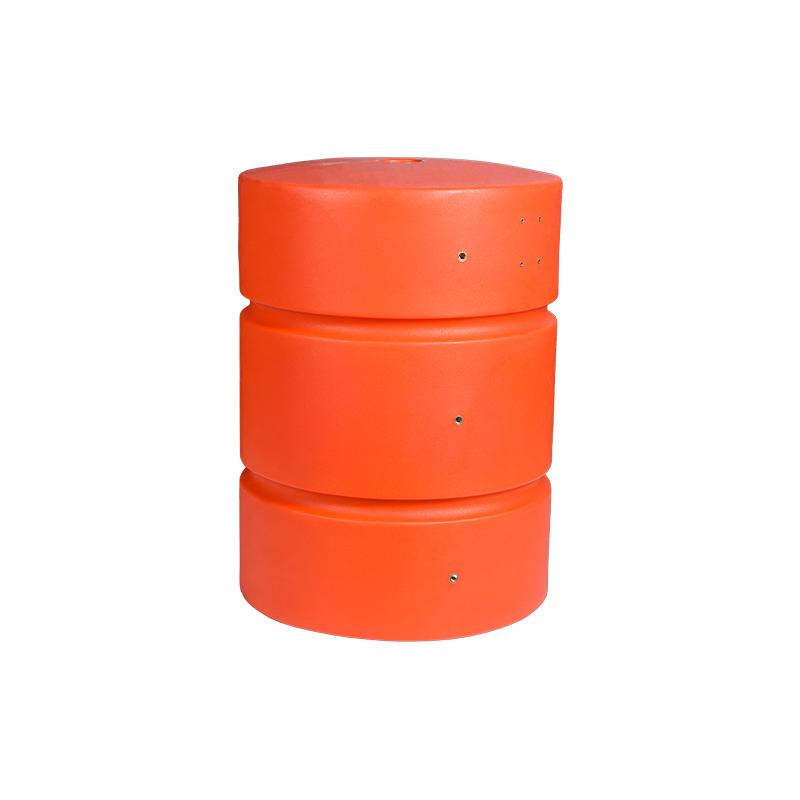
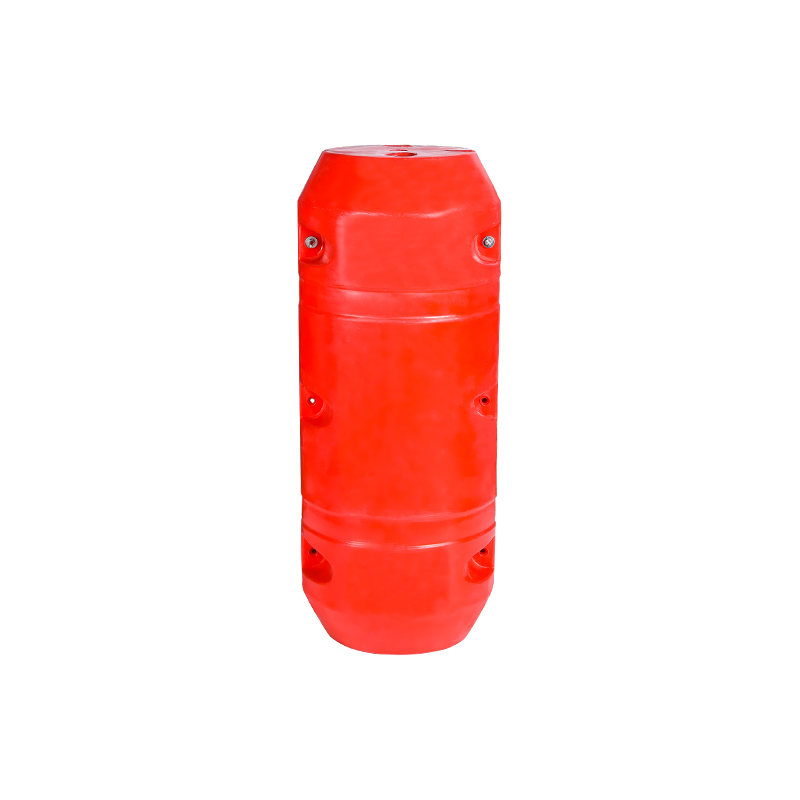
 Rotational Mold Design and Development ServicesExplore rotational mold design and development for float, floating ring, and steel film molds, with tooling and molding recipe handled together.View Product →
Our own mold development covers rotational float molds, floating ring molds, and steel film molds, which keeps tool design and the molding recipe under one roof instead of splitting them between suppliers.
Most rotomolded parts are still made from linear low-density polyethylene, and that is not a limitation. LLDPE stays tough at low temperatures, resists a wide range of chemicals, and tolerates impact that would crack a rigid plastic. Higher grades now add UV stabilizers for long outdoor exposure and improved impact resistance for parts that get handled roughly.
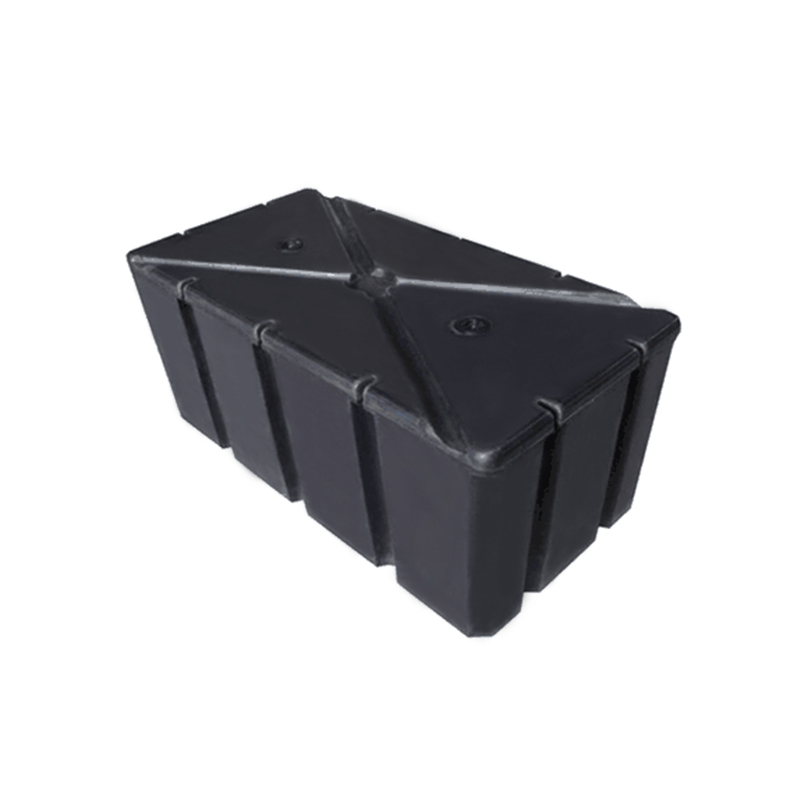
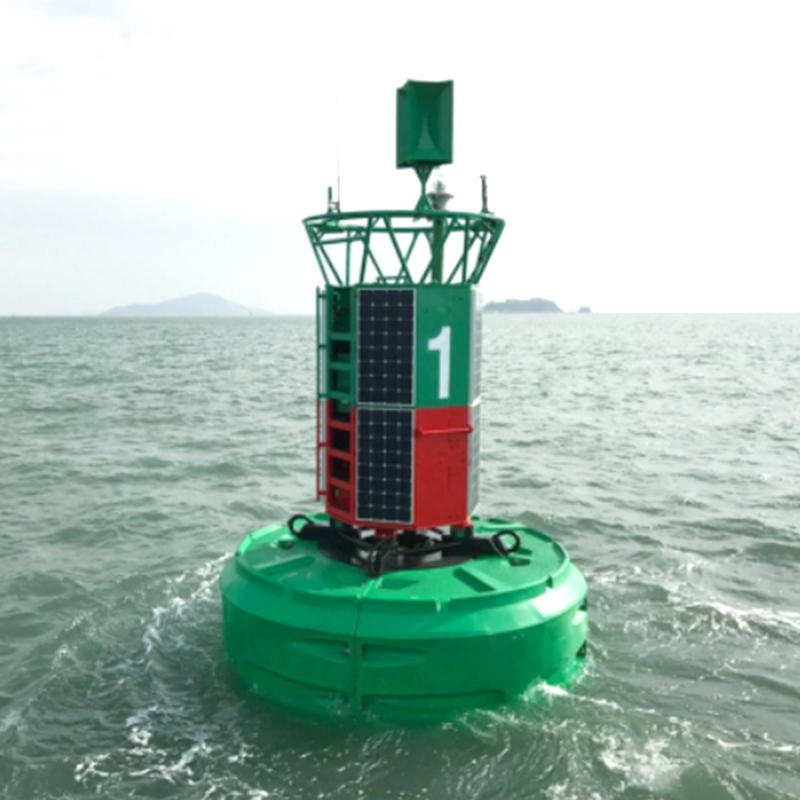
Two shells molded around a foam layer create a stiff structure without metal reinforcement. The same idea gives rigid hulls, insulated tanks, and floating platforms that keep their buoyancy even if the outer skin is punctured.
Molded-in inserts are one of the quiet advantages of the process. Metal threads, mounting plates, and ABS or PVC plug interfaces can be placed in the mold and bonded into the wall during the cycle, so the part arrives ready for a pipe, a sensor, or a float level switch.
The most convincing examples are industrial rather than decorative. Water treatment plants use cone-bottom and flat-bottom PE tanks for storage and dosing, where one wall does the structural work and the chemical barrier work at the same time. Aquaculture farms use very large tanks and floating assemblies where a single molded piece replaces a welded steel frame.
Outdoor corrosion is where the process earns its reputation, which is why we keep technical notes on why LLDPE floating platforms resist corrosion in saltwater and chemical exposure.
Long service life matters just as much in fish farming, where tanks stay filled year after year. The long-term role of aquaculture barrels is a good example of a rotomolded product outlasting several replacements of a cheaper alternative.
 LLDPE Deep Bed Denitrification Filter T-Shaped BrickA rotomolded LLDPE T-shaped filter brick for deep-bed denitrification and filtration, helping sewage plants upgrade from Grade B to Grade A.View Product →
Environmental engineering has pushed the process further. A deep bed denitrification filter brick is a small, highly specific component, yet its cavities, load path, and media contact area all come from the mold rather than from post-machining.
For buyers with a product idea rather than a catalogue item, the useful question is how quickly a design becomes a tested part.
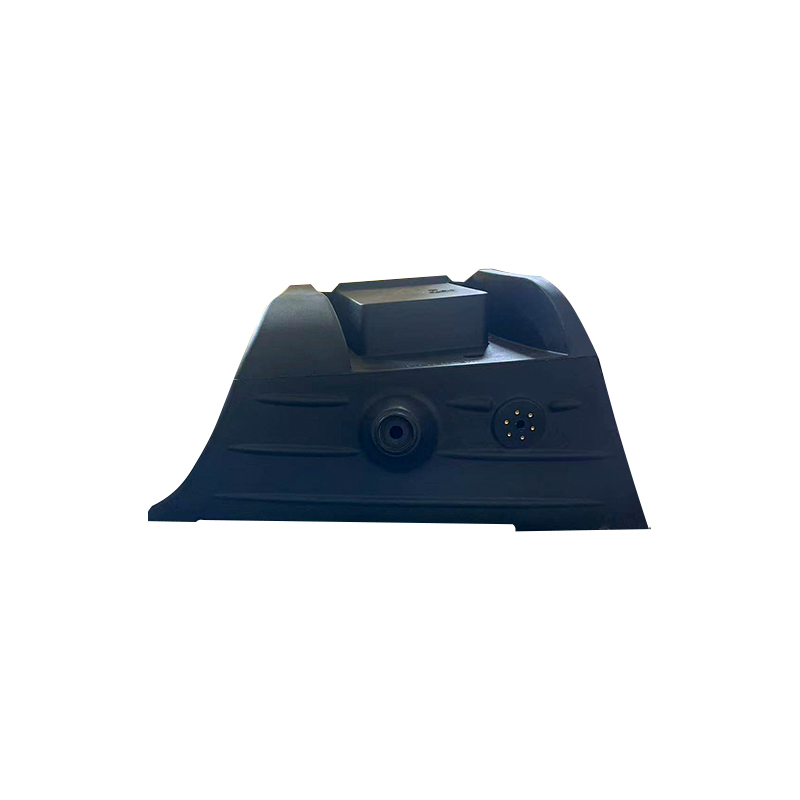
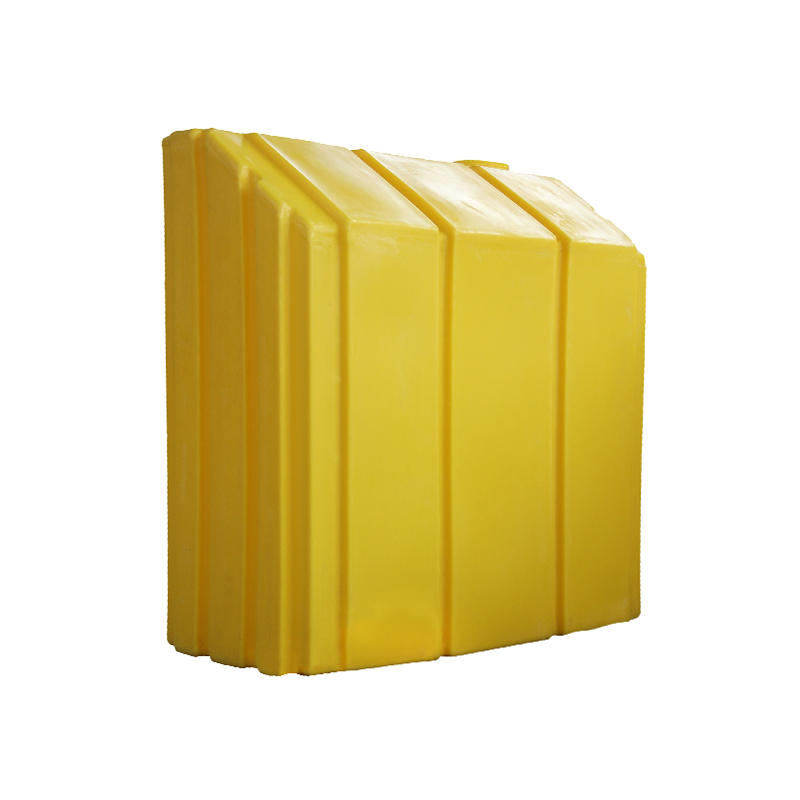
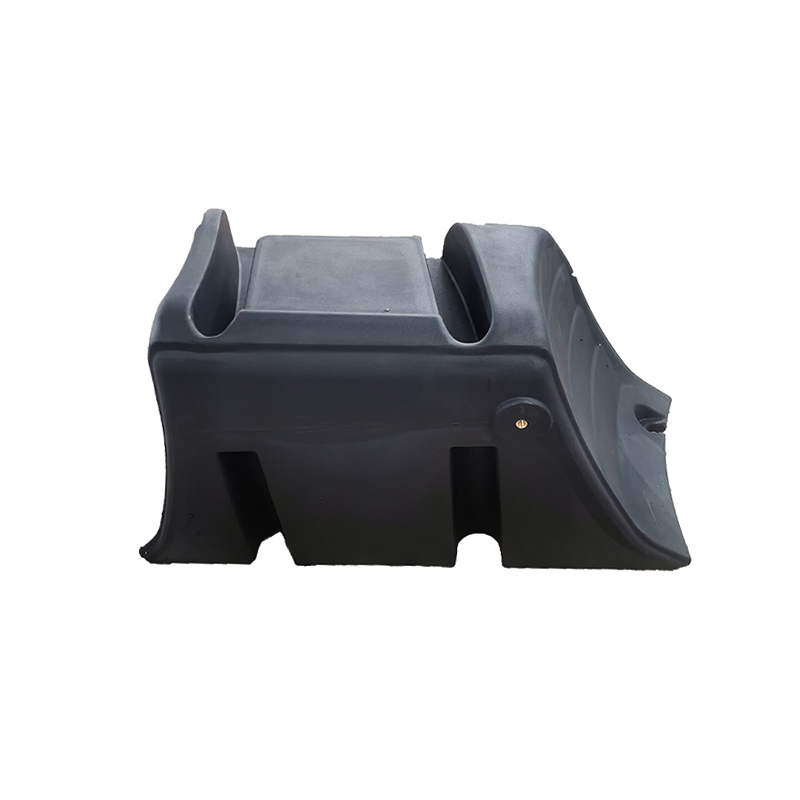 Custom Rotomolded Equipment Shells and HousingsFor custom equipment housings, these rotomolded LLDPE/PE shells offer seamless, impact-resistant protection and can be sized, shaped, colored, and featured to order.View Product →
This path is how equipment shells, fuel tanks, RV fresh water tanks, and plant protection tanks end up in the same workshop: they share the process, and only the tooling and the recipe change.
When comparing suppliers, a small set of questions separates the capable from the optimistic.
Innovation in this industry is rarely loud. It is a better parting line, a resin that survives five winters, an insert that saves a welding step, or a cooling curve that keeps a five thousand liter tank round. If you are developing a part and want to know whether rotomolding is the right answer, send us the drawing and the working conditions. A clear answer, including a straight no when the process does not fit, is worth more than a brochure.

 wuyuqiao village, Henghe Town, Cixi City, Zhejiang Province
 +86-15257871220
 [email protected]
