

 English
 عربى

News
Home / News / Industry News / Association of Rotational Molders: What It Means for Global Rotomolding Buyers
Walk through almost any rotational molding plant and you will eventually hear the same acronym: ARM. The Association of Rotational Molders is the industry's main professional body, and for decades it has been the place where molders, mold makers, polymer suppliers and the people who buy rotomolded parts sit down together.
Knowing the name, though, is not the same as knowing what the association actually does — or why it should matter if you are simply trying to buy a well-made water tank, a floating pontoon or a custom enclosure. This article takes a straightforward look at ARM: how it is organised, what its events and technical work cover, and how its standards of practice filter down to the shop floor, including the factories in China's "rotomolding hometown" that ship parts around the world.
ARM is a nonprofit trade association, registered in the United States and classified in its tax filings as a business league. Its administrative base sits in the Chicago area of Illinois, and its public home is rotomolding.org, where members publish news, event notices and technical material.
The detail that matters most is who belongs. ARM is not a club for one type of company. Its membership community generally includes:
That mix is the whole point. Rotomolding is a small industry with long supply chains: the person who designs a part, the person who cuts the mold, the person who blends the powder and the person who runs the oven are often in different countries. ARM gives them a shared vocabulary — wall thickness, arm ratio, venting, shrinkage, internal air temperature — so a technical conversation can cross those boundaries without losing meaning.
The association's most visible activity is its event calendar. Rotoplas, ARM's annual convention and exhibition, gathers rotational molding professionals from around the world into one venue for technical sessions, equipment demonstrations and supplier meetings. Recent editions have been promoted with previews and wrap-up videos, and the 2026 gathering is set to bring the global industry together in New Orleans — the kind of announcement that reads like a reunion notice for people who have known each other for years.
Alongside the main convention, ARM runs regional meetings. A 2015 regional meeting in Cincinnati, for example, produced downloadable technical presentations on subjects such as process optimisation — the kind of material a small molder can apply the following week without buying anything new.
Education is the quieter half of what the association does. Members contribute papers, run training sessions and publish guidance on everything from powder handling and mold maintenance to part design and quality control. The association's blog carries event coverage and practical write-ups, and its archives have slowly become a reference library that grows with each new generation of molders.
For someone new to the process, that library shortens the learning curve considerably. For an experienced molder, it is a way to check assumptions before committing to a new wall thickness or a new resin blend on a live project.
ARM also maintains a Rotational Molding Hall of Fame, inducting people whose careers shaped the industry: inventors, founders of well-known rotomolded consumer product companies, process engineers and teachers. Recent elections have been announced publicly, and these announcements do more than celebrate individuals — they trace the history of a process that grew from a handful of workshops into a global manufacturing method.
From the outside, association membership can look like a badge on a website. In practice, it works more like a set of habits. Companies that take part tend to:
For buyers, the association's existence is useful in a different way. It means there is a recognised body of knowledge you can point to when you ask a supplier about wall thickness tolerance, mold ownership or material traceability. A supplier who can discuss those concepts in the same terms is usually a supplier who has invested in the process, not just in a machine.
Association guidance only becomes real when it lands in an actual factory. In Cixi, Zhejiang Province — a city the local industry calls the hometown of rotomolding — companies such as Cixi Junyi Plastic Industry Co., Ltd. have built their production around exactly that translation. Founded in 2007 and located a short drive from Yuyao North high-speed rail station and the Hangzhou Bay Bridge, the company develops its own molds, runs rotomolding lines, offers OEM production and supplies the fittings that go with the finished part.
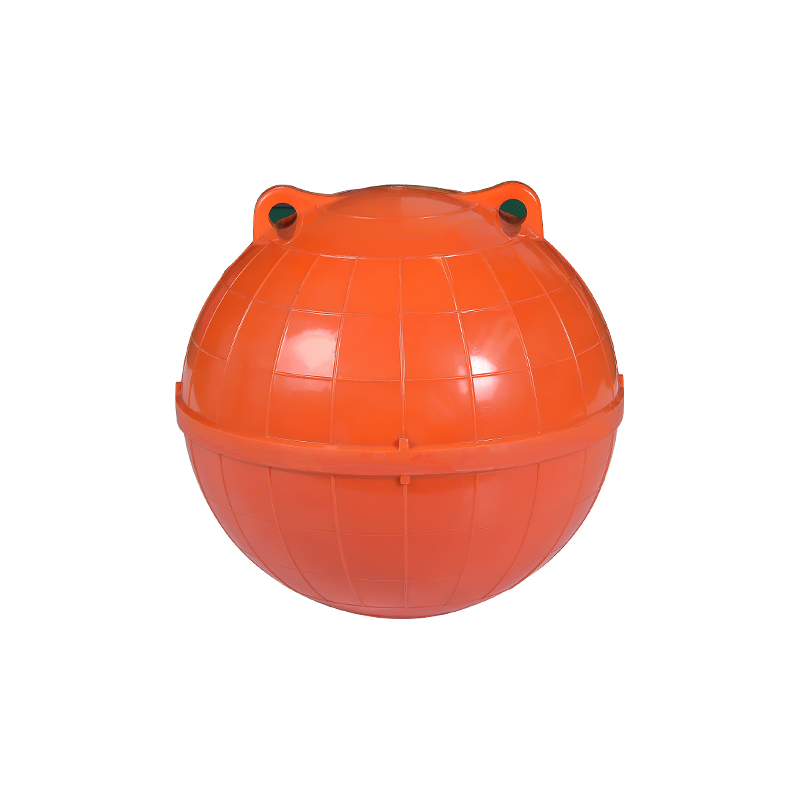
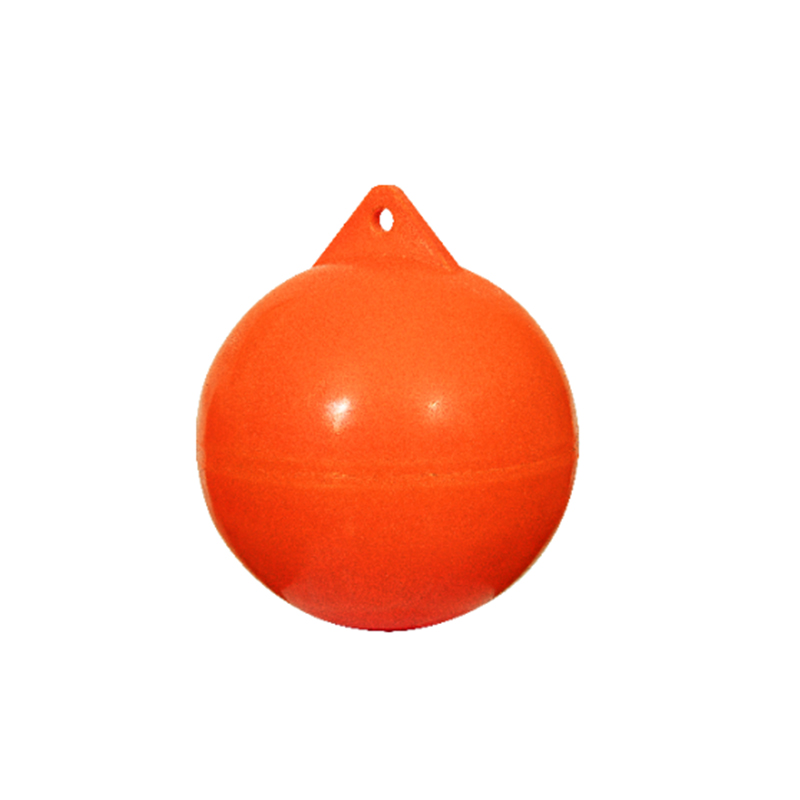
Mold design is where most of this begins. Rotational molding lives or dies on tooling, and a mold built with the right parting line, wall thickness allowance and venting saves months of argument later. Junyi's mold development covers float molds, floating ring molds and steel film molds — the tooling families behind the buoy and pontoon products that fill harbours, fish farms and dredging projects.
 Rotational Float Mold for Floats and LifebuoysCustom PE/LLDPE rotational mold for producing floats and lifebuoys, with rotating mold action described as enabling efficient forming and smooth, bubble-free surfaces.View Product →
The same engineering discipline carries into water treatment. Storage tanks, dosing barrels and turnover boxes are the workhorses of municipal and industrial projects, and they are ordered in shapes that match a specific installation: cone bottom for full drainage, flat bottom for general storage, horizontal for low headroom. A 5,000 litre cone bottom tank is a good example of a product where geometry is not decorative — it decides how cleanly the tank empties and how easily a pump system can be connected.
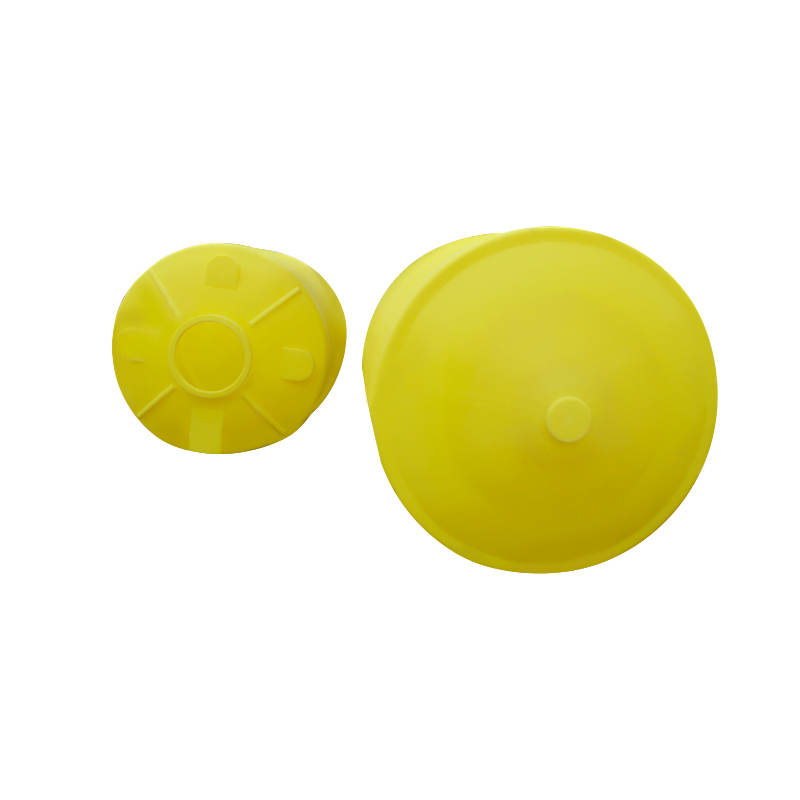 CPT-5000L Cone Bottom PE Storage TankA 5,000-litre food-grade PE/LLDPE tank with inclined cone bottom and carbon steel base, designed for full drainage and easier cleaning in water treatment.View Product →
None of this is glamorous, but it is the layer of the industry that keeps projects running, and it is the layer where the vocabulary promoted by the Association of Rotational Molders quietly pays off.
If you are sourcing rotomolded parts, especially from overseas, it helps to separate the things you can see from the things you have to ask about. Certificates and association logos tell you that a company cares about the industry. Engineering habits tell you whether the part will still fit three years from now.
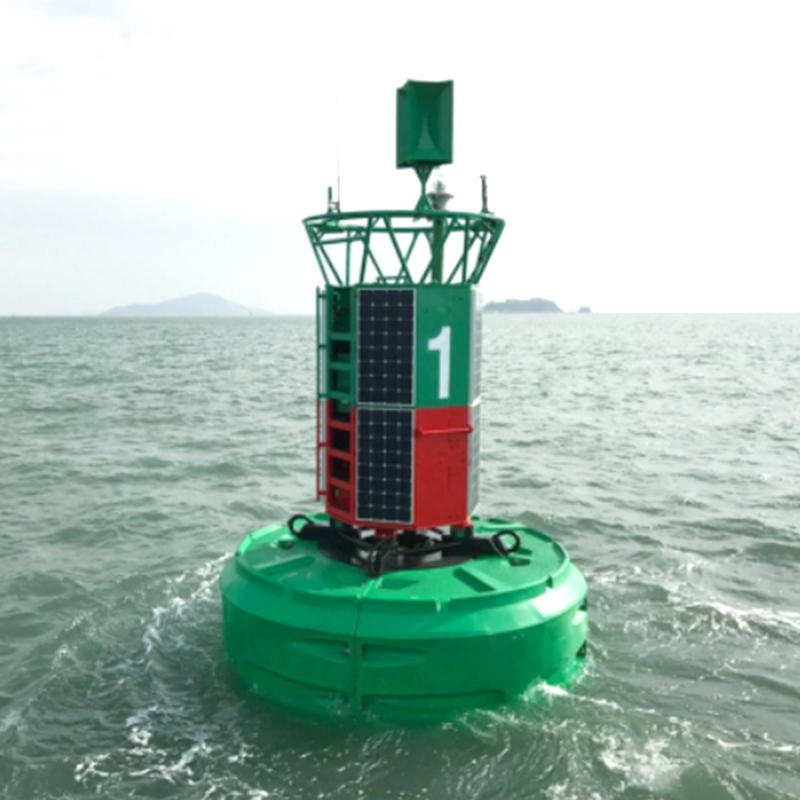
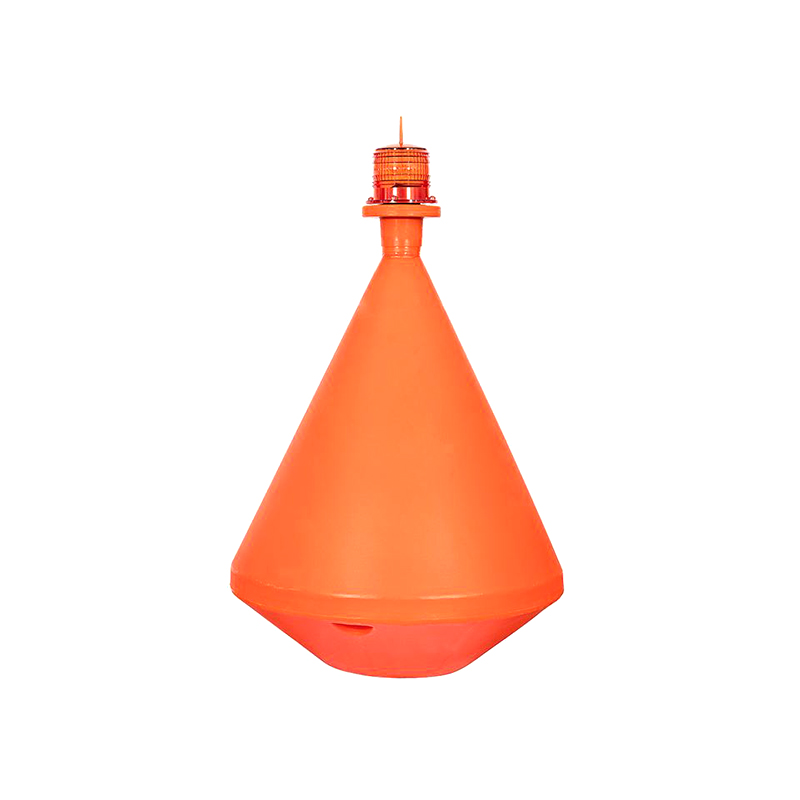
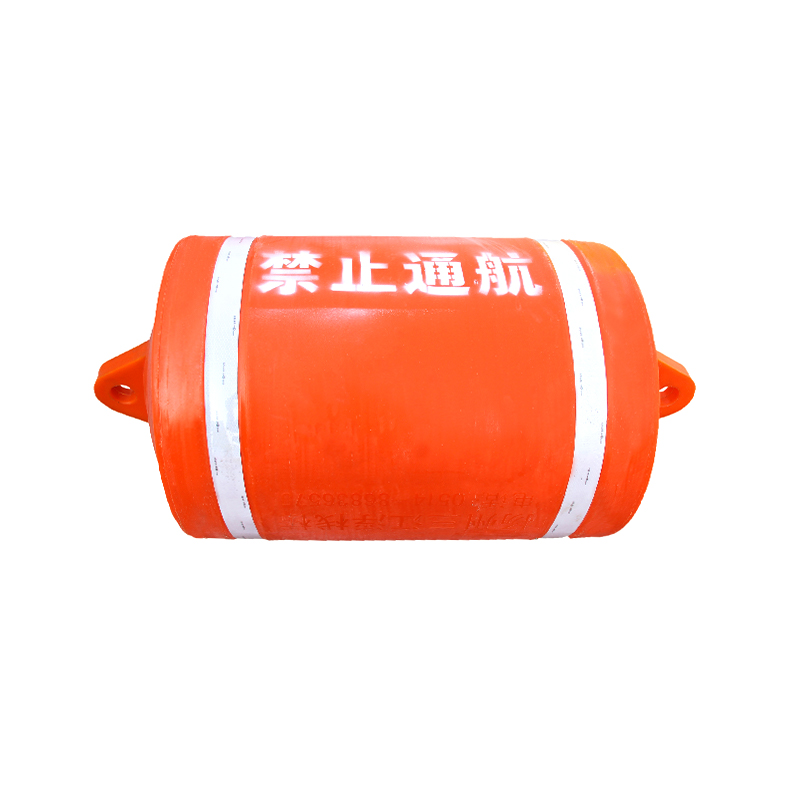
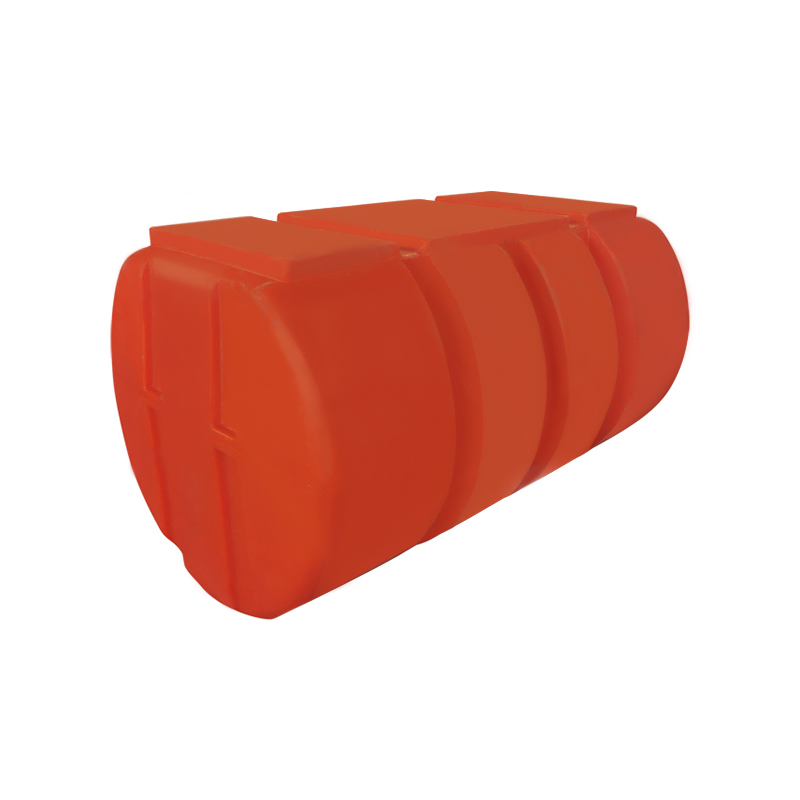
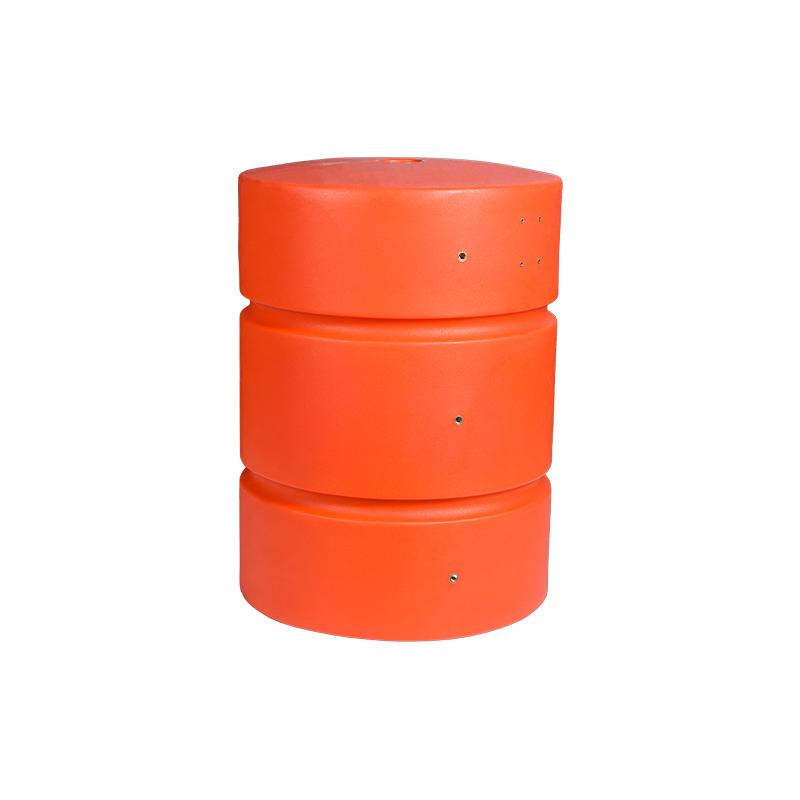
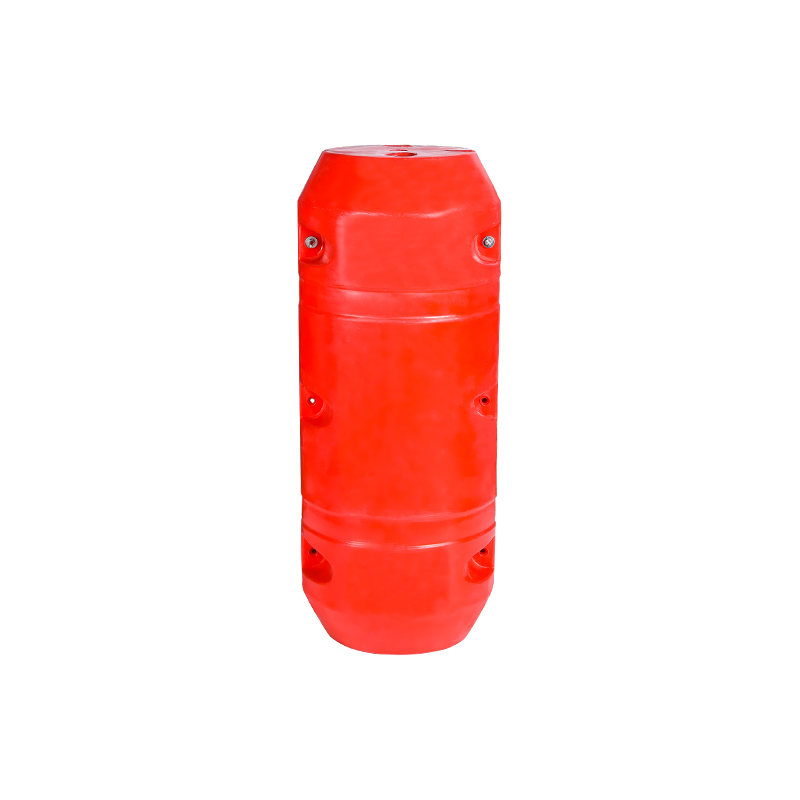
Products built for the water — floating platforms, navigation buoys, dredging pipe pontoons and warning floats — are a useful test case, because they combine two demands that rarely sit together: buoyancy and long-term weathering resistance. An LLDPE floating platform has to survive salt water, UV exposure and constant movement without losing its shape, which is why resin choice and wall thickness control matter more than the shape of the mold cavity.
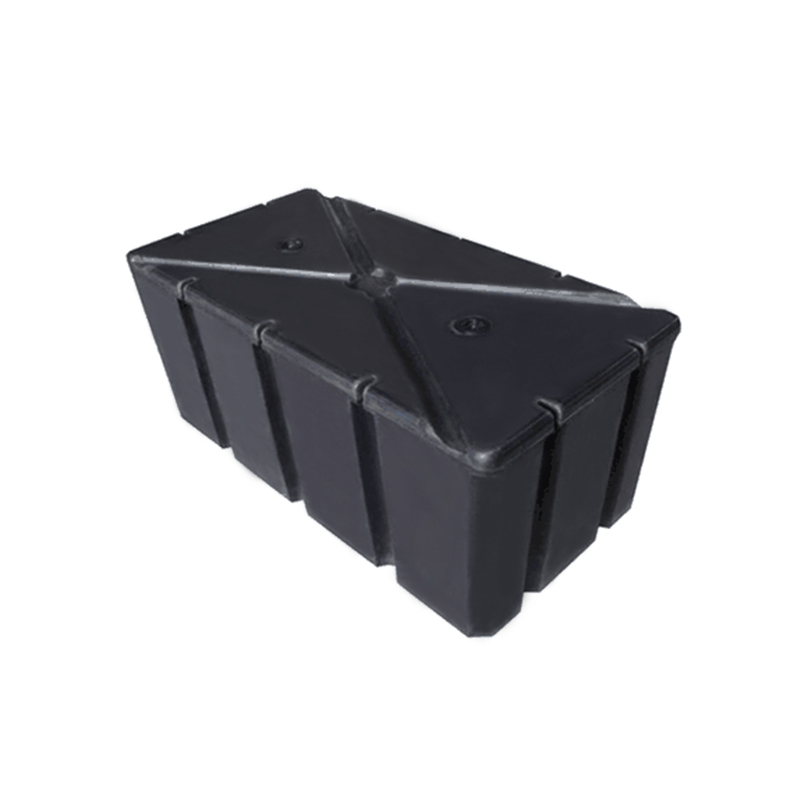
 Rotomolding LLDPE Floating Platform for Water ApplicationsA rotationally molded LLDPE floating platform for docks, bridges, stages and water activities, valued for chemical resistance, impact strength, durability and stable load-bearing surfaces.View Product →
For a closer look at how that plays out with real material behaviour, the site's note on LLDPE floating platform corrosion resistance is a reasonable starting point.
| What to ask | Why it matters | What a good answer looks like |
|---|---|---|
| Who owns the mold? | Tooling ownership decides your switching costs and whether you can move production later. | Written terms identifying the mold, with transfer possible if you paid for it. |
| How is wall thickness controlled? | Uneven walls create weak spots, poor buoyancy and a shorter service life. | Measured samples and a documented process window, not a verbal promise. |
| Which resin grade is used? | UV stabilisation and molecular weight drive outdoor performance. | A named grade or specification you can check against the quotation. |
| What happens after delivery? | Fittings, spare parts and technical follow-up decide your real cost of ownership. | Available spares and a named contact who answers technical questions. |
The Association of Rotational Molders is, in the end, a fairly modest organisation with an outsized influence. It does not certify factories or police quality, and joining it will not fix a badly designed mold. What it does is keep a scattered industry talking to itself — sharing data, teaching newcomers and slowly raising the baseline that everyone works from.
If you buy rotomolded parts, you do not need to join. It is still worth knowing that the manufacturer on the other side of the table probably has, and that the questions the association teaches its members are very often the same questions you should be asking before you sign anything.

 wuyuqiao village, Henghe Town, Cixi City, Zhejiang Province
 +86-15257871220
 [email protected]
