

 English
 عربى

News
Home / News / Industry News / Common Rotomolding Defects and How to Prevent Them – Expert Insights from Junyi Plastics
Over the years, we at Junyi Plastics have seen just about every rotomolding defect you can name. Some come from raw material inconsistencies, others from improper mold design or temperature control. The good news is that nearly all of them can be avoided with the right approach. In this article, we’ll walk through the most common rotomolding defects we encounter in our daily production—bubbles, blow holes, uneven wall thickness, discoloration, low impact strength, warping, and incomplete filling—and share practical troubleshooting techniques based on real shop‑floor experience.
Bubbles trapped in the wall or along the parting line are one of the most frequent quality issues. They usually appear when air or moisture is trapped inside the mold during the sintering phase. In our experience, the root cause is often inadequate venting or excessive moisture in the powder. We always recommend checking the vent size—if it’s too small, enlarge it. A slower cooling rate and rotating the mold during the cooling cycle can also help release trapped gases. For blow holes that go completely through the part, the issue is often a local hot spot that degrades the material before it fuses. Using a mold release agent sparingly and ensuring uniform oven temperature are effective countermeasures.
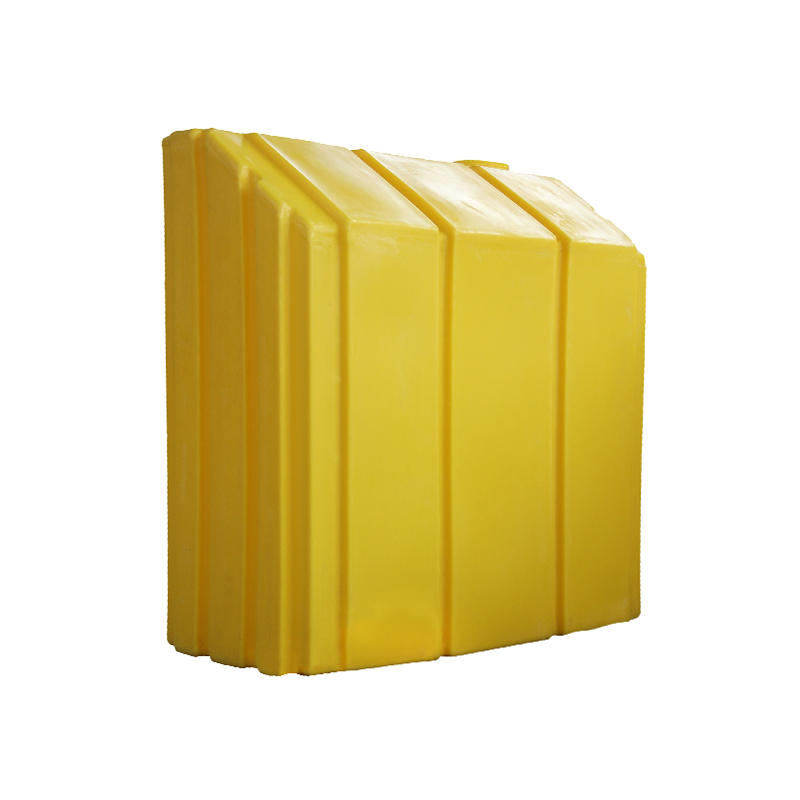
 Rotational Steel Film Mold for Consistent Wall ThicknessThis mold is designed to minimize wall thickness variations and trapped gases. Its precision construction supports uniform material flow and cooling, reducing common defects like warping and blow holes.View Product →
Uneven wall thickness is a classic sign of poor mold rotation or incorrect oven indexing. We’ve dealt with this by calibrating the rotation speeds on our turret machines and making sure the mold swings through the hot zone at a consistent rate. Warping, on the other hand, often occurs when the part cools too quickly or unevenly. Reducing the cooling rate and using a uniform air flow can minimize distortion. For large, flat parts like pallet bases or tank lids, we sometimes add internal ribs to maintain stiffness without sacrificing cycle time. Over the years, we’ve found that a well‑designed mold with proper shrinkage allowances is the best foundation for consistent wall thickness.
Discoloration—yellowing or brown streaks—is almost always related to thermal degradation. Either the oven temperature is too high, the cycle time is too long, or the material grade isn’t designed for the required heating profile. We keep a strict log of oven temperatures for every job and use thermal barriers when processing dark‑colored parts. Low impact strength is a different animal: it often means the part wasn’t sintered long enough, or the wrong polymer grade was used. For example, when we produce impact‑resistant equipment shells or fuel tanks, we select a specialty LLDPE grade and extend the holding time by 10–15% to ensure full fusion. A quick drop‑weight test on a sample piece can catch this before full production runs.
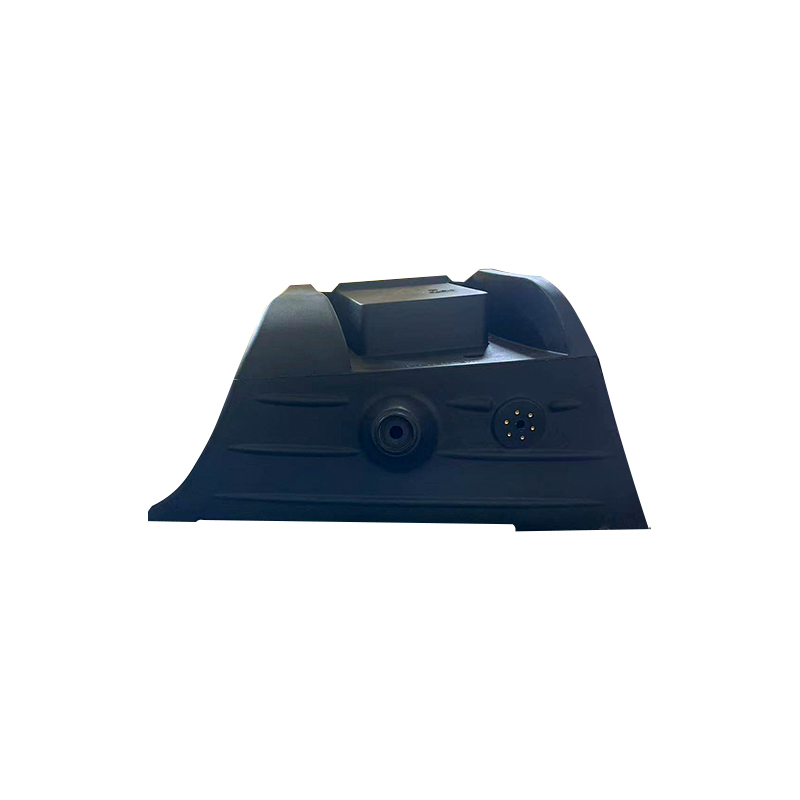 Rotomolding Plastic LLDPE Fuel Tank for Impact ResistanceManufactured with a specialized LLDPE grade and extended sintering cycle, this tank offers high impact strength and chemical resistance. It avoids thermal degradation issues by maintaining controlled oven temperatures and proper venting.View Product →
Incomplete filling is usually a mass issue: not enough resin was charged into the mold. It can also happen if the powder flows poorly into narrow cavities. We solve this by using the correct shot weight and by adding a slight taper to deep ribs. Low stiffness may be caused by under‑sintering or by a material with too low a modulus. Sometimes the design itself is too thin for the intended load. In those cases, we work with the customer to increase wall thickness locally or switch to a stiffer polymer. Our OEM processing team often recommends a “stress‑relief” cooling cycle to improve dimensional stability in large tanks and containers.
Scratches, dents, and sink marks typically originate from the mold surface or from inadequate mold preparation. We inspect every mold before each run and re‑polish if needed. Sink marks on flat surfaces are often caused by localized thickness variations—heat accumulates in the thicker sections and creates a depression. Adding a slight crown to the mold surface or increasing the cooling time on that area helps even things out. For threaded inserts or integral bosses, we use a core pin that is pre‑heated to minimize resin sticking.
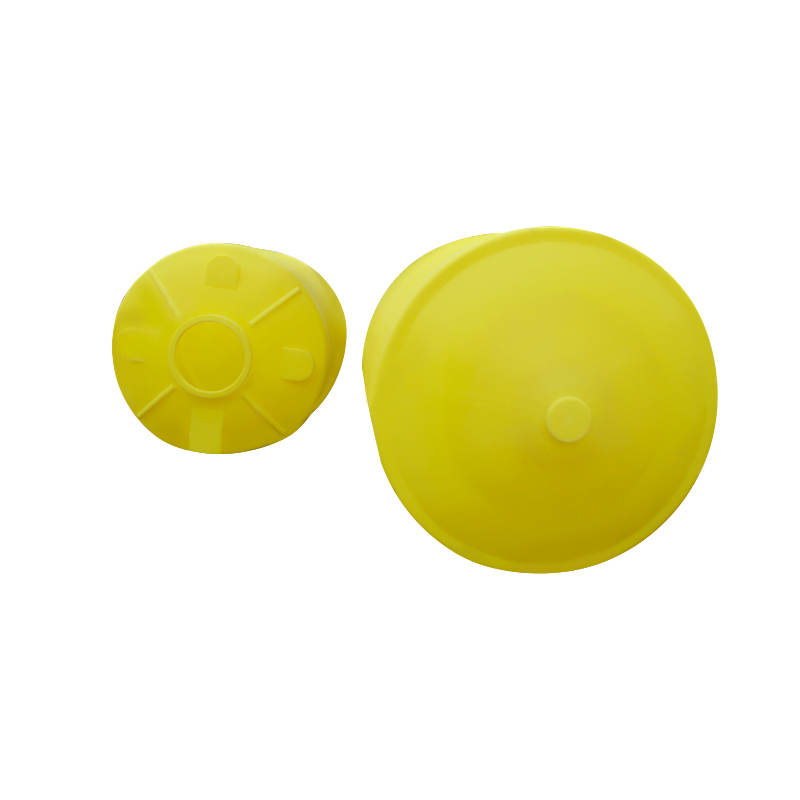 CPT-5000L Cone Bottom PE Storage Tank for Smooth SurfacesBuilt with careful mold preparation and surface finishing, this tank prevents scratches, dents, and sink marks. Its design allows uniform cooling, ensuring a defect-free exterior suitable for water treatment and chemical storage.View Product →
Over 15 years of producing everything from rotomolded floating platforms to chemical dosing barrels, we’ve learned that prevention is always better than rework. Our top recommendations are:
Our team at Junyi Plastics recently shared insights on how proper cycle control helped us achieve zero‑defect runs for a major water‑treatment project. You can read more about that in our exhibition recap, where we discussed innovations in marine‑grade rotomolding.
Rotomolding defects are not inevitable. With careful attention to material selection, mold design, and process parameters, they can be minimized or eliminated entirely. If you’re facing a persistent issue—bubbles in your cone‑bottom tanks, warping in your aquaculture barrels, or discoloration on your equipment shells—our engineering team is happy to help diagnose the root cause. We’ve solved these challenges for customers across the water‑treatment, aquaculture, and marine industries, and we can do the same for your project.


 wuyuqiao village, Henghe Town, Cixi City, Zhejiang Province
 +86-15257871220
 [email protected]
