

 English
 عربى
عربى
How Does a Rotomolding RV Water Tank Improve Your RV Experience?
Introduction: The Importance of Reliable Water Storage in RVs
When traveling in an RV, having access to a reliable water supply is crucial for comfort and convenience. Whether it’s drinking water, showering, or cooking, an inefficient or poorly designed water tank can limit your RV experience. A rotomolding RV water tank provides a modern solution for travelers who need durability, flexibility, and reliability.
Rotomolding tanks are produced using rotational molding technology, which creates seamless, leak-resistant tanks. Unlike traditional metal or fiberglass tanks, rotomolded tanks are lightweight, corrosion-resistant, and easily shaped to fit unique RV layouts. For RV owners, this means more efficient use of interior space, lower maintenance, and long-term reliability. By optimizing water storage, these tanks directly contribute to a better RV lifestyle.
What Is a Rotomolding RV Water Tank?
Understanding the Rotational Molding Process
Rotational molding, often referred to as rotomolding, is a manufacturing technique that involves heating a hollow mold containing plastic resin while it rotates on multiple axes. The resin evenly coats the mold interior, forming a seamless, uniform tank.
Key advantages of rotomolding include:
- Seamless construction, which minimizes leaks
- High chemical and UV resistance
- Ability to produce complex shapes to fit RV compartments
This method has gained popularity in the RV industry because it ensures tanks are lightweight but incredibly durable. Compared to metal tanks, rotomolded tanks won’t rust or corrode over time, making them ideal for long-term RV use.
| Feature | Rotomolding Tank | Traditional Metal Tank |
|---|---|---|
| Weight | Lightweight | Heavy |
| Leak Resistance | Seamless, highly resistant | Susceptible to corrosion |
| Shape Flexibility | Can be molded to any shape | Limited |
| Maintenance | Low maintenance | Requires regular care |
| Cost | Moderate | Often higher over lifespan |
How Rotomolding RV Water Tanks Enhance Your RV Experience
Reliable Water Supply Anywhere
One of the main benefits of a rotomolding RV water tank is ensuring a consistent water supply. These tanks are leak-resistant and built to withstand daily RV vibrations and bumps on the road. Whether you’re camping in remote areas or traveling across the country, rotomolded tanks give peace of mind that your water supply will remain safe and uninterrupted.
Space Optimization in Your RV
RV owners often struggle with fitting large water tanks into compact spaces. Thanks to the rotomolding process, tanks can be molded to fit unusual compartments without sacrificing water capacity. This allows RV designers and owners to maximize interior space for living comfort, storage, and other equipment.
Durability and Long-Term Reliability
Rotomolding produces a single-piece, stress-free tank, which is less likely to crack or leak compared to traditional tanks. This durability ensures that the tank will last for many years, even under extreme weather conditions or continuous RV movement. For frequent travelers, this longevity is invaluable.
Eco-Friendly and Safe Materials
Most rotomolded tanks are made from food-grade polyethylene, which is safe for storing drinking water. Additionally, the durability of the tank reduces the need for frequent replacements, which contributes to a more sustainable, environmentally friendly RV lifestyle.
Choosing the Right Rotomolding RV Water Tank
Size and Capacity Considerations
When selecting a rotomolded tank, consider your RV water usage patterns. Tanks range from 10 gallons to over 100 gallons, and the size you need depends on your travel habits, the number of travelers, and the duration of trips without water refills.
Installation Tips
Proper installation ensures the tank functions efficiently:
- Secure the tank to minimize movement
- Avoid placing it near heat sources to prevent deformation
- Include easy access for maintenance and cleaning
Comparison with Other Tank Types
| Feature | Rotomolding Tank | Stainless Steel Tank | Fiberglass Tank |
|---|---|---|---|
| Weight | Lightweight | Heavy | Moderate |
| Leak Resistance | High | Moderate | Moderate |
| Custom Shape Options | Yes | Limited | Limited |
| Maintenance | Low | Medium | Medium |
| Price | Moderate | High | Moderate |
FAQ About Rotomolding RV Water Tanks
Q1: How often should I clean my rotomolding RV water tank?
A: Clean the tank every 3–6 months, depending on water usage, to prevent bacterial buildup.
Q2: Are rotomolding RV water tanks safe for drinking water?
A: Yes, high-quality tanks are made from food-grade polyethylene, which meets safety standards for potable water.
Q3: Can rotomolding tanks handle extreme temperatures?
A: Yes, they are designed to withstand both high and low temperatures, though long-term exposure to direct sunlight should be minimized.
Q4: How long do rotomolding RV water tanks typically last?
A: With proper maintenance, a rotomolded tank can last 10–15 years or longer, making it a long-term investment for RV owners.
Q5: Are rotomolding tanks better than stainless steel tanks?
A: While stainless steel tanks are durable, rotomolded tanks are lighter, easier to install in tight spaces, and more resistant to corrosion and leaks.
References
- Rotational Molding Association of America (RMAA), “Benefits of Rotomolding,” 2023.
- RV Travel Magazine, “Choosing the Right Water Tank for Your RV,” 2022.
- Food-Grade Polyethylene Standards, FDA Guidelines, 2023.
Related Products
-
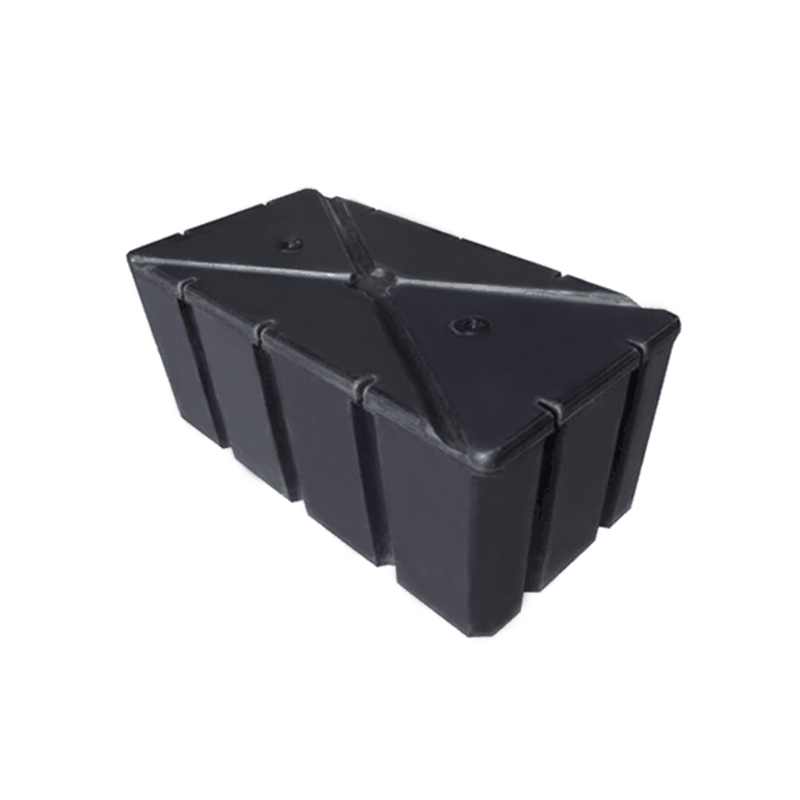
Square Rotomolding PE Floating Pontoon
-

Rotomolding LLDPE Floating Platform
-
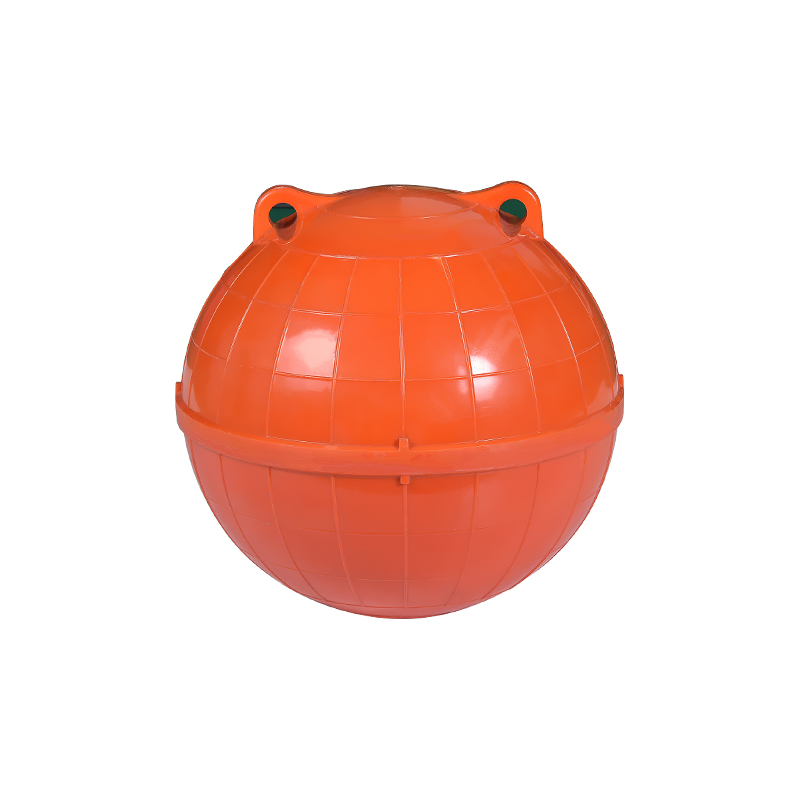
Durable 200mm ABS Rotational Molding Floating Balls
-
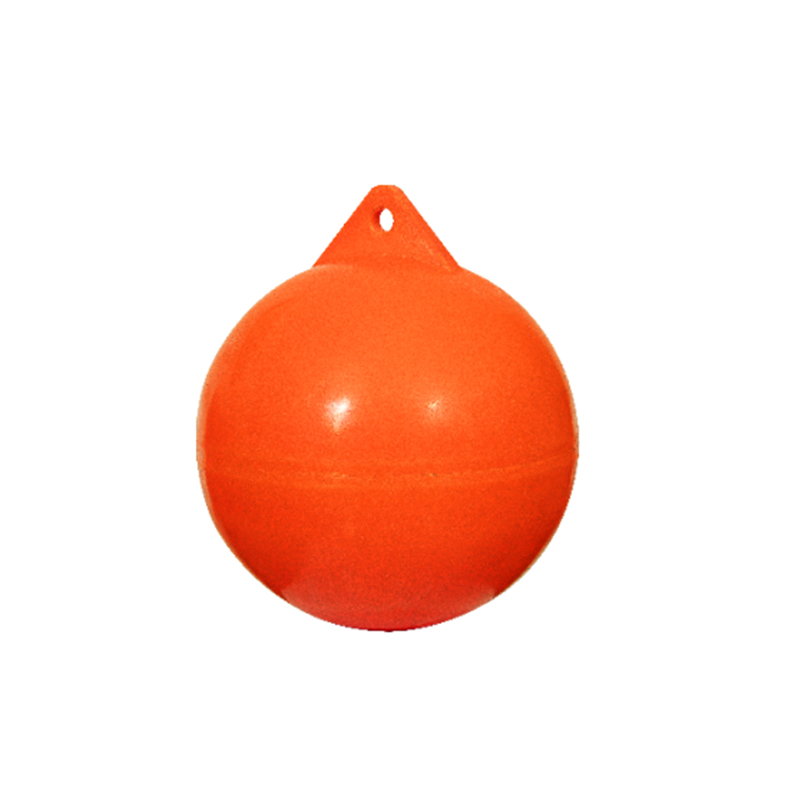
500mm Single Ear Rotomolding Floating Ball
-
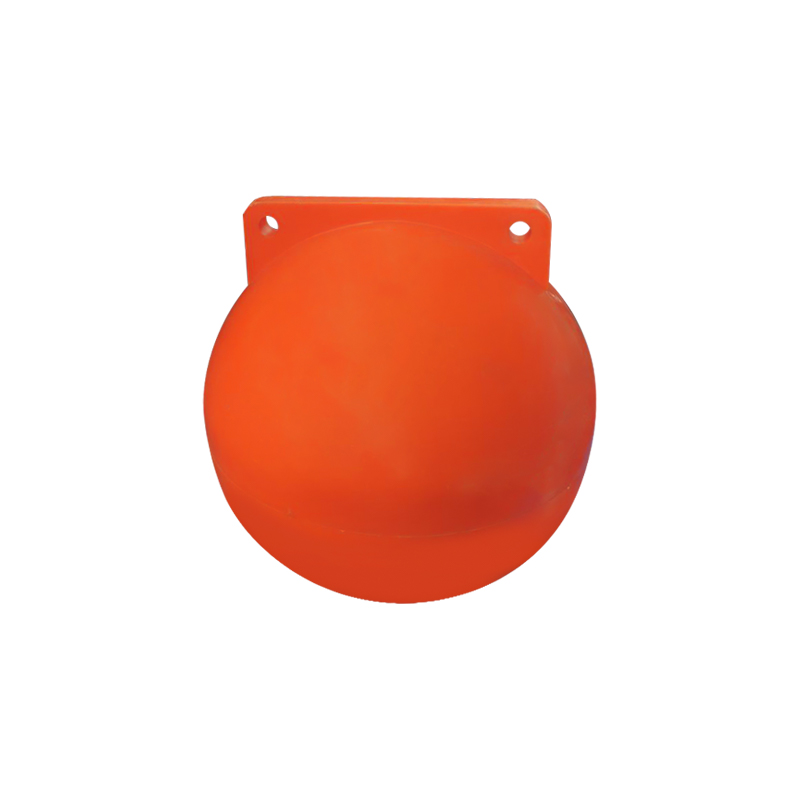
500mm Plastic Floating Ball LLDPE Warning Ball Floater
-
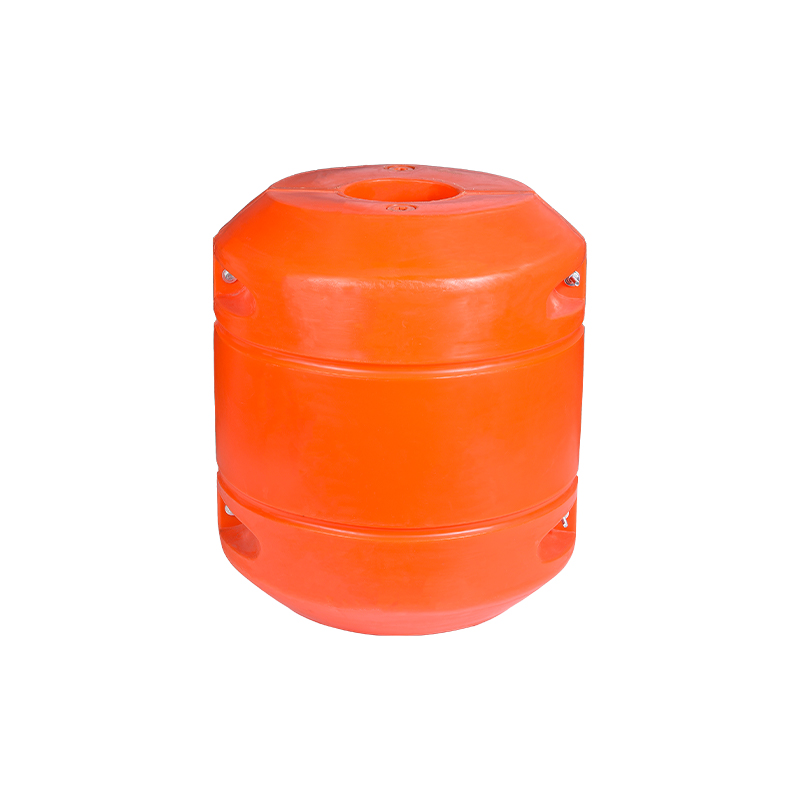
Warning Floating Dredging Pipe Pontoon
-
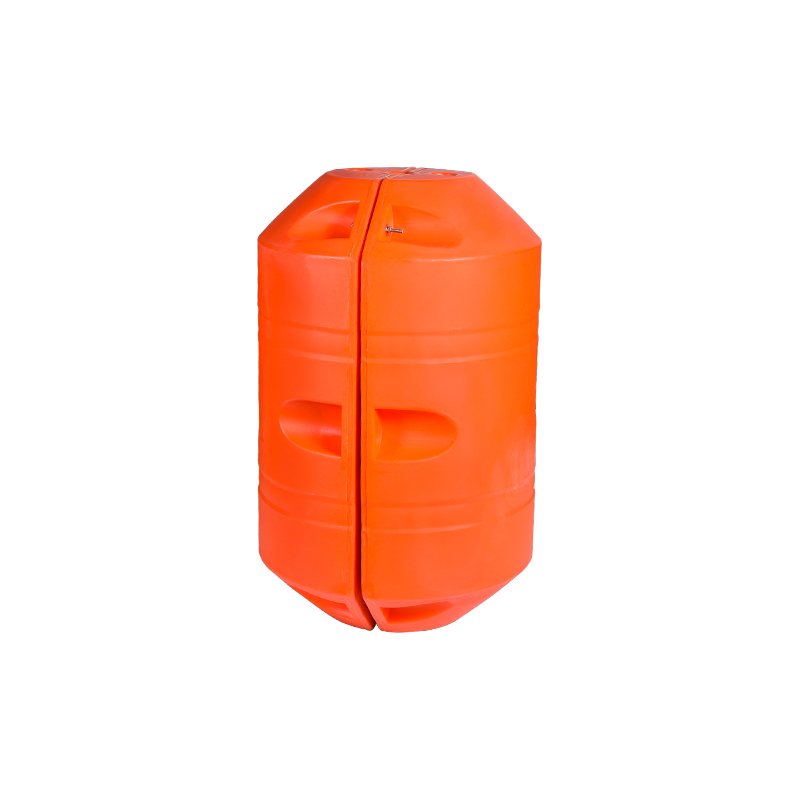
LLDPE Plastic Rotational Molding Dredge Pipe Float Pontoon
-
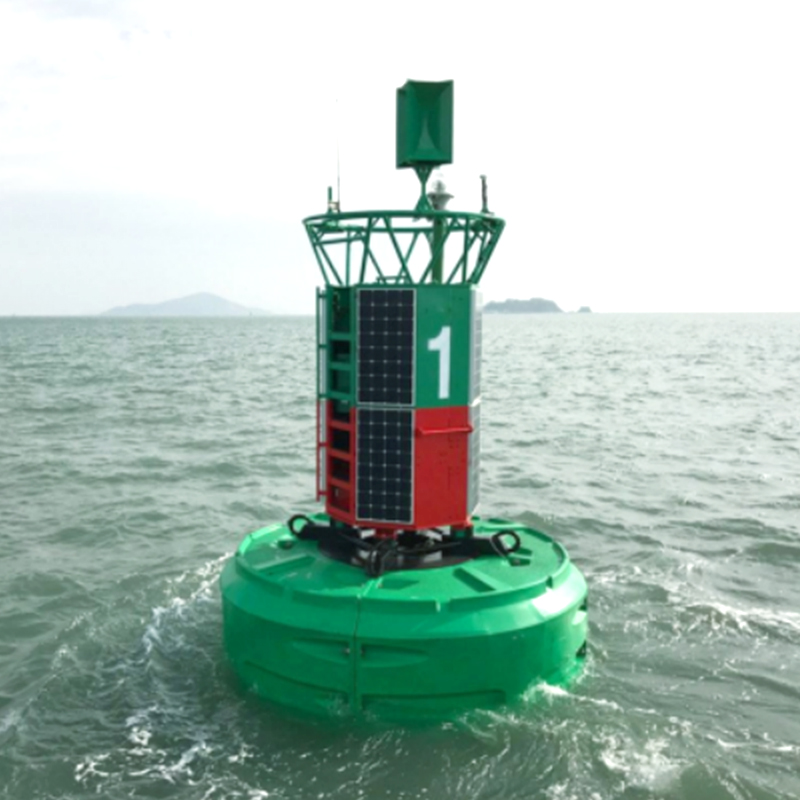
Marine Navigation Buoy/Warning Buoy
-
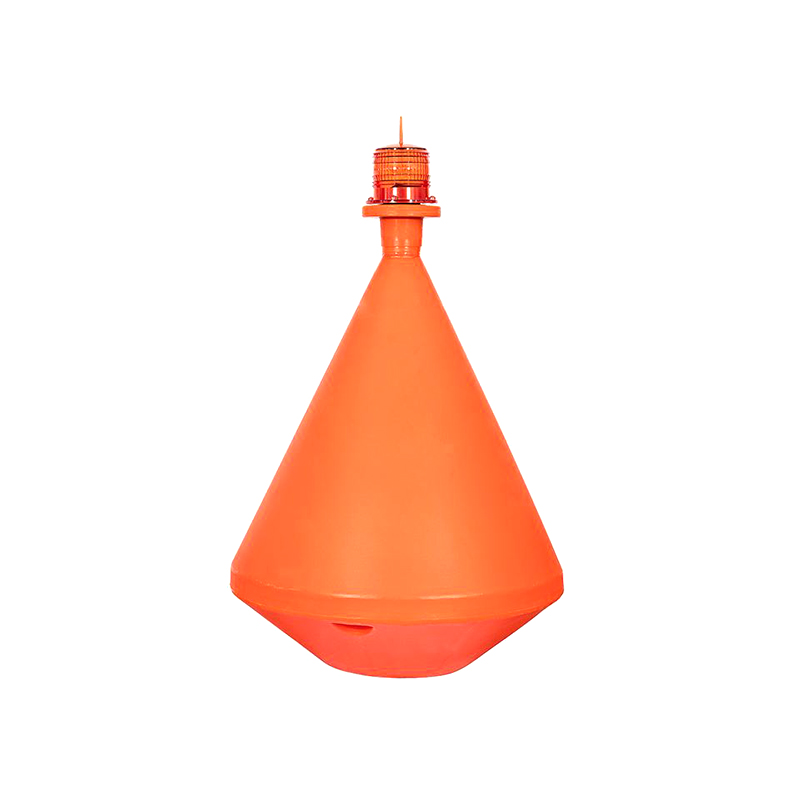
LLDPE Stationary Navigation Beacon Floating Buoy
-
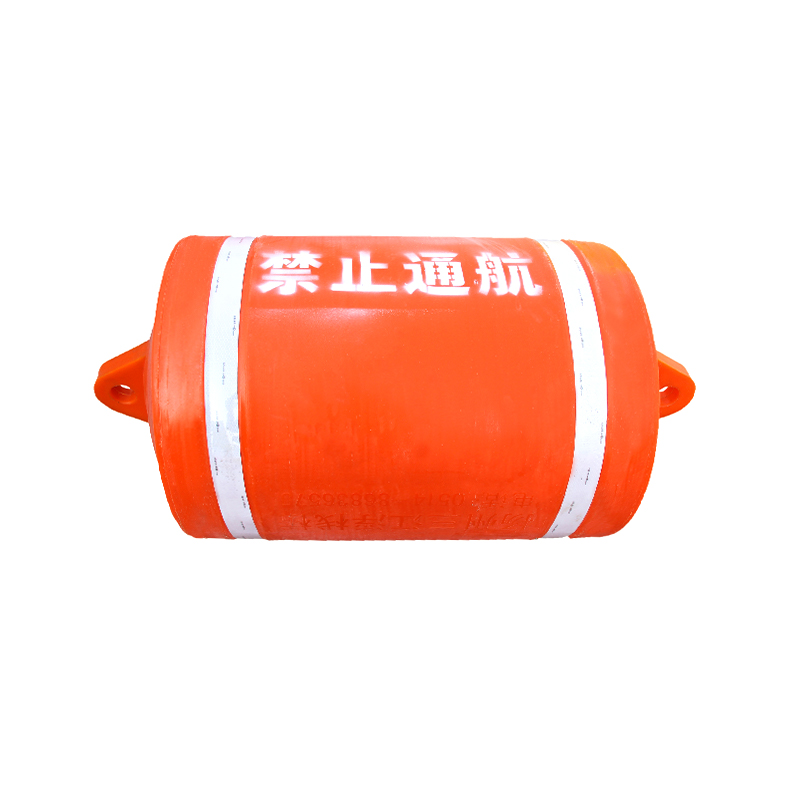
Rotomolding Warning Float With EPS Filler
-
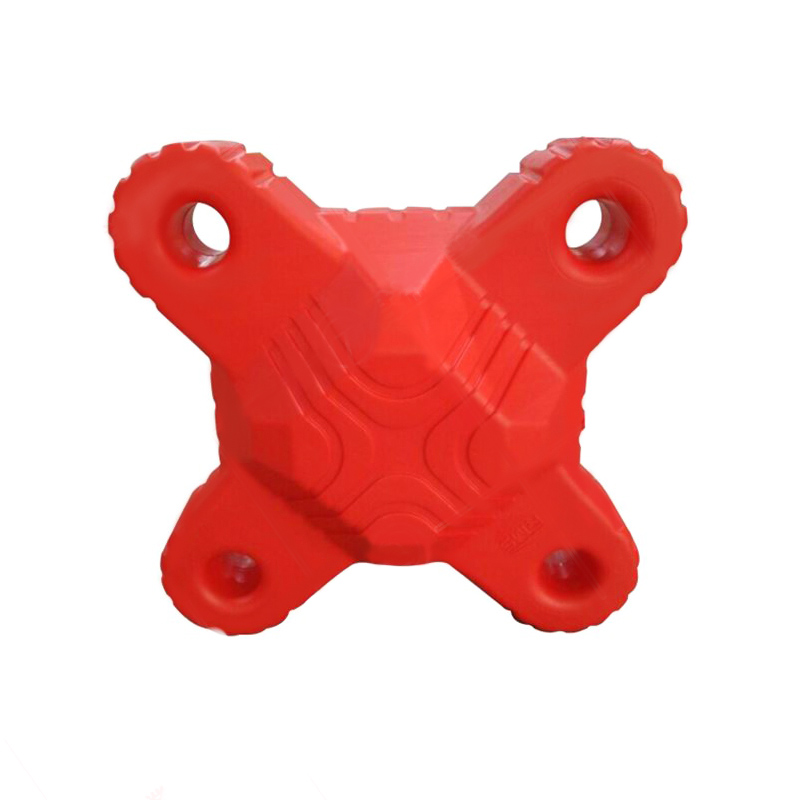
Rotomolding Anti-wave Buoy
-
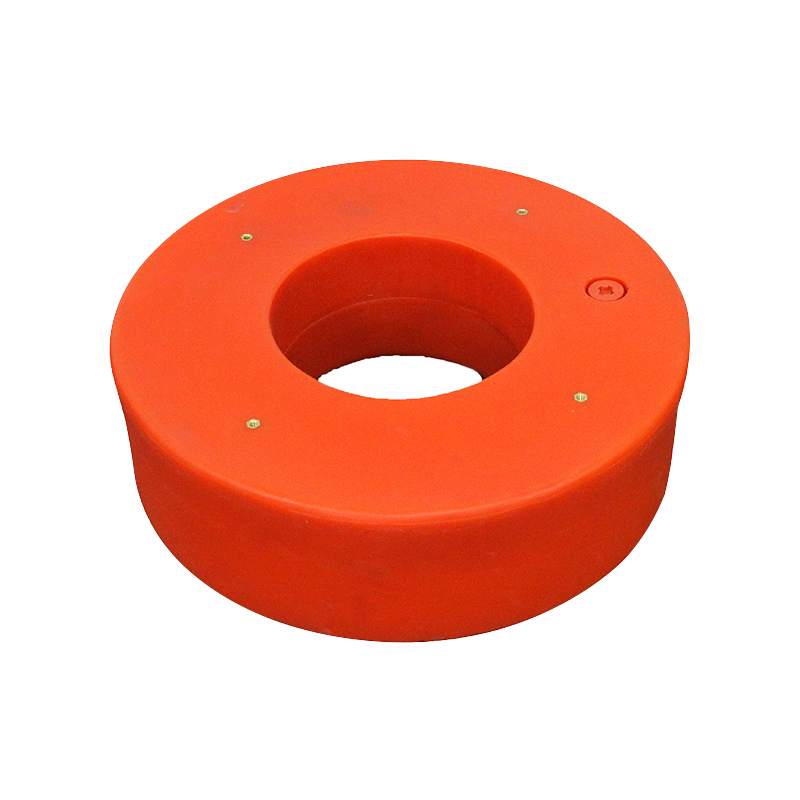
LLDPE Dredging Sludge Rotomolded Floating Ring
-
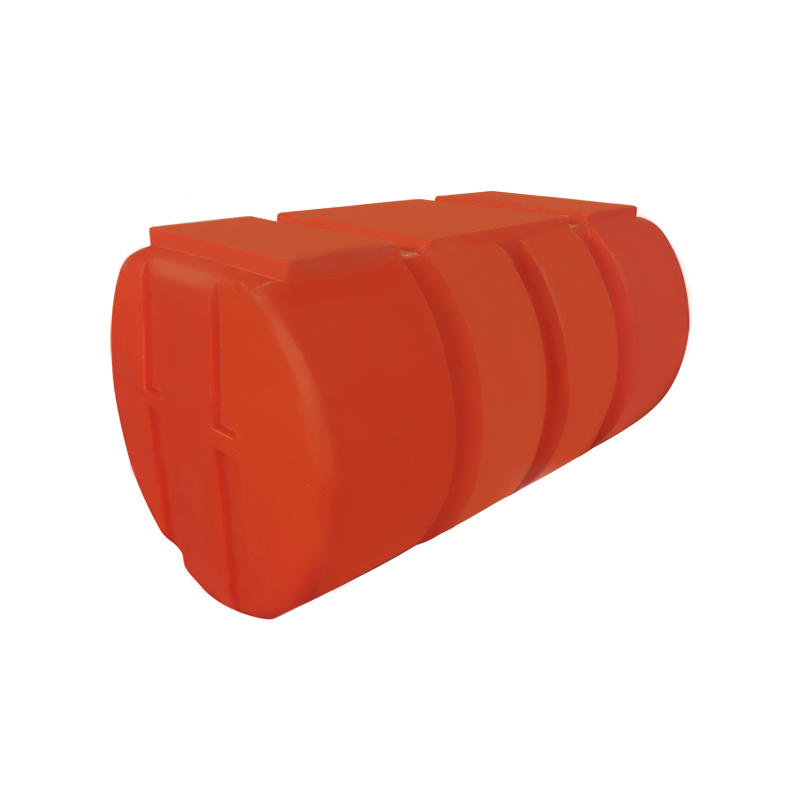
650 Diameter Rotomolding Breeding Floating Pontoon
-
200 Diameter Rotomolding Sewage Retaining Float
-
Rotational Molding Floating Body
-
Rotomolding Plastic LLDPE Fuel Tank
-
Rotomolding Plant Protection Water Tank
-
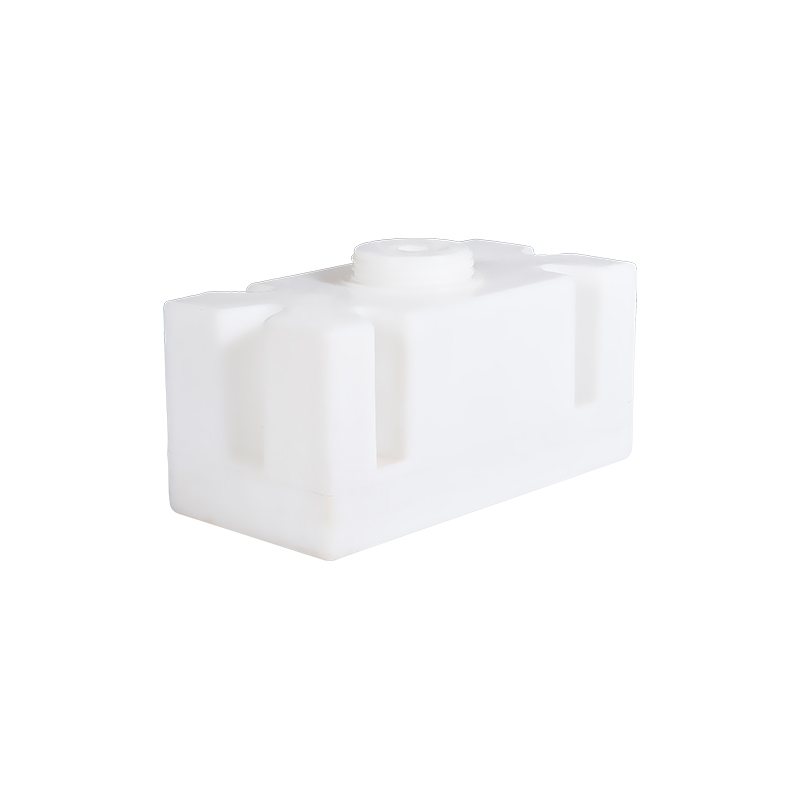
Rotomolding LLDPE RV Fresh Water Tank
QUICK CONTACT
-
 wuyuqiao village, Henghe Town, Cixi City, Zhejiang Province
-
 +86-15257871220
- +86 15924308271
-
 [email protected]
KEEP IN TOUCH
